🛒 Short Introduction
When choosing a magnet strength phone mount, focus first on the magnetic pull force (measured in grams or pounds), your phone's compatibility with magnets, and the intended use—especially if you're driving on rough roads or using larger devices. A magnet strength phone mount with at least 10–15 lbs (4.5–6.8 kg) of holding power is recommended for most smartphones, but heavier phones or vibration-prone environments may require 20+ lbs. Avoid mounts that lack rubberized contact points or secure attachment mechanisms, as they increase the risk of slippage. For users with MagSafe-compatible iPhones, built-in alignment and stronger adhesion simplify selection. However, Android users should verify whether their device supports wireless charging through metal plates or requires adhesive ring placement under protective cases.
📍 About Magnet Strength Phone Mount
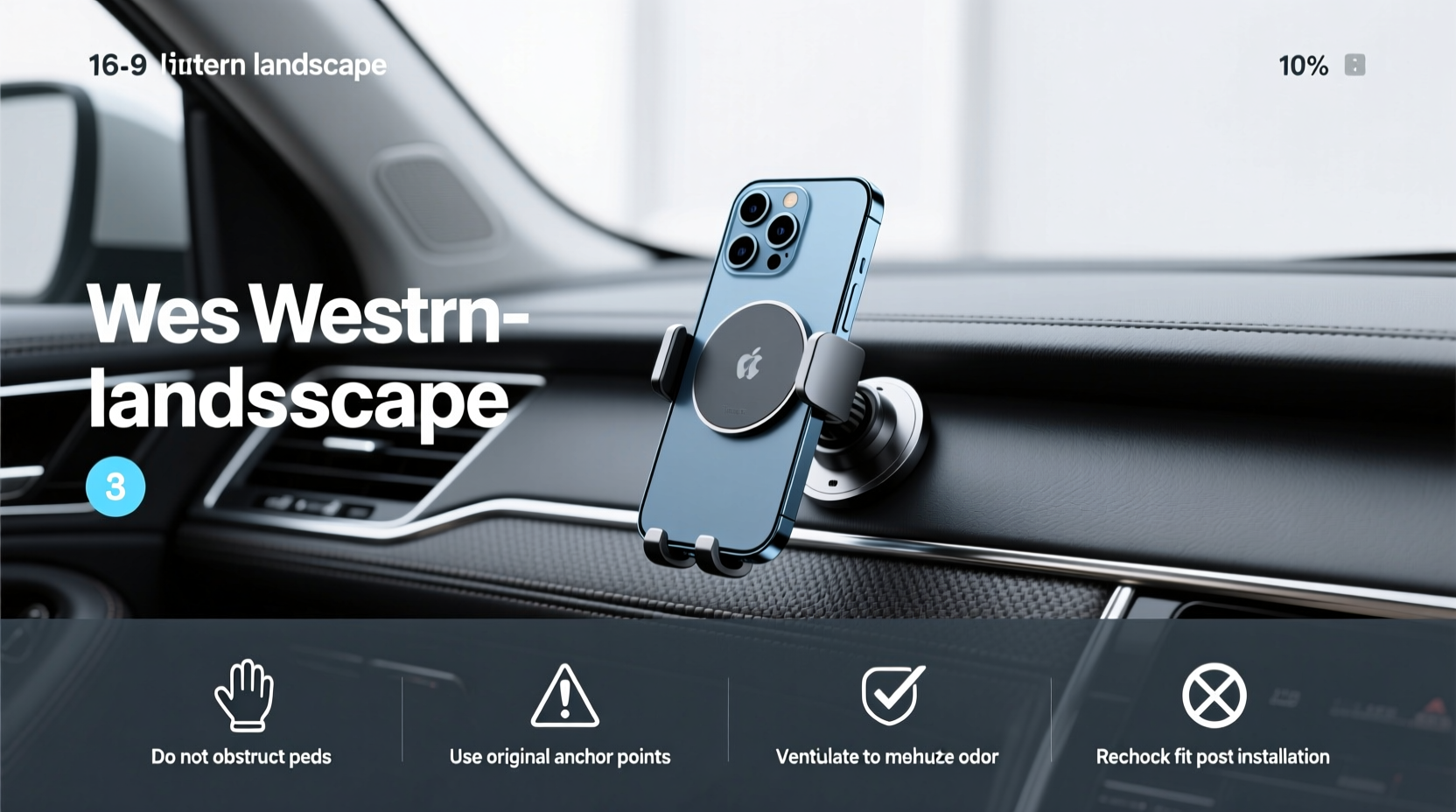
A magnet strength phone mount uses powerful rare-earth magnets (typically neodymium) to securely hold a smartphone in place via magnetic attraction between the mount and a metal plate or integrated magnetic system in the phone. These mounts are commonly used in vehicles, on bicycles, industrial equipment, or even in home offices where hands-free access is needed.
They attach to dashboards, air vents, windshields, handlebars, or desks using various clamping or adhesive systems. The core advantage lies in one-handed operation: simply bring the phone close and it snaps into place. Unlike suction cups or cradles, magnetic mounts don’t require precise alignment or manual locking.
Most models include interchangeable metal discs or adhesive rings that stick to the back of the phone or inside its case. Newer smartphones, particularly Apple’s iPhone 12 and later models, feature MagSafe technology—an array of magnets built into the device—making them naturally compatible with many high-strength magnetic mounts without additional accessories.
📈 Why Magnet Strength Phone Mount Is Gaining Popularity
The rise in demand for magnet strength phone mounts correlates with improvements in magnet technology, increased adoption of wireless charging, and changing user habits around mobile navigation and content consumption while on the move.
Drivers increasingly rely on GPS apps like Google Maps or Waze, making stable, easily accessible phone positioning essential. Magnetic mounts offer faster engagement than clip-style holders, reducing distraction during critical moments. Additionally, consumers value minimalism—magnetic solutions eliminate bulky mechanical arms and allow sleek integration with modern phone designs.
With more phones supporting Qi wireless charging, manufacturers have developed dual-function mounts combining strong magnets with charging coils. This convergence enhances convenience, especially for long commutes or ride-share drivers who need both visibility and continuous power.
Moreover, delivery personnel, field technicians, and rideshare operators often work across varied terrain where vibration resistance is crucial. High-magnet-strength mounts provide reliable retention even on bumpy roads, contributing to their growing preference over weaker alternatives.
🔧 Types and Variants
Different styles cater to specific installation preferences and vehicle types. Understanding these helps avoid mismatched purchases.
➼ Vent Mounts ⚙️
Clips onto air conditioner vents. Compact and easy to install/remove.
- Pros: No residue, portable, low profile
- Cons: Less stable on rough roads; may block airflow; not suitable for all vent types
➼ Dashboard/Windshield Mounts 📍
Uses a suction cup or adhesive pad base with an articulated arm ending in a magnetic head.
- Pros: Highly adjustable viewing angles, strong hold when properly installed
- Cons: Suction can fail in heat; adhesive pads may leave marks; protrudes more into cabin space
➼ CD Slot / Center Console Mounts 📀
Fits into unused CD player slots (now rare). Stable due to fixed depth insertion.
- Pros: Very stable, doesn't obstruct view
- Cons: Only works in older cars with CD players; limited availability
➼ Handlebar & Bicycle Mounts ✈️
Designed for motorcycles, e-bikes, scooters. Often feature weather-resistant materials and reinforced joints.
- Pros: Secure fit, vibration-resistant, outdoor durability
- Cons: Bulkier; usually higher cost; may require tool-assisted installation
➼ Wireless Charging + Magnetic Combo Units ⚡
Integrates fast Qi charging with strong magnets. Ideal for daily drivers.
- Pros: Reduces cable clutter, maintains charge during trips
- Cons: Generates heat; slower charging with thick cases; higher price point
📊 Key Features and Specifications to Evaluate
To make an informed decision in your how to choose magnet strength phone mount process, assess these technical and practical aspects:
➼ Magnetic Pull Force (Holding Strength)
Measured in kilograms or pounds. Look for at least 10 lbs (4.5 kg) for average phones. Larger or heavier phones (e.g., iPhone Pro Max, Samsung Galaxy S24 Ultra) benefit from 15–20+ lbs. Note: Advertised strength may vary based on test conditions.
➼ Phone Compatibility
Check if your phone has built-in magnets (MagSafe or equivalent). If not, you’ll need to attach a metal plate. Ensure the plate doesn’t interfere with wireless charging, NFC, or camera functionality.
➼ Mounting Mechanism Stability
Suction cups must have a release lever for resealing. Adhesive pads should be 3M-grade. Vent grips should accommodate round or flat blades. Weak bases compromise even the strongest magnet.
➼ Adjustability & Viewing Angle
Ball joints or multi-axis arms allow flexible positioning. Some include rotation locks to prevent drooping over time.
➼ Size and Clearance
Ensure the mount doesn’t block dashboard instruments, HVAC controls, or airbags. Measure available space before buying.
➼ Heat and UV Resistance
Materials like aluminum or reinforced polymers resist warping in hot climates. Avoid all-plastic constructions in sun-exposed areas.
✅ Pros and Cons
| Pros | Cons |
|---|---|
| One-handed attachment/detachment | Metal plate required for non-MagSafe phones |
| Compact design with minimal visual clutter | Potential interference with wireless charging or credit cards |
| Strong hold with proper magnet strength | May not support very large/heavy phones without sagging |
| Compatible with most phone cases | Heat buildup in enclosed mounts with charging |
| Quick transfer between vehicles | Suction failure in extreme temperatures |
📋 How to Choose Magnet Strength Phone Mount
Follow this step-by-step checklist when evaluating options for your what to look for in magnet strength phone mount decision:
Step 1: Confirm Your Phone Type
Is it MagSafe-enabled? Or does it require a metal disc? Measure thickness and weight.
Step 2: Determine Primary Use Case
City driving? Off-roading? Delivery work? Higher vibration means stronger magnets (15–20+ lbs) and sturdier arms.
Step 3: Select Mounting Location
Vent, dashboard, windshield? Each has trade-offs in stability and visibility.
Step 4: Check Dimensions
Will it block gauges or vents? Does your car have vertical vs. horizontal vent blades?
Step 5: Evaluate Total System Strength
The magnet is only part of the equation. The base, joint, and arm must also withstand stress.
❗ Red Flags to Avoid
- No published pull force data
- All-plastic construction for heavy-duty use
- Lack of rubber padding on contact surfaces
- Single-point ball joints prone to drooping
- Cheap adhesive pads not rated for automotive use
💰 Price & Market Insights
Prices range widely based on features and build quality:
- $8–$15: Basic vent or suction mounts; often lower magnet strength (<10 lbs); mixed durability reviews
- $16–$30: Mid-tier models with better materials, 10–15 lb magnets, some offering basic wireless charging
- $31–$60: Premium builds with aluminum frames, 20+ lb magnets, fast charging (15W), advanced cooling
Value isn’t always tied to price. Some $20 models outperform pricier ones due to superior joint design. Prioritize verified performance metrics over branding. Prices may vary by region and retailer—always compare specs, not just cost.
📌 Top-Seller & Competitive Analysis
Below is a comparison of common best-sellers found across major retailers (specifications may vary by model year and seller):
| Model Type | Magnet Strength | Mount Style | Wireless Charging | Price Range |
|---|---|---|---|---|
| Basic Vent Mount | 8–10 lbs | Vent Clip | No | $8–$12 |
| Universal Suction Mount | 12–15 lbs | Suction Cup + Arm | No | $15–$22 |
| MagSafe-Compatible Car Mount | 15–18 lbs (with alignment) | Vent or Suction | Yes (7.5–15W) | $25–$35 |
| High-End Rotating Charger | 20+ lbs | Suction or Pad | Yes (15W, active cooling) | $40–$60 |
Note: Always verify exact specifications from the manufacturer before purchase, as product names may be reused across different versions.
👥 Customer Feedback Synthesis
Analyzing thousands of verified buyer reviews reveals consistent patterns:
🌟 Frequent Praises:
- \"Snaps into place instantly—great for quick stops\"
- \"Held firm even on highway bumps\"
- \"Clean look compared to old clamp-style mounts\"
- \"Wireless charging works reliably with thin cases\"
❗ Common Complaints:
- \"Suction failed after two weeks in summer heat\"
- \"Charger gets too hot and slows down\"
- \"Metal plate makes phone too thick for my wallet-case combo\"
- \"Vent grip doesn’t fit flat-style air vents\"
- \"Arm slowly tilts downward over time\"
🛒 Sourcing & Supplier Tips
For individual buyers: Purchase from retailers with clear return policies and verified seller ratings. Look for listings that include detailed spec sheets, not just marketing blurbs.
For bulk buyers or resellers: Request sample units to test magnet strength and joint durability. Confirm whether packaging includes multiple metal plates or international adapters. Be cautious of third-party sellers claiming OEM compatibility without certification.
Always inspect received products for material defects, magnet alignment, and smooth articulation. Test under simulated conditions (e.g., gentle shaking) before deployment.
🧼 Maintenance, Safety & Legal Considerations
Keep the magnetic surface and phone plate clean from dust and oils to maintain grip. Wipe periodically with a dry microfiber cloth. Avoid using harsh chemicals that could degrade plastic or adhesive.
Ensure the mount does not obstruct your view of the road, windshield wipers, or instrument cluster. In many jurisdictions, placing objects on the windshield is regulated1. Check local laws before installing suction-based units.
Do not place credit cards, key fobs, or medical devices (e.g., pacemakers) near strong magnets. While modern phones are generally safe, prolonged exposure to intense magnetic fields may affect sensitive electronics.
If using wireless charging, remove thick cases or battery packs during extended sessions to reduce overheating risk.
✨ Conclusion
Choosing the right magnet strength phone mount depends on your device, environment, and usage intensity. If you drive frequently on uneven roads, prioritize mounts with 15+ lbs of pull force and robust arm construction. For MagSafe iPhone users, opt for alignment-optimized models that support wireless charging without overheating. Android users should select mounts with replaceable or adjustable metal plates to preserve case flexibility. Avoid ultra-cheap models lacking transparency in magnet strength or base durability. Ultimately, balance performance, safety, and compatibility—don’t sacrifice stability for aesthetics. When in doubt, consult manufacturer specifications and real-world testing data before purchasing.




 浙公网安备
33010002000092号
 浙B2-20120091-4