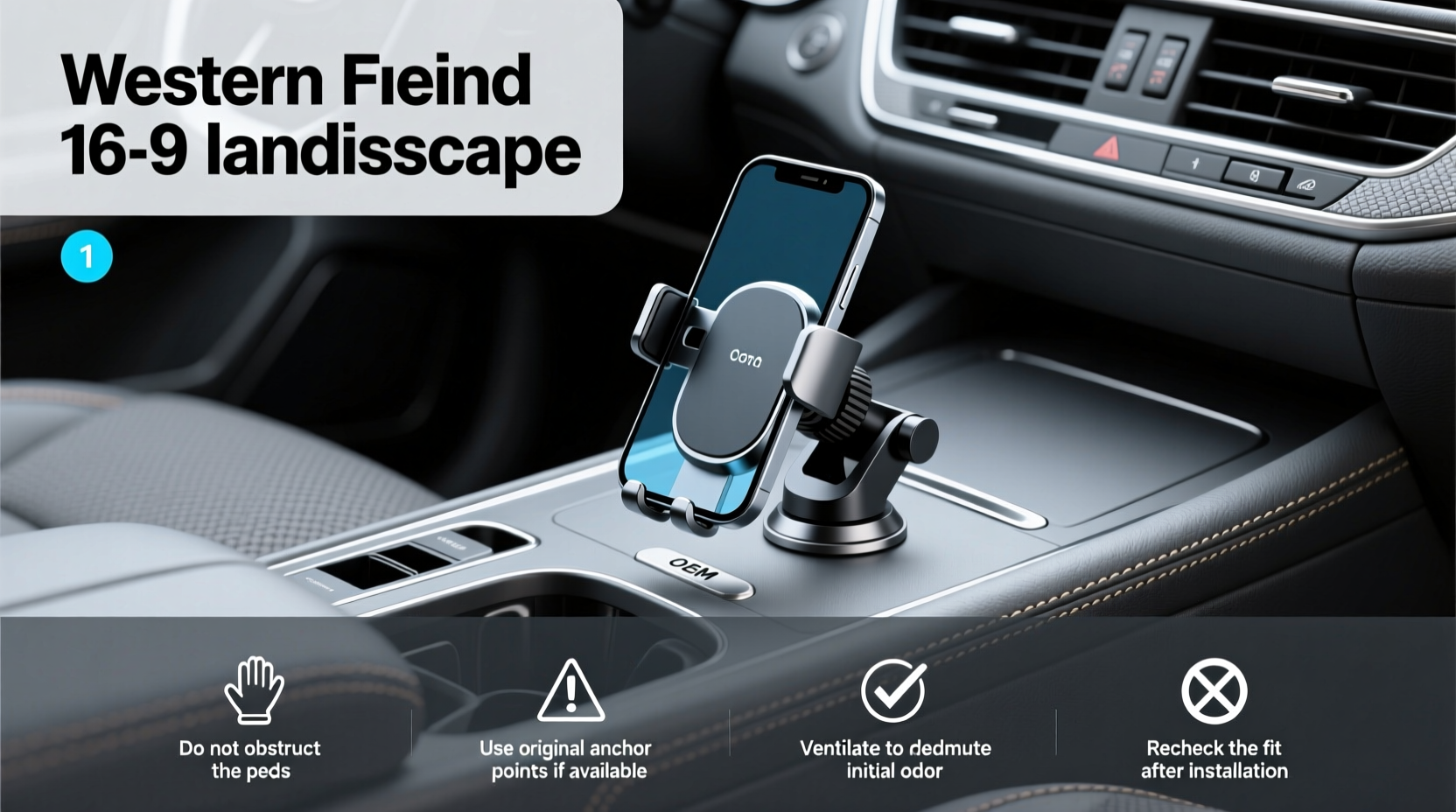
🛒 Short Introduction: What You Need to Know First
If you're wondering how to choose a magnetic car phone mount holder, start by matching the mount type to your phone setup and driving habits. Most users benefit from a vent-mounted or dashboard-mounted magnetic holder with a strong neodymium magnet (≥0.5 kg pull force) and a slim metal plate that doesn’t interfere with wireless charging. Avoid ultra-cheap models with weak adhesives or poor alignment—these often fail within weeks. Key factors include mounting stability, ease of one-handed use, compatibility with cases and charging, and whether your phone supports MagSafe (if using Apple devices). For most drivers, a mid-range model ($15–$25) with adjustable arms and secure attachment offers the best balance.
✅
Quick decision tip: If you use wireless charging daily, pick a mount compatible with thin metal plates or MagSafe alignment. If your car has curved dashboards, opt for vent or CD slot mounts instead of suction-based ones.
📍 About Magnetic Car Phone Mount Holder
A magnetic car phone mount holder uses a magnetic connection between a base unit (attached to the car) and a metal plate or ring (affixed to the phone or case) to securely hold a smartphone while driving. Unlike clip-style or cradle mounts, magnetic versions allow near-instant attachment and removal with one hand, making them ideal for frequent pickups during commutes or deliveries.
Common use cases include:
- Daily commuting with navigation apps like Google Maps or Waze
- Ride-share or food delivery drivers switching phones frequently
- Hands-free calling via Bluetooth with voice assistants
- Using dashcams or行车记录仪 that integrate with phone apps
- Travelers navigating unfamiliar areas without constant handling
The core components are the magnetic dock (mounted on dash, vent, or windshield) and the metal adapter (sticker plate, pop socket ring, or built-in MagSafe-compatible back).
📈 Why Magnetic Car Phone Mount Holder Is Gaining Popularity
Magnetic mounts have grown in popularity due to improvements in magnet strength, compact design, and seamless integration with modern smartphones. The rise of contactless interaction—especially post-2020—has increased demand for solutions that minimize touchpoints while driving.
Apple’s introduction of MagSafe technology in iPhone 12 and later models gave magnetic accessories mainstream credibility, encouraging Android manufacturers and third-party brands to adopt similar standards1. Drivers now expect fast, reliable mounting without fumbling with clips or docks.
Additionally, GPS navigation is more reliant than ever on real-time data, requiring phones to stay powered and visible. Magnetic mounts support easier access during traffic stops, parking maneuvers, or emergency rerouting—all without taking eyes off the road for long.
🔧 Types and Variants
Different mounting mechanisms suit different vehicle interiors and user preferences. Here's a breakdown of common types:
1. Vent Mount (Air Vent Clip)
Attaches to air conditioner vents using spring-loaded clips.
- Pros: No residue, easy installation, keeps phone at eye level
- Cons: May block airflow, less stable on rough roads, not all vents are compatible
2. Dashboard Mount (Adhesive Pad)
Uses a sticky pad to attach to the dashboard surface.
- Pros: Stable platform, unobstructed view, works in cars without usable vents
- Cons: Adhesive may degrade in heat, leaves residue if removed, depends on flat surface
3. Windshield Mount (Suction Cup)
Suctions directly to the windshield, often with a ball joint for angle adjustment.
- Pros: Highly adjustable, excellent visibility, strong hold when maintained
- Cons: Can obstruct view if poorly placed, may detach in extreme temperatures
4. CD Slot Mount (Less Common Now)
Fits into the unused CD player slot in older vehicles.
- Pros: Secure vertical fit, doesn’t use dash space
- Cons: Only works in cars with CD players, limited availability
5. MagSafe-Compatible Mounts (iPhone Specific)
Designed for iPhones 12+, these align precisely using built-in magnets.
- Pros: Perfect alignment, supports faster wireless charging, sleek design
- Cons: Higher cost, only optimal for MagSafe-enabled devices
⚙️ Key Features and Specifications to Evaluate
When evaluating options, consider these measurable and functional criteria:
- Magnet Strength: Measured in kilograms (kg) of pull force. Aim for ≥0.5 kg for small phones, ≥1 kg for larger models.
- Mounting Mechanism Stability: Look for rubberized grips, reinforced joints, or dual-adhesive pads.
- Adjustability: Swivel heads, extendable arms, and multi-axis rotation improve viewing angles.
- Metal Plate Design: Slim (<0.3mm), adhesive-backed plates work under most cases; avoid bulky rings that interfere with charging.
- Case Compatibility: Ensure the magnet works through your existing case thickness (ideally ≤2mm).
- Wireless Charging Support: Some mounts integrate Qi chargers—verify spacing allows efficient power transfer.
- Build Quality: Aluminum or reinforced plastic resists wear better than brittle ABS.
✨ Pros and Cons
Advantages ✅
- One-handed operation enhances safety
- Compact and low-profile compared to cradle mounts
- Quick release reduces distraction while driving
- Works across multiple devices with interchangeable plates
- Less wear on phone edges (no insertion/removal friction)
Limits & Drawbacks ❗
- Metal plate required—may void warranty or affect resale
- Potential interference with credit cards or pacemakers if stored nearby
- Weaker performance on bumpy roads unless well-designed
- Not suitable for very large or heavy phones without extra support
- Suction mounts can fail in hot climates
📋 How to Choose Magnetic Car Phone Mount Holder
Follow this step-by-step checklist to make an informed choice:
- Assess Your Phone Setup: Do you use a thick case? Need wireless charging? Is your phone MagSafe-enabled?
- Determine Mount Location: Check available spots—vent, dash, windshield—and test fit before buying.
- Check Magnet Strength: Verify manufacturer specs for pull force; avoid generic claims like “strong magnet.”
- Evaluate Attachment Method: Prefer removable options (like vent clips) if renting a car or sharing vehicles.
- Test for Interference: Place the metal plate near your wallet or medical device to ensure no magnetic disruption.
- Review Angle Adjustments: Look for 360° rotation and tilt flexibility for sun glare management.
Red Flags to Avoid 🚩
- Unclear pull force specifications
- Plastic construction with flimsy joints
- Overly thick metal adapters (>1mm)
- No anti-slip padding on contact points
- Single-point suction cups without backup adhesion
If your priority is minimalism and speed, go for a MagSafe-style vent mount. For maximum stability on long trips, choose a dashboard model with dual adhesive and metal-reinforced arms.
💰 Price & Market Insights
Prices vary significantly based on materials, brand reputation, and added features:
- Budget Tier ($8–$14): Basic vent or dash mounts with moderate magnet strength. Often lack durability but sufficient for occasional use.
- Mid-Range ($15–$25): Balanced performance with stronger magnets, better build, and wider compatibility. Best value for daily drivers.
- Premium ($26–$40+): Includes MagSafe integration, Qi charging, or advanced articulation. Justified for tech-heavy users or commercial fleets.
Price may differ by region due to import taxes or local distribution. Always compare specs—not just price—when assessing value. A $12 mount with verified 1kg pull force may outperform a $20 untested model.
📊 Top-Seller & Competitive Analysis
Popular models dominate due to consistent reliability and feature sets. Below is a comparison of representative top-selling variants (specifications may vary by retailer and region):
| Model Type | Magnet Strength | Mount Style | Charging Support | Approx. Price |
|---|---|---|---|---|
| Universal Magnetic Vent Mount | 0.8 kg | Vent Clip | No | $12 |
| MagSafe-Compatible Vent Mount | 1.2 kg (aligned) | Vent Clip | Yes (with case) | $28 |
| Dashboard Suction Mount | 1.0 kg | Adhesive + Suction | No | $19 |
| Qi Wireless Charging Mount | 0.9 kg | Dash or Vent | Yes (slower rate) | $35 |
Note: Performance depends on correct installation and environmental conditions. Always check current product details before purchase.
👥 Customer Feedback Synthesis
Based on aggregated reviews across major retail platforms, here are recurring themes:
Frequent Praises ✅
- “Easy one-touch placement” – valued by ride-share drivers
- “Stays put even on highways” – reported with high-quality adhesive or vent grips
- “Doesn’t block wireless charging” – when using ultra-thin plates
- “Clean look with no bulky arms” – aesthetic preference over traditional holders
Common Complaints ❌
- “Fell off after two weeks” – typically linked to poor surface prep or low-temp adhesive
- “Metal ring interferes with charger” – especially thicker magnetic rings
- “Blocks camera view” – improper positioning relative to driver’s line of sight
- “Scratched my dashboard” – caused by adhesive residue or sharp edges
User satisfaction correlates strongly with proper installation and realistic expectations about magnet limits.
🧰 Sourcing & Supplier Tips
Whether buying individually or in bulk, consider these sourcing guidelines:
- For Personal Use: Buy from retailers with clear return policies and verified seller ratings. Amazon, Best Buy, and authorized electronics stores often provide reliable quality control.
- For Resale or Fleet Deployment: Source from B2B suppliers like Alibaba or wholesale distributors—but request samples first. Confirm MOQ (minimum order quantity) and lead times.
- Verify Authenticity: Counterfeit magnetic mounts exist. Check packaging, holograms, and official distributor lists where applicable.
- Inspect Upon Arrival: Test magnet strength, adhesive integrity, and moving parts before deployment.
- Consider Packaging: Retail-ready packaging matters for resale; bulk packs save costs for internal use.
Always confirm compatibility with intended devices before large orders.
🧼 Maintenance, Safety & Legal Considerations
To ensure longevity and safe operation:
- Clean Surfaces Regularly: Wipe dash/vent mounts monthly to remove dust and oils that weaken grip.
- Reapply Adhesives: Replace sticky pads every 6–12 months, especially in hot climates.
- Avoid Obstructing View: Position the mount so it doesn’t block the windshield or instrument cluster—this may violate traffic laws in many regions.
- Secure Loose Cables: Use clips or ties to prevent dangling cords that could interfere with pedals.
- Check Local Regulations: Some jurisdictions restrict mounted device size or location. Verify rules via official transportation websites or legal resources in your area.
While no universal certification exists for magnetic mounts, look for RoHS compliance or CE marking as indicators of basic electrical safety (where applicable).
📌 Conclusion
Choosing the right magnetic car phone mount holder depends on your device, vehicle layout, and usage frequency. For everyday drivers, a mid-priced vent or dash mount with ≥0.8 kg pull force and a low-profile metal plate delivers reliable performance. Tech-savvy iPhone users benefit from MagSafe-compatible models that enable precise alignment and charging. Commercial drivers should prioritize robust attachment methods like dual-adhesive dash mounts to withstand constant vibration.
Regardless of budget, always verify magnet strength, test fitment, and follow installation instructions carefully. Avoid models with vague specs or poor material quality—even minor failures can become safety risks at highway speeds.
❓ FAQs
Can a magnetic mount damage my phone?
No, modern smartphones are not affected by static magnets used in mounts. However, keep magnets away from credit cards, mechanical watches, or medical devices.
Will it work with my phone case?
Most magnetic mounts work through cases up to 2mm thick. Test with your specific model or choose a mount rated for your case type.
Do I need a special plate for wireless charging?
Yes—use a thin, center-aligned metal plate. Thick or off-center plates can reduce charging efficiency or cause overheating.
Are magnetic mounts allowed by law?
Laws vary by jurisdiction. Generally allowed if the mount doesn’t obstruct the driver’s view. Check local regulations to confirm compliance.
How do I remove adhesive residue?
Use isopropyl alcohol and a microfiber cloth. Apply gently, let sit for 30 seconds, then wipe clean. Avoid abrasive tools.




 浙公网安备
33010002000092号
 浙B2-20120091-4