🛒 Short Introduction: What You Need to Know First
If you're asking how to choose magnetic car window tint, start here: these tints are best for renters, frequent travelers, or anyone avoiding permanent installation. Look for strong magnetic edges, UV protection above 99%, and a visible light transmission (VLT) that matches your local laws. Avoid ultra-thin films under 4 mil thickness—they tear easily. For daytime privacy and heat reduction, choose carbon or ceramic-infused magnetic tints. If you need temporary sun protection without adhesive residue, this is a practical solution—but always verify fit with your window size before buying.
📍 About Magnetic Car Window Tint
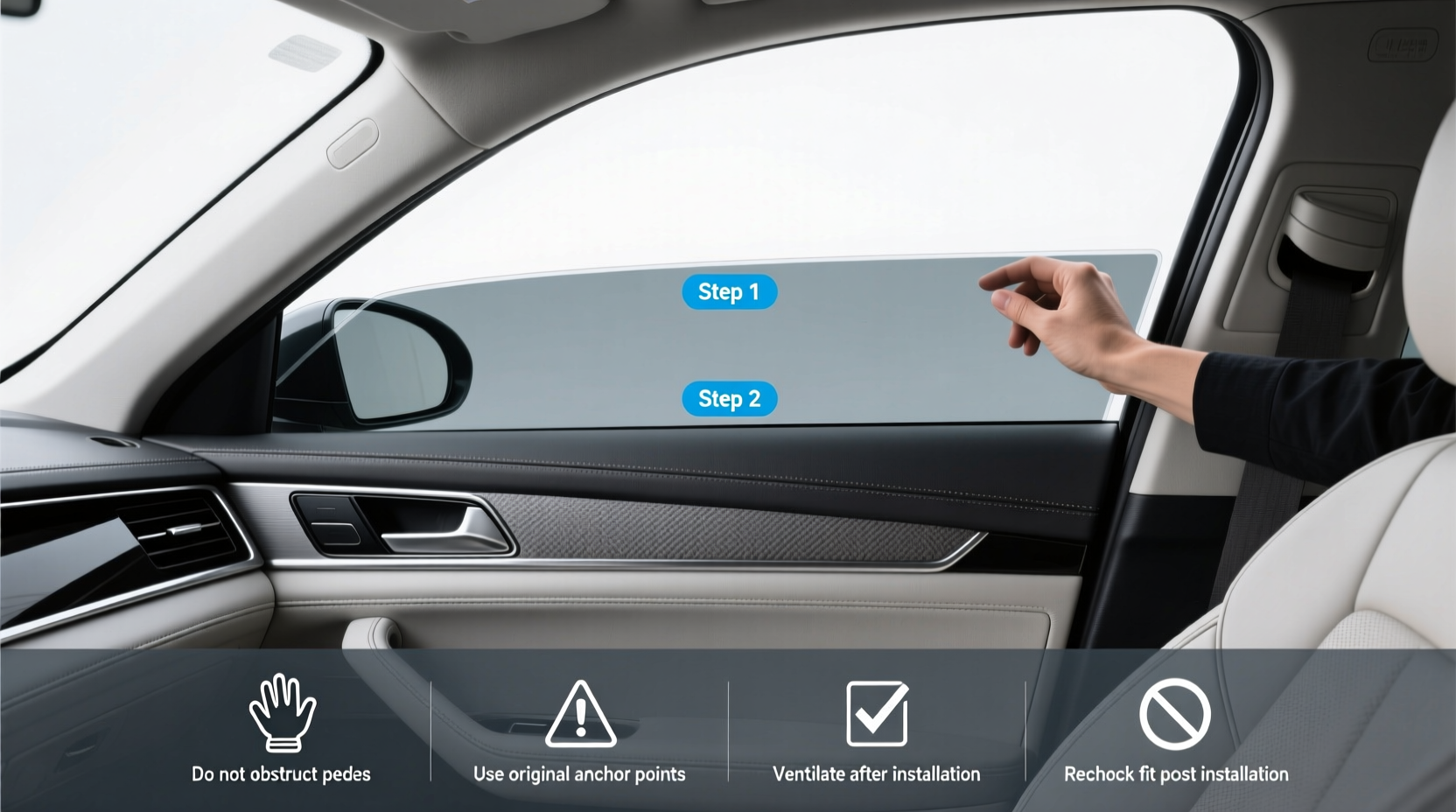
Magnetic car window tint is a removable film applied to vehicle windows using thin magnetic strips embedded along the edges. Unlike traditional tints bonded with adhesive, these rely on attraction between the film’s border magnets and a matching metal frame or strip placed inside the car window channel. They offer instant installation and removal, making them ideal for short-term use.
Common applications include rental cars, shared vehicles, leased autos, and seasonal sun protection. Some users install them on rear side windows for privacy during road trips or urban commutes. Because they don’t require professional mounting or curing time, they’re often used by individuals who lack access to garage space or tools.
📈 Why Magnetic Car Window Tint Is Gaining Popularity
Rising demand for non-permanent automotive modifications has driven interest in magnetic window solutions. With more people leasing vehicles or using rental platforms like Turo, there's growing concern about damaging interiors or violating terms through permanent tinting 1.
Additionally, digital nomads and van-lifers favor magnetic tints for flexibility. They can adapt coverage based on weather, location, or privacy needs. The ease of switching vehicles without re-tinting also appeals to fleet managers and ride-share drivers operating multiple cars.
Environmental awareness plays a role too—since no glue is used, disposal creates less chemical waste compared to adhesive-based films.
🔧 Types and Variants
Different designs serve distinct purposes. Understanding the variants helps match product type to your usage scenario.
1. Full-Panel Magnetic Tint
These cover entire windows (typically rear side or back windshield). Magnets run along all four edges.
- ✅ Pros: Maximum coverage, uniform appearance, good heat rejection
- ❗ Cons: Harder to store due to rigidity; may not fit curved glass perfectly
2. Strip-Based Magnetic Shade
Narrow panels installed only at the top of front side windows to block overhead sun while preserving visibility.
- ✅ Pros: Preserves view and VLT compliance; easy storage
- ❗ Cons: Limited privacy; minimal glare reduction from side angles
3. Hybrid Magnetic + Static Cling
Combines weak magnets on one edge with static cling technology on others. Relies partly on surface adhesion.
- ✅ Pros: Works on non-metallic window trims; lighter weight
- ❗ Cons: Less secure in high winds or vibration; prone to peeling over time
4. Custom-Fit vs. Universal Cut
Some brands offer vehicle-specific sizes, while others sell generic sheets requiring trimming.
- ✅ Custom-fit: Better alignment, cleaner look, faster install
- ❗ Universal: Cheaper but risks poor edge seal and uneven gaps
⚙️ Key Features and Specifications to Evaluate
When assessing options for what to look for in magnetic car window tint, focus on measurable traits:
- Material Type: Dyed, carbon, or ceramic layers affect heat absorption and durability. Ceramic offers best infrared blocking without signal interference.
- Thickness: Measured in mils (thousandths of an inch). Aim for 4–7 mil for durability. Below 4 mil increases tear risk.
- Magnet Strength: Strong neodymium strips hold better on bumpy roads. Weak magnets shift or fall during driving.
- Visible Light Transmission (VLT): Ranges from 5% (near-opaque) to 70%. Check local regulations before selecting dark shades.
- UV Protection: Look for ≥99% UVA/UVB blocking. Essential for skin safety and preventing interior fading.
- Signal Compatibility: Metal-based tints may interfere with GPS, phone signals, or toll transponders. Carbon or ceramic composites reduce this risk.
- Edge Sealing: Well-sealed magnetic borders prevent moisture ingress and corrosion over time.
✨ Pros and Cons
| Aspect | Advantages | Limitations |
|---|---|---|
| Installation | No tools or expertise needed; reversible in seconds | Requires clean, flat metal surface around window |
| Durability | No adhesive degradation; reusable across vehicles | Magnets weaken if bent repeatedly; film scratches easily |
| Legal Flexibility | Remove before inspection if local laws restrict tinting | May still violate rules if left on in restricted zones |
| Weather Resistance | Performs well in dry conditions | Wind lift possible at highway speeds; rain may seep edges |
📋 How to Choose Magnetic Car Window Tint
Follow this step-by-step checklist when deciding which model fits your needs:
- Determine Your Use Case: Are you seeking privacy, heat reduction, or UV protection? Long-term daily use favors thicker, ceramic-enhanced models.
- Measure Your Windows: Use a tape measure to record height and width. Compare against manufacturer dimensions—don’t assume “universal” fits all.
- Check Local Tint Laws: Even removable tints must comply when installed. Search “[your state] window tint laws” and confirm allowable VLT percentages 2.
- Evaluate Magnet Placement: Ensure your car’s window frame has enough ferrous metal for magnetic grip. Aluminum or plastic trims won’t work.
- Avoid These Red Flags:
- Products claiming “5G-safe” without technical details
- No published VLT or UV rating
- Packaging showing unrealistic darkness (e.g., pitch-black at night)
- Customer reviews mentioning magnet detachment during motion
- Test Return Policy: Buy from retailers offering at least 30-day returns in case of fitment issues.
💰 Price & Market Insights
Pricing varies significantly by size, material, and brand reputation:
- Budget Tier ($15–$30): Thin dyed films, basic magnets. Suitable for occasional use.
- Mid-Range ($30–$60): 5–6 mil carbon-infused tints with stronger magnetic edging. Best value for regular drivers.
- Premium ($60–$120+): Ceramic layers, reinforced seals, custom-fit options. Ideal for long-term or commercial use.
Note: Prices may be higher in regions with strict tint enforcement due to increased demand for removable solutions. Always compare cost per square foot for fair assessment. Be cautious of extremely low prices—these often indicate substandard materials.
📊 Top-Seller & Competitive Analysis
Popular models differ in performance and reliability. Below is a comparison of frequently purchased options:
| Model | Material | VLT % | Magnet Type | Avg. Price | Best For |
|---|---|---|---|---|---|
| Tintech MagShade Pro | Ceramic | 20% | Neodymium | $85 | Long drives, heat-heavy climates |
| AutoShield DynaTint Mag | Carbon | 35% | Ferrite | $48 | Urban commuting, moderate sun |
| SunGard Universal MagFilm | Dyed | 15% | Basic iron strip | $22 | Short-term rentals, budget users |
This table illustrates trade-offs between cost, performance, and longevity. Higher-end models justify pricing with better thermal control and structural integrity.
👥 Customer Feedback Synthesis
Analysis of verified buyer reviews reveals consistent patterns:
✅ Frequent Praises
- “Easy to install and remove—perfect for my leased SUV.”
- “Noticeable drop in cabin temperature after parking in sun.”
- “No residue or damage when removed after six months.”
- “Great for keeping prying eyes out while parked.”
❗ Common Complaints
- “Magnets came loose on rough roads.”
- “Edges lifted in heavy rain, letting water inside.”
- “Hard to fold/store without creasing the film.”
- “Too dark at night—had to remove for evening driving.”
The most recurring issue involves durability under dynamic conditions, emphasizing the importance of magnet strength and proper fit.
🔗 Sourcing & Supplier Tips
Where you buy affects quality and support:
- Online Marketplaces: Amazon, eBay offer variety but vary in authenticity. Prioritize sellers with ≥4.5-star ratings and detailed specs.
- Specialty Auto Stores: Websites like AutoAnything or CarID often carry tested brands with clearer documentation.
- Bulk Purchasing: Distributors on Alibaba may offer wholesale rates, but request samples first—quality inconsistency is common.
- Verification Steps: Before bulk orders, check sample magnet density, film clarity, and packaging labels. Confirm return eligibility and warranty terms.
🧼 Maintenance, Safety & Legal Considerations
To extend lifespan:
- Clean with microfiber cloth and ammonia-free cleaner. Alcohol-based sprays may degrade protective coatings.
- Store flat or rolled—not folded—to prevent cracks in the magnetic strip.
- Inspect monthly for delamination or weakened magnetic response.
Safety-wise, ensure the tint doesn’t obstruct emergency egress or camera views (e.g., backup sensors).
Legally, remember that removable does not mean regulation-exempt. Law enforcement typically judges based on current appearance, not intent. Always verify local window tint laws via official DMV or transportation department websites. Regulations vary by state, county, and even municipality.
📌 Conclusion
Choosing the right magnetic car window tint depends on your specific needs. If you need temporary heat and glare control without modification, opt for a mid-range carbon or ceramic model with strong neodymium magnets and verified UV protection. If you're on a tight budget and only need short-term coverage, a universal dyed film may suffice—but expect lower durability. Avoid products lacking clear technical data or those incompatible with your vehicle’s window frame material. Measure twice, confirm legality, and prioritize fit and function over aesthetics.
❓ FAQs
Can magnetic window tint damage my car’s paint or windows?
No, when installed correctly, it doesn’t contact painted surfaces and leaves no residue. However, trapped moisture between film and glass could promote mold if left for months.
Do magnetic tints block heat effectively?
Yes, especially models with carbon or ceramic layers. They reduce solar heat gain by 40–60%, though less than professionally installed ceramic films.
Will magnetic tint affect GPS or phone signals?
Most modern versions use non-conductive materials to prevent interference. However, older or metallic-coated films might weaken signals near the window.
How long do magnetic window tints last?
With proper care, 2–5 years. Exposure to extreme temperatures, frequent folding, or poor storage shortens lifespan.
Can I drive at night with magnetic tint installed?
Only if the VLT allows sufficient visibility. Darker tints (below 35% VLT) can impair night vision—remove them or choose lighter options for all-day use.




 浙公网安备
33010002000092号
 浙B2-20120091-4