🛒 Short Introduction: What You Need to Know First
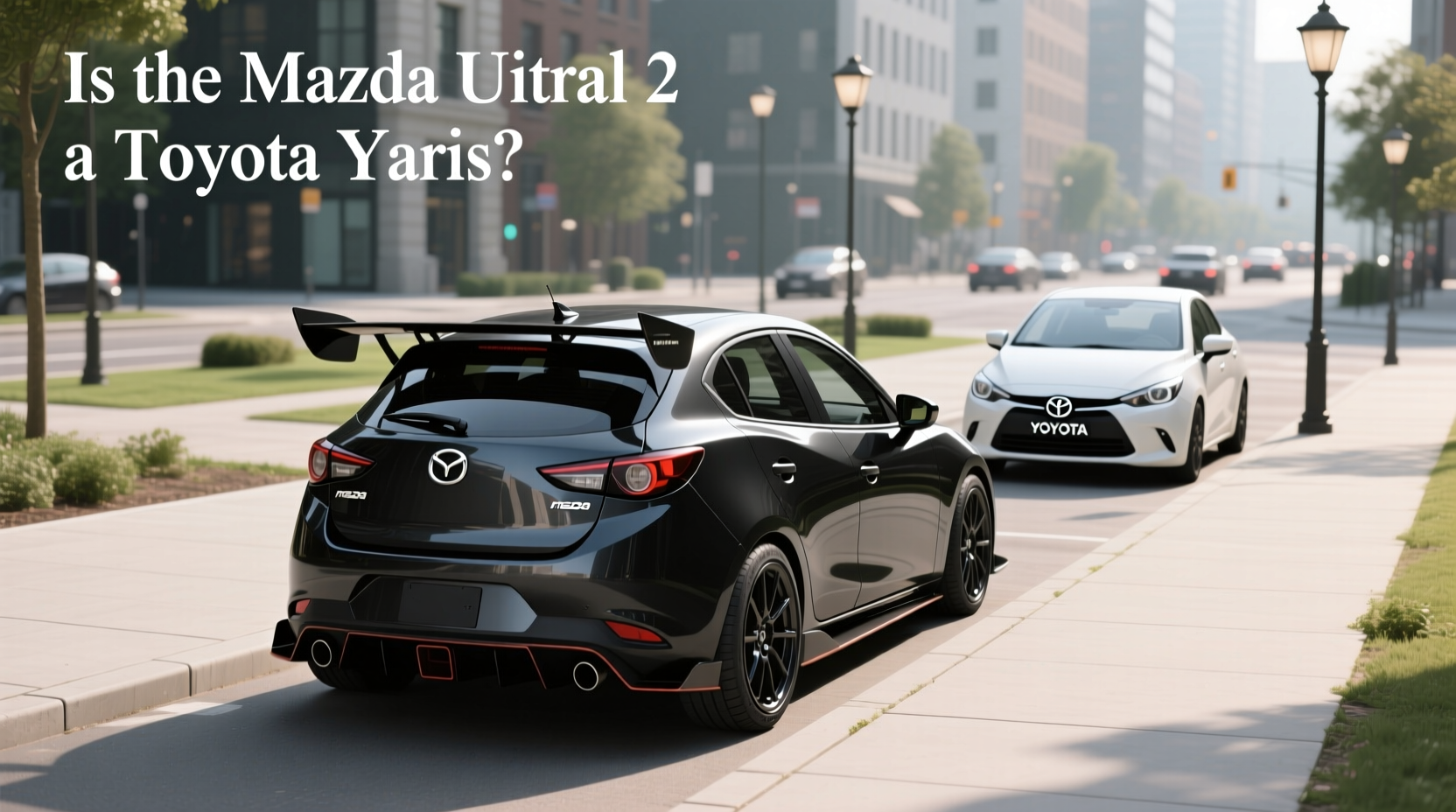
If you're asking how to choose a Mazda 2 rear wing or wondering is the Mazda 2 a Toyota Yaris?, here's the direct answer: The Mazda 2 and Toyota Yaris are built on the same platform and share many mechanical components, especially in hybrid versions—so much so that the Mazda 2 Hybrid is essentially a rebadged Yaris Hybrid 12. However, body parts like rear wings (spoilers) are not interchangeable between models or even trims without verifying fitment. When choosing a rear wing for your Mazda 2, always confirm the model year, trim level, and OEM part number—such as D07A-51-960-PZ for a 2012 Mazda 2 Sport—to ensure compatibility 3. Never assume cross-compatibility, even with shared platforms.
📍 About Mazda 2 Rear Wing & Is the Mazda 2 a Toyota Yaris?
A Mazda 2 rear wing, also known as a spoiler, is an aerodynamic component mounted on the trunk lid or hatch of the vehicle. Its primary purpose is to improve airflow over the car, potentially reducing lift and increasing high-speed stability. While often associated with sporty styling, some functional rear wings can marginally enhance fuel efficiency by reducing drag when properly designed and installed.
The question “Is the Mazda 2 a Toyota Yaris?” stems from a strategic partnership between Mazda and Toyota. Since 2020, both automakers have collaborated on subcompact vehicles under a joint development agreement. As a result, the current-generation Mazda 2 Hybrid shares its entire platform, powertrain, and core structure with the Toyota Yaris Hybrid. This makes them mechanically identical, though marketed under different brands with distinct styling cues 4.
Understanding this relationship is crucial when sourcing parts. While engines and suspensions may be interchangeable, exterior components like bumpers, grilles, and rear wings differ due to branding and design choices. Therefore, selecting the correct rear wing requires attention to Mazda-specific specifications—not assumptions based on Yaris compatibility.
📈 Why Mazda 2 Rear Wing & Platform Sharing Is Gaining Popularity
Interest in the Mazda 2 rear wing has grown among owners seeking aesthetic upgrades or improved aerodynamics. Compact cars like the Mazda 2 are popular in urban environments, where personalization and visual distinction matter. Adding a rear wing allows owners to customize their vehicle’s appearance while maintaining OEM-level quality and fit.
Meanwhile, the shared platform between the Mazda 2 and Toyota Yaris reflects broader industry trends toward cost-effective collaboration. Automakers reduce R&D expenses by co-developing platforms while tailoring branding, suspension tuning, and design elements to suit different market segments. For consumers, this means access to reliable, efficient vehicles backed by strong engineering—though at slightly different price points 5.
This partnership benefits buyers who value Toyota’s hybrid reliability but prefer Mazda’s design language. However, it also creates confusion about part interchangeability—a key pain point when replacing or upgrading exterior components like spoilers.
🔧 Types and Variants of Mazda 2 Rear Wings
Rear wings for the Mazda 2 come in several styles, each serving different purposes:
- ✨OEM Factory Spoiler: Comes pre-installed on higher trims (e.g., Sport or Grand Touring). Designed for seamless integration with factory body lines. Pros: Perfect fit, weather-sealed, maintains resale value. Cons: Limited style options.
- 🧰Aftermarket Lip Spoiler: Low-profile addition that enhances subtle sportiness. Often made from ABS plastic or urethane. Pros: Affordable, easy to install, minimal impact on weight. Cons: May lack aerodynamic benefit; quality varies by brand.
- ⚡High-Mount Wing (Large Spoiler): More aggressive design, usually seen on performance-inspired models. Typically made from fiberglass or carbon fiber. Pros: Strong visual impact, potential downforce at speed. Cons: Can increase wind noise; may require drilling during installation.
- 🌐Custom Carbon Fiber Spoiler: Premium option focused on weight reduction and aesthetics. Often hand-laid and finished. Pros: Lightweight, durable, modern look. Cons: Expensive; verify UV resistance and coating durability.
No universal standard exists across generations. A rear wing for a 2015 Mazda 2 will not fit a 2022 model without verification—even if both are labeled “Mazda 2.”
📊 Key Features and Specifications to Evaluate
When evaluating a Mazda 2 rear wing, consider these factors:
- 🔍Model Year Compatibility: Always match the wing to your exact model year (e.g., 2011–2014 vs. 2015–2019).
- 📋Trim-Level Fitment: Some trims include factory mounts; others require adhesive or brackets.
- ⚙️Material Quality: Look for UV-resistant finishes and structural integrity. Avoid brittle plastics.
- ✅Installation Method: Check whether it uses existing holes, adhesive pads, or requires drilling.
- 📌OEM Part Number: Use VIN lookup tools or consult dealership parts departments to get the exact number (e.g., D07A-51-960-PZ).
- 🌍Brand Origin: Japanese OEM parts tend to offer better long-term durability than generic imports.
For those comparing the Mazda 2 and Yaris, remember: despite shared underpinnings, rear wings are not cross-compatible. Differences in trunk lid contours, mounting points, and panel gaps make direct swaps unreliable.
✅ Pros and Cons: Who Should Buy One?
- Enhances vehicle aesthetics with sporty profile
- Potential minor improvement in highway stability
- OEM options maintain factory warranty eligibility
- Available in multiple finishes (paint-matched, black, gloss)
- Limited functional benefit for city driving
- Poorly fitted wings can rattle or leak water
- May void warranty if non-OEM parts are improperly installed
- Not all aftermarket suppliers provide weatherproof seals
Best suited for owners who want a cleaner rear-end look or are restoring a higher-trim model. Not recommended for drivers prioritizing maximum fuel economy or minimal maintenance.
🛒 How to Choose a Mazda 2 Rear Wing (Buying Guide)
Follow this step-by-step checklist to make an informed decision:
- Confirm Your Vehicle Details: Note the model year, trim, and body type (hatchback only).
- Check for Existing Mounts: Inspect the trunk lid—if there are pre-drilled holes or threaded inserts, you likely had a factory spoiler.
- Use OEM Part Numbers: Search using your VIN or known part numbers (e.g., D07A-51-960-PZ) for guaranteed compatibility.
- Avoid Assumptions Based on Platform Sharing: Even though the Mazda 2 shares a platform with the Yaris, do not assume the rear wing fits both 1.
- Evaluate Supplier Reputation: Prefer vendors specializing in Mazda parts or authorized dealers.
- Verify Return Policy: Ensure you can return the part if fitment issues arise.
Red Flags to Avoid:
- “Universal fit” claims for Mazda 2 spoilers
- Vendors who don’t ask for model year or trim
- No photos showing mounting hardware or gaskets
- Pricing significantly below OEM average (indicates counterfeit risk)
💰 Price & Market Insights
Prices vary widely depending on type and origin:
- Genuine OEM Rear Wing: $120–$250 (USD), plus shipping
- Aftermarket ABS Plastic: $60–$120
- Fiberglass or Carbon Fiber: $150–$400+
The Mazda 2 Hybrid typically carries a price premium over the mechanically identical Toyota Yaris Hybrid—around £1,500 more in the UK market 4. Similarly, OEM parts for the Mazda may cost slightly more than equivalent Toyota components, reflecting brand positioning.
Value tip: Consider buying used OEM wings from salvage yards or online forums if budget-constrained. Always inspect for cracks, fading, or misalignment before purchase.
🏆 Top-Seller & Competitive Analysis
The most commonly purchased rear wing for the Mazda 2 is the factory OEM spoiler for the 2012–2014 Sport trim. It offers balanced styling and reliable fitment.
| Product Type | Avg. Price (USD) | Fit Accuracy | Durability Rating | Ease of Install |
|---|---|---|---|---|
| Genuine Mazda OEM | $180 | ⭐⭐⭐⭐⭐ | ⭐⭐⭐⭐☆ | Easy (if mounts exist) |
| APR Performance Aftermarket | $95 | ⭐⭐⭐☆☆ | ⭐⭐⭐☆☆ | Moderate (adhesive required) |
| Uxcell Fiberglass Wing | $130 | ⭐⭐☆☆☆ | ⭐⭐☆☆☆ | Difficult (drilling likely) |
Note: Ratings based on aggregated customer feedback. Fit accuracy drops significantly when model details are mismatched.
👥 Customer Feedback Synthesis
Analysis of buyer reviews reveals consistent themes:
Common Praises:- “Perfect match for my 2013 Mazda 2 Sport—installed in 20 minutes.”
- “Paint-matched finish looked factory-fresh.”
- “Reduced rear lift sensation on highways.”
- “Ordered ‘fits all 2010–2015’—didn’t fit my base model.”
- “Adhesive failed after six months; water leaked into trunk.”
- “Carbon fiber weave was uneven; clearly low-grade material.”
The top issue remains incorrect fitment due to failure to verify model-specific requirements.
🚚 Sourcing & Supplier Tips
To source a reliable Mazda 2 rear wing:
- Use OEM Parts Websites: Try Mazdapartsdeals.com, Majco Mazda, or ToyotaPartsDeal (for platform-shared insight).
- Check Salvage Networks: Car-Part.com or PickYourPart allow VIN-based searches for used OEM parts.
- Ask for Photos: Reputable sellers should provide clear images of mounting points and condition.
- Verify Authenticity: Compare serial numbers or mold marks against known OEM patterns.
- Consider Bulk or Resale: If reselling, document provenance and test fitment first.
Always double-check shipping costs and import duties if ordering internationally.
🔧 Maintenance, Safety & Legal Considerations
Once installed:
- Inspect Seals Annually: Prevent water intrusion by checking foam gaskets or adhesive bonds.
- Watch for Vibration: Loose wings can create noise or become hazardous at high speeds.
- Comply with Local Laws: While rare, some regions regulate protruding body modifications. Verify with local DMV or transport authority.
- Don’t Modify Mounting Points: Drilling into the trunk lid may compromise structural integrity or rust resistance.
There are no federal safety certifications specifically for rear wings in most markets, but improper installation could affect crash sensor placement or trunk latch operation.
📌 Conclusion: Final Recommendations
If you’re asking how to choose a Mazda 2 rear wing or questioning is the Mazda 2 a Toyota Yaris?, start with clarity: they share a platform, but body parts aren’t interchangeable. For the best results, use genuine OEM parts matched to your specific model year and trim. Prioritize fitment over style, and avoid universal-fit claims. If you own a Mazda 2 Hybrid, recognize it’s mechanically a Yaris—but still requires Mazda-specific exterior components. When in doubt, consult a dealership parts department or use a VIN lookup tool before purchasing.
❓ FAQs
Can I use a Toyota Yaris rear wing on my Mazda 2?
No. Despite sharing a platform, the trunk lid shape, mounting points, and panel alignment differ between the Mazda 2 and Toyota Yaris. Attempting to fit a Yaris spoiler will likely result in gaps, misalignment, or water leakage.
How do I find the correct OEM part number for my Mazda 2 rear wing?
Use your Vehicle Identification Number (VIN) on official Mazda parts websites or contact a Mazda dealership service department. They can pull the exact part number based on factory build data.
Does a rear wing improve fuel efficiency on the Mazda 2?
Generally, no. Most rear wings add minor drag and weight. Any aerodynamic benefit is negligible in real-world city driving. Their primary function is visual enhancement or slight high-speed stability.
Are Mazda 2 and Toyota Yaris hybrids the same car?
Yes, the Mazda 2 Hybrid and Toyota Yaris Hybrid are built on the same platform with identical powertrains and core structures. The Mazda version features minor styling changes and often comes with upgraded interior tech or lighting.




 浙公网安备
33010002000092号
 浙B2-20120091-4