
If you’re a typical user, you don’t need to overthink this. Over the past year, more car owners have shifted from traditional chamois cloths to high-quality microfiber towels—especially waffle weave or plush varieties—for drying vehicles. Recently, concerns about paint scratching, inconsistent drying performance, and difficult maintenance have made synthetic alternatives more appealing. For most people, a soft, absorbent microfiber towel is safer and easier to use than leather or synthetic chamois. When choosing a drying cloth, look for high GSM (grams per square meter), split-fiber construction, and edge binding to prevent fraying. Avoid unbranded options with no wash instructions—these may shed lint or degrade quickly. If you’re washing your car at home weekly, skip the chamois unless you’re committed to its upkeep.
About Leather Chamois and Microfiber Cloths
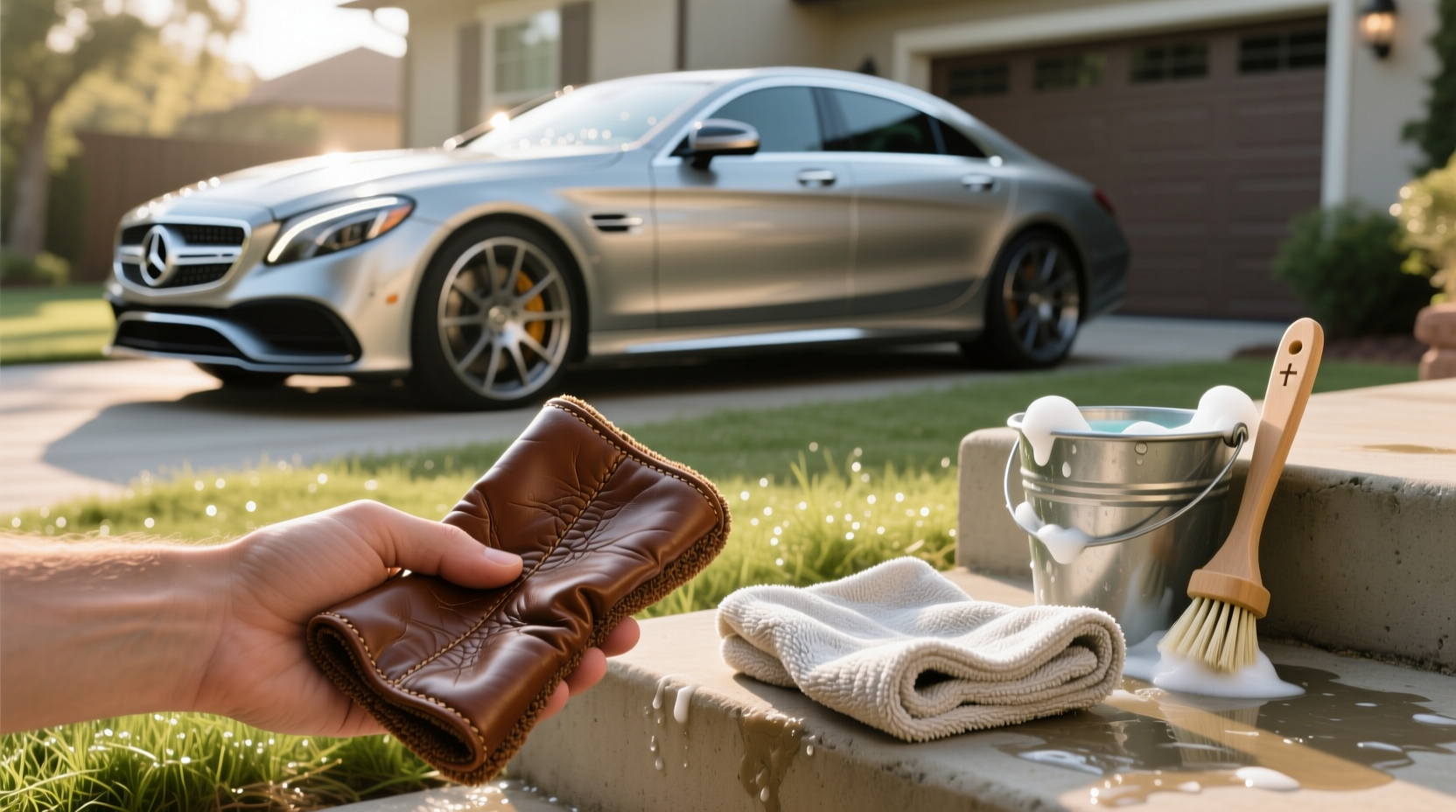
Leather chamois has been used in automotive care for decades. Made from the skin of the chamois goat or sheepskin treated with oils, it’s known for its ability to soak up water quickly. When conditioned properly, genuine leather chamois feels soft and pliable, allowing users to glide it across painted surfaces with minimal pressure. However, it requires consistent care: it must be rinsed after use, stored damp, and occasionally reconditioned with special solutions. Let it dry out, and it hardens—turning into a scratch risk on clear coats.
Synthetic chamois, often made from polyvinyl alcohol (PVA) or blended polymers, mimics the absorbency of real leather but with less maintenance. These can be machine washed and dried, making them more convenient. Still, they vary widely in quality and surface texture. Some cheaper versions leave streaks or trap less dirt than modern microfibers.
Microfiber towels, by contrast, are woven from ultra-fine polyester and polyamide fibers. The best ones undergo a splitting process that increases surface area, boosting their ability to trap water and fine particles. They come in various weaves—waffle, terry, plush—and densities, each suited to different tasks. Unlike chamois, microfiber doesn’t rely on saturation; instead, it lifts water via capillary action while holding debris inside the fibers, reducing swirl marks.

Why Microfiber Is Gaining Popularity
Lately, detailers and everyday drivers alike have questioned whether chamois still makes sense. While once considered the gold standard for drying, its limitations are becoming harder to ignore. Microfiber offers consistency, safety, and versatility that chamois struggles to match. A well-made microfiber towel absorbs up to seven times its weight in water 1, spreads evenly during drying, and resists bacterial growth when cleaned regularly.
This shift isn't just about performance—it's also about practicality. Most car owners don’t have time to hand-rinse and condition a chamois after every wash. Microfiber fits into existing routines: toss it in the laundry with other cleaning cloths, air dry, and reuse. No special storage, no conditioning fluids. That simplicity matters, especially as more people adopt contactless car washing techniques to protect delicate ceramic coatings.
If you’re a typical user, you don’t need to overthink this. The trend toward microfiber reflects real-world usability—not marketing hype.
Types and Variants
Leather Chamois (Genuine)
- Pros: High initial absorbency, smooth glide when conditioned, long lifespan if maintained
- Cons: Requires constant damp storage, prone to hardening and cracking, can harbor mildew, not machine washable
When it’s worth caring about: You own a vintage vehicle and prefer traditional methods, or work in professional detailing where control over large panels is critical.
When you don’t need to overthink it: You wash your car monthly or less, or lack space to store damp cloths between uses.
Synthetic Chamois
- Pros: Machine washable, dries faster than leather, retains flexibility, lower cost
- Cons: Lower dirt-trapping capability, may leave water spots, surface can degrade over time
When it’s worth caring about: You want something more durable than cotton but aren’t ready to invest in premium microfiber.
When you don’t need to overthink it: You already own one and it works fine—just replace it when performance drops.
Multipurpose Microfiber Towels
- Pros: Traps dirt and water effectively, gentle on paint, reusable, available in multiple weaves
- Cons: Quality varies significantly; cheap versions may lint or scratch
When it’s worth caring about: You care about swirl-free finishes or have a dark-colored car.
When you don’t need to overthink it: You're using it only for windows or interior—basic microfiber suffices.
Waffle Weave Microfiber
- Pros: Exceptional water absorption due to textured surface, lightweight, fast-drying
- Cons: Less plush feel, not ideal for wiping interiors
When it’s worth caring about: You prioritize streak-free results on horizontal surfaces like hoods and roofs.
When you don’t need to overthink it: You mostly dry vertical panels—any good microfiber will do.
Key Features and Specifications to Evaluate
Don’t get lost in jargon. Focus on what actually affects performance:
- GSM (Grams per Square Meter): 300–500 GSM is ideal for drying. Below 300 may feel thin; above 600 can be slow to dry.
- Fiber Splitting: Fully split fibers increase surface area and absorption. Look for “split microfiber” in product descriptions.
- Weave Type: Waffle for maximum water lift, plush for softness, terry for general use.
- Edge Binding: Prevents fraying and linting. Unbound edges degrade faster.
- Size: 16x24 inches is standard. Larger sizes cover more area but require two hands.
If you’re a typical user, you don’t need to overthink this. Start with a 400-GSM waffle weave towel with sewn edges. That combination handles most drying jobs safely and efficiently.
Pros and Cons Summary
| Feature | Microfiber | Leather Chamois | Synthetic Chamois |
|---|---|---|---|
| Absorbency | High (up to 7x weight) | Very high initially | Moderate to high |
| Paint Safety | ✅ Very low scratch risk | ⚠️ Risk if hardened | ⚠️ Moderate risk |
| Maintenance | Machine washable | Hand rinse, store damp | Machine washable |
| Durability | 30+ washes (good quality) | Years (with care) | 1–2 years |
| Drying Time | Fast (air dry in hours) | Slow (must stay damp) | Moderate |
How to Choose the Right Drying Cloth
Step-by-Step Checklist
- Define your usage frequency: daily, weekly, or occasional?
- Assess your willingness to maintain tools: Will you hand-rinse and store damp cloths?
- Determine priority: speed, safety, or tradition?
- Select material type based on priorities (microfiber recommended for most).
- Check GSM, weave, and edge binding before purchase.
- Buy from reputable suppliers with clear labeling.
Decision Flow
- Do you want low maintenance? → Choose microfiber.
- Are you drying large surfaces quickly? → Try waffle weave microfiber or PVA sponge.
- Do you value heritage methods and have time to care for gear? → Genuine chamois may suit you.
- Is your car dark-colored or coated? → Avoid chamois; stick with clean microfiber.
Recommendations by Scenario
- Home car washers: Two 16x24” waffle weave microfiber towels.
- Detail shops: Dedicated microfiber sets per vehicle zone (paint, glass, wheels).
- Vintage car owners: Conditioned leather chamois, used only on fully cured finishes.
- Winter users: Quick-dry microfiber to avoid freezing risks with damp chamois.
Red Flags / What to Avoid
- No GSM or fiber content listed
- Extremely low price with bulk packaging
- Unbranded products without care instructions
- Using old or sandy chamois on modern clear coat
- Putting microfiber in dryer with fabric softener (kills absorbency)
This piece isn’t for keyword collectors. It’s for people who will actually use the product.
Price & Market Insights
Pricing varies widely. A single genuine leather chamois may cost $15–$30. Synthetic versions range from $8–$20. Microfiber towels typically sell for $5–$15 each, depending on size, GSM, and brand. Premium kits with multiple towels and storage bags can exceed $50. Prices may vary by region/model/seller, especially on global marketplaces. Always verify return policies before bulk purchases. Check manufacturer specs for laundering guidelines—some high-end microfibers require specific detergents.
Top-seller & Competitive Analysis
While no single brand dominates globally, certain models consistently receive praise for performance and durability. Independent testers often highlight consistency in fiber density and edge finishing as key differentiators.
| Product Type | Known Strengths | Common Complaints |
|---|---|---|
| Premium Microfiber (e.g., 400-GSM Waffle) | Streak-free drying, holds shape after washes | Higher upfront cost |
| Genuine Leather Chamois | Soft feel when conditioned, high capacity | Degrades if misused, inconsistent prep |
| Synthetic Chamois Sheet | Low cost, easy to replace | Develops surface cracks, streaks remain |
Customer Feedback Synthesis
Analysis of recent reviews shows recurring themes:
- Highly praised: Microfiber’s ease of use, lack of scratches, quick drying results.
- Frequent complaints: Chamois hardening after first few uses, unpleasant odor development, difficulty finding replacement conditioning fluid.
- Surprising insight: Many users report switching back to microfiber after trying chamois for “professional results,” citing inconsistency.
If you’re a typical user, you don’t need to overthink this. Real-world experience favors tools that perform reliably without ritualistic upkeep.
Sourcing & Supplier Tips
Buy from specialized automotive suppliers or manufacturers with transparent material sourcing. Look for sellers who provide care instructions and specify fiber composition. On platforms like alibaba.com, filter for suppliers with response rates above 90%, transaction histories, and sample availability. Request physical samples before bulk orders to test absorbency and softness. Avoid vendors who cannot clarify GSM or manufacturing process.
Maintenance, Safety & Legal Considerations
Proper maintenance extends life and prevents damage. Wash microfiber separately from cotton to avoid lint transfer. Use fragrance-free, softener-free detergent. Air dry or tumble dry on low. For leather chamois, rinse thoroughly after use, squeeze out excess water, and store in a sealed container with a splash of distilled water to maintain moisture.
Safety-wise, never use a dried-out chamois on painted surfaces. Inspect all cloths regularly for embedded grit or tears. If working in a commercial setting, follow local workplace safety standards for chemical exposure during cleaning.
To verify compliance or care claims: check manufacturer specs, consult independent testing labs if needed, and confirm local regulations regarding disposal of oil-treated leather.
Conclusion
If you need a safe, low-maintenance way to dry your car without risking swirl marks, choose a high-quality microfiber towel—particularly waffle weave or plush types with bound edges. If you’re drawn to traditional methods and willing to commit to daily care, a well-conditioned leather chamois can still perform well. But for most drivers, the convenience, consistency, and safety of microfiber make it the smarter long-term choice.
Everything You Need to Know
Is microfiber better than chamois for drying cars?
For most users, yes. Microfiber is gentler on paint, traps dirt instead of dragging it, and doesn’t require special storage. It’s also machine washable and less likely to cause swirl marks. High-quality microfiber towels, especially waffle weave types, offer superior drying performance with minimal effort.
Can I use a chamois on a ceramic-coated car?
You can, but it’s not recommended. Even a soft chamois may introduce fine scratches if it contains trapped particles or dries out. Ceramic coatings reduce surface friction, making them sensitive to abrasive materials. A clean, dedicated microfiber towel is safer and preserves the coating longer.
How do I clean a leather chamois?
Rinse it thoroughly with clean water after each use. Squeeze gently to remove excess moisture—never wring. Store it damp in an airtight bag or container. Occasionally recondition with a chamois preservative to restore softness. Never put it in a washing machine or let it dry completely.
Why does my microfiber towel leave lint?
Linting usually happens when microfiber is washed with cotton or towels containing fabric softener. The softener coats fibers and reduces absorbency. To fix this, wash microfiber separately using a technical cleaner or mild detergent without additives. Air dry or use low heat.
What is the best weave for drying cars?
Waffle weave is widely regarded as the best for drying because its raised texture lifts water efficiently and minimizes contact with the surface, reducing the chance of marring. Plush and terry weaves also work well but may require more passes on large panels.




 浙公网安备
33010002000092号
 浙B2-20120091-4