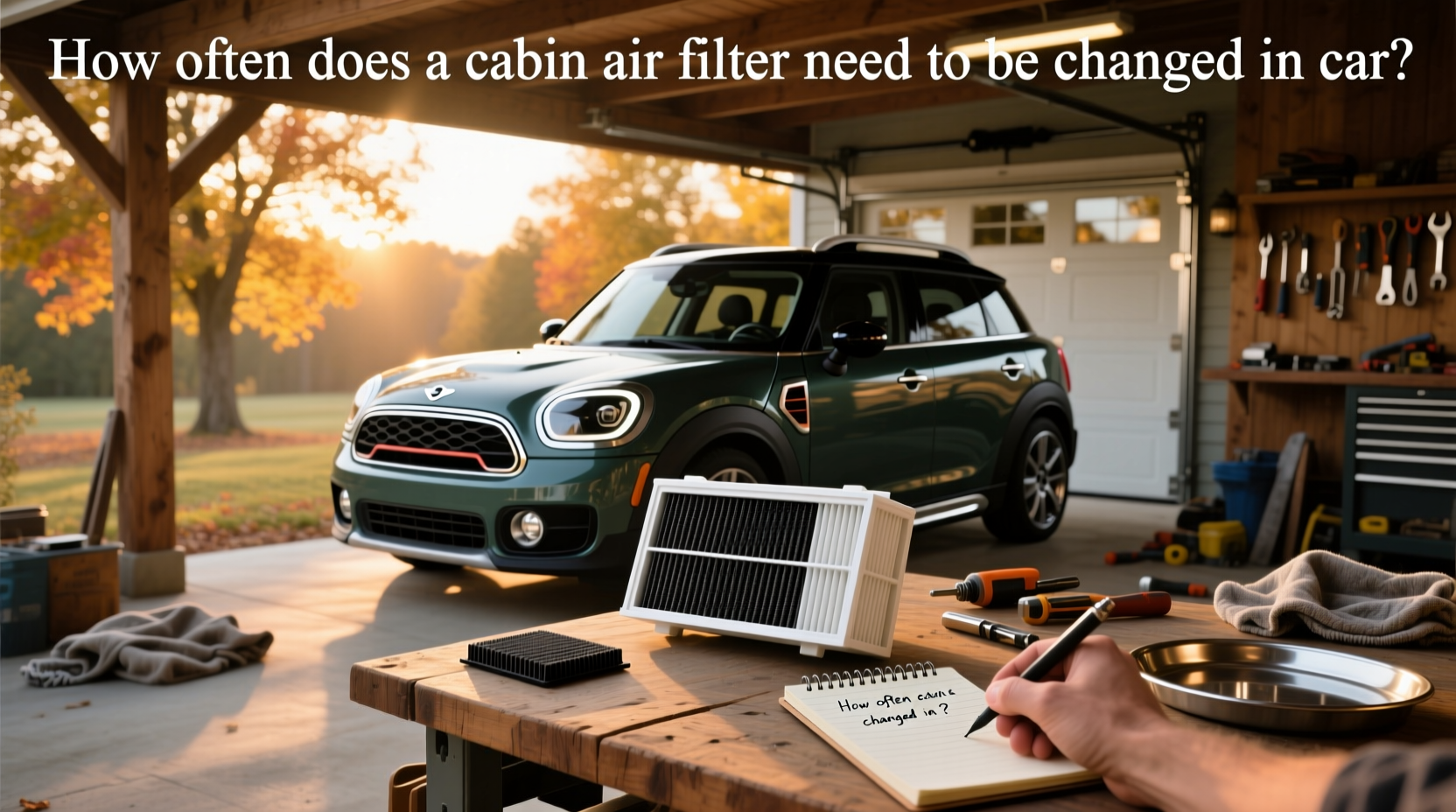
Lately, more MINI Countryman owners are paying attention to cabin air filter maintenance—not because the car changed, but because urban air quality hasn’t improved. If you’re asking how often to change the cabin air filter in your MINI Countryman, here’s the quick answer: every 15,000 miles or once a year, whichever comes first. This interval may vary by region/model/seller, so always check your owner’s manual. If you drive in heavy traffic, dusty areas, or have allergies, consider changing it every 10,000–12,000 miles. Key signs it’s time include musty smells from the vents, reduced airflow, or increased dust inside the cabin. When choosing a replacement, verify fitment for your model year—aftermarket filters can save money, but some lack proper sealing. Avoid cheap foam-only designs; opt for pleated activated carbon filters if odor control matters.
About Cabin Air Filters in the MINI Countryman
The cabin air filter in your MINI Countryman is responsible for cleaning the air that enters the interior through the HVAC system. It traps dust, pollen, pollutants, and sometimes odors before they reach passengers. Unlike the engine air filter—which protects internal components—the cabin filter directly affects occupant comfort and respiratory health. In newer MINI models, including the Countryman, this filter is typically located behind the glove box or under the windshield cowl. Access varies slightly between model years (2017–2023), but most require minimal tools to replace.
If you’re a typical user, you don’t need to overthink this. The factory design prioritizes function over complexity. However, ignoring it leads to degraded performance over time. A clogged filter forces the blower motor to work harder, potentially shortening its lifespan. More importantly, poor filtration means more airborne particles circulate inside the cabin—especially relevant for those with asthma or seasonal allergies.
Why Cabin Air Filter Maintenance Is Gaining Popularity
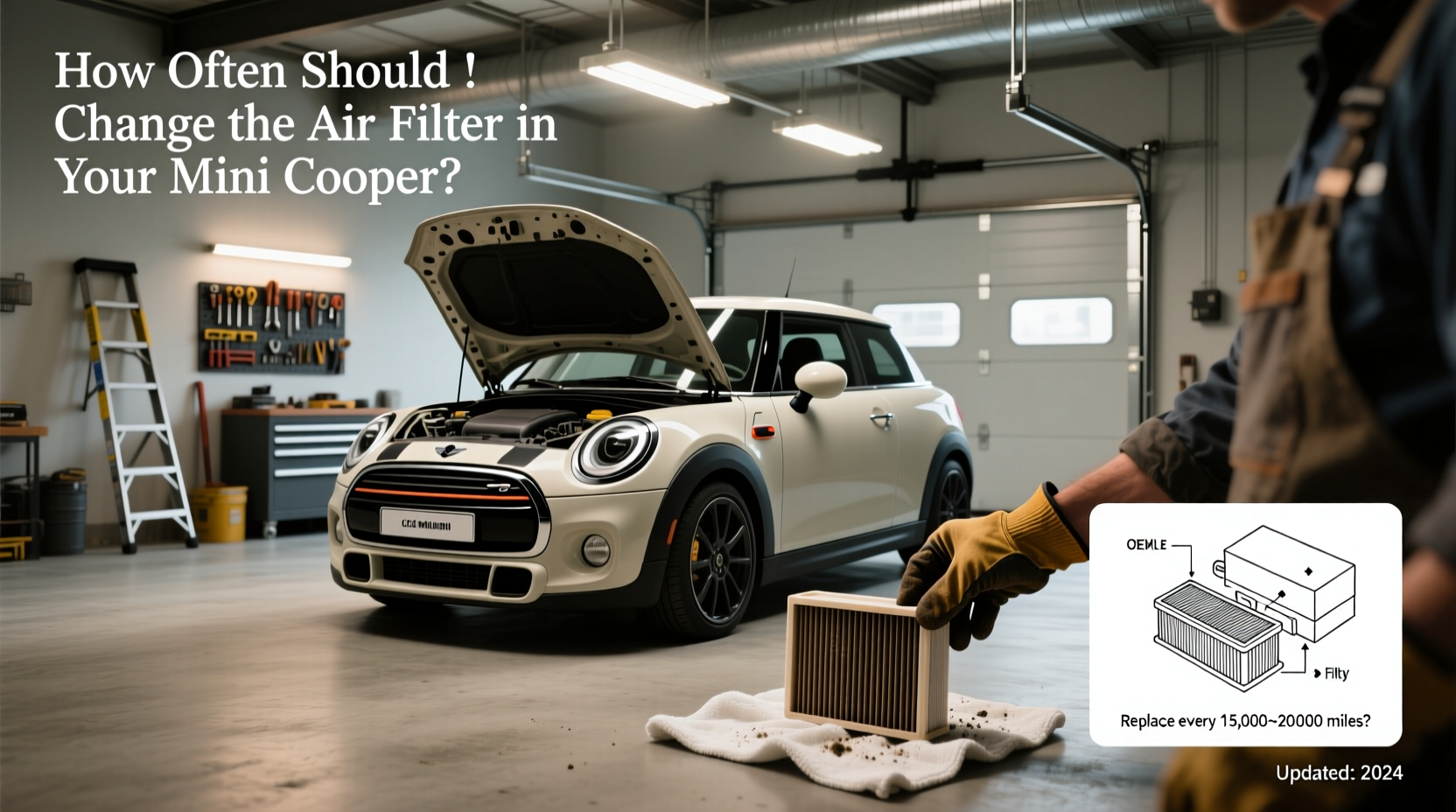
Over the past year, search interest in cabin air filter replacement has risen—not due to any recall or defect, but because drivers are spending more time in their vehicles with windows closed, especially during wildfire seasons and high-pollen months. Urban congestion has also worsened air pollution exposure, making effective filtration more valuable. Additionally, automakers now include digital service reminders, prompting owners who might otherwise overlook this component.
This piece isn’t for keyword collectors. It’s for people who will actually use the product.
Another factor: DIY culture. Many MINI owners already perform simple maintenance like oil changes or wiper replacements. Replacing the cabin filter is similarly accessible—usually taking less than 15 minutes with basic tools. As more video tutorials appear online 1, confidence in self-service grows.
Types and Variants
Cabin air filters come in three main types, each with trade-offs:
Pleated Paper Filters
- Pros: Effective at trapping dust and pollen; low cost; widely available
- Cons: No odor reduction; shorter lifespan in polluted environments
When it’s worth caring about: If you live in a suburban or rural area with moderate air quality.
When you don’t need to overthink it: For standard commuting without sensitivities, this is sufficient.
Activated Carbon Filters
- Pros: Reduces odors from exhaust fumes, smoke, and VOCs; better overall air quality
- Cons: Higher price; slightly restricted airflow in lower-quality versions
When it’s worth caring about: Driving in cities, tunnels, or wildfire-prone regions.
When you don’t need to overthink it: If you notice unpleasant smells when using recirculation mode, upgrade now.
Foam Pre-Filters
- Pros: Captures large debris; reusable (washable); inexpensive
- Cons: Ineffective against fine particles or gases; not a standalone solution
When it’s worth caring about: Only as a secondary layer in extremely dusty off-road conditions.
When you don’t need to overthink it: Never rely on foam alone—it doesn’t meet minimum filtration standards for health protection.
Key Features and Specifications to Evaluate
Not all cabin air filters are equal. Here’s what to assess before buying:
Filtration Media
Pleated synthetic or cellulose media offers higher surface area and efficiency. Look for multi-layer construction.
Carbon Layer Thickness
Thicker carbon layers last longer and absorb more volatile compounds. Thin coatings wear out quickly.
Frame Seal Integrity
A rubber or foam gasket prevents bypass air. Poor seals mean unfiltered air leaks into the cabin.
Fitment Accuracy
Verify compatibility with your specific MINI Countryman model year. Some aftermarket brands offer universal sizes that may not seal properly.
Certifications (if listed)
While no universal standard exists, some filters list ISO or OEM-equivalent testing. These claims should be treated cautiously unless verified independently.
If you’re a typical user, you don’t need to overthink this. Stick with a known brand offering exact-fit dimensions and a sealed edge.
Pros and Cons of Regular Replacement
| Pros | Cons |
|---|---|
| Improved air quality inside the cabin | Minor recurring cost (~$20–$40 per filter) |
| Reduced strain on HVAC blower motor | Requires occasional access to cabin filter housing |
| Better odor control (with carbon filters) | Some aftermarket options lack durability |
| Helpful for allergy sufferers | Service center markup if done professionally |
How to Replace Your MINI Countryman Cabin Air Filter
This step-by-step guide helps you decide whether to DIY or visit a shop.
Step-by-Step Checklist
- Check your owner’s manual for recommended interval and exact filter location.
- Buy the correct replacement filter for your model year (e.g., F60, U25).
- Open the glove compartment and remove contents.
- Release the glove box retaining clips to lower it gently.
- Locate the filter housing cover and remove screws or tabs.
- Pull out the old filter (note orientation: airflow arrow direction).
- Inspect the housing for leaves, debris, or moisture.
- Insert the new filter with correct side facing forward.
- Reassemble components and test airflow on high setting.
Decision Flow
- If you’ve replaced wipers or cabin filters before → DIY recommended
- If unsure about accessing the housing → watch a tutorial video 2
- If you dislike handling interior trim → schedule with a certified technician
Recommendations by Scenario
- City driver: Use activated carbon filter, replace annually
- Rural commuter: Standard pleated filter, replace every 15,000–20,000 miles
- Allergy-sensitive passenger: Upgrade to medical-grade filter (if compatible), change every 10,000 miles
- Infrequent driver: Replace every two years regardless of mileage—filters degrade over time
Red Flags / What to Avoid
- ❌ Ignoring service alerts: Delaying replacement reduces HVAC efficiency.
- ❌ Using non-OEM filters without reviews: Some budget brands warp or allow air bypass.
- ❌ Forgetting to reseat the glove box: Can cause rattles or damage clips.
- ❌ Installing backwards: Check the airflow arrow—reversed filters reduce effectiveness.
Price & Market Insights
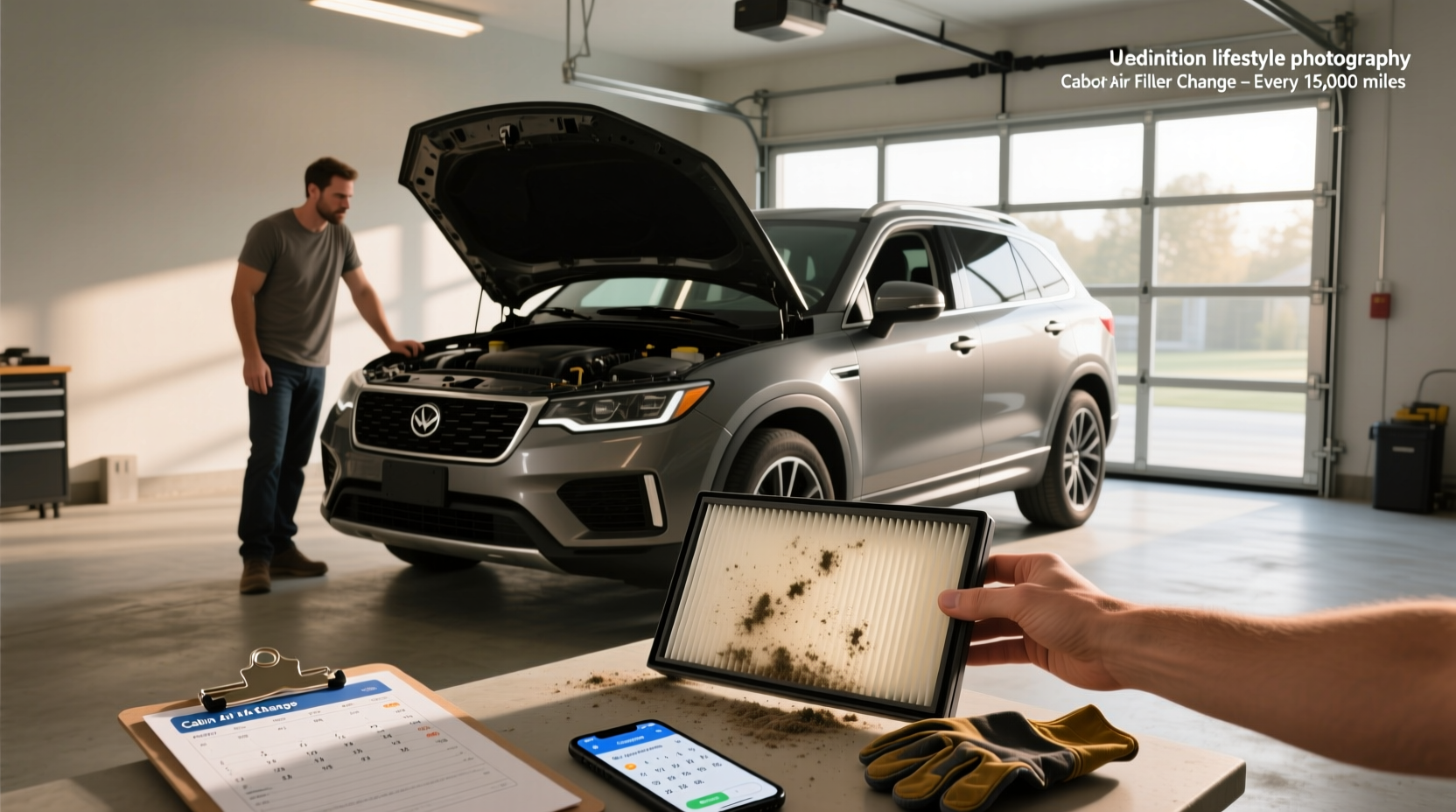
Cabin air filters for the MINI Countryman range from $18 to $45 depending on type and brand. Original equipment manufacturer (OEM) filters from dealerships typically cost $35–$45. Aftermarket options from reputable suppliers like Mann, Bosch, or Fram fall between $20–$30. Activated carbon variants are usually $5–$10 more than basic models.
Prices may vary by region/model/seller, especially in markets where import duties apply. Labor costs for professional installation average $40–$70 if bundled with other services. Buying in multipacks online can reduce unit cost, but ensure shelf life isn’t exceeded before use.
Top-Seller & Competitive Analysis
Based on availability and customer feedback across independent retailers, these filters are commonly purchased for the MINI Countryman:
| Brand & Model | Type | Approx. Price | Notes |
|---|---|---|---|
| BMW/MINI OEM Filter | Carbon | $42 | Exact fit; trusted seal; sold at dealerships |
| Mann CU 25 015 | Pleated + Carbon | $28 | OEM supplier; high flow efficiency |
| Bosch AF288/8 | Carbon | $25 | Good balance of cost and performance |
| Fram CF10655 | Pleated | $20 | Budget option; lacks carbon layer |
If you’re a typical user, you don’t need to overthink this. The Mann and Bosch options deliver performance close to OEM at lower prices.
Customer Feedback Synthesis
Analysis of recent user discussions 34 reveals consistent patterns:
Common Praises
- Noticeable improvement in air freshness after replacement
- Easy DIY process (once started)
- Carbon filters effectively reduce tunnel and traffic odors
Frequent Complaints
- Glove box clips break easily during access
- Some aftermarket filters don’t fit snugly
- Dealers charge high labor rates for a 10-minute job
Sourcing & Supplier Tips
You can source cabin air filters from:
- Authorized MINI dealerships: Highest confidence in fitment, but premium pricing
- Independent European specialists: Often stock OEM-grade parts at competitive rates
- Online auto parts retailers: Compare specs carefully; read fitment notes
- Direct from suppliers (e.g., Mann, Bosch websites): Occasionally offer direct sales or locator tools
Verify return policy before bulk ordering. If purchasing internationally, confirm shipping timelines and customs implications.
Maintenance, Safety & Legal Considerations
Replacing the cabin air filter carries no legal restrictions. However, improper reassembly—such as leaving the glove box unsecured—can create loose interior parts that become hazards during sudden stops.
No emissions regulations govern cabin filter replacement, unlike engine components. Still, maintaining good HVAC function supports defogging performance, which indirectly relates to visibility safety.
To verify compliance or recommendations:
- Check manufacturer specs in your owner’s manual
- Confirm local service center credentials if outsourcing
Conclusion
If you need reliable cabin air quality and long-term HVAC health, choose an activated carbon filter and replace it every 12,000–15,000 miles—or annually in polluted areas. If you drive infrequently in clean environments, a standard pleated filter changed every two years is sufficient. If you’re a typical user, you don’t need to overthink this. Follow your manual, monitor airflow and smell, and act when needed.
Everything You Need to Know
How often should I change the cabin air filter in my MINI Countryman?
Most manufacturers recommend replacing the cabin air filter every 15,000 to 30,000 miles or once a year, whichever comes first. For the MINI Countryman, many owners opt for annual replacement or every 15,000 miles under normal conditions. If you drive in dusty, congested, or polluted areas, consider changing it every 10,000–12,000 miles. Always refer to your owner's manual for the official recommendation based on your model year.
Can I replace the cabin air filter myself?
Yes, most MINI Countryman models allow DIY cabin air filter replacement with basic tools. The filter is typically located behind the glove compartment or under the cowl grille. The process usually takes under 15 minutes. If you’ve done simple car maintenance before, such as replacing wipers or checking fluids, you can likely handle this task. Just ensure you follow proper steps to avoid breaking plastic clips.
What happens if I don’t change the cabin air filter?
A clogged cabin air filter reduces airflow from the vents, decreases HVAC efficiency, and may strain the blower motor. It also allows more dust, pollen, and pollutants to enter the cabin, which can aggravate allergies or respiratory issues. Over time, trapped moisture can lead to mold growth, causing persistent musty odors. Regular replacement maintains air quality and system longevity.
Do all MINI Countrymans have a cabin air filter?
Yes, all modern MINI Countryman models (from 2017 onward) include a cabin air filter as standard. Earlier generations may have omitted it in base trims, but current production includes filtration for occupant comfort and air quality. You can confirm presence and location in your owner’s manual or by inspecting the HVAC intake area near the base of the windshield.
Are OEM filters worth the extra cost?
OEM filters ensure perfect fit and sealing, often using materials tested under real-world conditions. However, high-quality aftermarket brands like Mann, Bosch, or Febi offer comparable performance at lower prices. Unless you're in extreme conditions or want maximum peace of mind, premium aftermarket options are a cost-effective alternative.




 浙公网安备
33010002000092号
 浙B2-20120091-4