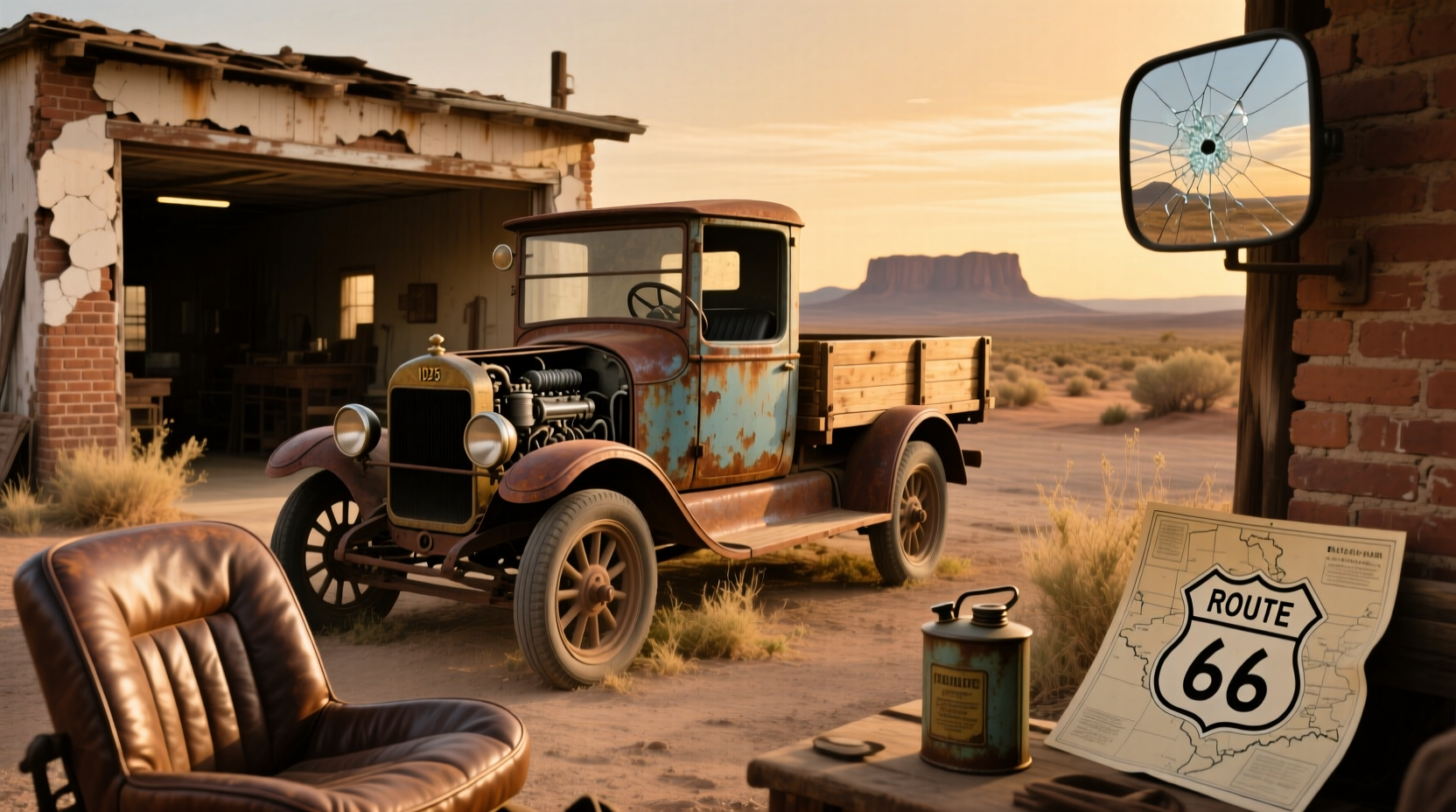
If you’re looking to buy an old pickup truck, start with this: focus on availability of parts and structural integrity, not just looks. If you’re a typical user, you don’t need to overthink this. Most vintage pickups fall into two categories — those built before 1950, often requiring full restoration, and models from the 1960s–1980s that may still be drivable with minimal work. For most buyers, a 1970s Ford F-Series or Chevrolet C10 offers the best balance of authenticity, mechanical simplicity, and aftermarket support. Avoid rust-heavy frames and unverified engine swaps — they turn manageable projects into money pits. Over the past year, interest in pre-1980 trucks has grown, driven by simpler mechanics, rising appeal of analog driving, and more accessible restoration communities online.
This piece isn’t for keyword collectors. It’s for people who will actually use the product.
About the Oldest Pickup Truck Brands
The concept of a light-duty truck evolved gradually in the early 20th century. While many companies built commercial chassis, the idea of a factory-built, integrated pickup truck aimed at individual owners began taking shape in the 1920s. The Rapid Motor Vehicle Company produced early delivery vehicles around 1902, and GMC (then General Motors Truck) introduced its first commercial truck in 1912 1. However, these were primarily commercial platforms, not consumer-focused pickups.
The REO Speed Wagon, launched in 1915, was one of the first mass-produced light trucks with a dedicated cargo bed and became known for durability in rural and industrial use. Dodge entered the market in 1924 with a model featuring an all-wood cab and body, but it still lacked a fully integrated steel design.
Ford changed the game in 1925 with the Model T Runabout with Pickup Body. This is widely recognized as the first purpose-built, mass-market pickup truck. It featured a factory-installed steel cargo bed and an adjustable tailgate, making it practical for farmers, tradespeople, and small businesses. With over 34,000 units sold in its first year, it set the template for what a modern pickup should be 2.
Chevrolet followed later, introducing light-duty pickups based on car platforms in 1931 and launching its dedicated AK series light trucks in 1940. So while multiple brands contributed to early truck development, Ford popularized the form factor that defines the pickup today.
Why Old Pickup Trucks Are Gaining Popularity
Lately, older pickup trucks have seen renewed interest, not just among collectors but also practical users. One reason is mechanical transparency. Unlike modern trucks packed with sensors, software, and complex emissions systems, pre-1980 models rely on carbureted engines, manual transmissions, and straightforward suspension setups. That means diagnostics and repairs are often doable without specialized tools or dealer access.
Another factor is customization potential. Many buyers appreciate the ability to modify engines, suspensions, or interiors without triggering check-engine lights or voiding warranties. Platforms like YouTube and enthusiast forums have lowered the barrier to entry, offering step-by-step restoration guides and sourcing tips.
There’s also a cultural shift toward owning durable, long-lasting machines. In contrast to planned obsolescence in some modern vehicles, well-maintained vintage trucks can remain functional for decades. This appeal spans age groups — younger buyers seeking affordable project cars and older owners reconnecting with vehicles from their youth.
If you’re a typical user, you don’t need to overthink this. The rise in popularity doesn’t mean every old truck is a good deal — it means more resources exist to help you make an informed choice.
Types and Variants of Old Pickup Trucks
Understanding the major categories helps narrow your search. Each era brings different trade-offs in reliability, parts availability, and usability.
Pre-1950 Trucks (e.g., Ford Model T Pickup, REO Speed Wagon)
Pros: Historical significance, unique appearance, strong collector appeal.
Cons: Extremely limited parts supply, often requires full restoration, poor braking and lighting by modern standards.
When it’s worth caring about: You’re a museum curator, historian, or aiming for show circuits.
When you don’t need to overthink it: You want a daily driver or low-maintenance weekend vehicle.
1950s–1960s Models (e.g., Ford F-100, Chevrolet Apache)
Pros: Improved engineering over earlier models, more consistent manufacturing, growing aftermarket support.
Cons: Rust remains a major issue, original engines may lack power by today’s standards.
When it’s worth caring about: You value mid-century design and are willing to invest in frame-up restoration.
When you don’t need to overthink it: You need reliable hauling capacity or frequent use in adverse conditions.
1970s–1980s Trucks (e.g., Ford F-150, Chevrolet C10, Dodge D100)
Pros: Mechanical simplicity, widespread parts availability, proven durability, many still roadworthy.
Cons: Lower fuel efficiency, minimal safety features, emissions compliance may vary by region.
When it’s worth caring about: You plan regular use, towing, or DIY modifications.
When you don’t need to overthink this: You expect modern comfort or advanced driver aids.
Key Features and Specifications to Evaluate
When assessing an old pickup, prioritize function over form. These five elements determine long-term cost and usability.
- Frame Condition: Check for rust, bends, or weld patches. A compromised frame affects alignment, safety, and resale.
- Engine Type and Modifications: Original engines are desirable for authenticity, but rebuilt V8s (e.g., small-block Chevrolet) offer better reliability. Verify if the engine matches the VIN.
- Transmission: Manual gearboxes from this era are robust, but worn synchros are common. Automatics (e.g., TH350) are durable but require fluid checks and linkage inspection.
- Bed and Cab Integrity: Wooden beds rot; steel floors rust. Inspect seams, floor pans, and door hinges closely.
- Electrical System: Pre-1970 vehicles often have 6-volt systems — upgrading to 12 volts improves lighting and starter performance.
If you’re a typical user, you don’t need to overthink this. A truck with a solid frame and running engine is easier to improve than one with hidden structural damage.
Pros and Cons of Buying an Old Pickup Truck
✅ Pros: Lower purchase price (in many markets), simpler mechanics, high customization potential, emotional connection to design and era.
❗ Cons: Higher maintenance frequency, limited safety features, possible emissions non-compliance, insurance costs may increase for modified models.
Restoration time often exceeds initial estimates. A seemingly clean exterior can hide extensive metal fatigue underneath. Conversely, a rough-looking truck with a solid frame might be a smarter investment.
How to Choose an Old Pickup Truck
Follow this checklist to avoid costly surprises.
Step-by-Step Checklist
- Define your goal: daily driver, weekend cruiser, restoration project, or investment?
- Set a budget including 20–30% for repairs and parts.
- Search locally to reduce transport risk and inspect in person.
- Inspect the frame rails, rocker panels, and firewall for rust.
- Start the engine cold — listen for knocking, smoke, or hesitation.
- Test drive to evaluate transmission shifts, brake feel, and steering response.
- Verify title status — avoid salvage or flood titles unless you know the history.
- Check for matching numbers (engine, transmission, VIN).
- Contact owner or seller with specific mechanical questions.
- Get a pre-purchase inspection from a mechanic familiar with vintage vehicles.
Decision Flow
- If you want low upkeep → consider a 1980s model with recent mechanical refresh.
- If you want authenticity → aim for a documented original or concours-grade restoration.
- If you want affordability → look at 1970s Fords or Chevys with common engine swaps.
- If you want ease of repair → prioritize models with active owner clubs and online forums.
Recommendations by Scenario
- First-time buyer: 1978–1980 Ford F-150 with 302 V8 — widely supported, simple wiring.
- Towing/light work: 1970 Chevrolet C10 with 350 V8 — strong rear axle, available manuals.
- Restoration project: 1967 Ford F-100 — clean lines, growing aftermarket.
- Collector interest: 1940s Dodge Power Wagon — rare, historically significant.
Red Flags / What to Avoid
- Rust holes in the frame or floor — repair costs can exceed vehicle value.
- Non-original wiring harnesses — fire risk and diagnostic headaches.
- Missing components (bed, doors, grille) — hard to source authentic replacements.
- Unexplained gaps in ownership history — possible theft or accident cover-up.
- Price significantly below market — usually indicates major hidden issues.
If you’re a typical user, you don’t need to overthink this. A clean title, solid frame, and running engine matter more than chrome trim or paint color.
Price & Market Insights
Pricing varies widely based on condition, location, and demand. A non-running 1970s pickup with rust may sell for under $3,000, while a professionally restored example can reach $40,000+. Regional factors play a role — dry climates preserve metal better, so trucks from the Southwest U.S. often command higher prices.
Values may vary by region/model/seller. Always check comparable sales on platforms like Bring a Trailer, Hemmings, or local classifieds. Restoration costs are often underestimated — replacing a floor pan or rebuilding an engine can add $2,000–$8,000 easily.
Top-Seller & Competitive Analysis
The most commonly found and actively traded vintage pickups are from Ford, Chevrolet, and Dodge. Their broad production runs ensure parts availability and community knowledge.
| Model | Era | Availability | Parts Support | Typical Use Case |
|---|---|---|---|---|
| Ford F-Series (F-100/F-150) | 1970s–1980s | High | Excellent | Daily driver, light hauling |
| Chevrolet C/K Series (C10) | 1960s–1980s | Very High | Excellent | Restoration, mild custom builds |
| Dodge D/W Series | 1970s–1980s | Moderate | Good | Off-road conversions, niche appeal |
| Ford Model T Pickup | 1925–1927 | Very Low | Poor | Museum, display only |
| REO Speed Wagon | 1915–1930s | Low | Poor | Historical collection |
If you’re a typical user, you don’t need to overthink this. High availability and strong parts networks reduce long-term ownership stress.
Customer Feedback Synthesis
Analysis of owner forums, auction reviews, and community discussions reveals consistent patterns.
Most Frequent Praise:
- “Simple to work on — I fixed the alternator myself in under an hour.”
- “Gets compliments everywhere — people love the classic look.”
- “Towed my boat all summer with no issues after basic tune-up.”
Most Common Complaints:
- “Bought it sight unseen — turned out the frame was rotted near the cab.”
- “Original brakes are terrifying — upgraded to disc immediately.”
- “Spend more time maintaining than driving — not for the lazy.”
This piece isn’t for keyword collectors. It’s for people who will actually use the product.
Sourcing & Supplier Tips
Buying locally reduces shipping risks and allows hands-on inspection. Attend swap meets or classic car auctions to meet experienced sellers. Online marketplaces like eBay Motors, Craigslist, and specialized sites such as ClassicCars.com offer listings, but verify photos and documentation carefully.
For parts, consider:
- OEM suppliers (e.g., Ford Classic Parts, Chevrolet Performance)
- Aftermarket specialists (Lokar, Edelbrock, Holley)
- Reproduction vendors (for trim, badges, gauges)
- Junkyards focusing on vintage trucks
Join owner clubs — they often have member-only parts exchanges and technical advice. Forums like TheHood.com or Ford-Trucks.com provide real-world troubleshooting.
Maintenance, Safety & Legal Considerations
Vintage trucks lack airbags, ABS, and stability control. Mechanical brakes, bias-ply tires, and manual steering increase stopping distances and reduce control in emergencies. Consider upgrading critical systems like brakes and lighting for safer operation.
Maintenance intervals should be shorter than modern vehicles — check fluids monthly, inspect belts and hoses regularly, and store indoors when possible to prevent moisture damage.
Legally, registration and emissions rules vary by jurisdiction. Some areas exempt vehicles over 25 years old from smog testing, while others require compliance even for classics. To verify: check state/provincial DMV websites or consult a local classic vehicle registrar.
If you’re a typical user, you don’t need to overthink this. Safety upgrades are optional but strongly advised for any truck used beyond occasional parades.
Conclusion
If you need a functional, character-rich vehicle for occasional use and enjoy hands-on maintenance, choose a 1970s–1980s Ford or Chevrolet pickup with a solid frame and documented history. If you’re after historical significance and aren’t concerned with daily usability, explore earlier models like the REO Speed Wagon or Dodge Power Wagon — but expect higher effort and cost. If you’re a typical user, you don’t need to overthink this. Prioritize condition and parts availability over rarity.
Everything You Need to Know
Ford is widely credited with producing the first mass-market, purpose-built pickup truck in 1925 — the Model T Runabout with Pickup Body. While companies like REO and Rapid Motor Vehicle Company built early commercial trucks, Ford’s integrated design and consumer focus set the standard. The brand remains a leader in pickup truck sales over a century later.
Maintenance costs depend on usage and condition. Simple mechanical systems reduce complexity, but parts for rare models can be costly. Common models like the Ford F-100 or Chevrolet C10 benefit from wide aftermarket support. Regular oil changes, brake checks, and rust prevention help control long-term expenses. Budget 10–15% of purchase price annually for upkeep if used frequently.
Yes, in most regions, provided the vehicle passes required safety and emissions inspections. Rules vary by location — some states exempt vehicles over 25 years old from emissions testing. Confirm local regulations through your motor vehicle department. Ensure lights, brakes, tires, and windshield meet current standards for roadworthiness.
Focus on frame integrity, rust levels, engine operation, and title status. Check for rust in the floor pans, rocker panels, and frame rails. Start the engine cold to detect issues. Test drive to assess transmission, steering, and brakes. Verify matching numbers and obtain service records if possible. A pre-purchase inspection by a specialist is highly recommended.
Restoration can be rewarding but rarely pays off financially. Most restorations cost more than the final resale value. However, personal satisfaction, craftsmanship, and emotional value often outweigh monetary return. If you enjoy the process and plan to keep the truck long-term, it’s a worthwhile pursuit. For profit-driven goals, consider buying a already-restored model instead.




 浙公网安备
33010002000092号
 浙B2-20120091-4