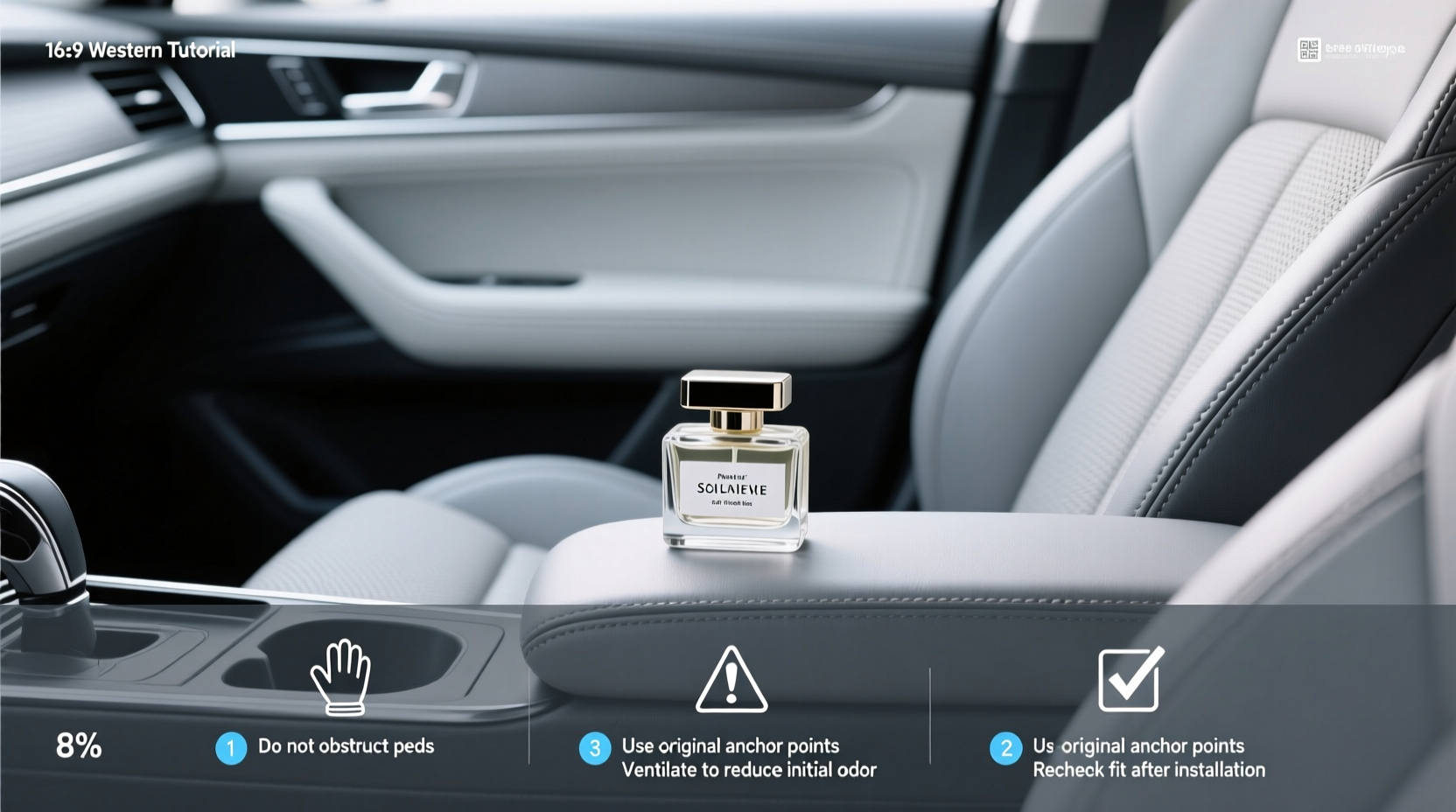
🛒 Short Introduction: What You Need to Know First
If you're trying to figure out how to choose perfume solid car air freshener flavor, start by identifying your primary use case—daily commuting, long drives, or odor masking in older vehicles. The best perfume solid car air freshener flavor for your needs balances scent longevity, material safety, and ease of placement. Look for models with natural wax or gel bases, non-toxic fragrance oils, and ventilation-friendly designs that avoid obstructing airflow. Avoid overly strong synthetic scents if you have sensitivities, and always check whether the product is heat-stable, since car interiors can exceed 140°F (60°C) in summer. Key factors like scent type (floral, citrus, woody), release mechanism, and size compatibility with your vehicle’s vents matter more than brand名气. This guide covers what to look for in perfume solid car air freshener flavor across real-world usage scenarios, helping you avoid common pitfalls such as fading performance or chemical off-gassing.
📍 About Perfume Solid Car Air Freshener Flavor
A perfume solid car air freshener flavor refers to a compact, semi-solid fragrance device designed to continuously emit scent inside a vehicle’s cabin. Unlike liquid sprays or plug-in diffusers, these products use a solid matrix—typically made from wax, gel, or porous polymer—to slowly release aromatic compounds into the air. They are commonly inserted into HVAC vents, clipped onto air registers, or placed on flat surfaces where airflow helps disperse the fragrance.
These fresheners serve multiple purposes: neutralizing odors from food, pets, or smoke; enhancing driver alertness with invigorating scents like peppermint or citrus; and creating a pleasant sensory environment during short trips or road travel. Their popularity stems from minimal maintenance, discreet design, and consistent scent output over weeks or months.
✨ Why Perfume Solid Car Air Freshener Flavor Is Gaining Popularity
Drivers increasingly seek low-maintenance, long-lasting solutions for interior air quality. Solid air fresheners meet this demand by offering extended performance without batteries, cords, or refills. Recent trends show a shift toward eco-conscious materials and naturally derived fragrances, driven by consumer awareness of indoor air pollutants1.
Additionally, urban commuters spending over 60 minutes daily in traffic turn to mood-enhancing scents like lavender (for relaxation) or eucalyptus (for focus). Solid formats reduce leakage risks compared to liquids, making them ideal for SUVs, taxis, ride-shares, and rental fleets. As automakers phase out built-in ionizers or fragrance systems, aftermarket options like solid fresheners fill the gap affordably.
🔧 Types and Variants
Different designs offer distinct advantages depending on vehicle layout and user preference:
- 🧼 Vent Clips with Solid Inserts: Small plastic housings hold a replaceable solid fragrance cartridge. Airflow through HVAC vents carries scent into the cabin.
Pros: Targeted dispersion, easy swap-out
Cons: May block small vents; limited capacity - 📦 Free-Standing Gel Pots: Contained in open-topped jars, these rely on passive evaporation.
Pros: No installation needed; works even when car is off
Cons: Spill risk if tipped; slower diffusion - 🚗 Dashboard-Mounted Wax Melts: Use ambient heat to soften wax and release fragrance.
Pros: Stronger scent throw in hot climates
Cons: Can degrade in extreme heat; may leave residue - 🔄 Refillable Diffuser Pods: Reusable shells accept new solid inserts.
Pros: Cost-effective long-term; less waste
Cons: Higher upfront cost; availability of refills varies
⚙️ Key Features and Specifications to Evaluate
When assessing how to choose perfume solid car air freshener flavor, consider these measurable attributes:
- Scent Longevity: Ranges from 2–8 weeks. Check manufacturer estimates but expect variation based on temperature and airflow.
- Fragrance Type: Categorize as floral, fruity, clean/metallic, woody, or unisex. Choose based on personal tolerance and passenger needs (e.g., avoid strong florals for allergy sufferers).
- Base Material: Beeswax, soy wax, paraffin, or synthetic gels. Natural waxes tend to burn cleaner but may cost more.
- Ventilation Design: Products with perforated lids or mesh filters control release rate better than open containers.
- Size & Fit: Ensure compatibility with your car’s vent slat width (typically 0.5–1 inch).
- Allergen & Toxin Disclosure: Look for phthalate-free, VOC-free, and IFRA-compliant labeling.
❗ Tip: Scent strength is subjective. If unsure, opt for adjustable vents or trial packs before bulk purchases.
📋 Pros and Cons
| ✅ Pros | ❌ Cons |
| Long-lasting (up to 2 months) | Limited customization once opened |
| No power or wiring required | Heat can accelerate depletion |
| Compact and portable | Potential for plastic waste (non-refillables) |
| Wide scent variety available | Some emit petrochemical-based fragrances |
| Ideal for shared or rental vehicles | May interfere with vent direction if poorly fitted |
🔍 How to Choose Perfume Solid Car Air Freshener Flavor
Follow this step-by-step checklist to make an informed decision:
- Define Your Goal: Odor elimination? Mood enhancement? Daily freshness?
- Select Scent Family: Energizing (citrus, mint), calming (lavender, chamomile), or neutral (ozone, linen).
- Check Vent Compatibility: Measure your car’s vent blades and compare with product dimensions.
- Review Ingredient List: Prioritize products disclosing essential oils or certified fragrance blends.
- Evaluate Release Mechanism: Passive diffusion suits parked cars; active airflow models work best while driving.
- Assess Heat Resistance: In hot climates, pick heat-stabilized formulas to prevent melting or rapid evaporation.
- Look for Replaceable Cores: Reduces long-term cost and environmental impact.
Red Flags to Avoid:
- No listed ingredients or safety certifications
- Overly cheap multi-packs with vague branding
- Products claiming “air purification” without HEPA or carbon filtration
- Fresheners that require direct sunlight exposure (can degrade fragrance quality)
💰 Price & Market Insights
Pricing varies significantly:
- Budget ($1–$5): Single-use gel pots or basic vent clips. Often contain synthetic fragrances and shorter lifespan.
- Mid-tier ($6–$12): Branded refillable systems with natural oils. Better build quality and scent consistency.
- Premium ($13–$20+): Luxury scent profiles (e.g., sandalwood, amber), eco-packaging, and extended duration.
Value isn’t always tied to price. Some mid-tier brands offer superior longevity per dollar. Consider cost per week of use rather than upfront price. Prices may vary by region due to import duties or distribution channels—always verify retailer return policies before ordering online.
📊 Top-Seller & Competitive Analysis
The following comparison highlights key differences among widely available models:
| Model | Scent Duration | Material Base | Refillable | Price Range |
|---|---|---|---|---|
| Basic Gel Pod (Generic) | 3–4 weeks | Synthetic gel | No | $1.50 |
| VentClip Pro Series | 6 weeks | Soy wax + polymer | Yes | $9.99 |
| EcoDrive Natural Blend | 7–8 weeks | Beeswax + essential oils | Yes | $14.50 |
| MaxScent Heavy Duty | 4 weeks | Paraffin blend | No | $3.99 |
Note: Performance claims should be verified via independent reviews or manufacturer specs. Availability depends on regional retailers and platform stock (Amazon, auto parts stores).
📈 Customer Feedback Synthesis
Based on aggregated buyer commentary across platforms:
Common Praises:
- “Lasts longer than expected in moderate temperatures.”
- “Easy to install and doesn’t rattle.”
- “Smell isn’t overpowering—good for passengers.”
- “Love that I can switch scents monthly.”
Frequent Complaints:
- “Melted in my car during July—left a sticky mess.”
- “Scent faded after two weeks despite ‘8-week’ claim.”
- “Vent clip broke after one month.”
- “Strong chemical smell at first, took days to mellow.”
This feedback underscores the importance of heat resistance, realistic longevity expectations, and build durability.
🌐 Sourcing & Supplier Tips
For individual buyers:
- Purchase from authorized dealers or well-reviewed sellers to avoid counterfeits.
- Check return windows—some retailers don’t accept used air fresheners.
For bulk buyers (fleet managers, resellers):
- Negotiate with suppliers offering OEM packaging or private labeling.
- Request samples to test scent accuracy and material integrity.
- Verify compliance with local labeling laws (e.g., California Prop 65 warnings).
Always confirm shipping conditions—excessive warehouse heat can degrade product quality pre-delivery.
⚠️ Maintenance, Safety & Legal Considerations
To maintain effectiveness and safety:
- Replace according to schedule—even if scent remains, fragrance components may degrade unevenly.
- Clean mounting areas regularly to prevent dust buildup affecting airflow.
- Keep away from children and pets; some ingredients are toxic if ingested.
- Dispose of used units per local waste guidelines (check if recyclable).
While no universal regulation governs solid air fresheners, many countries follow IFRA (International Fragrance Association) standards for safe usage levels of aroma chemicals. Manufacturers may self-certify compliance. If selling or importing, verify whether your market requires SDS (Safety Data Sheets) or ingredient disclosure. When in doubt, contact the supplier directly for documentation.
📌 Conclusion
Choosing the right perfume solid car air freshener flavor depends on matching product characteristics to your environment and priorities. If you need long-term, eco-friendly performance, opt for refillable models with natural wax bases and transparent ingredient lists. If budget is tight and usage is occasional, disposable gel pods may suffice—but monitor for melting. For sensitive individuals or families, prioritize hypoallergenic, phthalate-free options. Always assess fit, scent profile, and heat stability before committing. By focusing on functional needs over marketing claims, you’ll find a solution that enhances comfort without compromising safety or value.
❓ FAQs
Generally no, but prolonged exposure to high heat may cause softening or staining. Use indirect mounting (e.g., vent clips) when possible, especially on vinyl or leather surfaces.
Yes, though less effectively. Passive evaporation continues, but airflow from HVAC operation significantly boosts dispersion.
Some brands formulate without phenols or terpenes known to irritate animals. Check labels and consult a vet if pets spend extended time in the vehicle.
Follow local waste rules. Most go in general trash unless specified otherwise. Remove any metal parts before disposal.
Yes, using DIY kits with soy wax and essential oils. However, homemade versions lack standardized testing for heat stability and emissions—use cautiously.




 浙公网安备
33010002000092号
 浙B2-20120091-4