
Short introduction
If you’re upgrading your car’s look or fine-tuning its aerodynamics, what to look for in side skirts comes down to three things: fit accuracy, material resilience, and installation clarity. Over the past year, more drivers have opted for vehicle-specific side skirts rather than universal kits—especially as DIY installations rise but mismatched trims lead to wind noise and uneven gaps 1. For most users, ABS plastic offers the best balance of cost and durability. Polyurethane is better if you frequently drive on rough roads. Carbon fiber? Only worth it if you care about weight savings and visual precision.
If you’re a typical user, you don’t need to overthink this. Choose a model-specific kit with clear mounting instructions and avoid adhesive-only setups unless they include mechanical fasteners as backup. Universal kits may save money upfront but often require trimming, which increases error risk. If you want a clean finish without hours of test-fitting, go for pre-shaped panels designed for your make and model. This piece isn’t for keyword collectors. It’s for people who will actually use the product.
About Side Skirts
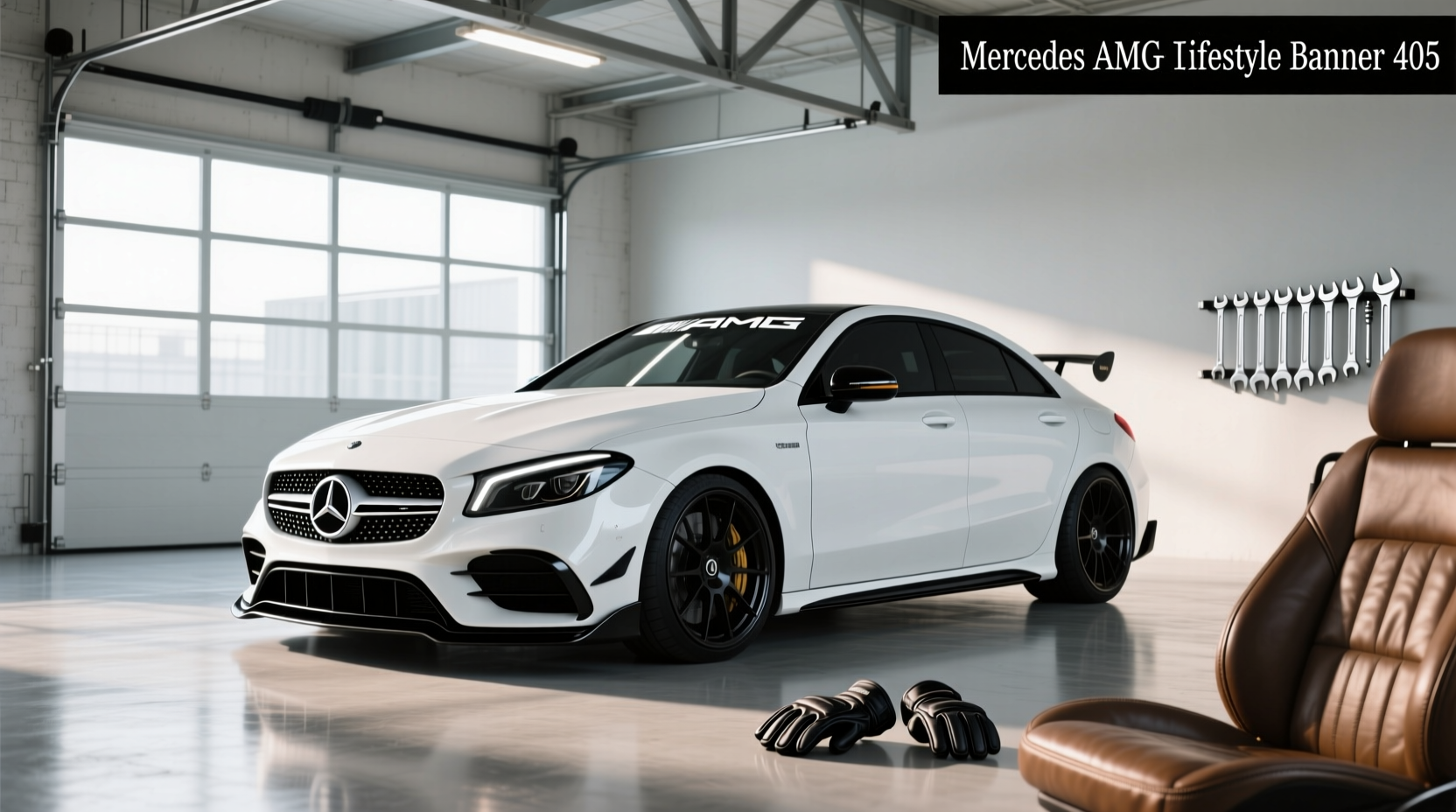
Side skirts, also known as rocker panels or side rockers, are trim pieces mounted along the lower edge of a vehicle’s body between the front and rear wheels. They serve both functional and aesthetic roles. Functionally, they reduce airflow under the car, helping manage turbulence and improve high-speed stability. Aesthetically, they give vehicles a lower, sleeker profile—often associated with sport-tuned models.
Originally common on factory performance trims or body kits, side skirts are now widely available as aftermarket add-ons. While not essential for daily driving, they fill a niche where appearance, minor aerodynamic gains, and sill protection intersect. Most modern designs attach via tape, screws, or a combination of both, requiring basic tools and moderate time investment.
Why Side Skirts Are Gaining Popularity
Lately, interest in side skirts has grown—not because of breakthrough technology, but due to shifting consumer behavior. More owners are personalizing stock vehicles instead of buying higher trims. With social media showcasing modified sedans and EVs alike, subtle enhancements like side skirts offer visible upgrades without aggressive widebody kits.
The rise of pre-painted, model-specific kits has also lowered the barrier to entry. Unlike five years ago, when buyers had to paint or heavily modify universal parts, today’s market offers bolt-on solutions that align cleanly with door edges and wheel arches. That shift reduces frustration and improves perceived value—even for non-enthusiasts.
If you’re a typical user, you don’t need to overthink this. The trend favors convenience and visual cohesion, not track-level performance. What matters now is whether the part matches your car’s lines and survives real-world conditions.
Types and Variants
Not all side skirts are created equal. The right choice depends on your priorities: longevity, ease of install, or visual impact.
Vehicle-Specific Side Skirts
- Pros: Precise fit, minimal modification, often pre-drilled for screws
- Cons: Higher cost, limited availability for older models
These are engineered for a particular make, model, and year. Because they follow factory contours, alignment issues are rare. Many come with full installation templates.
Universal Side Skirts
- Pros: Lower price, fits multiple vehicles
- Cons: Requires cutting and bending, prone to gaps, harder to seal properly
Long strips meant to be trimmed to size. Often sold in 2-meter lengths. Popular among budget-focused modifiers, but success depends heavily on skill level.
Body Kit Integrated Skirts
- Pros: Seamless design with bumpers and diffusers, cohesive styling
- Cons: Expensive, complex installation, affects serviceability
Part of a full exterior package. Best for complete visual transformation. Common on tuner builds.
Key Features and Specifications to Evaluate
When comparing options, focus on these attributes—they determine long-term satisfaction.
Material Type
ABS Plastic: Lightweight, rigid, affordable. Resists UV fading. Good for urban drivers. May crack under sharp impact.
Polyurethane (PU): Flexible, impact-resistant. Handles curb taps better. Slightly heavier. Ideal for mixed-use vehicles.
Fiberglass: Light and moldable, but brittle. Requires painting. Common in custom shops. Not recommended for winter climates.
Carbon Fiber: High strength-to-weight ratio. Premium appearance. Expensive. Real carbon requires clear coat maintenance. Beware of vinyl-wrapped imitations.
When it’s worth caring about: In regions with harsh winters or poor road conditions, material flexibility becomes critical. PU or ABS outperform fiberglass here.
When you don’t need to overthink it: If your car stays in a garage and drives mostly on highways, ABS is sufficient. If you’re a typical user, you don’t need to overthink this.
Mounting Method
Options include double-sided tape only, screw-only, or hybrid (tape + screws). Tape works well on smooth surfaces but fails in extreme heat or cold. Screws provide reliability but require drilling.
When it’s worth caring about: If you live in a place with wide temperature swings (e.g., desert summers or freezing winters), avoid tape-only systems.
When you don’t need to overthink it: Most modern kits combine 3M tape with supplemental screws. That setup balances speed and security. Just ensure the panel has reinforced mounting points.
Pros and Cons
| Aspect | Advantages | Drawbacks |
|---|---|---|
| Aesthetics | Enhances stance, gives sportier profile | Can look awkward if poorly fitted |
| Aerodynamics | Reduces underbody turbulence at highway speeds | No measurable fuel economy gain in real-world use |
| Protection | Shields door sills from gravel and curbs | Front ends vulnerable to parking scrapes |
| Resale Value | May appeal to certain buyers if OEM-matching | Can deter others if overly aggressive |
| Installation | Doable with basic tools | Misalignment leads to wind noise and water trapping |
How to Choose Side Skirts (Buying Guide)
Selecting the right side skirts isn’t just about looks—it’s about matching form to function.
Step-by-Step Checklist
- Determine your vehicle’s exact make, model, and year
- Check if model-specific kits are available
- Evaluate local road and weather conditions
- Decide on material based on durability needs
- Verify return policy in case of fitment issues
- Confirm whether painting is required
- Assess your comfort level with drilling or trimming
Decision Flow
- If you want a plug-and-play upgrade → choose vehicle-specific ABS kit
- If you’re on a tight budget and willing to modify → consider universal PU strip
- If you’re building a show car → invest in prepreg carbon fiber with gel coat
- If you drive in snow or off-road conditions → skip side skirts entirely or opt for retractable designs (rare)
Recommendations by Scenario
- City commuter: Pre-painted ABS, model-specific, tape + screw mount
- Weekend cruiser: PU or painted fiberglass, moderate profile
- Track-focused build: Full-body kit with integrated side skirts and undertray
- Renter or lease holder: Avoid permanent modifications; removable clips preferred
Red Flags / What to Avoid
- Products with no fitment chart or vehicle list
- Kits that rely solely on adhesive without screw options
- Unpainted fiberglass unless you have access to a spray booth
- Vendors that don’t provide contactable customer support
- Claims of "improved fuel efficiency"—this is negligible in practice
If you’re a typical user, you don’t need to overthink this. Focus on fit, finish, and fastening. Everything else is secondary.
Price & Market Insights
Prices vary significantly based on material, fit type, and region. Entry-level universal ABS kits start around $30–$50. Model-specific sets range from $80 to $200. Full carbon fiber packages can exceed $600.
Regional differences affect availability and cost. In markets with strong tuning cultures (e.g., Japan, Germany, Gulf countries), OEM-style options are more common. In others, universal kits dominate due to import flexibility.
Note: Labor costs for professional installation typically double the part price. Always verify retailer return policy—fitment disputes are common and may not be covered.
Top-Seller & Competitive Analysis
Leading brands like Maxton Design and CSR-Automotive emphasize precise engineering and clean aesthetics. Their products often feature reinforced mounting zones and UV-stable finishes.
| Brand | Fit Type | Material | Key Strength | Limitation |
|---|---|---|---|---|
| Maxton Design | Model-specific | ABS / Carbon | Precision molding | Limited model coverage |
| CSR-Automotive | Model-specific | ABS / PU | Broad vehicle support | Inconsistent packaging |
| gernie (generic) | Universal | ABS | Low cost, glossy finish | Requires trimming |
| APR Performance | Integrated kit | Carbon / ABS | Race-proven design | High price, complex install |
If you’re a typical user, you don’t need to overthink this. Prioritize fit over brand name. A lesser-known supplier with accurate templates beats a famous label with vague specs.
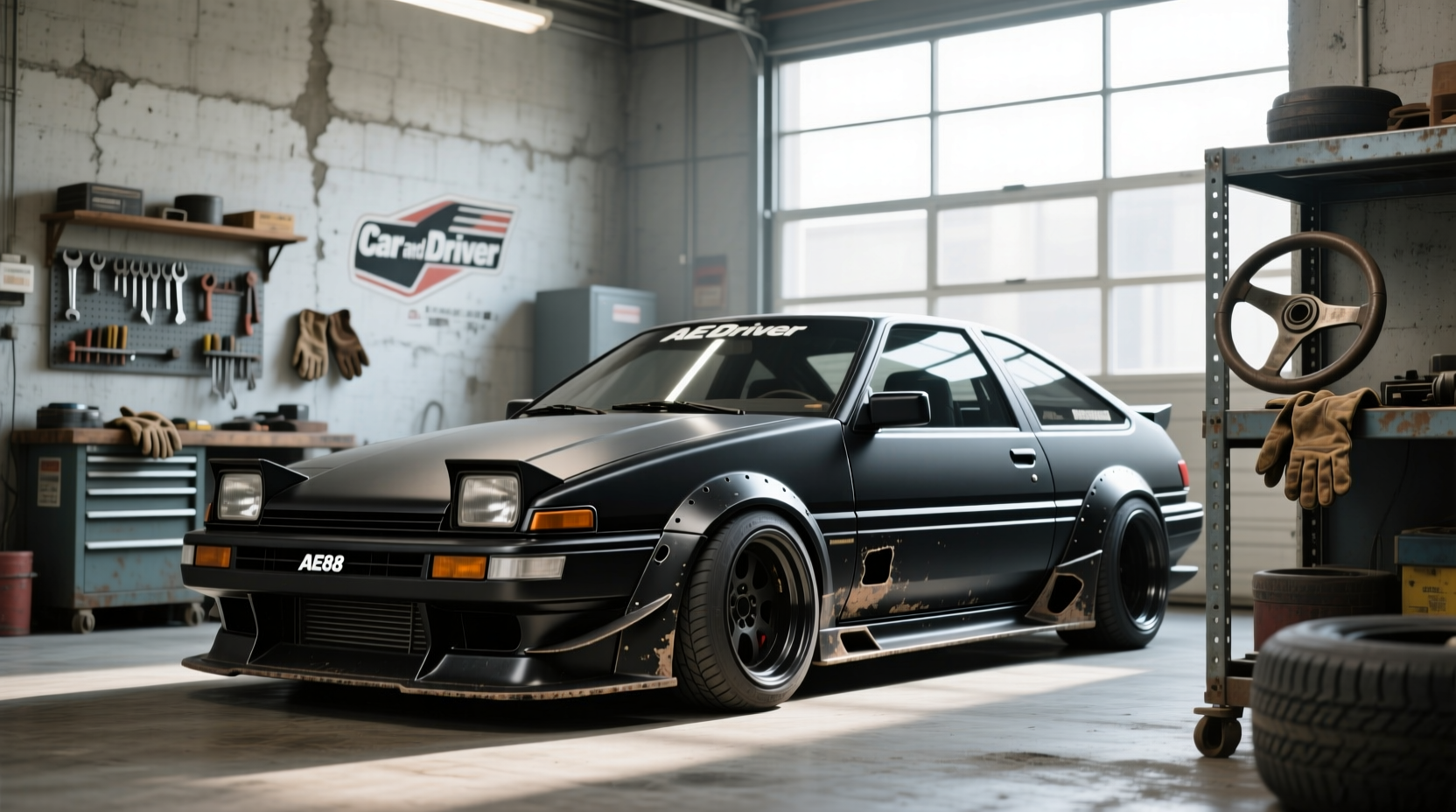
Customer Feedback Synthesis
Analyzing hundreds of verified reviews reveals consistent patterns.
Most Frequent Praise
- “Instantly made my sedan look more premium”
- “Easy to install with basic tools”
- “No wind noise after proper taping”
- “Survived winter salt and curb scrapes”
Common Complaints
- “Front edge lifted after six months” (tape failure)
- “Had to trim 6 inches off each side” (universal kit issue)
- “Paint didn’t match my factory color”
- “Screws stripped during installation”
The biggest pain point? Poor initial adhesion leading to flapping at speed. Solutions include surface degreasing and using supplemental clips.
Sourcing & Supplier Tips
Where you buy matters as much as what you buy.
- Choose suppliers that provide dimensional drawings or CAD files
- Look for sellers offering sample photos from real customers
- Avoid listings with stock images only
- Contact support before ordering to confirm fit
- Use platforms with buyer protection and return windows
If specifications seem too generic, assume the fit will be approximate. This piece isn’t for keyword collectors. It’s for people who will actually use the product.
Maintenance, Safety & Legal Considerations
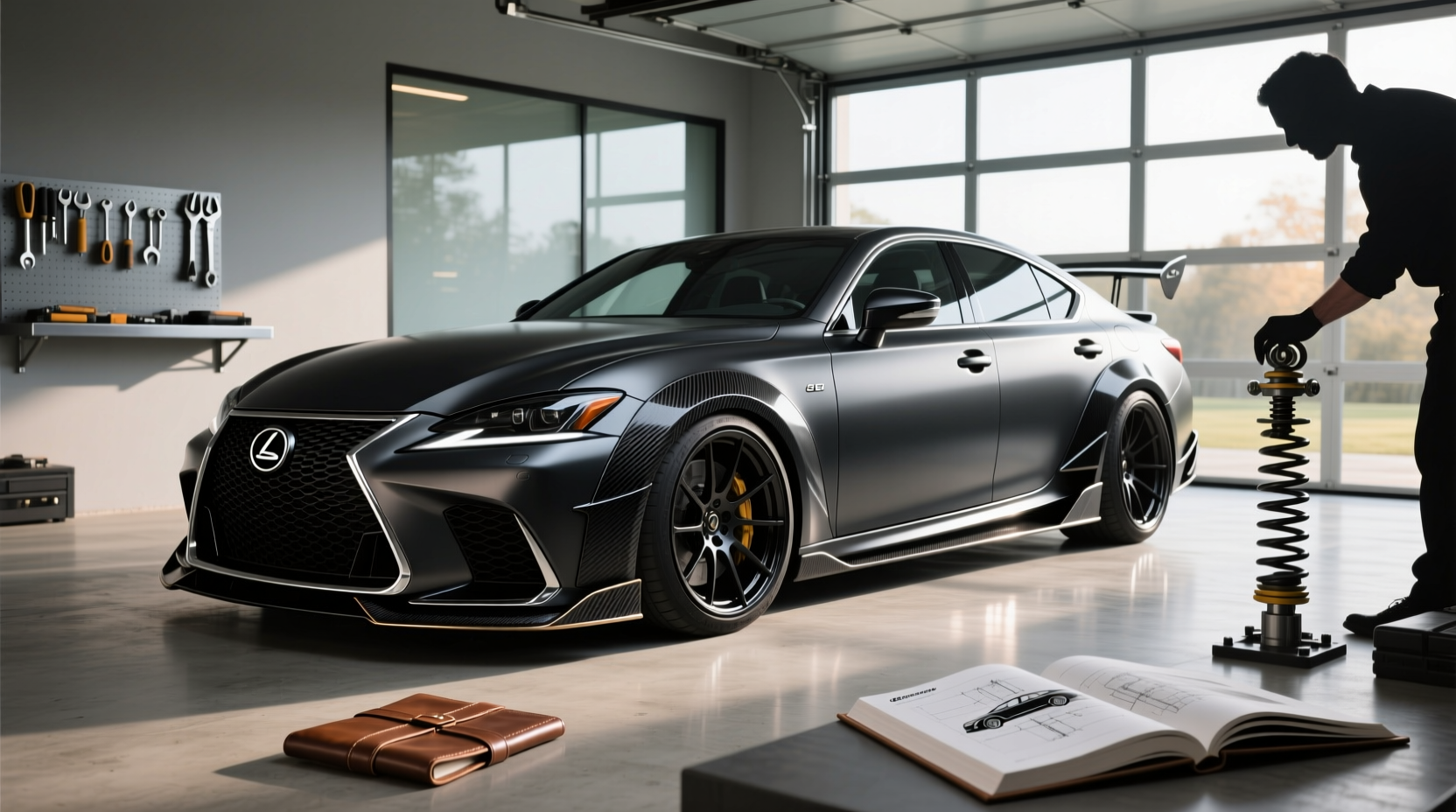
Side skirts are low-maintenance but not zero-maintenance.
- Clean regularly to prevent grime buildup that accelerates degradation
- Inspect mounting points every six months, especially after winter
- Repair cracks early to avoid moisture ingress
- Ensure ground clearance isn’t compromised—some designs scrape on steep driveways
Safety-wise, loose panels can detach at speed. Always double-check fasteners post-installation.
Legality varies by jurisdiction. Some regions classify excessively low add-ons as obstruction hazards. Verify local regulations through municipal transport departments—not online forums.
Conclusion
If you want improved aesthetics and modest protection, side skirts are a reasonable upgrade. If you need actual aerodynamic gains, they’re insufficient alone. For most drivers, a model-specific ABS or PU set offers the best compromise.
If you’re a typical user, you don’t need to overthink this. Choose based on fit, not hype. Prioritize secure mounting and realistic expectations. Done right, side skirts enhance presence without compromising practicality.





 浙公网安备
33010002000092号
浙公网安备
33010002000092号 浙B2-20120091-4