Spoiler vs Wing for Hatchback: What to Look For
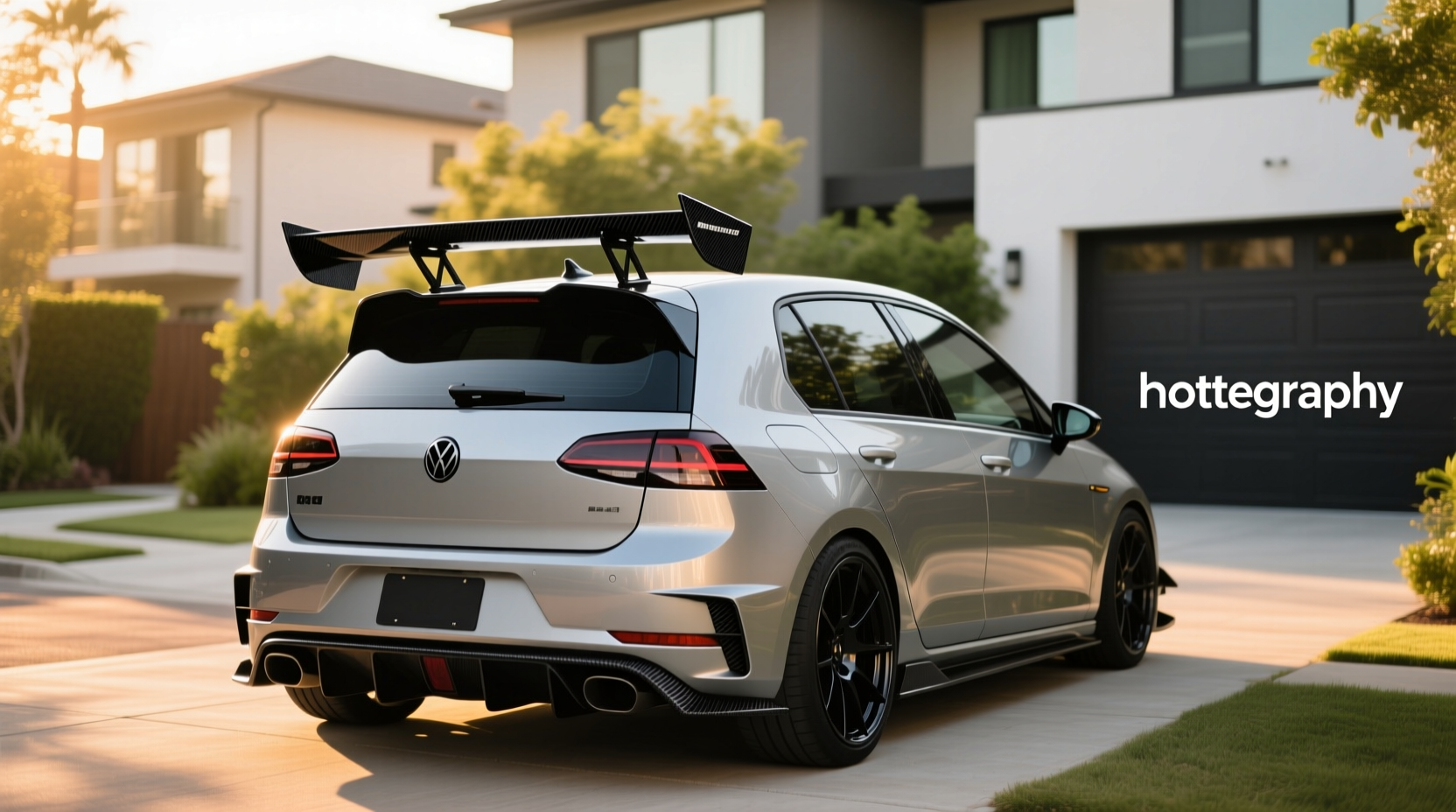
If you’re a typical hatchback driver focused on daily comfort and subtle style, a rear spoiler—not a large wing—is the better choice. Over the past year, more compact car owners have opted for integrated lip or ducktail spoilers because they improve airflow without increasing drag. If you’re not tracking your car or pushing high-speed corners, you don’t need to overthink this. When choosing how to upgrade your hatchback’s rear end, look for proper fitment, material durability (ABS plastic or carbon fiber), and whether the design disrupts turbulence or creates unnecessary wind resistance. Avoid pedestal-mounted wings unless you frequently drive aggressively on open roads or circuits—they add weight, reduce fuel economy, and rarely deliver measurable grip gains in city driving.
About Spoiler and Wing
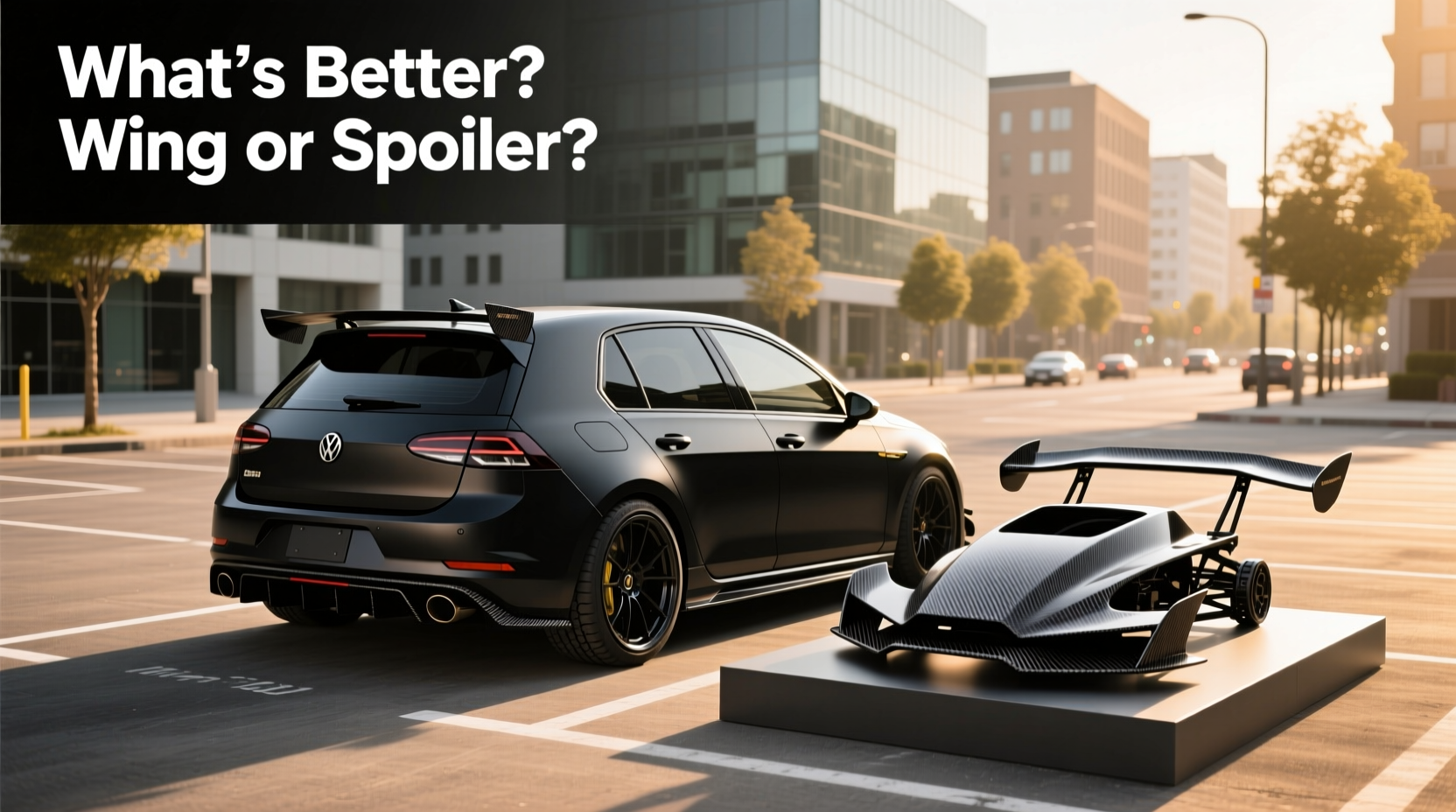
The terms “spoiler” and “wing” are often used interchangeably, but they serve different aerodynamic functions. A spoiler is attached directly to the trunk or hatch and works by disrupting the airflow that rolls over the rear of the vehicle. This disruption reduces lift and drag, improving stability at highway speeds. It’s essentially a passive device that manages existing airflow.
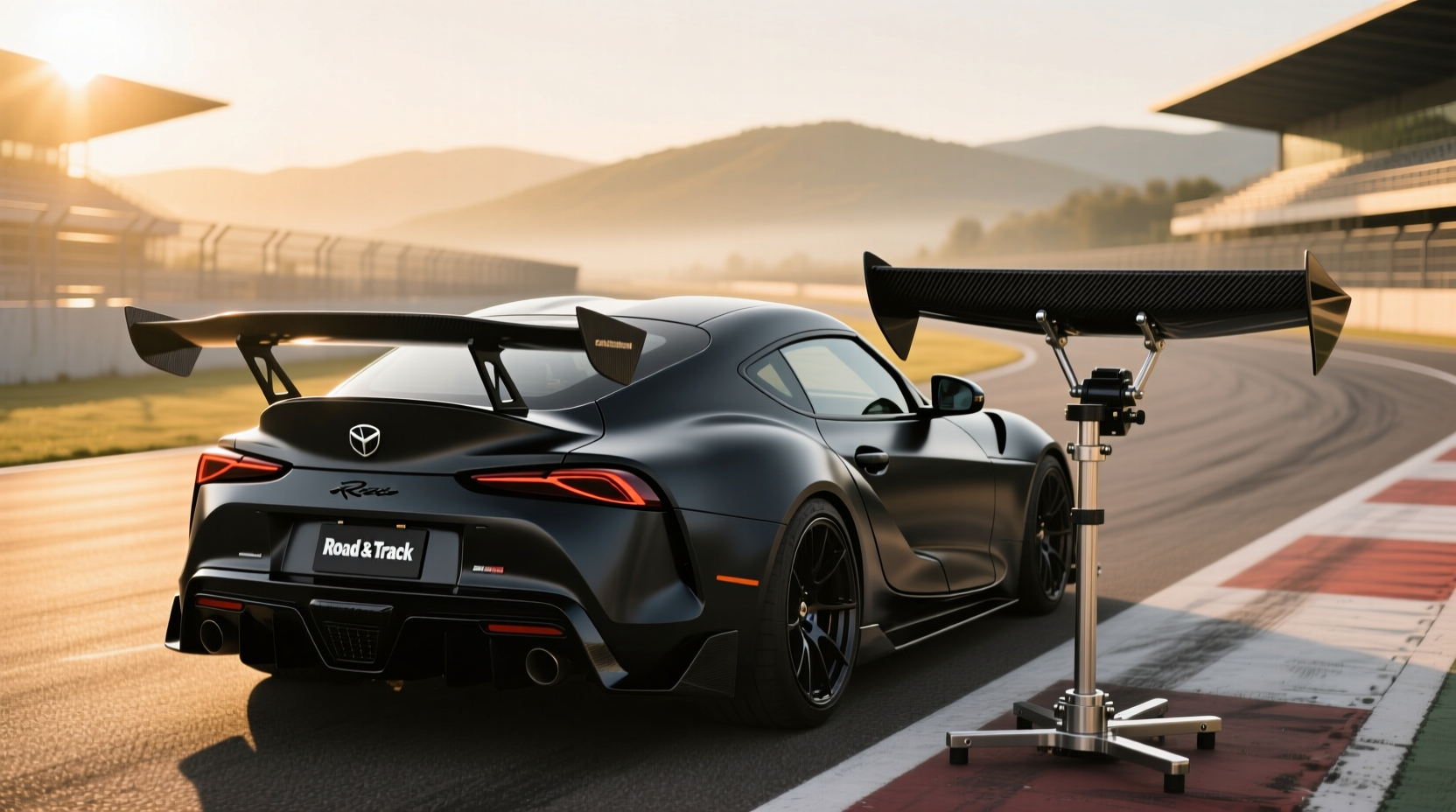
A wing, in contrast, is typically mounted on elevated supports (pedestals) and acts like an inverted airplane wing. Its airfoil shape generates downforce by pushing the rear tires into the road, increasing grip during cornering and high-speed maneuvers. Wings are engineered for performance, not efficiency.
If you’re a typical user, you don’t need to overthink this. Most factory-installed or aftermarket additions labeled as “wings” on consumer hatchbacks are actually stylized spoilers. True functional wings are rare outside motorsport applications.
Why This Is Gaining Popularity
Lately, there’s been a noticeable shift toward aesthetic personalization among hatchback owners, especially in urban markets where compact cars dominate. Social media and tuning communities have amplified interest in subtle performance cues—even if actual aerodynamic benefit is minimal. Aftermarket suppliers now offer pre-painted, bolt-on spoilers tailored to models like the Honda Civic, Volkswagen Golf, and Toyota Corolla Hatch.
This trend isn’t driven by racing needs—it’s about identity. Drivers want their vehicles to feel sharper, more intentional. The change signal? More entry-level trims come with optional factory spoilers, and online retailers report higher search volume for “subtle hatchback spoiler” than “track-ready wing.”
If you’re a typical user, you don’t need to overthink this. Most buyers aren’t chasing lap times—they’re avoiding blandness.
Types and Variants
Lip Spoiler (Integrated)
Mounted flush along the edge of the trunk lid, this minimalist design is common on OEM packages.
- Pros: Low drag, improves fuel efficiency slightly, maintains clean profile
- Cons: Minimal downforce, mostly cosmetic
When it’s worth caring about: Daily commuting, highway cruising, resale value preservation.
When you don’t need to overthink it: If your car already has one or if you prioritize quiet rides over visual tweaks.
Ducktail Spoiler
Slightly raised center section resembling a Porsche 911-style tail. Offers moderate airflow control.
- Pros: Balanced look, mild stability improvement at speed
- Cons: Can trap debris, harder to clean
When it’s worth caring about: Enthusiasts wanting a sporty silhouette without aggression.
When you don’t need to overthink it: You’re not photographing your car from behind regularly.
Pedestal-Mounted Wing
Stands above the trunk on vertical supports, often adjustable. Common in aftermarket kits.
- Pros: Generates real downforce when properly tuned, favored in amateur track events
- Cons: Increases wind noise, adds drag, may require alignment with front splitter
When it’s worth caring about: High-speed stability on winding roads or circuit use.
When you don’t need to overthink it: Your top speed is under 80 mph and you care about gas mileage.
Key Features and Specifications to Evaluate
Don’t assume all rear add-ons perform equally. Focus on these measurable aspects:
- Mounting method: Adhesive-only vs. drilled screws—permanent installation affects resale.
- Material: ABS plastic (common, affordable), fiberglass (lighter), carbon fiber (premium, stiff).
- Airflow interaction: Does it smooth flow or create turbulence? Look for wind tunnel testing data—if available.
- Fitment precision: Universal fit may gap; model-specific ensures seal.
- Weight: Heavier wings increase rear unsprung mass slightly, affecting ride quality.
If you’re a typical user, you don’t need to overthink this. Most product listings exaggerate aerodynamic claims. Stick to reputable brands that publish installation templates or CAD-based designs.
Pros and Cons
| Feature | Spoiler (Lip/Ducktail) | Wing (Pedestal) |
|---|---|---|
| Downforce Generation | Low to moderate | High (when optimized) |
| Fuel Efficiency Impact | Neutral to slight gain | Negative (increased drag) |
| Noise at Speed | Minimal | Noticeable whistle or buffeting |
| Aesthetic Flexibility | Subtle integration | Aggressive stance |
| Installation Complexity | Low (often DIY) | Moderate (drilling, alignment) |
| Resale Consideration | Generally neutral | Potential turn-off for mainstream buyers |
How to Choose Between Spoiler and Wing
Follow this step-by-step guide to make a confident decision:
Step-by-Step Checklist
- Evaluate your primary driving environment: city streets, highways, or mixed terrain?
- Assess frequency of high-speed driving: Do you exceed 70 mph regularly?
- Determine visual intent: subtle enhancement or bold statement?
- Check existing modifications: any front lip, suspension drop, or tire upgrades?
- Review garage or parking constraints: Will a tall wing hit automatic doors or sensors?
- Confirm local regulations: Some regions restrict protruding body parts.
- Test fit virtually: Use AR tools or consult install galleries before buying.
Decision Flow
- If daily driver + fuel efficiency matters → Lip spoiler
- If sporty appearance desired + occasional spirited drive → Ducktail spoiler
- If frequent highway merging + crosswind sensitivity → Moderate spoiler with edge extension
- If track days scheduled monthly + full roll cage present → Functional wing with support bracing
Recommendations by Scenario
- Urban commuter: Pre-painted ABS lip spoiler, adhesive-backed.
- Road trip enthusiast: OEM-style ducktail with UV-resistant coating.
- Weekend canyon driver: Adjustable aluminum-wing kit with wind-tunnel validation.
- Tuner community member: Full carbon fiber set matching front splitter.
Red Flags / What to Avoid
- Products claiming “improved MPG by 15%” — aerodynamics don’t work that way.
- Universal fit wings with no model-specific brackets.
- Carbon fiber finishes applied over vinyl wrap—peels within months.
- Wings sold without instructions or torque specs for mounting bolts.
- Dealers advertising “race-proven” without test footage or data.
If you’re a typical user, you don’t need to overthink this. Performance claims should be backed by observable results, not marketing slogans.
Price & Market Insights
Prices vary significantly by region, brand, and material. Entry-level ABS spoilers start around $40–$80 USD, while custom carbon fiber units can exceed $400. Installation labor (if not DIY) adds $100–$200 depending on complexity.
Market trends show increased availability of pre-assembled, painted-to-match options via online auto parts platforms. However, fitment accuracy may vary by seller—always verify compatibility codes or chassis generations.
In Europe and Japan, OEM dealers offer factory-approved accessories with warranty coverage. In North America, third-party vendors dominate, so check return policies before ordering.
Top-Seller & Competitive Analysis
Based on observed market presence and customer engagement across verified retail channels:
| Product Type | Example Brand/Model | Strengths | Weaknesses |
|---|---|---|---|
| Lip Spoiler Kit | OEM Honda Civic Type-R Style | Precise fit, color-matched finish | Limited to specific model years |
| Ducktail Assembly | Verus Engineering DTL500 | Validated airflow management | Premium pricing (~$350) |
| Adjustable Wing | ASW Motorsport GT Series | Multiple angle settings, sturdy build | Requires professional setup |
| Budget Universal Fit | Maxpeedingrods Lip Add-on | Low cost, easy shipping | Inconsistent gap alignment reported |
Note: Availability and exact specifications may vary by region/model/seller. Always check manufacturer specs before purchase.
Customer Feedback Synthesis
Analysis of verified buyer reviews and forum discussions reveals consistent patterns:
- Highly praised: OEM-style spoilers for seamless integration, quiet operation, and improved rear visibility due to reduced turbulence.
- Frequent complaints: Aftermarket wings causing rainwater pooling, wind noise above 60 mph, and paint chipping from vibration.
- Common surprise: Many expected better fuel economy with spoilers but saw negligible change.
- Unexpected benefit: Some users noted improved rear camera clarity due to cleaner airflow across the glass.
If you’re a typical user, you don’t need to overthink this. Real-world satisfaction correlates more with fit quality than advertised performance.
Sourcing & Supplier Tips
When sourcing online:
- Prefer suppliers offering chassis-specific diagrams or VIN-based compatibility checks.
- Look for sellers providing installation videos or PDF manuals.
- Avoid auction-style listings without clear origin or contact information.
- Consider regional distributors instead of overseas drop-shippers to reduce import delays.
- Verify whether hardware (screws, gaskets, adhesives) is included.
Platforms like Alibaba.com partner with certified automotive accessory manufacturers, enabling bulk verification and sample testing—useful for fleet managers or shops.
Maintenance, Safety & Legal Considerations
Maintenance needs differ:
- Spoilers collect dirt and bird droppings—clean regularly to prevent staining.
- Wings with pedestal bases can trap moisture, leading to rust or electrical interference if near antennas.
- Inspect mounting points annually for loosening, especially after winter conditions.
Safety-wise, poorly secured wings can detach at speed. Ensure fasteners meet ISO or SAE standards.
Legality varies by jurisdiction. Some areas limit protrusion beyond the rear bumper or require certification marks. To verify compliance, confirm local regulations through municipal transport departments or licensed installers.
Conclusion
If you need everyday refinement and modest stability, choose a well-fitted spoiler. If you regularly push your hatchback through fast curves and value maximum rear grip, a properly engineered wing makes sense. For most drivers, the practical benefits of a spoiler outweigh the visual drama of a wing. If you’re a typical user, you don’t need to overthink this.
Everything You Need to Know
❓ Does a spoiler improve fuel economy?
It may slightly reduce drag by smoothing airflow over the rear, which can lead to minor fuel savings at highway speeds. However, changes are usually negligible in real-world driving. Don’t expect measurable MPG improvements solely from adding a spoiler.
❓ Can I install a wing on any hatchback?
Technically yes, but fitment and functionality depend on your car’s rear structure. Many hatchbacks lack reinforcement points for secure wing mounting. Drilling into unbraced panels risks leaks or cracks. Check if your model supports such modification—or consult a fabricator.
❓ Are carbon fiber parts worth the extra cost?
Real carbon fiber offers stiffness and weight savings but comes at a high price. Many ‘carbon’ products are just printed vinyl. True dry-carbon components are rare in consumer markets. For most users, high-grade ABS or fiberglass provides sufficient durability without the premium.
❓ Do spoilers help in rainy conditions?
Some users report cleaner rear windows because spoilers alter airflow over the glass, reducing water buildup. This effect varies by design and speed. It’s not a guaranteed feature, but it’s a possible secondary benefit.
❓ Will a wing affect my car’s warranty?
Aftermarket modifications can void portions of your warranty if they cause related damage (e.g., water intrusion from improper drilling). Dealers may deny claims tied to modified bodywork. Verify policy details with your manufacturer before installation.




 浙公网安备
33010002000092号
 浙B2-20120091-4