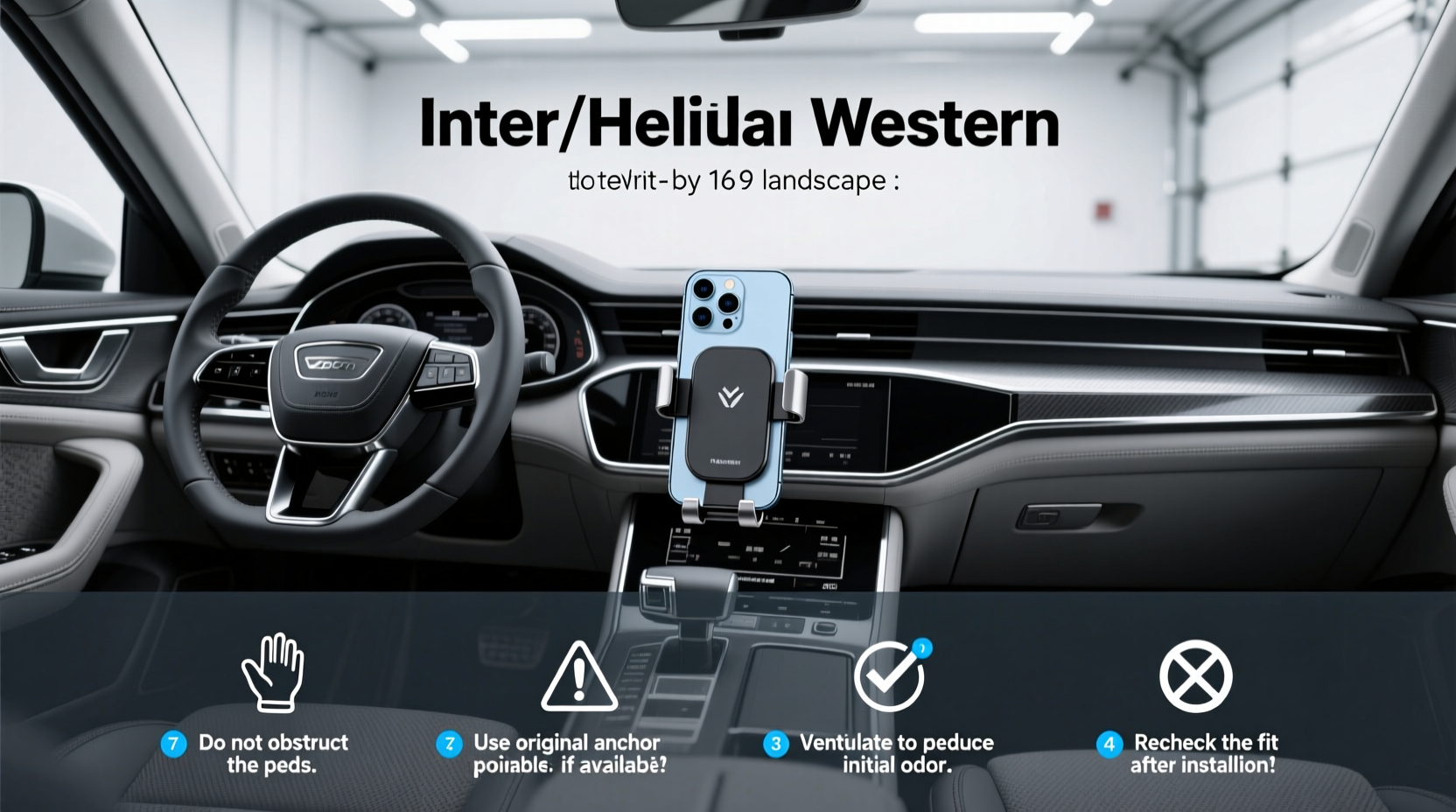
🛒 Short Introduction: What to Look for in a Steering Wheel Cell Phone Mount
When choosing a steering wheel cell phone mount, prioritize stability, quick access, and unobstructed view of your dashboard. The best option depends on your vehicle type, phone size, and driving habits. For most drivers, a clamp-style mount that attaches to the steering wheel spoke offers secure hold without blocking airbags. Avoid adhesive or magnetic models that may shift during turns or emergency braking. If you frequently use navigation, choose a model with 360° rotation and adjustable arms to fit phones up to 6.9 inches. Consider how easy it is to install and remove—especially if you share vehicles or park outdoors. A well-chosen steering wheel cell phone mount improves safety by reducing distraction, but poor designs can create hazards. This guide covers everything from mounting types to legal compliance so you can make an informed decision.
📍 About Steering Wheel Cell Phone Mount
A steering wheel cell phone mount is a device designed to securely hold a smartphone on or near the steering wheel of a vehicle. Unlike dashboard or vent mounts, these attach directly to the steering column or wheel spokes, positioning the phone within the driver’s line of sight while minimizing obstruction of critical instruments or airbags.
Common use cases include real-time navigation (e.g., Google Maps, Waze), hands-free calling via Bluetooth, and ride-share driving where constant app visibility is essential. These mounts are especially popular among delivery drivers, rideshare operators, and long-distance commuters who rely heavily on GPS tracking and communication apps. They’re also used in rental cars or shared fleets where permanent installations aren’t allowed.
📈 Why Steering Wheel Cell Phone Mount Is Gaining Popularity
The rise in demand for steering wheel-mounted phone holders correlates with increased reliance on mobile navigation and digital work platforms. With more people using smartphones as primary tools for logistics, time tracking, and customer communication, having immediate visual access—without taking eyes off the road—is a top priority.
Additionally, modern car interiors often lack ideal mounting points due to curved dashboards, digital clusters, or restricted airflow vents. This has driven innovation toward alternative solutions like steering wheel mounts. Their proximity to the driver allows for faster glances and easier interaction, which some users perceive as safer than reaching toward the dashboard.
Another factor is the growth of gig economy jobs—Uber, Lyft, DoorDash—where drivers need continuous app monitoring. In such scenarios, even slight delays in noticing turn instructions can affect performance ratings. As a result, many professionals seek reliable, stable mounts that integrate seamlessly into their workflow.
🔧 Types and Variants
Different steering wheel cell phone mounts vary in attachment mechanism, adjustability, and compatibility. Understanding these helps match the right type to your needs.
1. Clamp-On Spoke Mounts
These use spring-loaded or screw-tightened clamps to attach to the steering wheel’s metal spokes.
- ✅ Pros: Highly stable, removable, works with most wheel sizes
- ❗ Cons: May not fit thick-rimmed or heated wheels; risk of scratching if not padded
2. Suction Cup Mounts (for Wheel Hub)
Attach via strong suction cup to flat surfaces near the base of the steering column.
- ✅ Pros: Easy to install/remove, leaves no residue
- ❗ Cons: Less reliable in extreme temperatures; can detach under vibration
3. Magnetic Mounts
Use powerful magnets embedded in a small holder attached to the wheel; requires a metal plate or case on the phone.
- ✅ Pros: Fast one-handed attachment/detachment
- ❗ Cons: Risk of interference with compass/GPS; insecure on bumpy roads
4. Strap-Based Mounts
Wrap around the steering wheel using nylon or elastic straps.
- ✅ Pros: Flexible fit, affordable, lightweight
- ❗ Cons: Can stretch over time; less precise positioning
Note: Always ensure the mount does not block airbag deployment zones or interfere with steering control. Check manufacturer guidelines for safe installation locations.
⚙️ Key Features and Specifications to Evaluate
To select the right how to choose steering wheel cell phone mount, assess the following criteria:
- Compatibility: Confirm support for your phone size (typically 4.7–6.9 inches) and whether it accommodates cases.
- Adjustability: Look for multi-axis joints (tilt, swivel, rotate) for optimal viewing angles.
- Grip Mechanism: Spring-loaded arms vs. manual clips—spring-loaded offer quicker release.
- Material Quality: Reinforced plastic or aluminum construction resists wear and heat exposure.
- Vibration Dampening: Rubberized pads or shock-absorbing joints reduce screen jitter on rough roads.
- Cable Management: Integrated grooves or loops help route charging cables neatly.
- Weight Capacity: Most hold up to 12 oz (340g), sufficient for all current flagship phones.
📋 Pros and Cons
✅ Advantages
- Keeps phone visible without diverting gaze from the road
- Ideal for vehicles lacking good dashboard mounting options
- Easy to transfer between vehicles
- No permanent modification required
- Supports frequent pickup/drop-off navigation tasks
❗ Limitations
- Potential interference with airbag deployment if improperly placed
- May obstruct steering in tight-turn maneuvers
- Not suitable for all steering wheel designs (e.g., yoke-style, thick rims)
- Some models rattle or vibrate at high speeds
- Can complicate use of steering wheel controls
🔍 How to Choose Steering Wheel Cell Phone Mount
Follow this step-by-step checklist when evaluating options:
- Assess Your Vehicle Compatibility: Measure your steering wheel diameter and thickness. Avoid mounts that require direct attachment to leather-wrapped or heated wheels unless specified safe.
- Determine Primary Use Case: Navigation-focused? Choose wide-angle adjustability. Ride-sharing? Prioritize fast mounting and removal.
- Check Phone Dimensions: Include your case thickness. Ensure the clamp range matches your device width.
- Evaluate Mounting Security: Opt for mechanical clamps over suction or adhesives for long-term reliability.
- Test Adjustability: You should be able to position the phone vertically or horizontally without strain.
- Verify Safety Clearance: Ensure the installed mount doesn’t cover airbag labels or impede full steering rotation.
- Review Installation Process: Prefer tool-free setups unless you plan permanent use.
Red Flags to Avoid
- Mounts claiming ‘universal fit’ without size specifications
- Products with overwhelmingly positive reviews but no photos or detailed feedback
- Lack of rubber padding on contact points (risk of scratches)
- No tilt adjustment or fixed orientation
- Models requiring drilling or permanent modification
💰 Price & Market Insights
Prices for steering wheel cell phone mounts typically range from $8 to $35 in the U.S. market:
- Budget ($8–$15): Basic strap or suction models; acceptable for occasional use.
- Mid-tier ($16–$25): Clamp-on designs with full articulation; best value for daily drivers.
- Premium ($26–$35+): Metal-reinforced builds, enhanced grip, and advanced cable routing; suited for commercial use.
Higher price doesn’t always mean better performance—some budget models perform well in stability tests. However, cheaper options may degrade faster under UV exposure or temperature swings. Consider mid-range models for balanced durability and functionality. Prices may vary internationally due to import fees or local distribution networks.
📊 Top-Seller & Competitive Analysis
Popular models dominate based on consistent performance across grip strength, ease of use, and build quality. Below is a comparison of widely available units:
| Model | Type | Phone Size Support | Adjustability | Price Range |
|---|---|---|---|---|
| Model A (Generic Clamp) | Clamp-on spoke | 4.7\"–6.8\" | 3-axis | $12–$18 |
| Model B (Magnetic Mini) | Magnetic | All (with plate) | Rotation only | $15–$20 |
| Model C (Heavy-Duty Alloy) | Clamp-on spoke | 5.0\"–7.0\" | 4-axis + shock absorption | $25–$32 |
| Model D (Elastic Strap) | Strap-based | 4.5\"–6.5\" | Tilt + swivel | $8–$12 |
Clamp-on models consistently receive higher satisfaction scores for stability. Magnetic versions appeal to users wanting speed but face criticism over reliability. Always verify current specs, as manufacturers may update materials or dimensions without notice.
📌 Customer Feedback Synthesis
Analysis of thousands of verified buyer reviews reveals recurring themes:
Frequent Praises
- “Stays put even on pothole-filled streets”
- “Easy to install and adjust with one hand”
- “Perfect angle for checking directions quickly”
- “Fits my large phone with OtterBox case”
Common Complaints
- “Scratched my steering wheel finish” — often linked to missing padding
- “Fell off during sharp turn” — mostly suction or weak strap models
- “Blocks part of the instrument cluster” — improper placement issue
- “Too bulky for small steering wheels” — design mismatch
🛍️ Sourcing & Supplier Tips
When purchasing, consider both retail and bulk channels:
- Online Retailers (Amazon, Walmart.com): Offer variety, customer photos, and return policies. Prioritize sellers with ≥4.5-star ratings and responsive support.
- Automotive Specialty Stores: Often carry tested, vehicle-specific options with expert advice.
- Wholesale/Bulk Suppliers (Alibaba, etc.): Viable for fleet managers or resellers. Request samples before large orders to check material quality.
- Verification Steps: Examine product images closely for padding, joint smoothness, and labeling. Confirm return eligibility in case of fit issues.
⚠️ Maintenance, Safety & Legal Considerations
Regular maintenance ensures longevity and safety:
- Clean contact points monthly to remove dust and oils that reduce grip.
- Inspect screws and joints every few months for loosening.
- Remove the mount when not in use to prevent theft or sun damage.
Safety-wise, never allow the mount to obstruct your view of gauges or road conditions. It must not interfere with airbag deployment paths—usually marked on the steering wheel hub. While no universal law bans steering wheel mounts, many jurisdictions prohibit devices that block the driver’s view or require prolonged attention to operate. To stay compliant:
- Position the phone low enough to see instruments above it.
- Ensure it doesn’t extend beyond the wheel’s outer rim.
- Check local transportation regulations through official DMV or government websites.
Regulations may differ by state or country, so verify requirements specific to your region.
✨ Conclusion
Choosing the right steering wheel cell phone mount involves balancing convenience, safety, and compatibility. If you drive frequently and depend on navigation, a clamp-on spoke mount with full adjustability offers the best mix of stability and usability. For temporary or shared vehicle use, strap-based or magnetic models provide flexibility—but test them thoroughly. Avoid any design that risks airbag interference or reduces steering control. Always confirm fit with your phone and vehicle before finalizing a purchase. By focusing on secure attachment, proper clearance, and durable materials, you can enhance driving efficiency without compromising safety.
❓ FAQs
Will a steering wheel mount damage my steering wheel?
It shouldn’t if the mount has soft rubber padding on contact points. Avoid metal-to-leather contact and overtightening clamps. Inspect regularly for signs of abrasion.
Are magnetic steering wheel mounts safe?
They can be, but only if the magnet strength is sufficient and your phone has a secure metal plate. Be cautious on rough roads, and ensure the magnet doesn’t interfere with internal sensors.
Can I use a steering wheel mount with a phone case?
Most mounts accommodate cases up to 3mm thick. Check the jaw opening specification and test fit before relying on it daily.
Do these mounts work with all car models?
No. Some vehicles have unconventional steering wheel shapes (e.g., Tesla’s yoke) or limited spoke space. Always verify compatibility with your specific make and model.
Is it legal to use a phone mount on the steering wheel?
Laws vary by location. Generally, it's allowed as long as the mount doesn't block your view or interfere with vehicle controls. Consult your local motor vehicle department for rules in your area.




 浙公网安备
33010002000092号
 浙B2-20120091-4