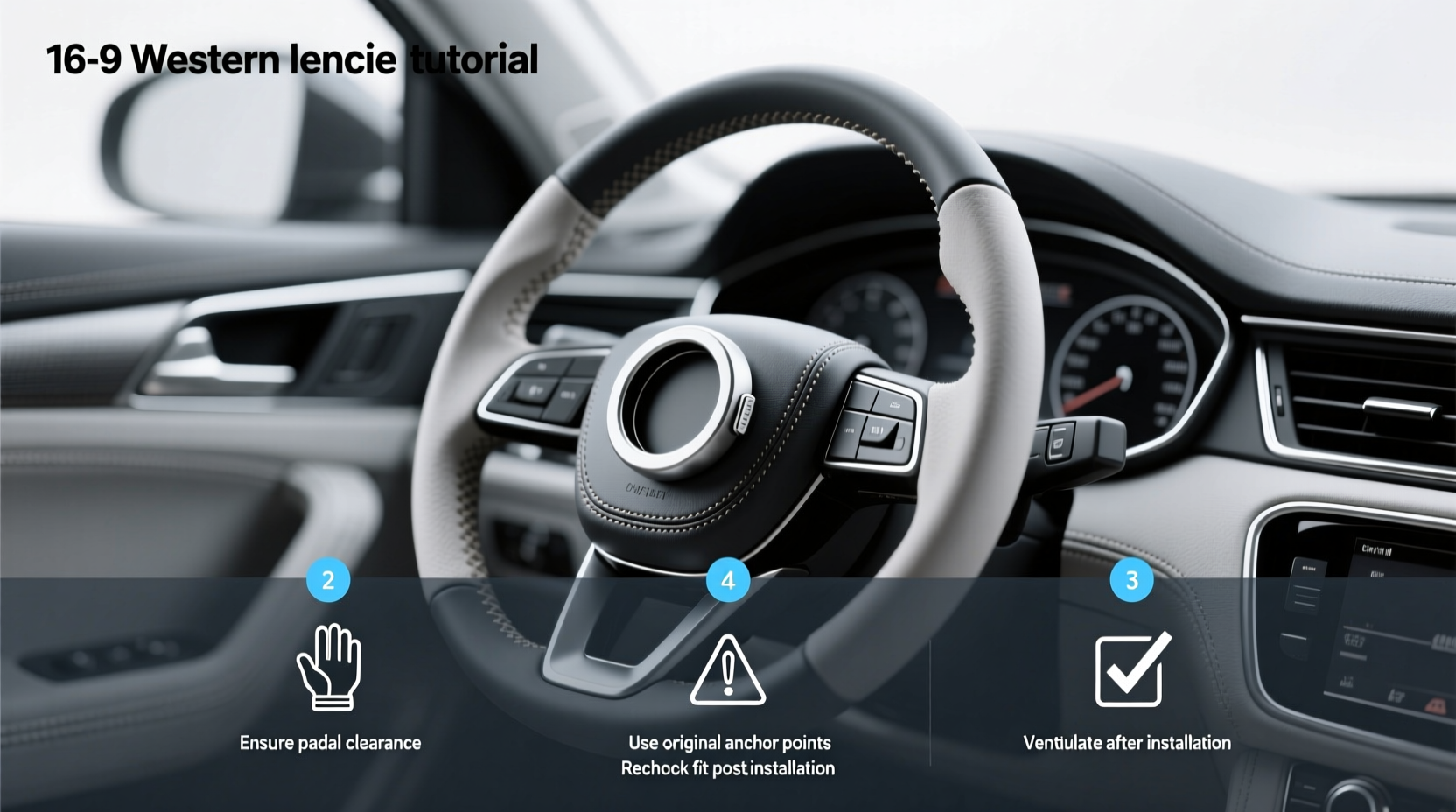
🛒 Short Introduction: How to Choose Steering Wheel Size (Key Takeaways)
Choosing the right steering wheel size depends on your vehicle’s make, driving style, cabin space, and personal comfort. For most daily drivers, a diameter between 14.5 and 15.5 inches offers optimal control and ergonomics. If you’re into track driving or sim racing, smaller wheels (12–13.5 inches) improve responsiveness. Larger wheels (over 16 inches) may suit classic cars or drivers with limited upper-body mobility but can hinder quick maneuvers. Always measure your current wheel or consult your vehicle’s manual before buying a replacement. Avoid aftermarket wheels that don’t match your airbag system or column spline count—this creates safety risks and installation issues. When in doubt, stick to OEM-compatible sizes or verify fitment using manufacturer specs.
A key tip when trying to figure out how to choose steering wheel size is to prioritize hand position and wrist angle: your hands should rest naturally at 9 and 3 o’clock without overextending or bending awkwardly. This helps prevent fatigue and improves control during long drives.
📍 About Steering Wheel Size
Steering wheel size refers primarily to its outer diameter, measured in inches from rim to rim across the center. Most factory-installed wheels range from 14 to 16 inches. Size affects leverage, turning effort, responsiveness, and driver posture. It also influences aesthetics and interior feel—larger wheels give a vintage look, while compact ones suggest sportiness.
Common use cases include:
- Daily commuting: Standard sizes (14.5–15.5”) balance comfort and control.
- Performance driving: Smaller wheels allow faster hand transitions during aggressive cornering.
- Racing/simulators: Custom-sized wheels (often 13–14”) mimic real race car setups.
- Classic/restoration projects: Larger diameters (16”+) replicate original designs of older vehicles.
Size is just one part of fitment—hub design, bolt pattern, and airbag compatibility are equally important.
📈 Why Steering Wheel Size Is Gaining Popularity
Interest in customizing steering wheel size has grown due to increased awareness of ergonomics, performance tuning, and personalization. Enthusiasts seek better tactile feedback and improved driving dynamics. Sim racing communities have driven demand for smaller, flatter-bottomed wheels that mirror professional racecars. Meanwhile, aging drivers or those with physical limitations often prefer larger wheels for reduced turning effort.
Online forums, YouTube tutorials, and e-commerce platforms make it easier to research and purchase non-OEM options. However, this accessibility increases the risk of improper installation or incompatible parts—making informed decisions more critical than ever.
🔧 Types and Variants
Different steering wheel types vary by size, shape, and function:
| Type | Typical Size (inches) | Pros | Cons |
|---|---|---|---|
| Standard Round | 14.5–15.5 | Universal fit, comfortable grip, OEM-compliant | Limited styling impact |
| Flat-Bottom | 14–15 | Modern look, easier entry/exit, popular in sport trims | May interfere with airbag deployment if poorly designed |
| Race-Style (Small Diameter) | 12–13.5 | Faster rotation, precise input, ideal for track use | Requires more force; not ideal for highway cruising |
| Oversized (Vintage) | 16–18 | Easier turning for low-power systems, nostalgic appeal | Takes up cabin space; may block instrument view |
| Square/Rectangular (Concept/Niche) | Varies | Unique design, attention-grabbing | Poor ergonomics; rare and expensive |
Shape impacts both function and safety. Always ensure any non-standard design doesn’t obstruct gauges or compromise airbag functionality.
⚙️ Key Features and Specifications to Evaluate
When evaluating steering wheel size, consider these technical and ergonomic factors:
- Diameter: Primary measurement affecting leverage and rotation speed.
- Grip Thickness: Thicker rims reduce hand fatigue but may be harder to hold tightly during spirited driving.
- Spoke Design: Influences visibility of instruments and ease of mounting accessories like shift lights.
- Hub & Mounting Pattern: Must match your steering column’s spline count and airbag clockspring.
- Material: Leather, suede, wood, or synthetic—each affects durability and feel.
- Weight: Heavier wheels provide smoother feedback; lighter ones enhance responsiveness.
- Compatibility: Verify fitment with your vehicle model, especially for airbags and audio/horn controls.
Use a tape measure to determine your current wheel’s outer diameter diagonally across the center. Compare this to product specs before purchasing.
✅ Pros and Cons
Advantages of Proper Steering Wheel Size:
- Better control and reduced fatigue
- Improved access to pedals and seats (especially flat-bottom)
- Enhanced aesthetic alignment with vehicle theme
- Customization for disability or medical needs
Disadvantages of Wrong Size:
- Reduced instrument visibility
- Incompatible with airbag systems (safety hazard)
- Increased steering effort (if too small)
- Awkward hand positioning leading to strain
- Legal or insurance issues if modification voids compliance
Smaller isn’t always better. While a 13-inch wheel might seem sporty, it could make parking difficult without power steering assist.
📋 How to Choose Steering Wheel Size
Follow this step-by-step guide to select the right size:
- Measure Your Current Wheel: Use a measuring tape across the outer edge through the center. Note diameter, grip thickness, and spoke layout.
- Check Vehicle Compatibility: Consult your owner’s manual or manufacturer website for OEM specifications. Some models have strict airbag integration.
- Assess Driving Needs:
- Daily driver? Stick close to OEM size.
- Track use? Consider 13–14” for quicker inputs.
- Vintage restoration? Match original specs or era-typical dimensions.
- Test Ergonomics: Sit in your car and imagine hands at 9 and 3. Will a larger or smaller wheel change wrist angle significantly?
- Verify Mounting Hardware: Aftermarket wheels often require a hub adapter kit. Confirm spline count and clockspring compatibility.
- Avoid These Red Flags:
- No listed diameter or vague sizing (e.g., “medium”)
- Incompatibility with airbags
- Missing horn button wiring harness
- Poor customer reviews about fitment issues
- Price far below market average (risk of counterfeit)
If modifying, document changes for insurance purposes and keep original parts in case of resale or inspection.
💰 Price & Market Insights
Prices vary widely based on material, brand, and features:
- $50–$150: Basic aftermarket wheels, often synthetic leather, universal fit.
- $150–$300: OEM-replacement or branded aftermarket (e.g., Momo, Nardi), real leather, better build quality.
- $300–$600+: High-end custom or race-spec wheels with carbon fiber, Alcantara, or serialized craftsmanship.
Hub adapters add $30–$80. Sim racing wheels are priced separately and depend on base unit compatibility. Prices may differ by region due to import taxes or availability. Always compare total cost—including installation tools or professional labor—if needed.
Value comes from proper fit and longevity, not just appearance. A mid-range wheel with verified compatibility often outperforms a flashy but ill-fitting premium option.
📊 Top-Seller & Competitive Analysis
Below are common best-selling types and their key attributes:
| Model Type | Size Range | Best For | Fitment Notes | Avg. Price |
|---|---|---|---|---|
| OEM Replacement (Toyota/Honda) | 15\" | Reliability, stock rebuilds | Direct swap, includes airbag | $200–$400 |
| Momo Mod 7 | 14.5\"–15\" | Sporty upgrade, Italian styling | Requires adapter kit | $250–$350 |
| Nardi Classico | 14\"–16\" | Classic cars, wood-rim appeal | Horn press-through design | $300–$500 |
| OMP GTX | 13\"–14\" | Track days, rally use | Suitable for roll cages | $350–$600 |
| Sim-Lab Pro Alpha | 11.8\"–13.4\" | Sim racing rigs | Modular faceplates, QR system | $280–$400 |
Note: Actual prices and availability vary by retailer and region. Always confirm exact model fitment via manufacturer site.
📌 Customer Feedback Synthesis
Based on aggregated buyer reviews, here are recurring themes:
Positive Feedback:
- “Much better grip than stock—no more slipping in rain.”
- “Perfect size match for my Miata; installed easily with adapter.”
- “Love the flat-bottom design—it looks factory-sporty.”
- “Lightweight and responsive for autocross events.”
Common Complaints:
- “Airbag didn’t align after install—had to return.”
- “Horn wires weren’t labeled; took extra time to connect.”
- “Wheel felt too thick and blocked my speedometer.”
- “Adapter wobbled—needed shims to secure.”
- “Product photo showed black stitching, but mine arrived with silver.”
Most negative experiences stem from poor fitment verification or overlooked compatibility details—not the wheel itself.
🧰 Sourcing & Supplier Tips
Where you buy matters as much as what you buy:
- OEM Dealerships: Most reliable for exact replacements, including airbag-integrated units.
- Authorized Aftermarket Retailers (e.g., Summit Racing, Turn5): Offer fitment guides and return policies.
- Online Marketplaces (eBay, Amazon): Convenient but verify seller ratings and return terms. Watch for counterfeit logos.
- Bulk Suppliers: For restoration shops or fleets, consider wholesale distributors—but request samples first.
- International Sellers: May offer lower prices but factor in shipping delays, customs fees, and lack of local support.
Before bulk ordering, test one unit for fit, finish, and safety. Inspect packaging, stitching, and mounting hardware upon arrival. Keep records of invoices and communications.
🧼 Maintenance, Safety & Legal Considerations
Proper care extends life and ensures safety:
- Clean leather or Alcantara surfaces regularly with appropriate conditioners to prevent cracking.
- Inspect wiring connections annually, especially for integrated controls.
- Ensure the steering wheel lock mechanism engages properly after installation.
- Never disable or bypass airbag circuits—even on older vehicles.
Legally, modified steering wheels must not impair vehicle safety systems. In many regions, altering the airbag-equipped wheel may affect crash test compliance or insurance claims1. Always check local regulations before installing non-OEM wheels. If unsure, consult a certified mechanic or dealership technician.
✨ Conclusion
Choosing the right steering wheel size involves balancing comfort, vehicle compatibility, and intended use. If you want a direct replacement with no surprises, stick to OEM dimensions. For performance gains, consider slightly smaller, lightweight models—but verify hub compatibility. Classic car owners should prioritize period-correct sizing and materials. Sim racers benefit from standardized, quick-release systems tailored to their rig.
Ultimately, what to look for in steering wheel size comes down to fit, function, and safety. Measure twice, confirm compatibility, and avoid modifications that compromise airbag integrity. When done right, the upgrade enhances both driving pleasure and control.
❓ FAQs
What is the standard steering wheel size for most cars?
Most modern passenger vehicles come with steering wheels between 14.5 and 15.5 inches in diameter. Compact cars may use slightly smaller sizes, while trucks and SUVs sometimes have larger ones.
Can I install a smaller steering wheel on my daily driver?
Yes, but only if it maintains safe airbag function and doesn’t increase steering effort excessively. Test ergonomics carefully—smaller wheels can make low-speed maneuvering tiring without hydraulic assist.
Does steering wheel size affect driving performance?
Yes. Smaller wheels allow quicker turns and are favored in racing, while larger wheels reduce effort in low-speed situations. The difference becomes noticeable during aggressive driving or prolonged use.
How do I know if an aftermarket wheel fits my car?
Check the manufacturer’s fitment guide, confirm spline count and hub diameter, and ensure compatibility with your airbag and clockspring. Contact the seller with your VIN if uncertain.
Are there legal restrictions on changing steering wheel size?
While no universal law bans size changes, modifications that disable airbags or impair control may violate safety regulations in some regions. Always verify local rules and maintain original safety systems.




 浙公网安备
33010002000092号
 浙B2-20120091-4