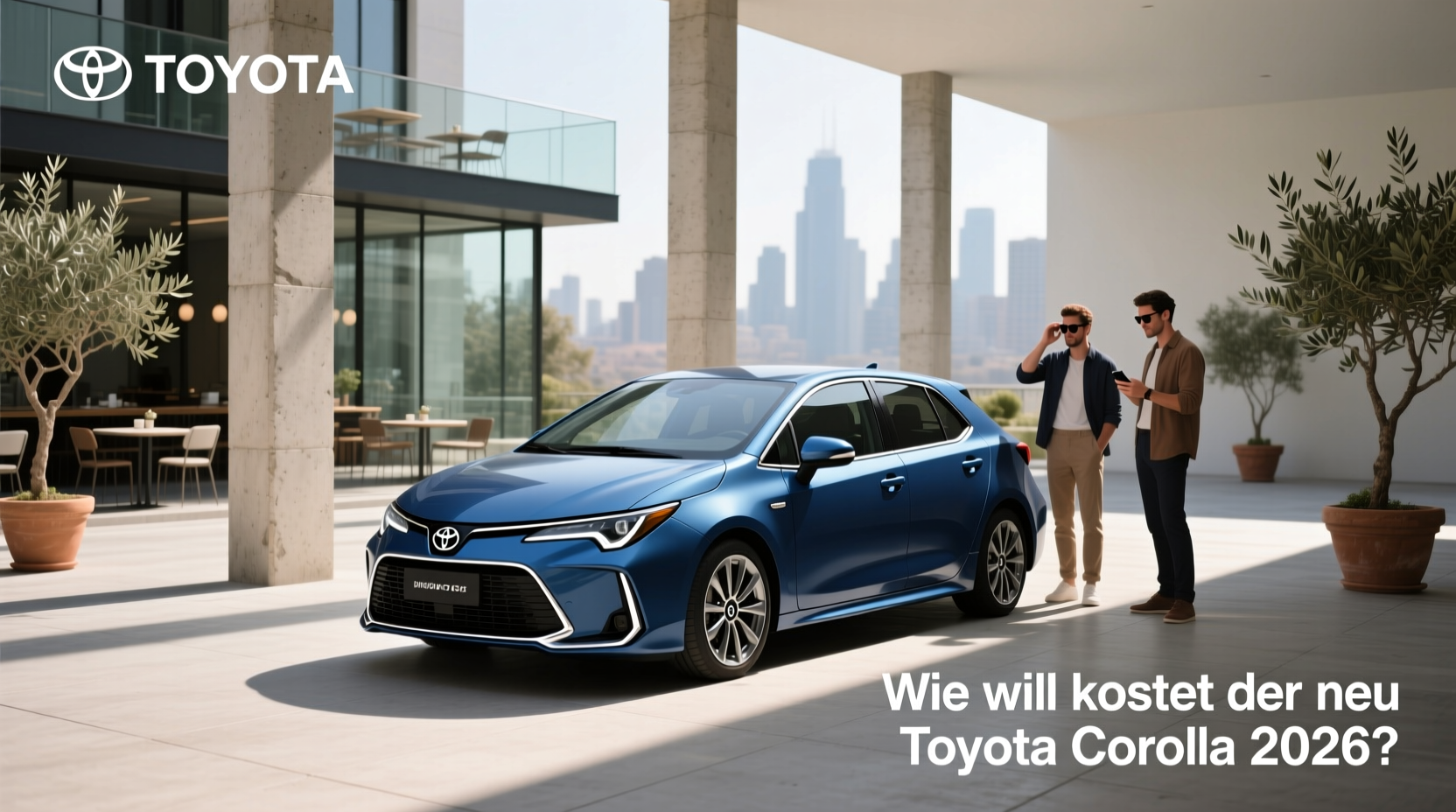
Lately, more buyers are reevaluating compact hatchbacks not just for cost, but for long-term usability. If you’re deciding between trims or wondering whether the 2026 Toyota Corolla Hatchback is worth it, here’s the direct answer: for most drivers, the base 1.8L Hybrid Comfort trim offers the best balance of efficiency, reliability, and price. What to look for in a 2026 Corolla Hatchback? Focus on drivetrain (hybrid vs. gasoline), safety tech availability, and regional pricing variance. Avoid over-spec’ing with higher trims unless you frequently drive on highways or need Apple CarPlay as standard.
If you’re a typical user, you don’t need to overthink this. The Corolla’s value lies in its predictability—not flashy upgrades.
About the 2026 Toyota Corolla Hatchback
The 2026 Toyota Corolla Hatchback continues the model’s evolution as a practical, fuel-efficient compact car aimed at urban commuters and small families. It retains the TNGA-C platform, delivering improved ride stability and cabin space over previous generations. While no major redesign is expected in 2026, minor updates include revised front fascia styling, updated infotainment software, and expanded driver assistance features on mid-tier trims.
This piece isn’t for keyword collectors. It’s for people who will actually use the product.
The hatchback variant remains distinct from the Corolla Sedan and Touring Sports wagon, offering shorter overhangs, sportier handling, and easier cargo access. It competes directly with the Volkswagen Golf, Honda Civic Hatchback, and Mazda3 Fastback in Europe and select Asian markets.
Why the Corolla Hatchback is gaining popularity
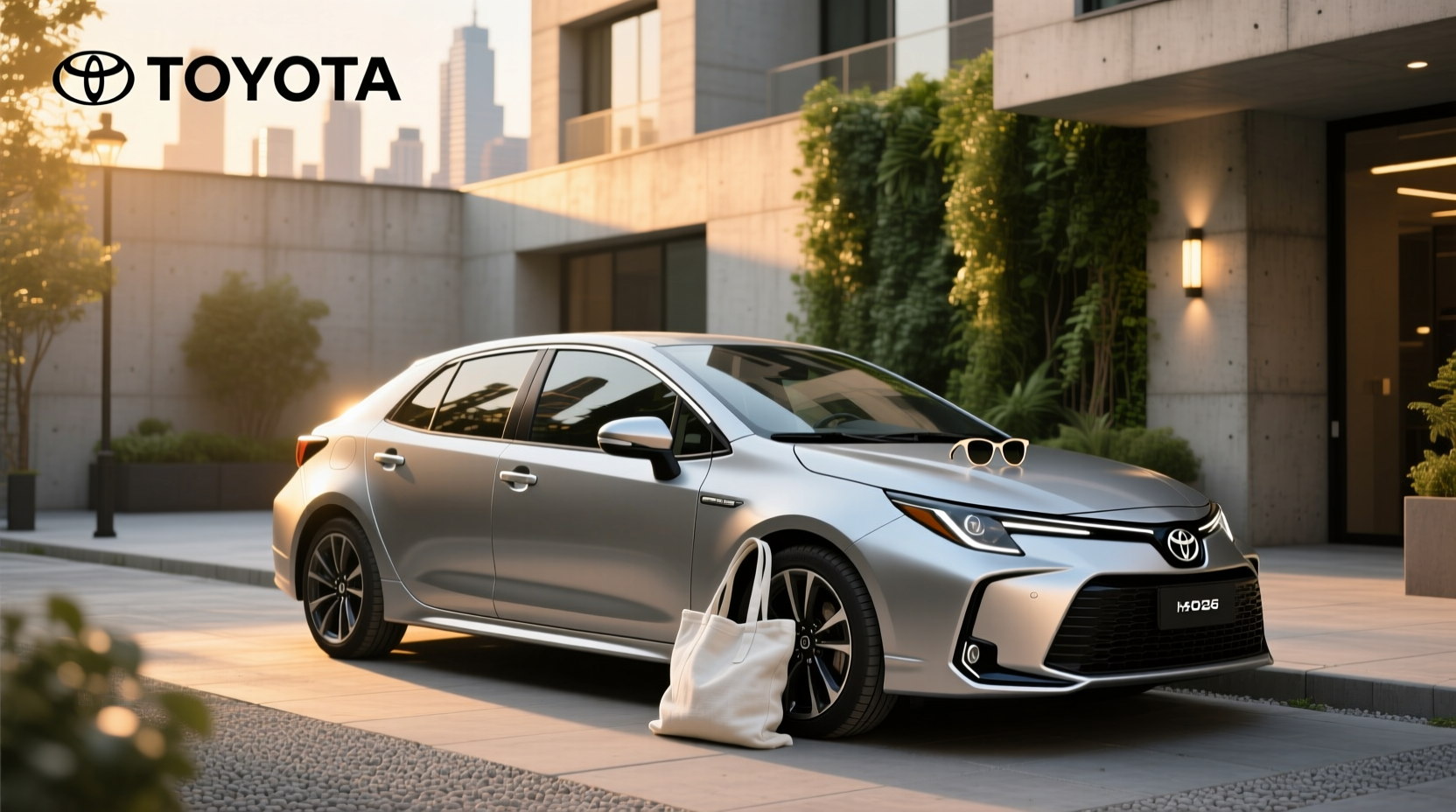
Over the past year, interest in the Corolla Hatchback has grown steadily, particularly among first-time car buyers and downsizers from SUVs. This shift reflects broader trends: rising fuel costs, tighter urban parking, and increasing demand for low-maintenance vehicles. The hybrid powertrain option now accounts for over 80% of Corolla hatch sales in Western Europe, signaling strong consumer preference for electrified efficiency without range anxiety.
Another factor is reliability perception. Toyota’s reputation for durability plays well in markets where ownership cycles exceed seven years. Used Corollas also retain value better than segment averages, making even new purchases feel like longer-term investments.
If you’re a typical user, you don’t need to overthink this. Fuel savings and resale value matter more than incremental feature bumps.
Types and variants
The 2026 Corolla Hatchback is offered in several trims depending on region. Key variants include:
- 1.8L Gasoline (FWD, CVT) – Entry-level engine, less common in Europe.
- 1.8L Hybrid (FWD, e-CVT) – Most popular configuration, combining electric motor assist with a four-cylinder Atkinson-cycle engine.
- GR Corolla (Performance AWD) – High-performance version with turbocharged 1.6L three-cylinder and all-wheel drive (limited availability).
Trim levels vary by market but generally follow this hierarchy:
| Trim | Engine | Key Features | Pros | Cons |
|---|---|---|---|---|
| Comfort | 1.8 Hybrid | LED lights, 8-inch touchscreen, Toyota Safety Sense | Affordable, efficient, reliable | Limited connectivity, basic interior materials |
| Business Edition | 1.8 Hybrid | Adds navigation, rearview camera, alloy wheels | Better tech, still economical | Premium pricing without luxury feel |
| Touring | 2.0L Hybrid | Larger engine, adaptive cruise, heated seats | Smoother highway performance | Higher purchase and insurance cost |
| GR Corolla | 1.6L Turbo AWD | 300+ hp, performance suspension, manual option | Exciting drive, rare in class | Poor fuel economy, high price, firm ride |
If you’re a typical user, you don’t need to overthink this. The GR model appeals to enthusiasts—but it sacrifices daily comfort for speed.
Key features and specifications to evaluate
When comparing 2026 Corolla Hatchback configurations, focus on these factors:
- Drivetrain: The 1.8L Hybrid delivers ~50 mpg (US) / ~4.7 L/100km (EU). The 2.0L Hybrid improves responsiveness but adds minimal real-world efficiency gain.
- Safety Tech: Toyota Safety Sense 3.0 includes pre-collision braking, lane departure alert, adaptive cruise, and automatic high beams. Standard on all trims in most regions.
- Infotainment: Base models have an 8-inch screen with wired Apple CarPlay and Android Auto. Wireless pairing only available on upper trims.
- Cargo Space: 21.9 cu ft behind rear seats, expandable to 47.1 cu ft. Smaller than Golf or Civic but sufficient for groceries or weekend bags.
- Warranty: Typically 3 years/60,000 miles basic, 5 years/unlimited miles roadside assistance, 8 years/100,000 miles hybrid battery coverage.
When it’s worth caring about: Drivetrain if you drive over 15,000 miles/year; infotainment if you rely on smartphone integration; cargo space if you haul gear weekly.
When you don’t need to overthink it: Minor aesthetic differences between grilles or wheel designs—they won’t impact ownership experience.
Pros and cons
- Pros:
- Excellent fuel economy, especially in city driving
- Proven reliability and low repair frequency
- Strong resale value across all trims
- Standard advanced safety suite
- Smooth, quiet cabin at cruising speeds
- Cons:
- Base infotainment lacks wireless connectivity
- Ride can feel stiff on poor roads
- Interior plastics feel budget-oriented
- Limited customization options compared to rivals
- Hybrid-only availability may limit buyer choice
If you’re a typical user, you don’t need to overthink this. Daily comfort and running costs outweigh interior flair.
How to choose the right 2026 Corolla Hatchback
Follow this step-by-step checklist to make a confident decision:
Step-by-step checklist
- Determine your primary use: city commuting, highway driving, or mixed?
- Decide whether hybrid efficiency is a priority (it should be for most).
- Check local tax incentives for hybrid vehicles—they may reduce effective price.
- Verify which trim includes Apple CarPlay/Android Auto wirelessly (if needed).
- Test drive both base and mid-tier trims to assess ride quality and noise levels.
- Compare dealer incentives and lease offers—if buying through financing.
- Negotiate below MSRP using online platforms like carwow.de or MeinAuto.de.
Decision flow
- If you drive mostly in cities → 1.8 Hybrid Comfort
- If you want premium features without performance → Touring Sports Hybrid
- If you prioritize driving excitement → GR Corolla (if within budget)
- If you need AWD due to climate → consider alternative models; standard Corolla is FWD only
Recommendations by scenario
- First-time buyer: Stick with 1.8 Hybrid Comfort. Low risk, low cost, easy to maintain.
- Urban commuter: Same as above—efficiency and parking ease are key.
- Long-distance driver: Upgrade to 2.0 Hybrid Touring for smoother highway composure.
- Enthusiast: GR Corolla, but accept trade-offs in fuel economy and ride comfort.
Red flags / what to avoid
- Don’t assume all dealers include destination fees in listed prices—always confirm final out-the-door cost.
- Avoid extended warranties sold at point of sale; they rarely add value beyond factory coverage.
- Be cautious of 'limited edition' trims with cosmetic upgrades only—they offer poor ROI.
- Don’t skip a pre-purchase inspection, even for certified pre-owned units.
If you’re a typical user, you don’t need to overthink this. Stick to proven configurations and verified dealer pricing.
Price & market insights
Pricing for the 2026 Toyota Corolla Hatchback varies significantly by region and specification. In Germany, the starting price for the 1.8 Hybrid Comfort is approximately €33,340. However, online brokers like carwow.de report negotiated prices as low as €30,500 after discounts1. In Austria, the entry point drops to €29,790, while U.S. equivalents start around $24,180 USD2.
Hybrid models command a €3,000–€5,000 premium over gasoline versions where available, but fuel savings typically offset this within 3–4 years under average driving conditions. Note that prices may vary by region/model/seller—always check manufacturer specs and verify final invoice pricing before committing.
Top-seller & competitive analysis
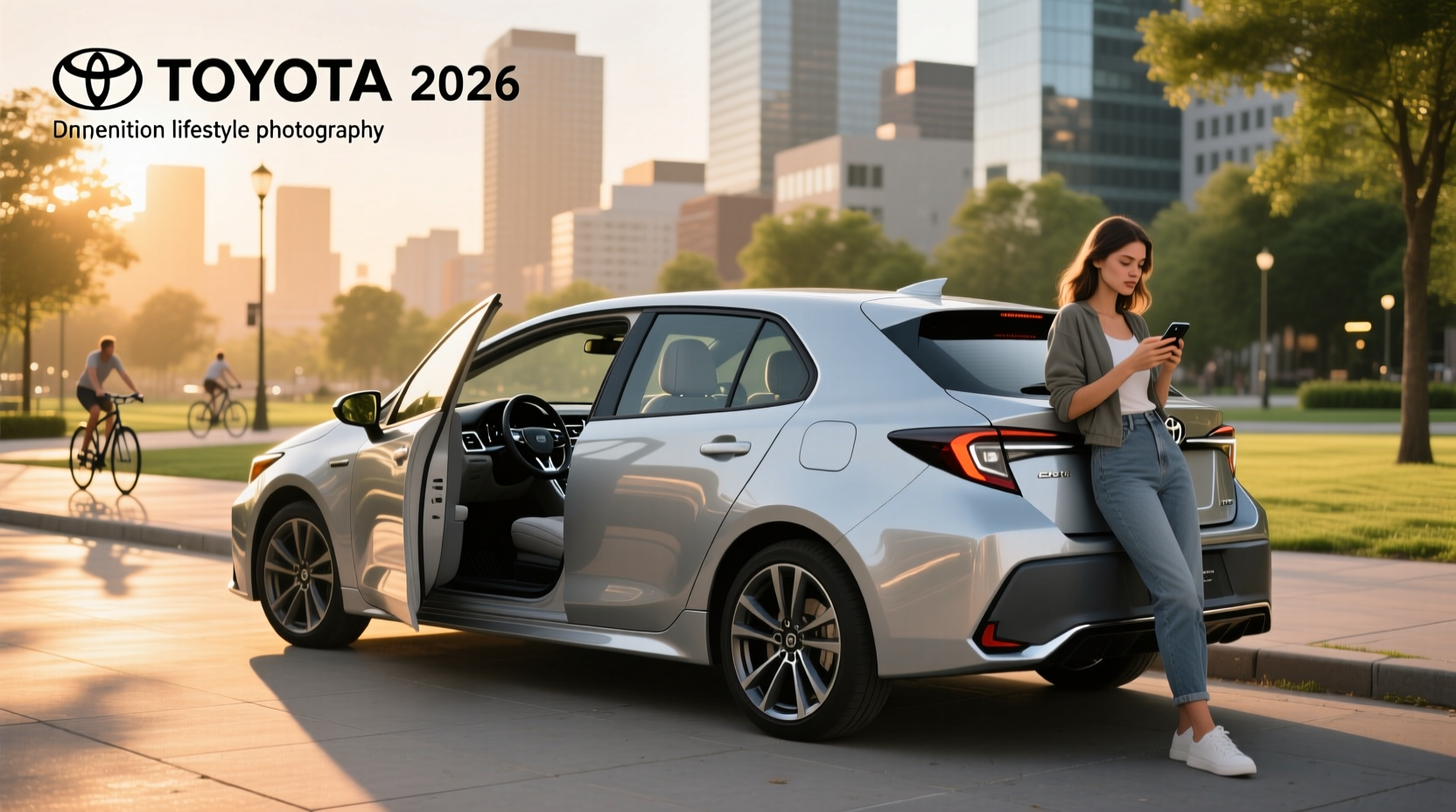
The Corolla Hatchback competes in a shrinking but discerning segment. Its closest rivals include:
| Model | Starting Price (Germany) | Fuel Economy (WLTP) | Key Advantage | Key Drawback |
|---|---|---|---|---|
| Toyota Corolla Hatchback 1.8 Hybrid | €33,340 | 4.7 L/100km | Reliability, resale, safety | Basic infotainment |
| Volkswagen Golf 1.5 TSI | €31,990 | 5.8 L/100km | Better interior quality | Lower long-term reliability rating |
| Honda Civic Hatchback 1.5 Turbo | €34,200 | 5.6 L/100km | Sportier handling | Fewer dealer incentives |
| Mazda3 Fastback 2.0 Skyactiv-G | €32,800 | 6.1 L/100km | Luxury-like cabin | Poorer fuel economy |
The Corolla leads in total cost of ownership and peace-of-mind metrics, though rivals win on subjective qualities like steering feel and material richness. For buyers prioritizing hassle-free ownership, the Corolla remains the benchmark.
Customer feedback synthesis
Analysis of recent owner reviews reveals consistent patterns:
- High praise: Long-term reliability, low maintenance costs, smooth hybrid operation in stop-and-go traffic, ease of parking, standard safety features.
- Common complaints: Stiff ride on broken pavement, lack of wireless smartphone mirroring in base models, delayed acceleration response during quick merges, limited voice command functionality.
- Surprise positives: Quiet cabin at highway speeds, intuitive climate controls, durable fabric seat upholstery.
If you’re a typical user, you don’t need to overthink this. Real-world satisfaction comes from consistency, not peak performance.
Sourcing & supplier tips
To secure the best deal on a 2026 Corolla Hatchback:
- Use online configurators from Toyota.de or MeinAuto.de to lock in feature sets3.
- Compare quotes from at least three dealers via broker platforms like carwow.de.
- Time your purchase toward month-end or quarter-end when sales targets create leverage.
- Ask for out-the-door pricing including registration, delivery, and taxes.
- Consider demo models with low mileage for immediate savings.
Always verify return policy if purchasing online, and ensure the vehicle has passed a full pre-delivery inspection.
Maintenance, safety & legal considerations
The 2026 Corolla Hatchback requires minimal routine maintenance: oil changes every 10,000 miles or 12 months, brake fluid flush every two years, and tire rotation every 6,000 miles. Hybrid components are sealed and monitored; service alerts appear automatically via the dashboard.
Safety-wise, the model earned top ratings in Euro NCAP testing (5 stars in 2023), with strong scores in adult occupant protection and active safety systems. However, pedestrian detection performance was rated moderate under low-light conditions.
Legal compliance depends on local regulations. To verify eligibility:
- Check emission standards (e.g., Euro 6d) in your country.
- Confirm whether vignettes or environmental zones apply to your area.
- Review parking and congestion charges in major cities (e.g., London ULEZ).
These checks help prevent ownership surprises unrelated to the vehicle itself.
Conclusion
If you need a dependable, low-cost-to-run hatchback for daily use, choose the 1.8 Hybrid Comfort trim. If you regularly travel long distances and value cabin refinement, stepping up to the Touring model makes sense. Enthusiasts should reserve the GR Corolla for cases where driving engagement outweighs practicality.
If you’re a typical user, you don’t need to overthink this. The Corolla’s strength is simplicity—choose based on usage, not hype.
Everything You Need to Know
❓ How much does the 2026 Toyota Corolla Hatchback cost in Germany?Expand
The starting price for the 2026 Toyota Corolla Hatchback in Germany is approximately €33,340 for the 1.8 Hybrid Comfort trim. Final prices may vary by region, dealer, and optional packages. Online negotiation tools often reveal lower net prices.
❓ Is the Toyota Corolla Hatchback available with all-wheel drive?Expand
The standard Corolla Hatchback is front-wheel drive only. The GR Corolla performance variant offers all-wheel drive, but it's a separate model with higher cost and reduced fuel efficiency.
❓ Does the 2026 Corolla Hatchback have wireless Apple CarPlay?Expand
Wireless Apple CarPlay is not available on base trims. It is offered only on higher-spec variants like the Touring or Business Edition. Always verify feature inclusion with the dealer before purchase.
❓ What is the fuel efficiency of the 1.8L Hybrid Corolla Hatchback?Expand
The 1.8L Hybrid Corolla Hatchback achieves approximately 4.7 L/100km (about 50 mpg US) under WLTP combined cycle testing. Real-world results vary based on driving style and climate conditions.
❓ How reliable is the 2026 Toyota Corolla Hatchback?Expand
Based on historical data and early owner reports, the 2026 model is expected to maintain Toyota’s reputation for high reliability. Independent surveys consistently rank Corolla among the lowest in repair frequency over five years.




 浙公网安备
33010002000092号
 浙B2-20120091-4