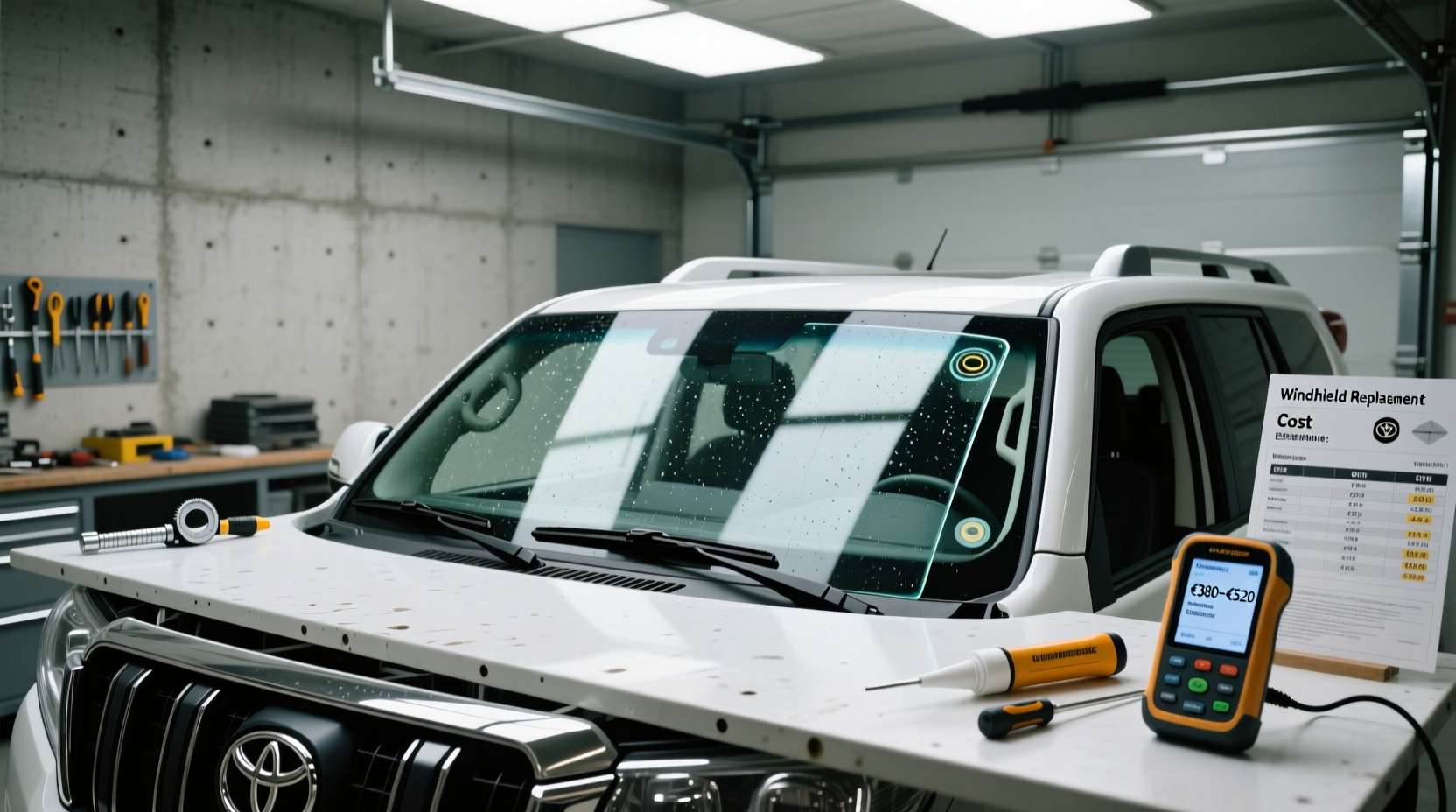
🛒 How much should a windscreen replacement cost? For a Toyota Prado windscreen, expect prices between $400 and $1,200+, depending on model year, glass type (OEM vs aftermarket), and ADAS calibration needs. If your vehicle has advanced driver-assistance systems (ADAS), recalibration after replacement is essential and can add $100–$300 to the total. To avoid poor fit or safety issues, prioritize OEM-spec glass and certified installers—especially if your Prado has rain sensors, heads-up displays, or lane-keeping tech.
📍 About Toyota Prado Windscreen Replacement: What You Need to Know
Replacing the windshield on a Toyota Prado isn’t just about visibility—it’s a critical safety upgrade. The windscreen acts as a structural support in rollover accidents and ensures airbag deployment works correctly. Modern Prado models, especially those from 2018 onward, often come with integrated technology such as rain sensors, UV filtering, and camera mounts for ADAS features like automatic emergency braking and adaptive cruise control. This makes choosing the right replacement more complex than simply matching size and shape.
A proper Toyota Prado windscreen must meet strict optical clarity standards, resist thermal stress, and maintain aerodynamic integrity. Incorrect installation or low-quality glass can lead to leaks, wind noise, or even compromised safety performance. Whether you're replacing due to a crack, chip, or full breakage, understanding the technical and financial aspects of this decision is vital.
📈 Why Toyota Prado Windscreen Replacement Is Gaining Importance
The demand for precise, high-spec windshield replacements has grown significantly due to increasing integration of smart technologies in SUVs like the Prado. Over 80% of new vehicles sold today include at least one ADAS feature that relies on windshield-mounted sensors 1. As these systems become standard, so does the need for specialized replacement procedures.
Additionally, off-road use—a common scenario for Prado owners—increases exposure to debris and temperature extremes, raising the likelihood of damage. Owners are now more aware that not all windshields are equal. Choosing an inferior product may save money upfront but could result in higher long-term costs from recalibrations, re-installations, or reduced resale value.
🔧 Types and Variants of Toyota Prado Windscreens
When shopping for a Toyota Prado windscreen, you’ll encounter several variants based on manufacturing origin, material quality, and technological compatibility.
🏭 OEM (Original Equipment Manufacturer) Glass
- Pros: Matches factory specifications exactly; superior optical clarity; seamless integration with ADAS and sensors; better durability and weather resistance.
- Cons: Typically 20–40% more expensive than aftermarket options; longer lead times in some regions.
👥 Aftermarket Glass
- Pros: Lower price point (often 30–50% cheaper); widely available; suitable for older or non-tech-heavy Prado models.
- Cons: May have slight dimensional differences; lower-grade adhesives or coatings; potential issues with sensor alignment or water repellency.
✨ Specialty Options
- Solar Control Glass: Reduces heat and UV penetration—ideal for hot climates.
- Acoustic Glass: Laminated layer reduces cabin noise—beneficial for highway driving.
- Rain-Sensing Ready: Pre-treated surface allows rain-sensing wipers to function properly post-installation.
| Type | Avg. Cost (USD) | Best For | Lifespan Estimate |
|---|---|---|---|
| OEM Windscreen | $600 – $1,200+ | Newer models with ADAS | 10+ years |
| Aftermarket Standard | $400 – $700 | Older Prados, budget repair | 5–8 years |
| Aftermarket Acoustic | $500 – $850 | Noise-sensitive drivers | 6–9 years |
⚙️ Key Features and Specifications to Evaluate
Before purchasing a replacement, assess the following criteria to ensure compatibility and performance:
- Model-Year Compatibility: Confirm the windscreen fits your specific Prado generation (e.g., J150 vs J250).
- ADAS Readiness: Does it support recalibration? Is it pre-marked for camera alignment?
- Coating Type: Look for hydrophobic, anti-glare, or infrared-reflective coatings if relevant to your climate.
- Seal & Molding Fit: Poor edge sealing leads to leaks and wind noise.
- Manufacturer Certification: Check for AS1 conforming glass (U.S.) or ECE R43 (Europe) compliance.
✅ Pros and Cons of Different Windscreen Choices
| Advantages | Disadvantages |
|---|---|
| OEM glass ensures perfect fit and ADAS functionality | Higher initial cost |
| Aftermarket lowers out-of-pocket expense | May void warranty if ADAS fails post-install |
| Specialty glass improves comfort and efficiency | Limited availability outside major service centers |
📋 How to Choose a Toyota Prado Windscreen: Step-by-Step Guide
Follow this checklist when evaluating options for your Toyota Prado windscreen:
- Identify Your Model Year: Use your VIN or consult the owner’s manual to confirm exact specs.
- Determine ADAS Presence: If your Prado has forward-facing cameras, plan for recalibration.
- Choose Glass Type: Opt for OEM if safety and long-term reliability are priorities.
- Verify Installer Capabilities: Ensure they offer mobile service, warranty, and calibration tools.
- Get Multiple Quotes: Compare at least three providers including labor, materials, and calibration fees.
❗ Red Flags to Avoid
- Quotes that don’t itemize ADAS recalibration
- Installers who claim “no wait time” for same-day OEM glass (likely using aftermarket)
- Pricing below $350 for newer models—may indicate substandard parts or hidden fees
- Refusal to provide written warranty on workmanship
💰 Price & Market Insights: What Should You Pay?
So, how much should a windscreen replacement cost? For a Toyota Prado, the total typically ranges from $400 to over $1,200, broken down as follows:
- Basic Aftermarket Glass + Labor: $400–$600
- OEM Glass Only: $500–$900
- ADAS Recalibration: $100–$300 (required for most post-2015 models)
- Premium Features (acoustic/solar): +$100–$200
Prices vary by region—urban areas tend to charge higher labor rates ($80–$150/hour). Always ask whether the quote includes adhesive curing time, molding reuse, and cleanup. Some shops offer lifetime warranties on installation, which adds value.
📊 Top-Seller & Competitive Analysis
While no single brand dominates globally, top suppliers include Safelite AutoGlass (North America), Autoglass (UK), and local OEM distributors in Australia and the Middle East—regions where the Prado is highly popular.
| Brand/Supplier | Glass Type | ADAS Support | Avg. Total Cost | Warranty |
|---|---|---|---|---|
| Safelite | OEM & Aftermarket | Yes (mobile calibration) | $800–$1,200 | Lifetime install |
| Local Dealer | OEM Only | Yes (dealer-level tools) | $900–$1,400 | 12 months |
| Independent Shop | Mixed | Varies | $400–$800 | 6–24 months |
Dealer services guarantee OEM parts but cost more. Independent shops may offer competitive pricing but verify their calibration equipment beforehand.
📝 Customer Feedback Synthesis
Based on aggregated user reviews across forums and service platforms, here are the most common feedback points:
⭐ Frequent Praises
- “Fast mobile service with same-day OEM replacement.”
- “ADAS recalibrated perfectly—no warning lights after.”
- “Wind noise disappeared compared to previous aftermarket job.”
❗ Common Complaints
- “Charged extra for ‘molding replacement’ not mentioned upfront.”
- “Camera misaligned after installation—had to return twice.”
- “Aftermarket glass yellowed within two years.”
🌐 Sourcing & Supplier Tips
When sourcing a Toyota Prado windscreen, consider:
- Authorized Distributors: Ensure authenticity via Toyota-partner networks.
- Online Retailers: Sites like RockAuto or AutoZone list compatible models—but confirm fitment using VIN.
- Mobile Installers: Convenient but verify credentials and insurance coverage.
- DIY Kits: Not recommended due to risk of improper seal and ADAS failure.
If buying in bulk (e.g., fleet maintenance), negotiate bundled calibration services. Always inspect packaging for manufacturer stamps and batch numbers.
🔒 Maintenance, Safety & Legal Considerations
After replacement, allow at least one hour before driving (longer in cold/humid conditions) to ensure urethane adhesive cures fully. Never use high-pressure car washes for 48 hours.
From a safety standpoint, a poorly installed windshield can compromise roof strength in rollovers and interfere with airbag deployment. Legally, most jurisdictions require windshields to meet minimum optical clarity and crack-free zone standards (usually within the wiper sweep area). While enforcement varies, failing a vehicle inspection due to a damaged or improperly replaced screen is possible.
To stay compliant: check local transport authority guidelines, keep installation records, and follow recalibration protocols for ADAS-equipped vehicles.
📌 Conclusion: Making the Right Choice
Choosing the right Toyota Prado windscreen involves balancing cost, technology, and long-term reliability. How much should a windscreen replacement cost? depends heavily on your vehicle’s specs. If you drive a recent-model Prado with ADAS, invest in OEM glass and professional recalibration—even if it pushes the total toward $1,200. For older models without advanced systems, a high-quality aftermarket option may suffice.
In short: If you prioritize safety and system compatibility, go OEM. If budget is tight and your Prado lacks ADAS, carefully vetted aftermarket installers can deliver acceptable results.
❓ Frequently Asked Questions (FAQs)
Can I replace my Toyota Prado windscreen myself?
It's technically possible but not advisable. Improper installation risks leaks, noise, and compromised safety. ADAS-equipped models require recalibration only possible with professional tools.
Does insurance cover Toyota Prado windscreen replacement?
Most comprehensive auto policies cover windshield replacement, sometimes with zero deductible. Check your provider’s policy—some even partner with approved vendors for direct billing.
How long does a Toyota Prado windscreen replacement take?
Professional installation takes 1–2 hours, plus 1–3 hours for adhesive curing. Avoid driving during cure time to prevent leaks or dislodging.
What happens if ADAS isn’t recalibrated after replacement?
Systems like lane departure warning or automatic braking may malfunction or display false alerts, creating safety risks and potential inspection failures.
Is there a difference between ‘windscreen’ and ‘windshield’?
No functional difference—‘windscreen’ is commonly used in British English and Commonwealth countries; ‘windshield’ in American English. Both refer to the front glass of a vehicle.




 浙公网安备
33010002000092号
 浙B2-20120091-4