
Lately, more buyers are searching how to choose a used Toyota Corolla hatchback that balances longevity, cost, and modern features. If you're looking for a reliable daily driver under $20,000, focus on model years 2015–2019 or 2020+. Avoid 2000–2003, 2009, and 2014 due to known mechanical issues like excessive oil consumption, water pump failures, and early CVT problems. If you’re a typical user, you don’t need to overthink this. Stick with post-2015 hatchbacks for better safety tech and resale value. For budget buyers, 2010–2013 sedans converted to personal use offer low risk—but verify service history.
About the Toyota Corolla Hatchback
The Toyota Corolla has been one of the world’s best-selling cars for decades. While traditionally offered as a sedan, the hatchback variant returned strongly in 2019 with the twelfth generation (E210), marking a shift toward sportier design and improved utility. This version is built on the Toyota New Global Architecture (TNGA), which enhances ride quality, handling, and crash safety compared to older models.
The current hatchback is available in both gasoline and hybrid configurations, primarily marketed as the Corolla Hatchback (U.S.) or Corolla Sport (Japan/Europe). It competes with compact hatchbacks like the Honda Civic Hatchback and Mazda3, but stands out for long-term reliability and lower ownership costs. Unlike earlier generations, where hatchbacks were rare or region-specific, today’s model is widely available across North America and increasingly common in used inventories.
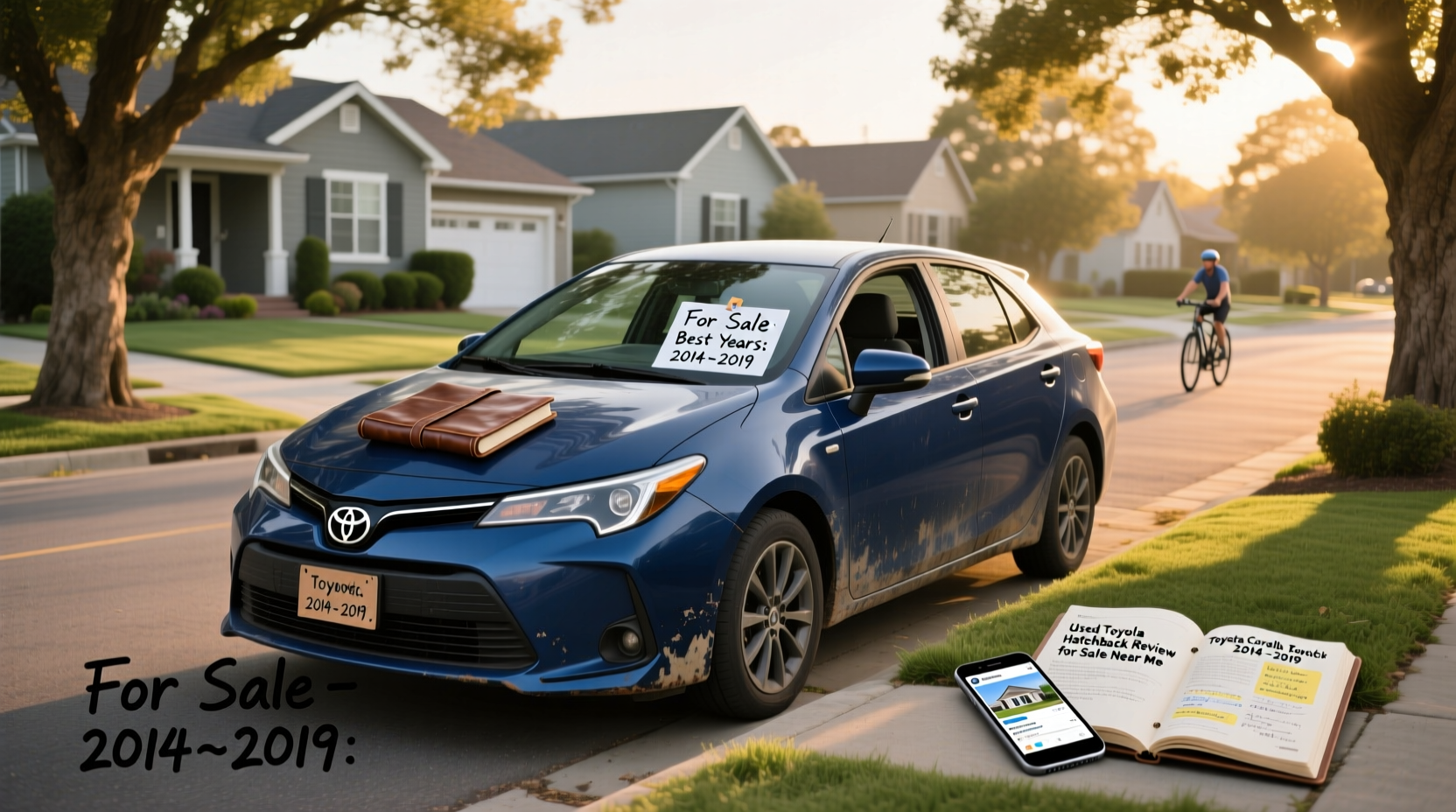
Why the Used Corolla Hatchback Is Gaining Popularity
Over the past year, demand for used compact hatchbacks has risen, driven by urban driving needs, fuel efficiency concerns, and cargo flexibility. The Corolla Hatchback fits this trend perfectly. Its rear fold-down seats expand cargo space to nearly 50 cubic feet, making it suitable for small families, pet owners, or weekend adventurers.
Recent updates also play a role. Starting in 2020, most trims include standard Toyota Safety Sense 2.0 (TSS), offering adaptive cruise control, lane departure warning, and automatic emergency braking. These features were once premium-only but now come bundled even in base models, increasing perceived value in the used market.
If you’re a typical user, you don’t need to overthink this: the combination of proven powertrains, strong residual values, and widespread dealer support makes the Corolla Hatchback a rational choice among compact cars.
Types and Variants
The modern Corolla Hatchback comes in several trim levels and drivetrains, each suited to different priorities.
1. Gasoline (Non-Hybrid)
- Engine: 2.0L inline-4 (169 hp)
- Transmission: CVT with physical first gear (launch gear)
- Trims: SE, XSE
Pros: Lower upfront cost, simpler maintenance, sportier tuning on SE/XSE with available manual transmission (discontinued after 2022).
Cons: Less fuel-efficient than hybrid; CVT can feel sluggish during quick acceleration.
2. Hybrid
- Engine: 1.8L four-cylinder + electric motor (121 hp combined)
- Transmission: e-CVT (electronically controlled CVT)
- Trims: LE, SE, XSE (hybrid variants)
Pros: EPA-estimated 50+ mpg city, smoother stop-start behavior, eligible for some local incentives.
Cons: Higher initial price, battery replacement uncertainty beyond 150,000 miles; limited trunk space due to battery placement.
3. Performance Trim (Corolla GR)
- Engine: Turbocharged 1.6L three-cylinder (257 hp)
- Transmission: 6-speed manual only
- Trim: GR Corolla (introduced 2022)
Pros: Rally-inspired AWD system, aggressive styling, enthusiast-focused dynamics.
Cons: Significantly higher depreciation risk in used market, stiffer ride, premium fuel required, limited availability.
This piece isn’t for keyword collectors. It’s for people who will actually use the product.
Key Features and Specifications to Evaluate
When evaluating a used Corolla Hatchback, prioritize these elements based on your usage pattern.
Fuel Efficiency
When it’s worth caring about: If you drive over 15,000 miles per year or live in a high-fuel-cost area.
When you don’t need to overthink it: If annual mileage is below 10,000 miles—the difference between hybrid and gas models may save less than $300/year.
Safety Tech (Toyota Safety Sense)
- TSS 2.0 (2020–2022): Includes pre-collision system with pedestrian detection
- TSS 3.0 (2023+): Adds intersection assist and enhanced lane tracing
When it’s worth caring about: For drivers in dense traffic or those prioritizing family safety.
When you don’t need to overthink it: If you park in secure areas and drive short commutes—the core braking systems remain effective regardless.
Infotainment
All 2019+ models have Apple CarPlay and Android Auto. Wireless versions arrived in 2023. Physical knobs remain for climate control—a usability win.
When it’s worth caring about: If you frequently use navigation or voice assistants.
When you don’t need to overthink it: If you rely on smartphone mounting and Bluetooth audio.
Cargo Space
Hatchback offers 23.3 cu ft behind rear seats, expanding to 47.0 cu ft when folded. Slightly less than Civic Hatchback but more usable shapes.
Pros and Cons
| Pros | Cons |
|---|---|
| ✅ Proven reliability (especially 2015+) | ❗ Ride can feel stiff on SE/XSE trims |
| ✅ Standard advanced safety features | ❗ Base infotainment screen is small (7-inch) |
| ✅ Low maintenance costs | ❗ Hybrid battery longevity unclear beyond 150k miles |
| ✅ Strong resale value | ❗ Limited third-row visibility (blind spots) |
| ✅ Fuel-efficient options available | ❗ Interior plastics are hard-touch in lower trims |
How to Buy a Used Toyota Corolla Hatchback
Follow this checklist to avoid costly oversights.
Step-by-Step Checklist
- Define your budget: Most clean 2019–2021 hatchbacks range from $16,000–$22,000 depending on trim and location.
- Narrow by model year: Prioritize 2015–2019 or 2020+; avoid 2000–2003, 2009, and 2014.
- Verify vehicle history: Use VIN to check for accidents, title issues, or lease buyouts.
- Schedule a pre-purchase inspection: Have a trusted mechanic inspect engine, transmission, brakes, and suspension.
- Test drive with purpose: Check for CVT shudder at low speeds, listen for unusual noises, test all buttons.
- Negotiate based on condition: Deduct $500–$1,000 for worn tires or overdue maintenance.
Decision Flow
- If you want maximum fuel economy → Choose hybrid trim (SE or XSE)
- If you prefer engaging driving → Look for 2019–2021 SE with manual transmission
- If safety is top priority → Target 2020+ with TSS 2.0 or newer
- If budget is tight (<$15K) → Consider 2015–2018 sedan instead—same platform, lower price
Recommendations by Scenario
- Urban commuter: 2020+ Hybrid LE — efficient, compact, easy to park.
- First-time buyer: 2019–2021 SE — balanced features, affordable insurance.
- Road tripper: 2021+ XSE — larger wheels, better sound insulation, optional sunroof.
- Enthusiast: GR Corolla (2022+) — only if prepared for premium ownership costs.
Red Flags / What to Avoid
- Avoid 2000–2003 models: Prone to engine sludge and oil burning due to poor PCV systems and neglected oil changes.
- Avoid 2009 models: Water pump failures in 2.4L engine (common in recalls); check Cars.com recall lookup tool1.
- Avoid 2014 models: First year of new CVT tuning—reports of lag and jerking. Also linked to airbag recalls.
- Beware of salvage titles: Even if repaired, structural integrity may be compromised.
- No service records: High-risk unless backed by certified inspection.
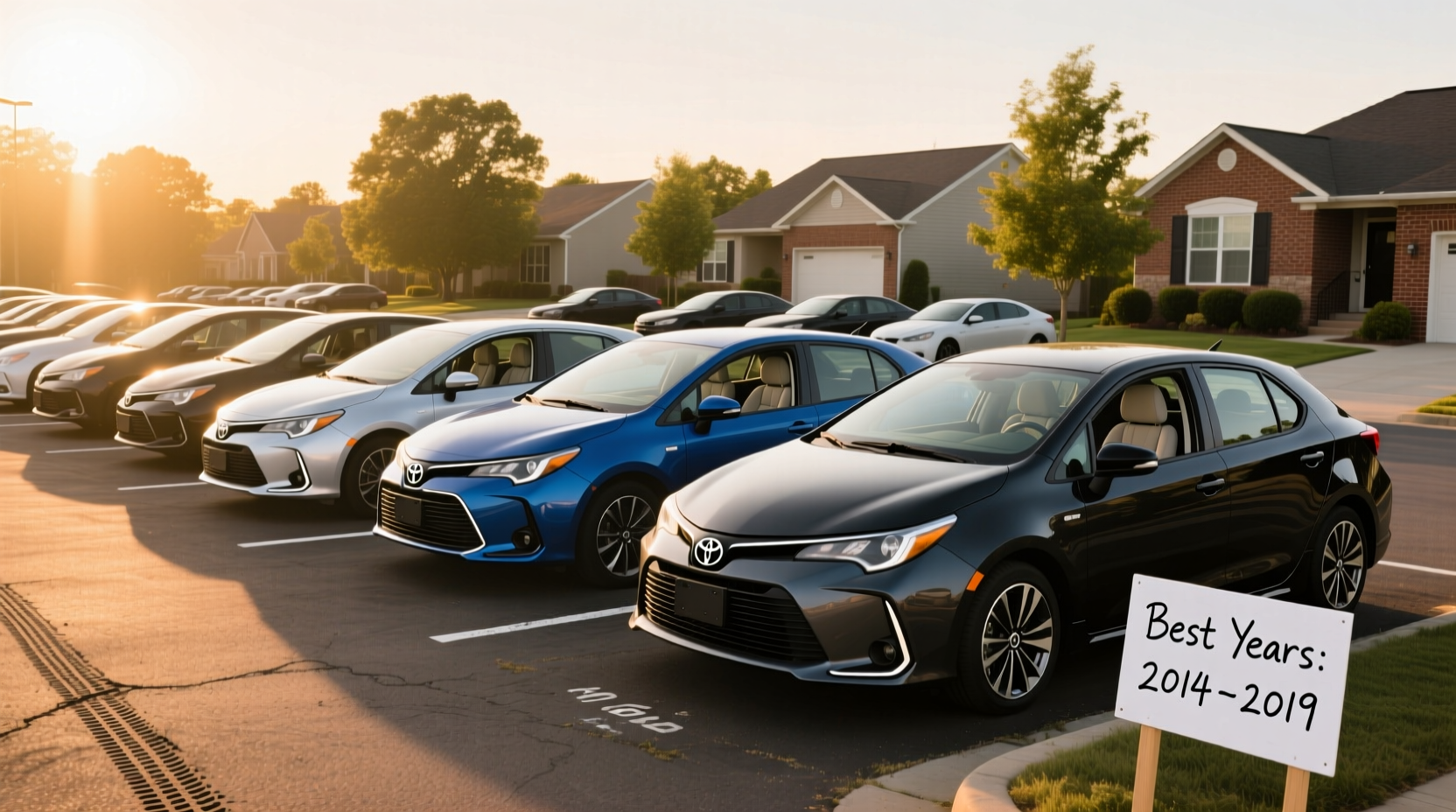
Price & Market Insights
Prices vary significantly by region, trim, and condition. As of early 2025, average asking prices are:
- 2019 SE (gas): $15,500–$18,000
- 2020 Hybrid LE: $17,000–$19,500
- 2021 XSE (gas): $19,000–$22,000
- 2022 GR Corolla: $30,000–$38,000 (highly dependent on mileage and mods)
Premiums exist in coastal cities and cold-weather markets where hybrids perform better. Always compare listings locally using tools like Cargurus or Autotrader. Remember: prices may vary by region/model/seller. Verify final pricing at point of sale.
Top-Seller & Competitive Analysis
The Corolla Hatchback competes directly with the Honda Civic Hatchback and Mazda3 Hatchback. Here's how they compare:
| Model | Reliability | Fuel Economy (Combined) | Safety Score (IIHS) | Owner Satisfaction |
|---|---|---|---|---|
| Toyota Corolla Hatchback (2020+) | ⭐⭐⭐⭐☆ | 35–50 mpg | Top Safety Pick+ | High |
| Honda Civic Hatchback (2020+) | ⭐⭐⭐⭐☆ | 36–44 mpg | Top Safety Pick+ | Very High |
| Mazda3 Hatchback (2020+) | ⭐⭐⭐☆☆ | 32–36 mpg | Top Safety Pick+ | Very High |
While the Mazda3 leads in driving engagement and interior quality, the Corolla wins on long-term cost predictability. The Civic matches it in reliability and tech but often commands a $1,000–$2,000 premium in the used market.
Customer Feedback Synthesis
Based on aggregated owner reviews from forums and retailer sites:
Most Frequent Praises
- “Hasn’t had a single breakdown in 8 years.”
- “Love the CarPlay integration—just works every time.”
- “Insurance is cheap for my age group.”
- “Gets great mileage in city driving.”
Most Common Complaints
- “CVT drone under hard acceleration feels annoying.”
- “Base stereo sounds flat without upgrade.”
- “Rear headroom tight for taller passengers.”
- “Wind noise noticeable above 65 mph.”
Sourcing & Supplier Tips
Where you buy matters as much as what you buy.
- Dealerships: Offer financing and warranties; look for Toyota-certified pre-owned (CPO) programs with extended coverage.
- Private sellers: Often cheaper but require more diligence. Insist on independent inspection.
- Online platforms: Cars.com, Autotrader, and Cargurus allow filtering by year, trim, and reported issues. Set alerts for new inventory.
- Auction sources: Generally not recommended for first-time buyers—condition transparency varies.
If you’re a typical user, you don’t need to overthink this: buying from a franchised dealer with a CPO label reduces risk more than any single spec sheet.
Maintenance, Safety & Legal Considerations
Regular maintenance keeps repair costs low. Key intervals:
- Oil change: Every 5,000–10,000 miles (synthetic)
- Coolant flush: Every 100,000 miles
- Brake fluid: Every 2 years
- Hybrid battery health: Monitor via OBD2 scanner after 120,000 miles
Safety-wise, ensure any active recalls have been addressed. Use the NHTSA VIN lookup tool or manufacturer website to confirm.
Legally, all vehicles must meet local registration requirements. Emissions testing rules may affect older non-hybrid models in states like California or New York. Confirm local regulations before purchase.
Conclusion
If you need a dependable, low-cost commuter car with room for gear, choose a 2019–2023 Corolla Hatchback with TSS and CarPlay. If you’re prioritizing fuel economy and drive frequently, go hybrid. If you’re on a tight budget but still want Corolla reliability, consider a 2015–2018 sedan instead. Avoid 2000–2003, 2009, and 2014 models—they carry disproportionate risks that outweigh any price savings.
Everything You Need to Know
What Toyota Corolla years should I avoid?
Avoid 2000–2003 due to engine sludge and oil consumption, 2009 for water pump and cooling issues, and 2014 for early CVT tuning problems and recalls. These model years show higher-than-average repair rates. Instead, focus on 2015–2019 or 2020+ models for better reliability and modern features.
Is the Toyota Corolla Hatchback reliable?
Yes, especially models from 2015 onward. The 2.0L engine and CVT combination has proven durable with regular maintenance. Hybrid versions also report few major issues under normal driving conditions. Third-party reliability surveys consistently rank the Corolla near the top of its class.
Does the used Corolla Hatchback have Apple CarPlay?
All 2019 and newer Corolla Hatchbacks include standard Apple CarPlay and Android Auto. Wired connection required until 2023, when wireless became available on higher trims. Check listing details or test connectivity during test drive.
How much does a used Toyota Corolla Hatchback cost?
Expect to pay $15,500–$22,000 for a well-maintained 2019–2021 model, depending on trim, mileage, and location. Hybrid and XSE trims command premiums. Prices may vary by region/model/seller—always compare local listings.
Are there any recalls on the Toyota Corolla Hatchback?
Some model years have open or resolved recalls, particularly around airbags, fuel pumps, and software glitches. Always verify the vehicle’s VIN against the official Toyota recall database or use Cars.com’s lookup tool1 to check history before buying.




 浙公网安备
33010002000092号
 浙B2-20120091-4