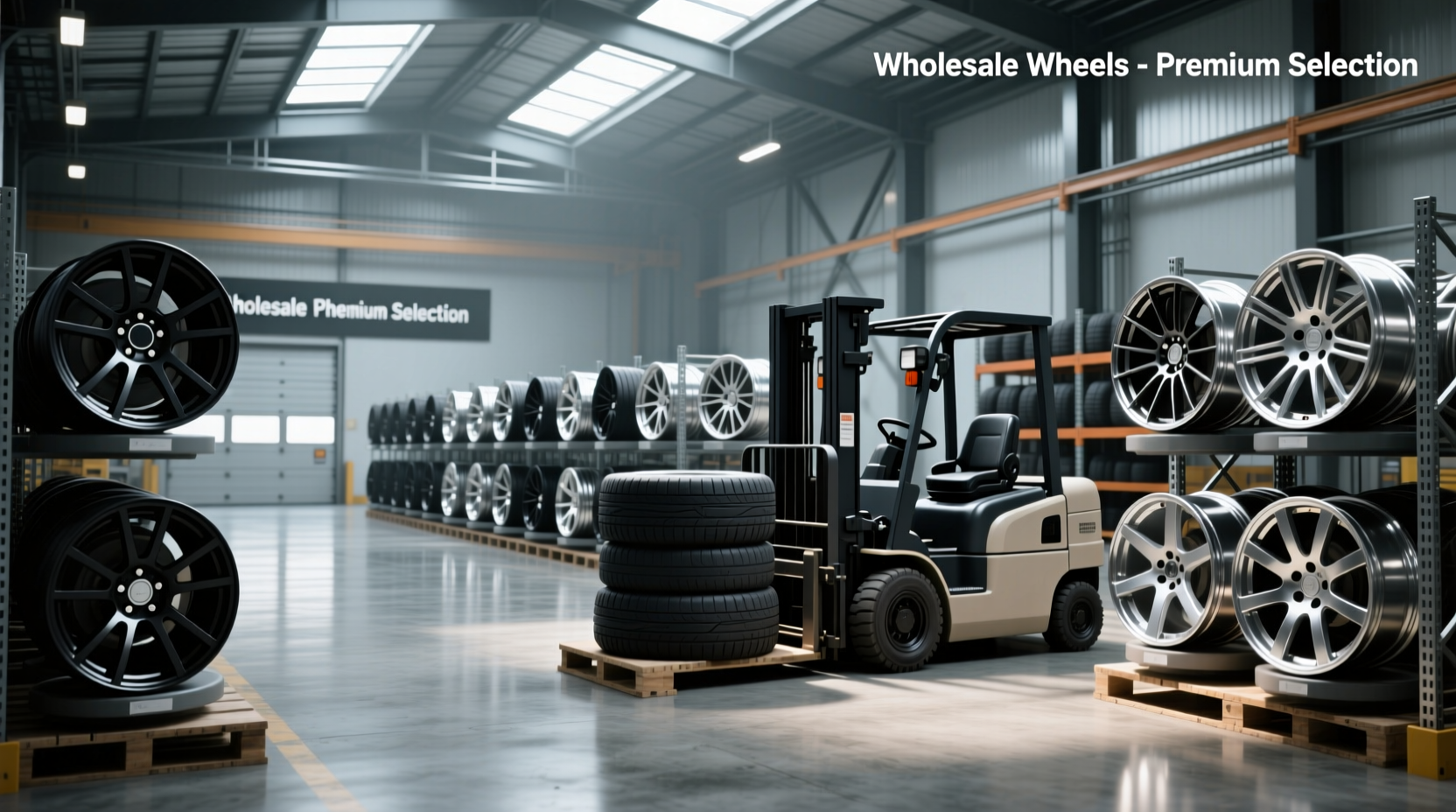
Lately, more buyers are turning to wholesale wheels for cost-effective replacements or fleet upgrades. If you’re replacing factory wheels or outfitting multiple vehicles, aluminum alloy rims from trusted distributors offer durability and savings. Focus on bolt pattern (PCD), offset, and rim diameter—these must match your vehicle specs. Avoid mismatched load ratings or unverified finish claims. If you’re a typical user, you don’t need to overthink this: most aftermarket wheels labeled as OEM-compatible work reliably when sourced from established suppliers.
This piece isn’t for keyword collectors. It’s for people who will actually use the product.
Short introduction
Over the past year, demand for wholesale wheels has grown among small fleets, ride-share operators, and repair shops looking to cut costs without sacrificing reliability. Whether you're upgrading passenger cars, SUVs, or light trucks, buying in bulk can reduce per-unit cost significantly—if you know what specs matter. The key is balancing fitment accuracy with material quality. For most users, factory-spec aluminum alloy wheels with verified load ratings are sufficient. If you’re a typical user, you don’t need to overthink this: prioritize correct PCD, proper finish warranty, and return policy clarity over flashy branding.
About wholesale wheels
Wholesale wheels refer to bulk-purchased rims—typically aluminum alloy or steel—sold directly by distributors or authorized resellers. These are not retail markups but volume-based pricing models used by garages, dealerships, and logistics companies. Unlike custom one-offs, wholesale units emphasize consistency, interchangeability, and compliance with standard sizing codes.
These wheels may be OEM replicas, certified aftermarket designs, or original equipment surplus. They are often grouped into tire-and-wheel packages, simplifying installation and balancing. Suppliers like Wheel Pros or Wholesale Wheel & Hubcap maintain large inventories of common sizes (15–20 inch) for domestic and import models.
Why wholesale wheels are gaining popularity
Recently, rising vehicle ownership and increased wear on urban roads have driven demand for affordable replacement parts. Fleet managers and independent mechanics now treat wheel replacement as routine maintenance rather than a premium upgrade. This shift reflects broader access to standardized aftermarket components.
Additionally, online ordering platforms now allow smaller shops to buy at near-distributor rates. Bulk discounts, combined with free mounting offers from some vendors, make wholesale options financially compelling. Shipping improvements also mean faster delivery across regions, reducing downtime.
If you’re a typical user, you don’t need to overthink this: the availability of pre-vetted, compatible wheels means fewer compatibility surprises during swaps.
Types and variants
Not all wholesale wheels perform the same. Below are common types available through major distributors:
1. Cast Aluminum Alloy Wheels
- Pros: Lightweight, corrosion-resistant, wide style variety
- Cons: Less impact-resistant than forged; may crack under heavy curb strikes
2. Steel Wheels
- Pros: Durable, lower cost, ideal for winter setups
- Cons: Heavier, prone to rust if coating fails
3. Flow-Formed Alloy Wheels
- Pros: Stronger than cast, lighter than steel, good balance for daily drivers
- Cons: Higher price point, limited stock in rare sizes
4. Replica OEM Wheels
- Pros: Exact appearance match to factory units, seamless integration
- Cons: Varies in quality; verify manufacturer authenticity
If you’re a typical user, you don’t need to overthink this: cast aluminum covers most needs unless you operate in extreme conditions.
Key features and specifications to evaluate
When comparing wholesale wheels, focus only on what affects fitment and safety:
- Bolt Pattern (PCD): Number of lugs and pitch circle diameter (e.g., 5x114.3). Must match your hub.
- Offset (ET): Distance from mounting surface to centerline. Incorrect offset causes rubbing or handling issues.
- Center Bore: Diameter of the hole that fits the hub. Should match exactly or use hub-centric rings.
- Load Rating: Expressed in kilograms or pounds per wheel. Ensure it meets or exceeds OEM spec.
- Finish Type: Painted, machined, chrome, or powder-coated. Check warranty length and scratch resistance.
When it’s worth caring about: You’re modifying suspension or using non-standard tire widths.
When you don’t need to overthink it: Replacing like-for-like on a stock vehicle with known compatible models.
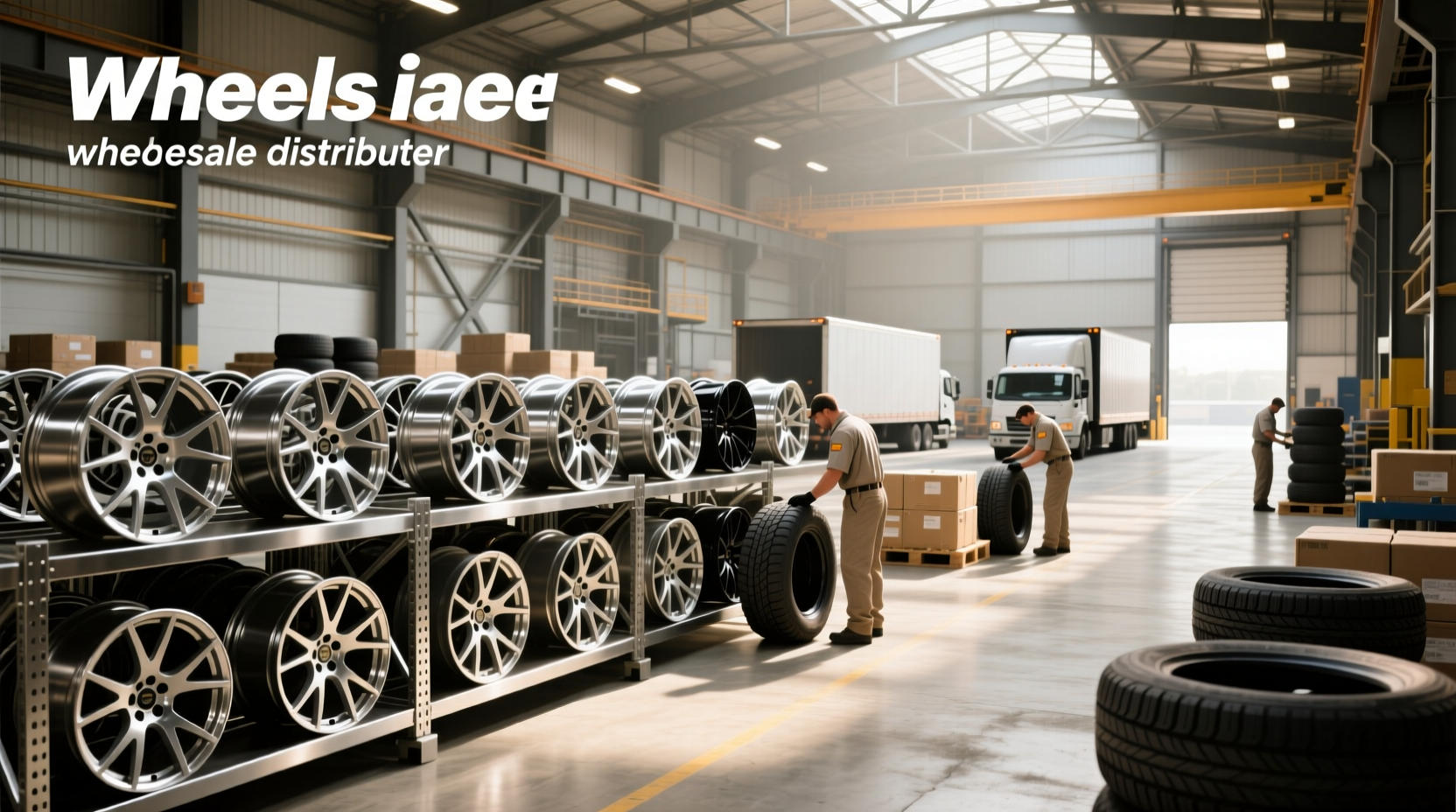
Pros and cons
- Lower cost per unit when buying four or more
- Access to professional-grade materials (e.g., T6 aluminum)
- Inclusion of services like balancing or TPMS setup
- Consistent batch quality from reputable brands
- Minimum order quantities may apply
- Return policies vary—some exclude installed wheels
- Color and finish may slightly differ between batches
- Shipping costs can offset savings for remote locations
If you’re a typical user, you don’t need to overthink this: benefits outweigh risks as long as you confirm specs before purchase.
How to choose wholesale wheels
Follow this step-by-step guide to avoid costly mistakes.
Step-by-step checklist
- Confirm your vehicle’s make, model, year, and trim
- Locate OEM wheel specs (manual or door jamb sticker)
- Select a supplier with filter tools by vehicle or PCD
- Verify compatibility using their fitment guide
- Check return window and restocking fees
- Review customer photos for real-world finish accuracy
- Compare total landed cost (shipping included)
Decision flow
- Need exact OEM look? → Choose replica or OE-design wheels
- Want lightweight performance? → Opt for flow-formed alloys
- On tight budget? → Consider steel or basic cast aluminum
- Buying for resale or service? → Prioritize brand recognition and warranty
Recommendations by scenario
- Daily commuter: 16–18” cast aluminum, standard offset, painted finish
- Fleet vehicle: 17” steel or durable alloy, high load rating, minimal finish
- SUV/truck: 18–20” with reinforced sidewalls, positive offset
- Ride-share: Mid-tier alloy with scratch-resistant coating
Red flags / what to avoid
- No clear fitment data provided
- Prices significantly below market average
- Vague descriptions like "fits most Fords"
- Lack of load rating or certification mention
- Supplier doesn't respond to technical questions
This piece isn’t for keyword collectors. It’s for people who will actually use the product.
Price & market insights
Pricing varies widely based on material, brand, and region. Basic 16-inch cast aluminum wheels start around $60 each in bulk, while 20-inch flow-formed versions can exceed $150 per unit. Steel wheels remain the cheapest option, often under $50 in quantity.
Tire-and-wheel packages may offer better value, especially with free mounting included. However, shipping costs can add $100+ depending on location. Prices may vary by region/model/seller—always request a quote with delivery estimate.
If you’re a typical user, you don’t need to overthink this: spending $80–$120 per alloy wheel in a set of four delivers reliable performance for most sedans and crossovers.
Top-seller & competitive analysis
The following suppliers are frequently referenced in commercial channels:
| Supplier | Specialty | Min Order | Key Advantage |
|---|---|---|---|
| Wholesale Wheel & Hubcap | OEM replacements | Single units accepted | Large in-stock inventory |
| Wheel Pros | Aftermarket brands | Dealer network only | Design consistency across models |
| OE Wheels LLC | Replica + OEM | 4+ wheels | Same-day shipping guarantee |
| Alibaba.com (verified sellers) | Global export | MOQ 4–20 pcs | Lowest base pricing |
Note: While Alibaba.com lists low-cost options, vet suppliers carefully via sample orders or third-party inspection services. This article does not endorse any single vendor.
Customer feedback synthesis
Based on aggregated reviews and service reports:
- Frequent praise: Smooth installation process, accurate fitment, timely delivery, professional packaging
- Common complaints: Finish chipping within first year, slight color variance in black alloys, delayed responses from smaller suppliers
- Service note: Buyers appreciate suppliers offering PDF fitment guides and direct phone support
If you’re a typical user, you don’t need to overthink this: consistent feedback supports choosing suppliers with responsive communication and documented compatibility.
Sourcing & supplier tips
For reliable sourcing:
- Use VIN-specific search tools where available
- Request FITMENT CERTIFICATION for each wheel model
- Avoid drop-shippers without physical warehouses
- Ask for batch sample photos before full order
- Verify return policy for misfit or damaged goods
When dealing with international suppliers, clarify whether customs duties or import taxes are included. Terms may vary by region/model/seller—confirm before payment.
Maintenance, safety & legal considerations
Once installed, follow standard care practices:
- Torque lug nuts to manufacturer specification after 50 miles
- Inspect for cracks or warping annually, especially on alloy wheels
- Clean with pH-neutral products to preserve finish
- Ensure TPMS sensors are functioning post-installation
No universal regulation governs aftermarket wheels, but they must not interfere with brake lines, suspension travel, or fender clearance. Verify compliance locally if modifying beyond OEM specs. This applies particularly to offset changes or wider tire profiles.
Conclusion
If you need reliable replacements for stock vehicles, choose cast aluminum wheels with confirmed fitment and a clear return policy. If you manage fleets or service centers, prioritize suppliers with fast turnaround and consistent batch quality. If you’re a typical user, you don’t need to overthink this: focus on compatibility, skip unnecessary upgrades, and stick to reputable sources.
Everything You Need to Know
Confirm bolt pattern, offset, center bore, and load rating match your vehicle. Use your VIN or owner’s manual for reference. If unsure, consult the supplier with your exact model details. Also verify return terms in case of fitment errors.
It’s technically possible if all specs match exactly, but not recommended. Differences in weight distribution or spoke design can affect balance and ride quality. Stick to identical models per axle for optimal performance.
Yes, especially steel wheels, which handle road salt and impacts better than alloys. Many buyers keep separate steel sets for winter use. Just ensure the winter wheels meet the same fitment requirements as your summer setup.
Some packages include them; others require separate purchase. Always ask the supplier. If your vehicle uses TPMS, either transfer sensors from old wheels or buy new ones calibrated to the replacement set.
Look for manufacturer logos, model numbers, and certification marks stamped on the back. Reputable suppliers provide product datasheets. When in doubt, request documentation or compare with OEM part numbers. Avoid units with missing or blurry engravings.




 浙公网安备
33010002000092号
 浙B2-20120091-4