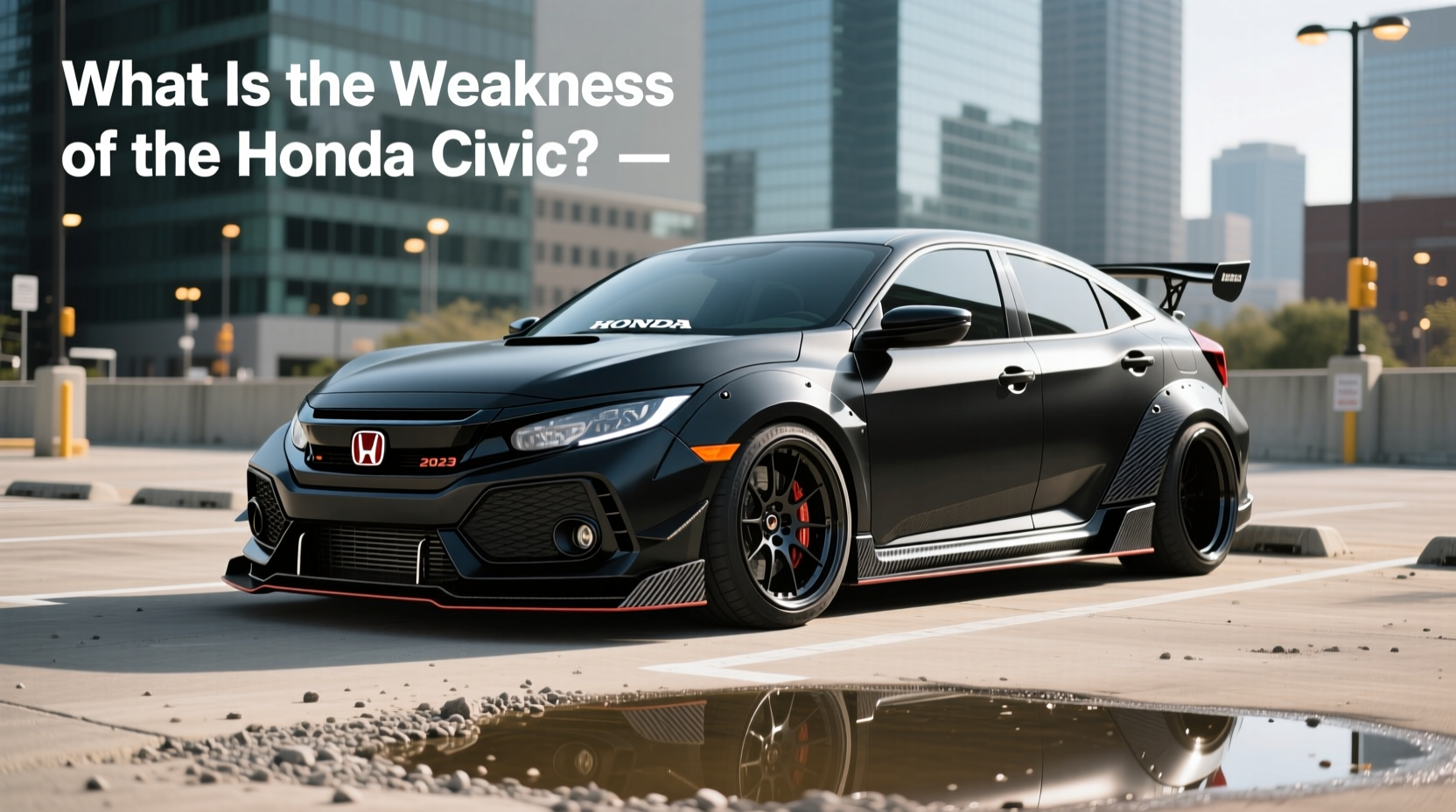
Lately, more Civic owners are turning to wide body kits to achieve an aggressive stance and fit wider tires. If you’re considering one for your Honda Civic hatchback, here’s the bottom line: most kits require cutting or welding, come in fiberglass or carbon fiber, and significantly increase total cost through installation and paint work. How to choose a wide body kit? Focus on compatibility with your generation (EG, EK, 10th, 11th), understand that "bolt-on" claims often mislead, and expect added vulnerability to parking scrapes. If you’re a typical user, you don’t need to overthink this — unless you plan track use or daily driving in tight urban spaces, the practical trade-offs usually outweigh the visual gains.
About Wide Body Kits for Honda Civic Hatchback
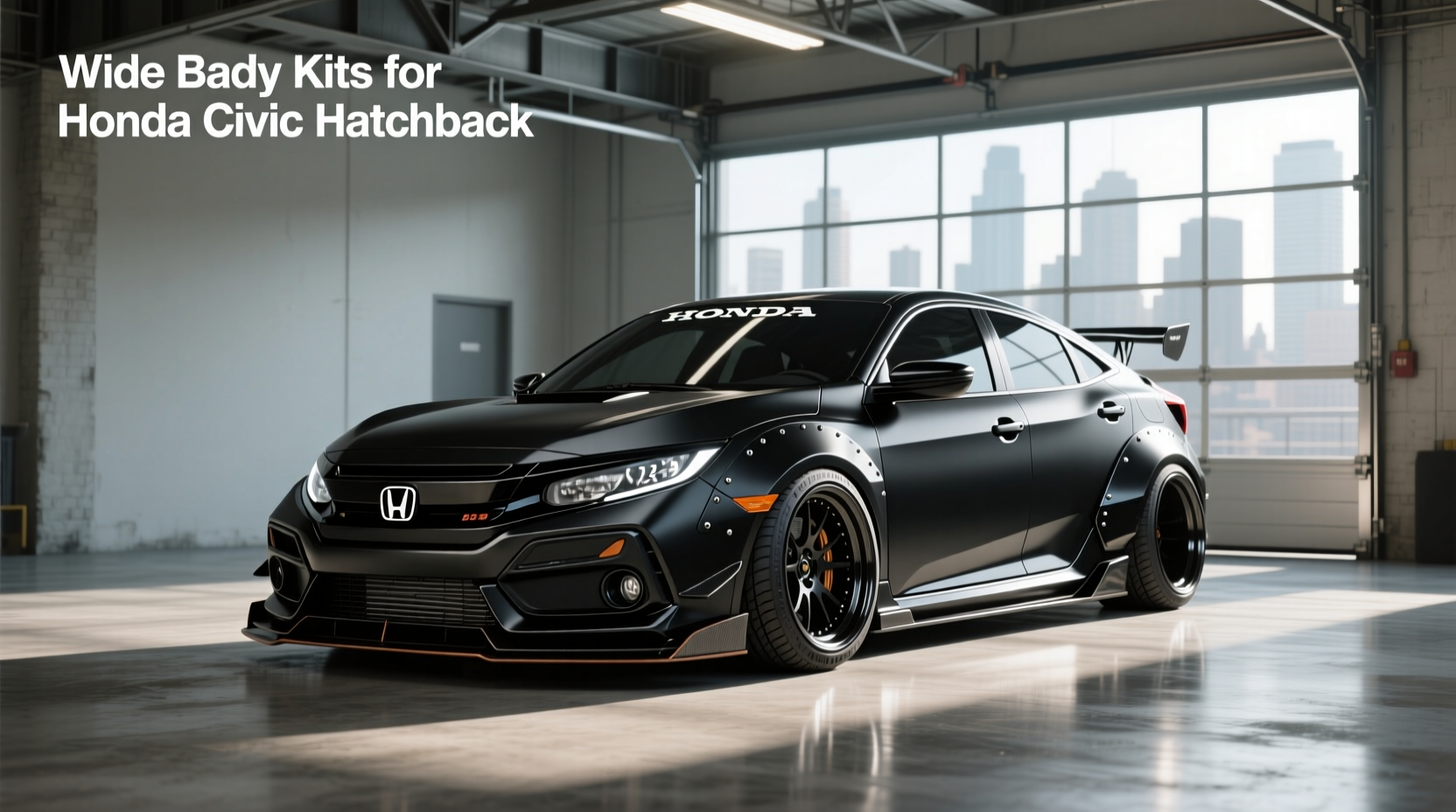
A wide body kit modifies the outer fenders and body panels of a Honda Civic hatchback to allow for wider wheels and tires. Unlike simple fender flares, true wide bodies involve extended quarter panels, front and rear bumpers, side skirts, and sometimes integrated aerodynamic elements like splitters or canards. These kits are available for multiple generations — including EG (1992–1995), EK (1996–2000), 10th Gen (2016–2021), and 11th Gen (2022+). While marketed as style upgrades, they fundamentally change how the car interacts with its environment — from clearance to maintenance frequency.
Why Wide Body Kits Are Gaining Popularity
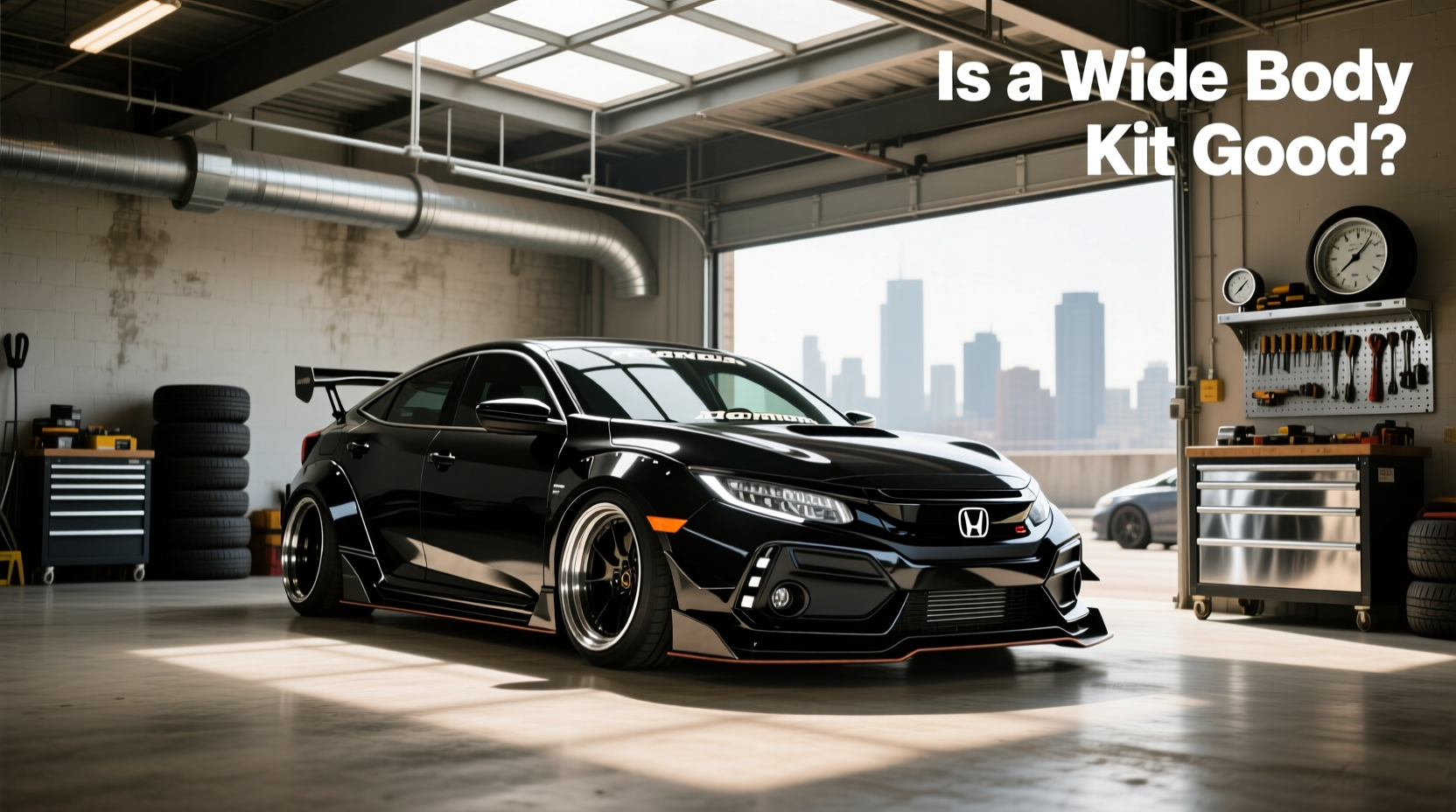
Over the past year, interest in wide body builds has grown beyond niche tuner circles. The shift is driven by social media visibility, increased availability of pre-designed kits, and rising demand for personalized aesthetics in compact sedans and hatchbacks. For the Civic hatchback, the appeal lies in balancing factory efficiency with aftermarket boldness. Enthusiasts appreciate the hatchback’s sporty profile and want to amplify it. Some also seek performance benefits — wider tires improve grip, especially during cornering. However, many buyers underestimate the downstream costs: professional installation, paint matching, and long-term usability. This piece isn’t for keyword collectors. It’s for people who will actually use the product.
Types and Variants
Wide body kits vary significantly in design, complexity, and integration level. Choosing the right type depends on your goals: show car precision, street durability, or track functionality.
Fiberglass Reinforced Plastic (FRP) Kits
- Pros: Lower upfront cost, widely available, customizable paint finish
- Cons: Brittle in cold weather, prone to cracking on impact, may warp over time
When it’s worth caring about: If budget is tight and you're aiming for a weekend show car. When you don’t need to overthink it: If you drive daily in harsh climates or frequently park on crowded streets.
Carbon Fiber Reinforced Polymer (CFRP) Kits
- Pros: Lightweight, high strength-to-weight ratio, premium appearance (exposed weave)
- Cons: High cost (often 2–3× FRP), limited repairability, UV degradation without coating
When it’s worth caring about: For weight-sensitive builds or competitive displays. When you don’t need to overthink it: For most street-driven Civics — the performance gain rarely justifies the price jump.
Bolt-On vs. Weld-On Designs
- Bolt-on: Marketed as easier install; still usually requires trimming and reinforcement
- Weld-on: Permanent modification, better structural integrity, but irreversible
When it’s worth caring about: If you plan to resell the car or live in a region with strict vehicle modification rules. When you don’t need to overthink it: If you're committed to the build and accept permanent changes.
Key Features and Specifications to Evaluate
Not all wide body kits are created equal. Before purchasing, assess these core specs:
- Generation Fitment: Confirm exact model compatibility (e.g., 2016–2021 10th Gen hatchback vs. sedan)
- Material Thickness: Thicker FRP (2–3mm) resists flex better than thin panels
- Mounting System: Look for reinforced brackets or internal support structures
- Aerodynamic Elements: Integrated canards or diffusers add function but increase scrape risk
- Paint Finish Options: Primed, painted, or raw — each affects final cost and timeline
If you’re a typical user, you don’t need to overthink this. Most buyers prioritize visual impact over airflow optimization. Focus instead on panel gap consistency and seam alignment — poor fitment leads to wind noise and water leaks.
Pros and Cons
| Aspect | Pros | Cons |
|---|---|---|
| Appearance | Aggressive stance, head-turning design | May not suit all tastes; polarizing in conservative areas |
| Performance | Enables wider tires for better traction | No inherent power or handling improvement |
| Installation | Can be done at specialty shops | Often requires cutting/welding; labor-intensive |
| Maintenance | Replaceable panels if damaged | Higher repair cost; harder to source replacements |
| Durability | Carbon fiber resists corrosion | Fiberglass cracks under stress or temperature swings |
How to Choose a Wide Body Kit: Buying Guide
Selecting the right kit involves more than picking a style you like. Follow this checklist to avoid costly mistakes.
Step-by-Step Checklist
- Identify your Civic’s generation and trim (hatchback vs. sedan)
- Decide between FRP and carbon fiber based on budget and usage
- Verify whether the kit is truly bolt-on or requires fabrication
- Confirm inclusion of all components (fenders, bumpers, skirts, hardware)
- Check installer availability and average labor rates in your area
- Get a quote for full paint job and clear coat protection
- Review return policy and warranty terms from seller
Decision Flow
Start with purpose:
- Show car? → Prioritize brand reputation and finish quality
- Daily driver? → Avoid extreme widths; consider parking clearance
- Track use? → Look for vented fenders and heat-resistant materials
Recommendations by Scenario
- Budget Build: FRP kit from a known supplier like Robot Bodykits, installed locally
- High-Impact Look: Full Pandem-style kit (e.g., Fenderist or Kevmannz) with custom paint
- Minimal Modification: Bolt-on flares rather than full wide body
Red Flags / What to Avoid
- Vague fitment claims: "Fits most Civics" is a warning sign
- No installation guide: Reputable sellers provide templates or instructions
- Unrealistic pricing: A complete carbon fiber kit under $2,000 likely cuts corners
- Poor customer reviews: Watch for recurring complaints about gaps or warping
- No contact option: Avoid suppliers who don’t respond to inquiries
If you’re a typical user, you don’t need to overthink this. Stick with vendors who specialize in Hondas and offer post-sale support.
Price & Market Insights
Prices vary widely based on material, brand, and completeness. FRP kits typically range from $800 to $2,500, while full carbon fiber setups can exceed $5,000. Labor for removal, test fitting, cutting, and painting may add $2,000–$4,000 depending on region. Paint matching alone can cost $500–$1,200. These figures may vary by region/model/seller. To verify actual cost: get written quotes from two body shops and compare kit contents across suppliers. Remember, the cheapest option often leads to higher long-term expenses due to rework.
Top-Seller & Competitive Analysis
Several brands dominate the Civic wide body market, each with distinct approaches.
| Brand | Kits Offered | Material Options | Known For |
|---|---|---|---|
| Fenderist | 10th & 11th Gen | FRP, Carbon | Clean lines, good gap tolerance |
| Kevmannz | 10th Gen Hatchback | FRP | Aggressive styling, complete kits |
| Mozzy (MOZY) | EG, 11th Gen | FRP | Innovative shapes, limited runs |
| Fortune Automotive (F11R) | 11th Gen Only | FRP, Carbon | Production-focused, precise engineering |
| Robot Bodykits | Multiple Generations | FRP | Budget-friendly, global shipping |
If you’re a typical user, you don’t need to overthink this. Fenderist and F11R offer the best balance of fit and support for newer models. For older generations, community feedback favors Kevmannz and Mozzy.
Customer Feedback Synthesis
Analysis of recent buyer comments reveals consistent themes:
- Positive: "The stance is perfect," "Installer said fitment was surprisingly accurate," "Got constant compliments at car meets"
- Negative: "Had to modify mounting points myself," "One fender warped after six months," "Paint didn’t match factory panels," "Too wide for standard garages"
The most frequent complaint? Unexpected labor complexity. Many assume “bolt-on” means DIY-friendly, but even minor adjustments require professional tools. If you’re a typical user, you don’t need to overthink this — just factor in at least 40 hours of shop time.
Sourcing & Supplier Tips
Where you buy matters as much as what you buy. Consider these tips:
- Purchase from suppliers who specialize in Japanese compacts
- Ask for real-world installation photos from previous customers
- Confirm lead time — some kits are made to order (6–12 weeks)
- Use Alibaba.com messaging to request PDF spec sheets before paying
- Check if shipping includes customs handling for your country
If you’re a typical user, you don’t need to overthink this. Stick with established names and avoid auction-style listings with no history.
Maintenance, Safety & Legal Considerations
Wide bodies introduce new maintenance demands. Extended fenders trap dirt and moisture, increasing rust risk in wet climates. Wash thoroughly after winter drives. Inspect seams annually for cracking or delamination. From a safety standpoint, wider bodies reduce maneuverability in tight spaces and increase blind spots. Legally, modifications may affect insurance coverage or fail annual inspections in some regions. Verify local regulations before installing. This isn’t about fear — it’s about responsibility. Check with your insurer and transportation authority before proceeding.
Conclusion
If you need maximum visual impact and plan to keep the car long-term, a wide body kit can be a rewarding project. If you need practicality, reliability, or easy resale, it’s likely not worth the trade-offs. For most Civic hatchback owners, bolt-on flares or staggered wheels deliver noticeable style with far less risk. If you’re a typical user, you don’t need to overthink this — focus on longevity, not headlines.
Everything You Need to Know
❓ Can I install a wide body kit myself?
Some bolt-on kits are marketed as DIY-friendly, but most require professional help for proper alignment, cutting, and finishing. Improper installation can lead to panel gaps, water leaks, or wind noise. If you lack experience with bodywork and paint, hire a qualified shop.
❓ Will a wide body kit affect my insurance?
Yes, modifications can increase premiums or void coverage if not declared. Contact your insurer before installation. Provide details about the kit and any performance changes. Some insurers require documentation from the installer.
❓ Are wide body kits reversible?
Only if no cutting or welding was done. Most installations involve permanent alterations to factory sheet metal. Even bolt-on versions often require drilling. Reversibility should be confirmed with the installer beforehand.
❓ Do wide body kits improve performance?
Indirectly. They allow for wider tires, which can enhance grip and cornering stability. However, the kit itself adds weight and drag. Any performance benefit comes from tire and wheel upgrades, not the body panels.
❓ Which Civic generations have the most kit options?
The 10th Gen (2016–2021) and 11th Gen (2022+) hatchbacks have the widest selection, followed by the EG and EK models. Older generations benefit from aftermarket maturity, while newer ones attract current design trends.




 浙公网安备
33010002000092号
 浙B2-20120091-4