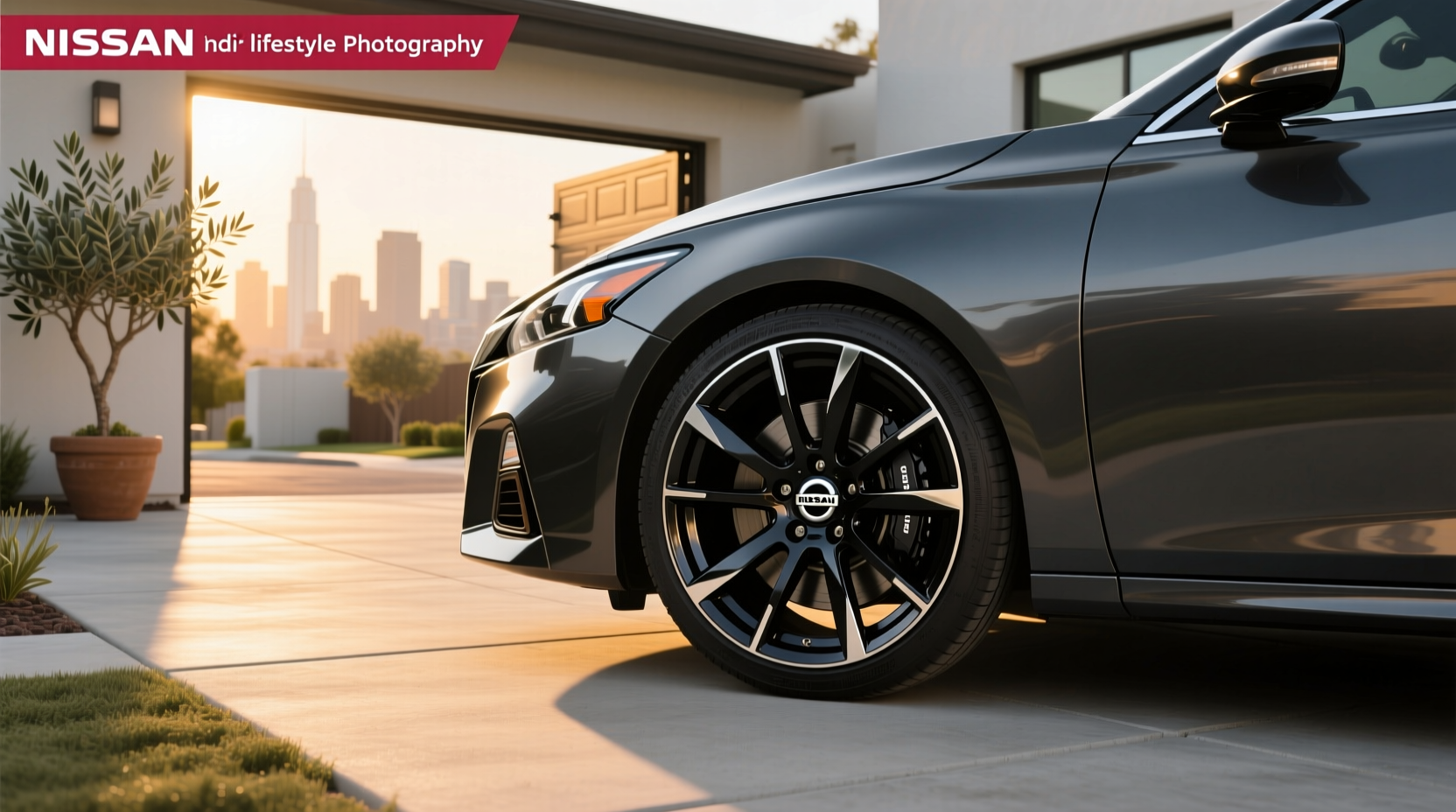
If you're wondering whether 19-inch rims fit a Nissan Altima, the answer is yes—for specific model years and trim levels. Starting from 2019, the Nissan Altima SR and SL trims come standard with factory-installed 19x8 inch alloy wheels, making this size a popular upgrade for owners seeking enhanced aesthetics and performance. However, not all Altima models are compatible out of the box, and installing 19-inch rims on earlier or base trims requires careful attention to bolt pattern (5x114.3), center bore (66.1mm), and offset (+35mm). This guide breaks down everything you need to know about fitting 19-inch rims on your Nissan Altima—including OEM specifications, aftermarket options, clearance concerns, tire sizing, and common mistakes to avoid—so you can make an informed decision without risking damage or poor handling.
Which Nissan Altima Models Come with 19-Inch Rims?
The integration of 19-inch rims into the Nissan Altima lineup began in 2019 as part of a redesign that emphasized sportier styling and improved driving dynamics. These larger wheels were primarily offered on higher trims to enhance curb appeal and cornering stability.
Factory-Installed 19-Inch Wheels by Trim and Year
- 2019–2022 Nissan Altima SR and SL: These trims feature 19x8 inch aluminum alloy wheels as standard equipment. The OEM wheel code is often listed as 62785, available in either gloss black or machined face finishes.
- 2023–2025 Nissan Altima: While some configurations still offer 19-inch wheels, certain higher-end packages have shifted toward optional 20-inch rims. However, 19-inch remains a common choice for balance between ride comfort and appearance.
- Base trims (S and lower): Typically equipped with 16-inch or 17-inch wheels. Upgrading to 19 inches is possible but requires verification of suspension clearance and speedometer calibration.
It’s important to note that while 19-inch rims are factory-approved for select models, retrofitting them onto non-compatible trims may affect ride quality, fuel economy, and safety systems like traction control if tire diameter changes significantly.
Key Specifications for 19-Inch Altima Rims
To ensure proper fitment when purchasing replacement or aftermarket 19-inch rims for your Nissan Altima, several technical parameters must align precisely. Mismatched specs can lead to vibration, uneven wear, or even interference with brake components and suspension parts.
Bolt Pattern (PCD): 5x114.3 mm
All modern Nissan Altimas from 2007 onward use a 5-lug bolt pattern with a pitch circle diameter of 114.3 millimeters. This measurement indicates the distance between the centers of two opposite lug holes across a five-point circle. Using rims with any other bolt pattern—even if they appear similar—will not mount safely.
Center Bore: 66.1 mm
The center bore refers to the hole in the middle of the rim that fits over the hub of the vehicle. The Altima’s hub diameter is 66.1 mm, meaning the new rim must match exactly or be slightly larger with the use of hub-centric rings. Hub rings help center the wheel perfectly on the axle, reducing vibrations at high speeds.
Offset: +35 mm
Wheel offset determines how far the mounting surface sits relative to the centerline of the rim. For the Nissan Altima, the ideal offset for 19-inch wheels is +35 mm. A lower offset pushes the wheel outward (increasing track width), which can cause rubbing against fenders or inner liners. A higher offset tucks the wheel inward, potentially interfering with suspension arms or brake calipers.
Recommended Load Rating and Construction
Rims should meet or exceed the original load rating specified by Nissan. Most OEM 19-inch Altima wheels are rated for at least 1,500 lbs per wheel. Alloy construction is preferred due to its lighter weight and better heat dissipation compared to steel.
| Specification | Value | Notes |
|---|---|---|
| Diameter | 19 inches | Compatible with 2019+ SR/SL trims |
| Width | 8 inches | Standard width for OEM 19" wheels |
| Bolt Pattern | 5x114.3 mm | Universal for most Nissans post-2007 |
| Center Bore | 66.1 mm | Hub-centric design required |
| Offset | +35 mm | Avoid deviations beyond ±5 mm |
| Lug Nut Type | Spherical seat | Use conical seat nuts for proper fit |
OEM vs Aftermarket 19-Inch Rims: Pros and Cons
When replacing or upgrading your Altima’s wheels, you’ll face a key decision: stick with OEM (Original Equipment Manufacturer) designs or explore aftermarket alternatives. Each option has distinct advantages and drawbacks depending on budget, durability expectations, and aesthetic goals.
OEM Rims ✅
OEM 19-inch rims are manufactured to Nissan’s exact specifications and typically carry the same part numbers used on the assembly line (e.g., 62785).
- Pros:
- Precise fitment guaranteed
- Maintains factory warranty compatibility
- Easier resale value retention
- No tuning or recalibration needed
- Cons:
- Limited style variety
- Higher cost than many aftermarket brands
- Availability may depend on dealer stock
Aftermarket Rims 🔧
Aftermarket wheels offer more customization in finish, design, and material but require greater diligence in selection.
- Pros:
- Wider range of styles (concave, deep lip, multi-spoke)
- Potential weight savings with forged alloys
- Competitive pricing with reputable brands
- Cons:
- Risk of incorrect specs leading to fitment issues
- Lower-quality castings may crack under stress
- May void aspects of bumper-to-bumper warranty
If choosing aftermarket, look for brands certified by JWL (Japanese Wheel Standards) or VIA (Vehicle Inspection Association) to ensure structural integrity.
Tire Sizing for 19-Inch Altima Rims
Selecting the correct tire size is just as crucial as rim compatibility. The factory-recommended tire size for 19-inch Nissan Altima wheels is 235/40R19.
Understanding Tire Size Codes
- 235: Tread width in millimeters
- 40: Aspect ratio (sidewall height is 40% of tread width)
- R19: Radial construction with 19-inch inner diameter
Changing tire dimensions affects odometer accuracy, anti-lock braking system (ABS) response, and overall ride comfort. For example, dropping below a 35-series sidewall increases the risk of pothole damage, while going wider than 245mm may cause rubbing during sharp turns.
Alternative Sizes (With Caution)
Some drivers opt for minor modifications such as:
- 245/40R19: Slightly wider for improved grip; verify fender clearance
- 235/45R19: Taller sidewall for smoother ride; may trigger TPMS warnings
Any deviation from OEM sizing should be evaluated using a tire size calculator to confirm no more than a 3% difference in overall diameter.
Common Installation Mistakes to Avoid ⚠️
Even with the right rims, improper installation can compromise safety and performance.
1. Skipping Torque Specifications
Nissan specifies a lug nut torque of 78–85 ft-lbs. Under-tightening risks loosening while driving; over-tightening can strip threads or warp brake rotors.
2. Ignoring Hub-Centric Rings
While some rims claim "lug-centric" fitment, relying solely on lug bolts for centering increases vibration risk. Always use 66.1mm hub rings with aftermarket wheels.
3. Not Rechecking Lug Nuts After Break-In
After driving 50–100 miles, recheck lug tightness. Thermal expansion and settling can reduce clamping force.
4. Failing to Perform an Alignment
New rims—even with same specs—can alter steering geometry slightly. A post-installation alignment ensures even tire wear and predictable handling.
Where to Buy Genuine 19-Inch Altima Rims 📍
Purchasing authentic OEM or high-quality aftermarket rims requires trusted sources.
Authorized Dealerships and Parts Centers
Buying directly from a Nissan dealership ensures genuine OEM parts with full traceability. You can order by VIN or wheel part number (e.g., 62785). Some dealers also offer exchange programs for damaged originals.
Certified Online Distributors
Reputable online vendors specializing in OEM wheels include:
- Factory Wheel Replacement
- Wheelership.com
- Detroit Wheel and Tire
- HH Auto Hubcap Haven
These sites often provide detailed fitment guides, real-time inventory, and free shipping.
Avoiding Counterfeit or Poorly Made Replicas
Be cautious of third-party sellers offering "OEM-style" wheels at unusually low prices. Signs of substandard replicas include:
- Inconsistent paint thickness
- Missing certification stamps (JWL/VIA)
- Vague or missing spec sheets
- No return policy or warranty
Frequently Asked Questions About 19-Inch Nissan Altima Rims ❓
Can I install 19-inch rims on a 2016 Nissan Altima?
Yes, but it's considered an upgrade. The 2016 Altima comes with up to 18-inch wheels on higher trims. Installing 19-inch rims requires confirming suspension clearance and using appropriate tires (like 235/40R19) to maintain overall diameter within 3% of stock.
Do 19-inch rims affect ride comfort on the Altima?
Generally, yes. Larger rims paired with lower-profile tires (such as 40-series) result in a firmer ride because there's less sidewall to absorb road imperfections. Drivers in areas with rough pavement may notice increased harshness compared to smaller wheel setups.
Are winter tires available for 19-inch Nissan Altimas?
Yes, though selection is more limited than for common sizes like 17-inch. Brands like Michelin, Bridgestone, and Nokian offer winter/snow-rated tires in 235/40R19. Due to reduced sidewall protection, consider switching to smaller wheels in extreme winter conditions.
How much do OEM 19-inch Altima rims cost?
Individual OEM replacement rims typically range from $180 to $280, depending on finish and supplier. A full set of four can cost between $700 and $1,100 before installation. Used OEM wheels from salvage yards may offer savings but inspect for cracks and runout.
Can I rotate tires on 19-inch Altima rims?
Absolutely. The Nissan Altima uses a front-wheel-drive layout with non-directional tires, allowing standard rotation patterns (front-to-back or cross-rotation). Rotate every 6,000–8,000 miles to extend tread life, especially since wider tires tend to wear faster on the inside edges.




 浙公网安备
33010002000092号
 浙B2-20120091-4