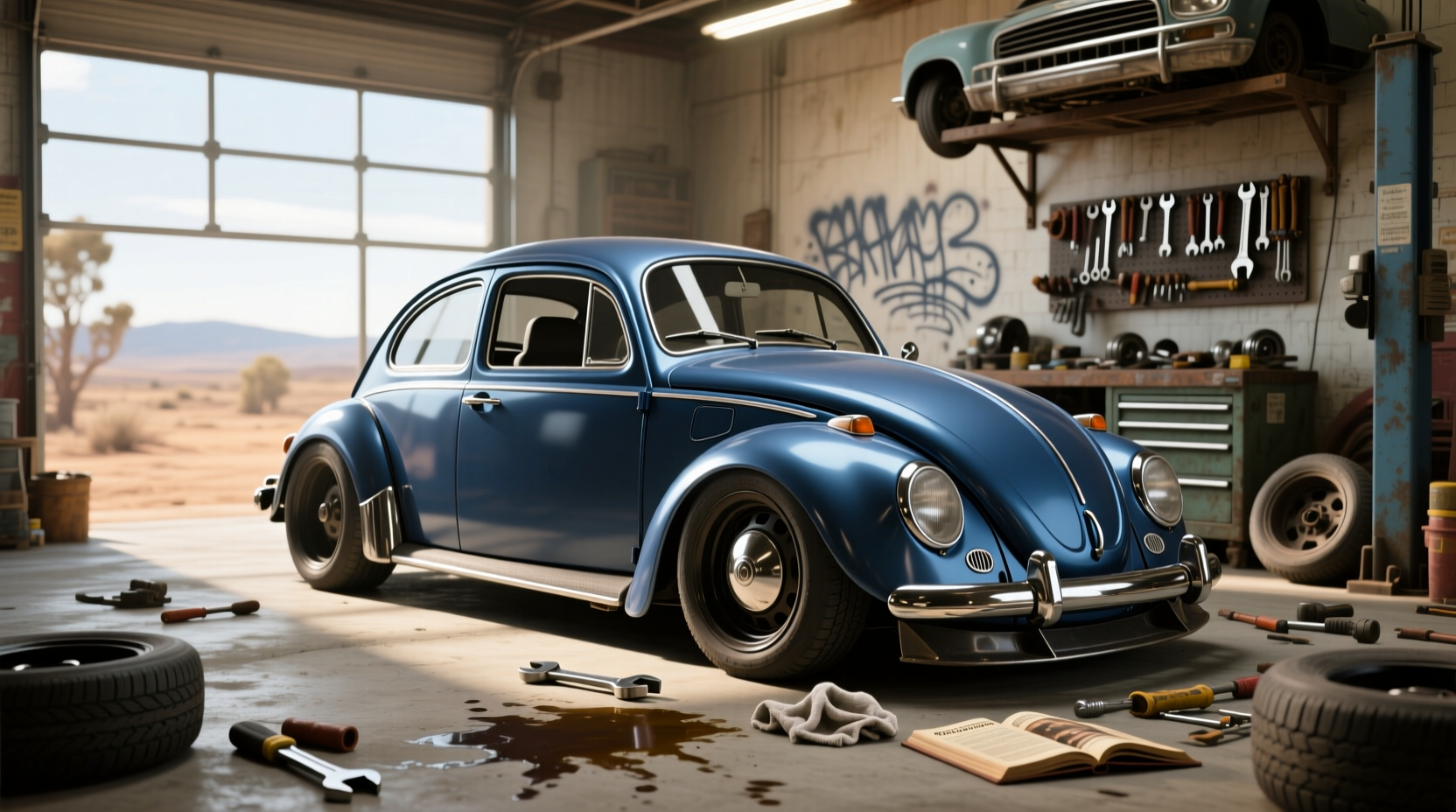
When restoring or customizing a 1973 VW Beetle, selecting the right 1973 VW Beetle body kit is essential for achieving both authenticity and performance. Unlike modern Beetles (1998–2005), which have numerous aftermarket aerodynamic kits available, classic Type 1 models like the 1973 require careful attention to fitment, material type, and original design specifications ✅. Most body kits marketed online today are designed for later models, so finding one compatible with your vintage Beetle means understanding key differences in chassis dimensions, fender width, bumper styles, and mounting points 🔧. This guide breaks down everything you need to know—from fiberglass vs. steel options to sourcing rare OEM-style components—so you can make informed decisions without costly mistakes.
Understanding the 1973 VW Beetle: Chassis & Design Basics
The 1973 Volkswagen Beetle belongs to the final generation of the original Type 1 air-cooled platform. It features a unibody construction with front and rear torsion bar suspension, drum brakes (on base models), and distinctive '70s-era styling including larger bumpers than earlier years 🌍. One major change from previous decades was the switch to energy-absorbing bumpers due to U.S. safety regulations, making the front and rear ends longer than those on pre-1970 models.
Because of these design updates, not all body kits labeled simply as 'VW Beetle' will fit a 1973 model. Many modern kits—such as the Duraflex Evo 5 or Vis Racing C-Tech—are built exclusively for the New Beetle (1998–2005), which shares only the name and basic silhouette with the classic version ⚠️. Attempting to install such a kit on a 1973 Beetle would result in misalignment, improper fastening, and potential structural issues.
Are Body Kits Available for a 1973 VW Beetle?
True full-body kits specifically engineered for the 1973 model year are extremely rare. Unlike muscle cars or late-model sports compacts, there is limited mass-market demand for complete widebody conversions on this particular year. However, individual body components that effectively function as part of a custom body kit are available:
- Fiberglass fenders with increased width (up to 4.5” over stock)
- Front and rear blade bumper kits
- Wheel arch extensions and flares
- Custom floor pans and rocker panels
- Aerodynamic scoops and hood vents
These parts can be combined into what enthusiasts call a 'custom body kit,' even if no single manufacturer offers a bolt-on package labeled “1973 VW Beetle Full Body Kit.”
Fiberglass vs. Steel: Material Choices for Classic Restoration
When modifying or repairing the body of a 1973 Beetle, two primary materials dominate: fiberglass and stamped steel. Each has advantages and drawbacks depending on your project goals.
Fiberglass Components ✨
Fiberglass is commonly used for non-structural panels like fenders, hoods, and bumpers. It’s lightweight, resistant to rust, and allows for aggressive styling changes such as widebody flares or smoothed bumpers.
- Pros: Lightweight, corrosion-resistant, easier to shape for custom builds
- Cons: Less durable in impacts, harder to paint smoothly, may degrade under UV exposure
- Best For: Show cars, show-quality restomods, or builds aiming for a unique aesthetic
Vendors like Mark V Fiberglass offer wide fender kits designed for Super Beetles (1971–1979), but note that Standard Beetles (like the 1973) have different suspension geometry and track width, requiring modifications for proper clearance ⚙️.
Steel Panels 🏭
Original equipment and many reproduction panels are made from stamped sheet metal. These are ideal for rotisserie restorations where authenticity matters.
- Pros: Durable, repairable with welding, maintains factory weight distribution
- Cons: Prone to rust if not properly sealed, heavier than fiberglass
- Best For: Daily drivers, concours-level restorations, or vehicles intended for long-term ownership
Companies like JBugs specialize in OEM-replacement steel body parts, including aprons, decklids, and floor sections, helping preserve the integrity of your 1973 model while replacing corroded areas.
Common Misconceptions About 1973 VW Beetle Body Kits
Several myths persist among first-time restorers searching for body kits online:
Misconception #1: "Any VW Beetle Body Kit Fits My 1973" ❗
No. The New Beetle (1998–2005) uses a front-wheel-drive A4 platform unrelated to the rear-engine, rear-wheel-drive layout of the classic Beetle. Kits advertised for “Volkswagen Beetle” without specifying the generation often refer to the newer model.
Misconception #2: "Widebody Kits Are Bolt-On" 🔧
True widebody conversions (e.g., adding 3–4 inches per side) usually require cutting the quarter panels, welding new frames, and modifying suspension mounts. They’re not simple bolt-on upgrades and should only be attempted by experienced fabricators.
Misconception #3: "Body Kits Improve Performance" ⚡
While aerodynamic kits can reduce drag at high speeds, most fiberglass add-ons on classic Beetles are purely cosmetic. They do not enhance handling or fuel efficiency unless paired with suspension and alignment upgrades.
Where to Find Compatible Parts for a 1973 Model
Since no standardized full-body kit exists for the 1973 Beetle, sourcing requires combining components from specialty suppliers:
Specialty Retailers & Fabricators 🛒
- JBugs: Offers original-spec steel replacement parts and some fiberglass accessories tailored to pre-1979 models.
- Mark V Fiberglass: Sells wide fender kits; confirm compatibility with Standard Beetle track width before ordering.
- Dan’s Performance Parts: Carries chassis rebuild kits and reinforcement pieces useful for structural support during body modifications.
- Moore Parts Source: Supplies early blade bumper kits with conversion brackets, suitable for reverting to pre-1973 styling.
Online Marketplaces 🔍
eBay remains a top destination for hard-to-find items like NOS (New Old Stock) fenders or handmade fiberglass kits. Use filters carefully:
- Select “Vintage & Classic Cars & Parts” category
- Filter by year range: 1971–1973
- Verify seller ratings and return policies
- Request detailed photos of mounting points and contours
Be cautious of listings titled “Universal Fit” or “Fits Most Beetles”—these often lack precision for a specific year.
Installation Considerations and Professional Help
Installing any body component on a 50-year-old vehicle involves more than bolting on new parts. Here are critical steps to follow:
Dry-Fitting Before Attachment 📋
Always perform a dry-fit using clamps instead of adhesives or screws. Check gaps around doors, wheel wells, and hood edges. Even minor misalignments can worsen after painting.
Mounting Hardware & Sealing Methods
Fiberglass parts typically use rivets or silicone-based adhesives. Steel panels rely on factory-style bolts and spot welds. Never mix incompatible metals (e.g., aluminum rivets on steel) without dielectric insulation to prevent galvanic corrosion.
Paint Matching Challenges 🎨
Factory paint codes from 1973 may no longer match modern formulations. If repainting, consider doing the entire panel rather than patching to avoid visible color shifts.
When to Hire a Pro 👥
If your project includes welding, frame adjustments, or suspension modifications, consult a certified auto body shop experienced with air-cooled Volkswagens. Improper alignment can affect tire wear and steering response.
Cost Expectations and Budget Planning
Restoration costs vary widely based on condition and customization level. Below is a general breakdown:
| Component | Average Cost (USD) | Notes |
|---|---|---|
| Fiberglass Wide Fenders (Pair) | $800–$1,400 | Includes shipping; labor not included |
| Blade Bumper Kit (Front + Rear) | $600–$900 | With conversion brackets |
| Floor Pans (Full Set) | $300–$500 | Steel, OEM-style |
| Professional Paint Job | $2,000–$4,000 | Full disassembly recommended |
| Labor (Est. 80 hrs @ $100/hr) | $8,000 | Varies by region |
Total project cost for a moderate custom build could exceed $15,000, especially if mechanical systems also need updating.
Legal and Safety Implications
In some regions, altering body dimensions affects vehicle certification:
- United States: Modified vehicles must still meet FMVSS standards for lighting, reflectors, and bumper height. Widebody kits extending beyond factory fenders may require fender extensions or mud flaps.
- European Union: Technical inspection (MOT equivalent) may reject non-homologated body changes.
- Australia/UK: Some states require engineering certification for structural modifications.
Check local regulations before beginning irreversible work.
Alternatives to Full Body Kits
If a complete transformation isn’t feasible, consider these practical alternatives:
- Restoration Over Modification: Return the car to factory specs using OEM-pattern parts for higher resale value.
- Ground Effects Only: Add subtle side skirts or lower valances without changing overall width.
- Interior & Wheel Upgrades: Enhance appearance through alloy wheels, period-correct trim, or upgraded upholstery.
Final Tips Before You Buy
Before purchasing any part labeled as a body kit for your 1973 VW Beetle:
- Confirm it's designed for Type 1 / Standard Beetle, not the New Beetle.
- Ask the seller for dimensional drawings or templates.
- Review customer feedback focused on fitment accuracy.
- Ensure return options exist if the part doesn’t align.
- Plan for finishing work—most fiberglass kits require sanding and priming.
Frequently Asked Questions
- Can I install a New Beetle body kit on my 1973 model?
- No. The chassis, wheelbase, suspension, and body mounting points are completely different between the 1973 and 1998–2005 models. A direct swap is not mechanically possible without extensive and impractical modifications.
- Are fiberglass fenders safe for daily driving?
- Fiberglass fenders are generally safe but less impact-resistant than steel. In minor collisions, they tend to crack rather than dent. For daily use, ensure they're securely mounted and inspect regularly for stress fractures.
- Do I need to modify suspension when installing wider fenders?
- Yes. Wider tires required to fill extended fenders often necessitate adjusted camber, spacers, or upgraded control arms to prevent rubbing and maintain handling balance.
- Is rust repair part of a body kit installation?
- Rust repair is separate but often necessary before installing new panels. Replacing floor pans, rockers, or aprons improves safety and longevity, especially on 50-year-old vehicles.
- Where can I find authentic 1973 VW Beetle body parts?
- OEM parts are no longer produced, but reproduction steel panels are available from trusted vendors like JBugs and Wolfsburg West. Salvage yards specializing in air-cooled VWs may also have NOS components.




 浙公网安备
33010002000092号
 浙B2-20120091-4