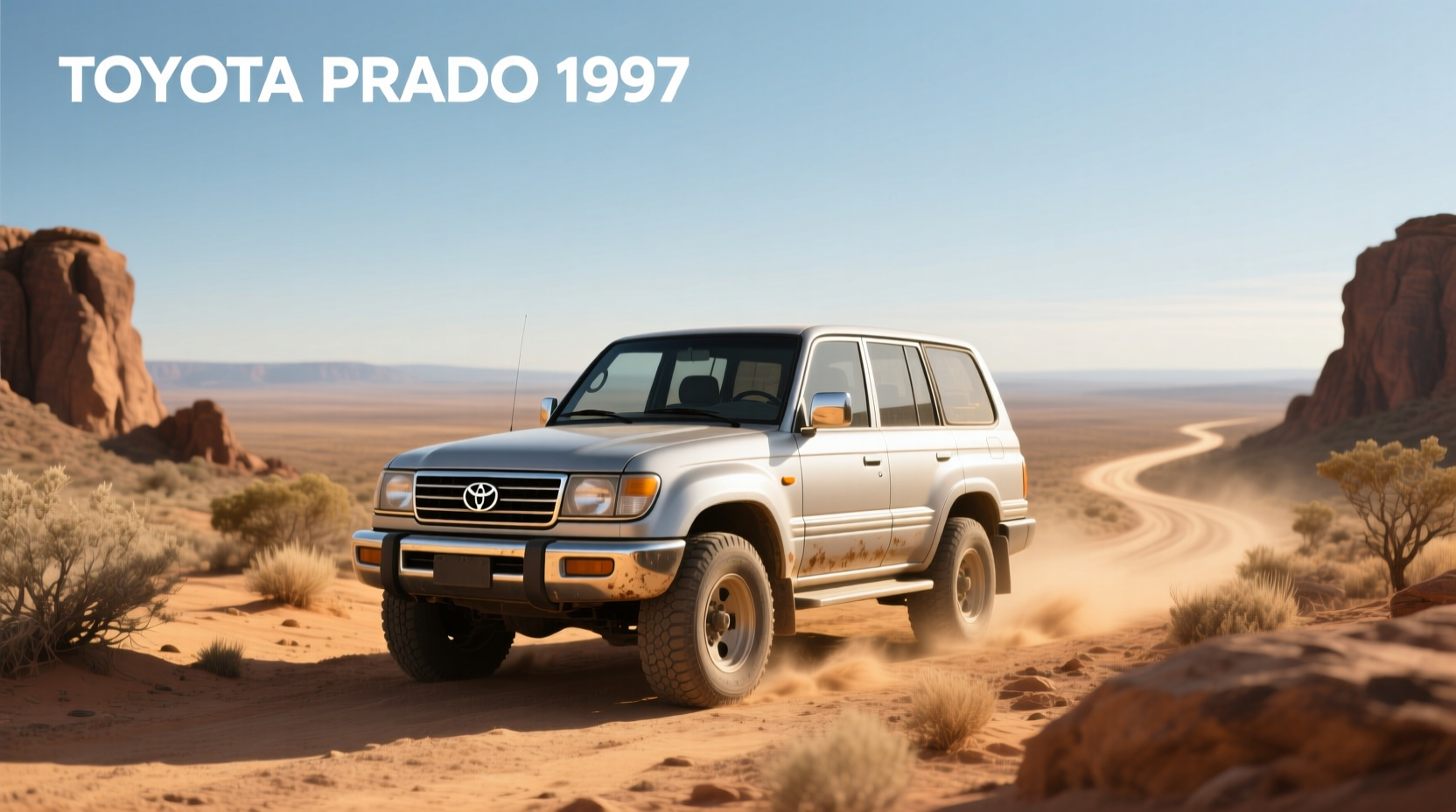
When searching for a durable, off-road-capable SUV with proven reliability, many enthusiasts turn to the 1997 Toyota Land Cruiser Prado—a rugged, body-on-frame compact SUV that laid the foundation for one of Toyota’s most enduring 4x4 lines. Known for its mechanical simplicity, strong diesel and petrol engine options, and impressive longevity, the 1997 Prado remains a popular choice among importers, overlanders, and vintage SUV collectors. This comprehensive guide explores everything you need to know before buying or maintaining a 1997 model, including engine variants, market availability, common mechanical concerns, regional differences, and practical ownership advice tailored to North American and European buyers.
Understanding the 1997 Toyota Prado: What Is It?
The 1997 Toyota Prado is part of the second generation (J90 series) of the Land Cruiser Prado lineup, produced from 1996 to 2002. Unlike the full-size 80 or 100 Series Land Cruisers, the Prado was designed as a more compact, agile alternative without sacrificing off-road performance. Built on a traditional ladder frame with solid front and rear axles (on most trims), it offered true four-wheel-drive capability with selectable high and low ranges via a transfer case—a rare feature in mid-sized SUVs at the time.
🔧 Key Features of the 1997 Model:
- Body styles: 3-door short wheelbase (SWB) and 5-door long wheelbase (LWB)
- Drivetrain: Part-time or full-time 4WD depending on trim
- Engine options: 2.7L inline-4 petrol (3RZ-FE), 3.4L V6 petrol (5VZ-FE), and 3.0L turbo-diesel (1KZ-TE)
- Transmission: 4-speed automatic or 5-speed manual
- Independent front suspension (IFS) available on higher trims; solid axle on base models
This generation marked a shift toward improved on-road comfort while retaining serious off-road credentials, making it ideal for drivers who want versatility across terrain types.
Toyota Prado vs. Land Cruiser: What’s the Difference?
❓ A common point of confusion is whether the Prado is a “real” Land Cruiser. The answer is yes—it is an official member of the Land Cruiser family. However, it occupies a lighter-duty segment compared to flagship models like the 80, 100, or 200 Series.
✅ Clarifying the Naming:
- In Japan and most global markets: Toyota Land Cruiser Prado
- In North America (until recent years): Not officially sold under the Prado name; instead, similar vehicles were marketed as the Toyota 4Runner or Land Cruiser (for larger models).
- In Australia and Europe: Sold as the Land Cruiser Prado, often shortened to just “Prado.”
The 1997 Prado shares core engineering principles with other Land Cruisers—durability, simple mechanics, and ease of repair—but targets a different use case: urban commuting combined with weekend trail adventures rather than extreme expedition builds.
Available Engine Options and Performance
The 1997 Prado came with three primary engines, each suited to different driving needs and climates. Knowing which engine your target vehicle has is critical when evaluating value and long-term maintenance costs.
| Engine | Horsepower | Torque | Fuel Type | Common Applications |
|---|---|---|---|---|
| 3RZ-FE 2.7L I4 | 148 hp | 177 lb-ft | Petrol | Base trims, warmer climates |
| 5VZ-FE 3.4L V6 | 178 hp | 217 lb-ft | Petrol | Higher trims, towing, mixed use |
| 1KZ-TE 3.0L I4 Turbo Diesel | 134 hp | 247 lb-ft | Diesel | Off-road, rural areas, fuel efficiency focus |
⚡ The 3.4L V6 offers the best balance of power and refinement, especially for highway driving and light towing. However, the 1KZ-TE diesel engine is highly sought after due to its torque output and fuel economy—particularly in regions where diesel is cheaper or preferred for off-grid travel.
❗ Note: While robust, the 1KZ-TE can suffer from injector issues and head cracking if overheated. Regular coolant flushes and proper warm-up procedures are essential for longevity.
Where Can You Buy a 1997 Toyota Prado?
🛒 The 1997 Prado was never officially sold new in the United States or Canada, so North American buyers must consider importing one—typically from Japan, where these vehicles were widely used and well-maintained.
📍 Primary Export Markets:
- Japan: Largest source of clean, low-mileage examples. Many have original paint, service records, and minimal rust.
- Australia: Popular among off-road communities; often modified but may show wear from harsh conditions.
- Middle East: High ambient temperatures mean engines run hotter; potential for accelerated aging unless meticulously maintained.
🚚 Importing into the U.S. requires compliance with NHTSA and EPA regulations. Vehicles older than 25 years (like the 1997 model) are exempt from federal safety and emissions standards under the 25-Year Rule1, making them legal to register in most states.
⚠️ However, some states (e.g., California) impose additional smog or inspection requirements even on exempt vehicles. Always verify local DMV rules before purchasing.
Price Range and Market Value (2024)
📊 Based on current listings from Japanese exporters and private sellers, the price of a 1997 Prado varies significantly by condition, engine type, and location.
- Japan Export Price: $9,000 – $16,000 USD FOB (free on board ship)
- U.S. Landed Cost: Add $2,500–$4,000 for shipping, customs, and insurance
- Australian Private Sale: AUD $12,000 – $20,000 (~USD $8,000 – $13,500)
- Europe (imported): €14,000 – €22,000 depending on restoration level
📈 Well-maintained diesel models with documented service history command premium prices, especially those with manual transmissions and factory locking differentials.
Common Mechanical Issues and Maintenance Tips
🔧 While the 1997 Prado is known for durability, age-related wear is inevitable. Here are the top five issues to inspect before purchase:
- Transfer Case and Transmission Fluid Leaks: Seals degrade over time. Check for wetness around the transfer case and transmission pan. Replace seals during routine service.
- Front Suspension Bushings: Especially on IFS models, control arm bushings wear out, causing vague steering. Budget for replacement every 150,000 miles.
- Brake System Corrosion: In humid or salty environments, brake lines and calipers corrode. Inspect thoroughly and consider stainless steel line upgrades.
- Electrical Connectors: Moisture ingress can damage ECU connectors. Look for green corrosion near the engine bay fuse box.
- Diesel Engine Head Cracking (1KZ-TE): Caused by overheating. Verify cooling system health and radiator function. Consider upgrading to a reinforced aftermarket head if rebuilding.
🧼 Maintenance Best Practices:
- Change engine oil every 5,000 miles or 6 months
- Flush coolant every 2 years
- Service transfer case and differentials every 30,000 miles
- Inspect timing belt (if applicable) and water pump together—recommended replacement at 100,000 miles
Modifications and Aftermarket Support
🛠️ One reason the 1997 Prado remains popular is its extensive aftermarket support. Common upgrades include:
- Lift kits (2–3 inches) for increased ground clearance
- All-terrain tires (265/75R16 or 285/75R16)
- Roof racks and auxiliary lighting
- Upgraded brakes (larger calipers from later models)
- Snorkels for water fording (especially useful for diesel owners)
However, avoid excessive modifications that compromise reliability. Stick to bolt-on parts from reputable brands like ARB, Dobinsons, or OME.
Ownership Experience: Who Should Buy a 1997 Prado?
👥 The 1997 Toyota Prado suits specific buyer profiles:
- Overlanding Enthusiasts: Proven reliability and spare parts availability make it ideal for remote travel.
- DIY Mechanics: Simple design allows for easy repairs with basic tools.
- Budget-Conscious Off-Roaders: Lower acquisition cost compared to newer 4x4s, though maintenance adds up over time.
🚫 It may not be ideal for:
- Urban commuters seeking modern safety features (no airbags standard)
- Families needing advanced child safety systems
- Drivers expecting luxury amenities (basic HVAC, manual windows common)
How to Evaluate a Used 1997 Prado Before Purchase
🔍 Conduct a thorough inspection using this checklist:
- Verify VIN and Ownership History: Use the VIN to check for accidents, export bans, or flood damage.
- Inspect Frame and Undercarriage: Look for rust, weld repairs, or bent components indicating past collisions.
- Test Drive: Listen for driveline clunks, test 4WD engagement, and assess steering responsiveness.
- Check Engine Health: Blue smoke = oil burning; white smoke = coolant leak (possible head issue).
- Review Service Records: Full documentation increases confidence in longevity claims.
If importing from Japan, work with a trusted broker who provides pre-shipment inspection reports and高清 photos.
Regional Differences and Trim Levels
🌐 The 1997 Prado was sold globally with varying specifications:
- Japanese Domestic Market (JDM): Often labeled “TX,” “RX,” or “GX.” Higher trim levels include ABS, cruise control, and climate AC.
- European Models: Typically equipped with diesel engines and manual gearboxes to meet fuel economy preferences.
- Middle Eastern Specs: Heavy-duty cooling packages, upgraded alternators, and sand-resistant filters.
Always confirm the original configuration matches what’s advertised. Some exported vehicles are rebranded or modified post-factory.
Is the 1997 Toyota Prado Worth Buying Today?
✅ Ultimately, the decision depends on your goals:
- If you prioritize reliability, simplicity, and off-road ability, the 1997 Prado delivers exceptionally well—even by today’s standards.
- If you need modern safety, comfort, or fuel efficiency, newer SUVs will serve better.
With proper care, a 1997 Prado can easily exceed 300,000 miles. Its timeless design and strong community support ensure parts and knowledge remain accessible.
Frequently Asked Questions (FAQ)
- Can I legally import a 1997 Toyota Prado to the USA?
- Yes. Vehicles 25 years or older are exempt from NHTSA and EPA import restrictions. You’ll need to clear customs and comply with state-level registration rules.
- What is the fuel economy of a 1997 Prado?
- Approximately 16–18 mpg (14–17 L/100km) for petrol models; diesel versions achieve 20–24 mpg (12–14 L/100km) depending on driving style and terrain.
- Does the 1997 Prado have a timing belt or chain?
- The 3RZ-FE and 5VZ-FE engines use a timing belt requiring replacement every 100,000 miles. The 1KZ-TE diesel uses a timing chain, which typically lasts the life of the engine.
- Are spare parts still available for the 1997 Prado?
- Yes. Due to ongoing production of later Prado generations and global usage, OEM and aftermarket parts remain widely available online and through specialty suppliers.
- How does the 1997 Prado compare to the 4Runner?
- The Prado and 4Runner share platform architecture, but the Prado generally has a sturdier build, more off-road-focused trims, and greater international availability. The 4Runner offers slightly better on-road handling in North American configurations.




 浙公网安备
33010002000092号
 浙B2-20120091-4