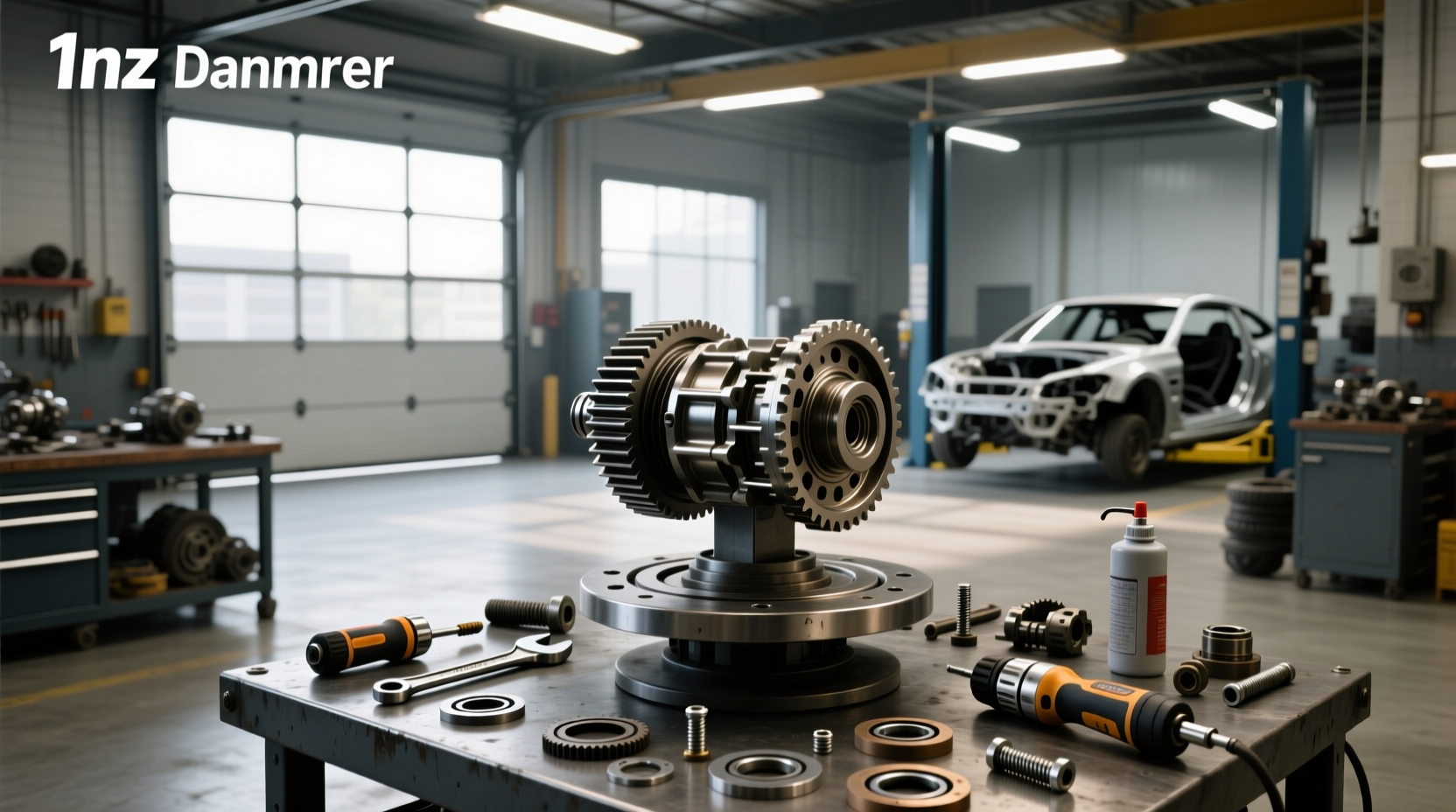
When searching for a replacement or upgrade for your Toyota 1NZ-FE engine, one of the most frequently asked questions is whether a 2NZ gearbox can fit a 1NZ engine without modifications. The short answer is: not directly without potential mechanical and electronic complications. While both the 1NZ and 2NZ engines belong to Toyota’s NZ engine family and share similar mounting points, differences in bellhousing patterns, ECU signaling, torque output, and transmission control logic mean that direct interchangeability isn’t guaranteed. This comprehensive guide breaks down everything you need to know about the 1NZ gearbox, its compatibility with the 2NZ counterpart, common failure symptoms, sourcing options, and critical considerations before attempting an engine or transmission swap.
Understanding the Toyota NZ Engine Family
The Toyota NZ series is a family of inline-4 gasoline engines introduced in 1999, primarily used in compact models like the Toyota Yaris (Vitz), Echo, Platz, Ist, and certain Corolla variants 1. Two of the most common variants are the 1NZ-FE (1.5L) and 2NZ-FE (1.3L). Despite their similarities in design—aluminum block, DOHC layout, and electronic fuel injection—they differ significantly in displacement, power delivery, and internal dimensions.
Because these engines were often mated to different transmissions from the factory depending on model year, region, and drivetrain (manual vs automatic), confusion arises when owners attempt cross-compatibility swaps—especially when dealing with used parts from junkyards or international suppliers.
Differences Between 1NZ and 2NZ Engines
To understand why gearbox compatibility isn't straightforward, it's essential to first clarify the key mechanical differences between the 1NZ and 2NZ engines:
- Displacement: 1NZ-FE = 1,497 cc; 2NZ-FE = 1,298 cc
- Power Output: 1NZ produces ~108 hp; 2NZ produces ~86 hp
- Stroke & Bore: 1NZ has a longer stroke (84 mm vs 75 mm), affecting crankshaft rotation dynamics
- Engine Block Length: The 2NZ uses a shorter cylinder block than the 1NZ
- ECU Mapping: Different throttle response, idle control, and transmission shift logic
These variations impact not only performance but also how the engine communicates with the transmission—particularly in automatic applications using electronically controlled units such as the U340E.
Are 1NZ and 2NZ Gearboxes Interchangeable?
The core question—does a 2NZ gearbox fit on a 1NZ engine?—requires a nuanced answer based on several factors:
🔧 Physical Mounting Compatibility
In many cases, especially with manual transmissions, the physical bolt pattern between the engine and transmission may appear compatible due to shared design heritage. However, subtle differences in the bearing retainer alignment, clutch fork geometry, and starter motor position can lead to misalignment or improper engagement.
For example:
- Some users report successfully mating a 2NZ manual gearbox to a 1NZ engine after modifying the flywheel or pressure plate setup 2.
- Others note slight depth discrepancies requiring spacers or custom adapters.
⚙️ Automatic Transmission Challenges
Automatics present greater complexity. Most 1NZ-powered vehicles use the U340E 4-speed automatic transmission, while some 2NZ models utilize a variant tuned for lower torque and different shift timing. Even if the bellhousing bolts align, the following issues may arise:
- Input Shaft Diameter: Slight variations can cause slippage or binding
- Transmission Control Module (TCM): May not recognize engine parameters correctly, leading to limp mode
- Shift Solenoid Timing: Mismatched programming results in harsh shifts or failure to engage gears
- Coolant and Oil Lines: Routing differences between models may require re-plumbing
A documented case on a Facebook mechanic group describes a 2008 Toyota Yaris 1.3L (2NZ) experiencing sudden neutralization after moving a few meters—indicative of TCM communication failure or hydraulic pressure loss 3. While this relates to internal faults, it underscores how sensitive these systems are to mismatched components.
Common 1NZ and 2NZ Gearbox Problems
Whether keeping stock or swapping, awareness of typical failure modes helps inform decisions. Below are recurring issues reported across forums, repair shops, and spare part vendors:
🔸 Worn Synchros (Manual Transmissions)
Synchro wear, especially in 2nd and 3rd gears, leads to grinding during upshifts. This is common in high-mileage units or those subjected to aggressive driving.
🔸 Delayed Engagement (Automatics)
Drivers report hesitation when shifting into Drive or Reverse. Causes include low fluid levels, clogged filters, worn valve bodies, or degraded seals.
🔸 Torque Converter Shudder
Felt as vibration at cruising speed (40–60 mph), often due to lock-up clutch wear. Requires fluid flush or converter replacement.
🔸 U340E Reliability Concerns
The U340E, commonly found behind 1NZ engines, is generally durable but vulnerable to:
- Faulty solenoids causing incorrect gear selection
- Wear in the planetary gear set under heavy load
- Electrical harness corrosion in humid climates
Aftermarket & Used Parts Market Overview
Given the age of many NZ-series vehicles (production ended for 2NZ in 2020), finding OEM replacements often means turning to used or remanufactured units. Key sources include:
🛒 Online Marketplaces (e.g., Alibaba, ProxyParts)
Websites like Alibaba.com list numerous suppliers offering both new-aftermarket and recycled 2NZ gearboxes 4. While pricing may seem attractive (some listings under $500), buyers should consider:
- Lack of warranty enforcement outside China
- Inconsistent quality control
- Potential mismatch in gear ratios or final drive
📍 Local Salvage Yards & Importers
In regions like Kenya or Jamaica, imported Japanese domestic market (JDM) engines with attached gearboxes are popular. Sites like japanese-engineparts.com offer complete assemblies with mileage verification 5. These tend to be more reliable due to lower annual mileage in Japan.
🏭 Rebuilt Units from Specialized Shops
Some transmission specialists rebuild U340E units with upgraded clutches and revised valve bodies for improved longevity. This option typically costs more but offers better long-term value.
| Factor | Used JDM Gearbox | New-Aftermarket (Alibaba) | Rebuilt Local Unit |
|---|---|---|---|
| Avg. Cost (USD) | $600–$900 | $400–$700 | $800–$1,200 |
| Mileage Known? | ✅ Often verified | ❌ Rarely provided | N/A (rebuilt) |
| Warranty | 30–90 days | Limited or none | 6–12 months |
| Risk Level | Low-Medium | High | Low |
| Installation Support | Varies | None | Often included |
How to Verify Compatibility Before Swapping
If you're considering installing a 2NZ gearbox on a 1NZ engine—or vice versa—follow these steps to minimize risk:
- Check OEM Part Numbers: Cross-reference the transmission code (e.g., C360 for manual, U340E for auto) against Toyota’s official repair manuals.
- Compare Bellhousing Patterns: Physically inspect or obtain specs for bolt spacing and pilot bearing diameter.
- Match ECU & TCM: For automatics, ensure the transmission control module is compatible or reprogrammable.
- Inspect Input Shaft & Torque Converter: Measure length and spline count—mismatches prevent proper coupling.
- Consult Repair Manuals: Resources like the Toyota Repair Manual (RM101U) provide exploded views and torque specs.
- Seek Mechanic Confirmation: A qualified technician familiar with NZ engines can identify red flags early.
Regional Variations and Model-Specific Notes
Compatibility also depends on vehicle generation and market. For instance:
- Toyota Vitz (NCP10/NCP13): Early models (2000–2005) often came with 1NZ-FE and C360 manual; later ones used 2NZ-FE with slightly different linkage.
- Toyota Yaris (XP10/XP20): North American versions mostly used 1NZ, while European 1.3L trims used 2NZ—transmissions vary accordingly.
- Toyota Corolla (E120): Some 1.3L variants in Africa/Asia used 2NZ with K313 gearbox; 1.5L used 1NZ with U241E/U340E.
Always verify the exact chassis code and production date before ordering parts.
Performance Implications of Gear Ratio Differences
Even if physically compatible, gear ratios affect driving characteristics. The 2NZ manual gearbox typically has shorter gearing to compensate for lower torque. Installing it on a 1NZ engine could result in:
- Higher RPM at highway speeds → increased noise and fuel consumption
- Improved acceleration in lower gears
- Potential speedometer inaccuracy if final drive ratio differs
Use a gear ratio calculator to compare stock vs proposed setup before committing.
DIY Disassembly & Inspection Tips
Before purchasing a used unit, knowing how to inspect it adds confidence. Several YouTube videos demonstrate disassembling a 2NZ automatic gearbox 6, revealing internal condition. Key inspection points:
- Metal Shavings in Pan: Indicates bearing or gear wear
- Burnt Smell in Fluid: Sign of overheating or clutch degradation
- Cracked Housing: Especially around mount points
- Seal Integrity: Look for leaks at input/output shafts
While full teardown requires expertise, draining the fluid and checking for debris provides valuable insight.
When NOT to Attempt a 1NZ/2NZ Swap
Certain scenarios make such swaps impractical or unsafe:
- Lack of Diagnostic Tools: Inability to read TCM codes or reflash modules
- No Access to Factory Service Information: Guessing part numbers increases error risk
- Vehicle Used Daily: Unproven swaps may leave you stranded
- Planning to Sell Soon: Non-stock configurations reduce resale appeal
- Unfamiliarity with Transmission Work: Complex repairs best left to professionals
Conclusion: Proceed with Caution and Research
The idea of using a 2NZ gearbox on a 1NZ engine stems from necessity and cost-saving motives—but success depends heavily on technical details beyond simple bolt-on compatibility. While limited manual transmission swaps have worked with minor adjustments, automatic applications face significant electronic and hydraulic hurdles. Always prioritize verified OEM parts, consult detailed schematics, and involve experienced mechanics when in doubt. Whether repairing, replacing, or upgrading, understanding the nuances of the 1NZ gearbox compatibility with 2NZ counterparts ensures safer, more reliable outcomes.
Frequently Asked Questions
- Can I use a 2NZ manual gearbox on a 1NZ engine?
- It may fit physically, but differences in clutch assembly, flywheel size, and gear ratios can cause operational issues. Modifications may be required.
- What are the common symptoms of a failing 1NZ automatic transmission?
- Delayed engagement, slipping gears, warning lights (check engine or AT), shuddering during acceleration, and unusual noises in park or neutral.
- Is the Toyota U340E transmission reliable?
- Yes, the U340E is generally durable if maintained properly, though solenoid failures and valve body wear can occur over time.
- Where can I find a genuine used 1NZ gearbox?
- JDM importers, local salvage yards, and specialized online platforms like ProxyParts or Japanese Engine Parts are reliable sources.
- Do 1NZ and 2NZ engines share the same transmission control logic?
- No. The ECU and TCM are calibrated differently due to torque output and engine mapping variances, which affects shift behavior and diagnostics.




 浙公网安备
33010002000092号
 浙B2-20120091-4