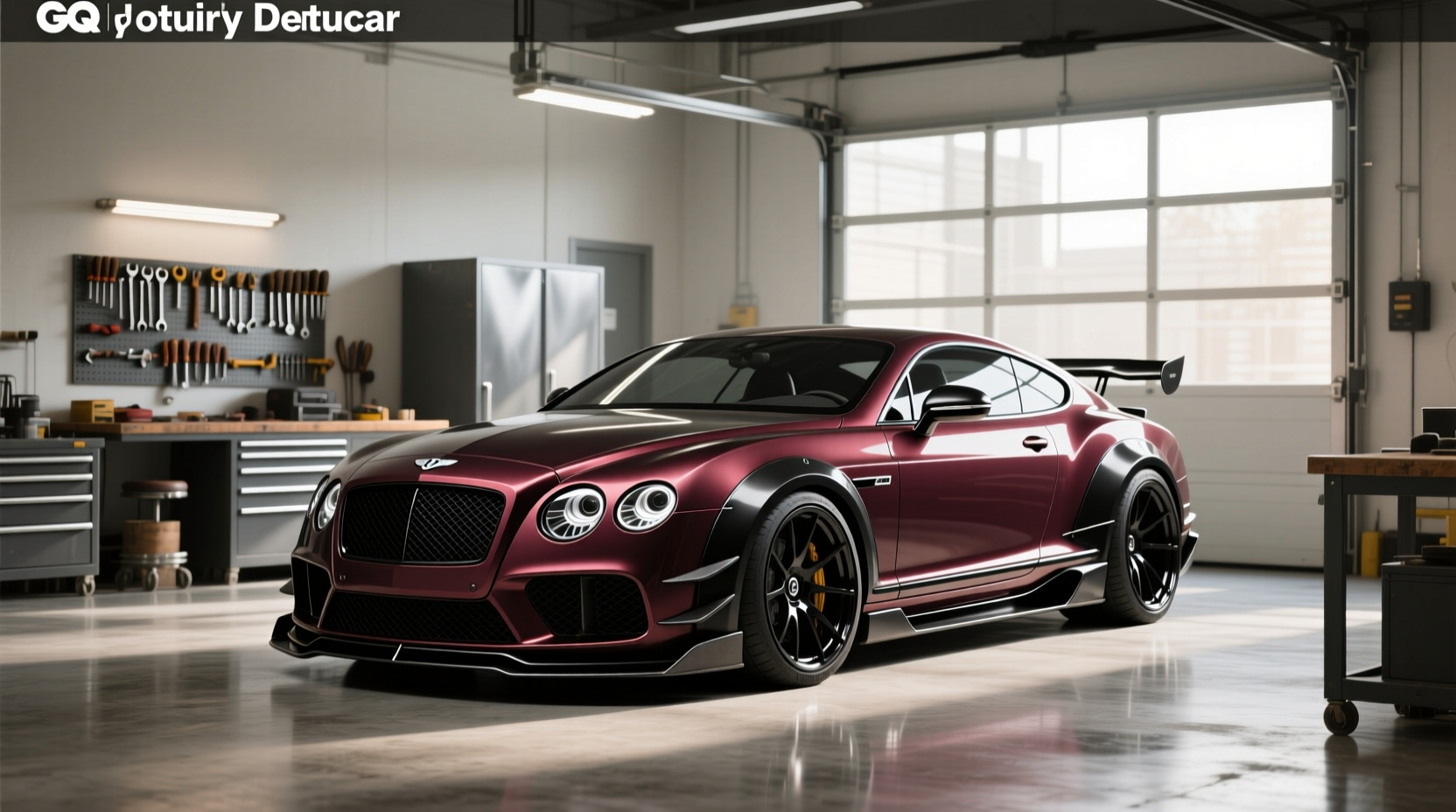
If you're searching for a 2005 Bentley Continental GT body kit, you're likely aiming to enhance its classic luxury presence with modern styling or aggressive aftermarket flair. Unlike factory OEM upgrades, aftermarket body kits offer dramatic visual transformation through front bumpers, side skirts, rear diffusers, and widebody flares. However, choosing the right one requires understanding compatibility across model years (2003–2018), material types like fiberglass, polypropylene, or carbon fiber, and whether you’re pursuing an OEM-style refresh or a full widebody conversion. This guide breaks down everything owners need to know before investing in a body kit for their early-generation Continental GT.
Understanding the 2005 Bentley Continental GT Platform
The 2005 Bentley Continental GT is part of the first generation (Series I) of the modern GT lineup, produced from 2003 to 2010. It features a distinctive grand touring silhouette powered by a 6.0L W12 engine and built on the Volkswagen Group D1 platform. While elegant from the factory, many owners seek bolder aesthetics over time—especially as newer facelift models (2011+, 2018+) introduced sharper lines and more aggressive front ends.
Because the 2005 model predates both major facelifts, finding compatible parts isn’t always straightforward. A Bentley Continental GT 2003–2018 conversion body kit may allow owners to upgrade their vehicle’s appearance to mimic later designs, such as the 2012 V8 S look or even the 2018+ III Series front fascia. These are often referred to as “facelift conversion kits” and can dramatically change curb appeal without altering mechanical components.
Types of Body Kits Available for the 2005 Model
When exploring options for your 2005 Continental GT, it's important to understand the different categories of body kits available:
Full Replacement vs. Add-On Aero
🔧 Full replacement kits involve removing the original factory bumpers and replacing them entirely with new ones designed by third-party manufacturers. These provide the most significant visual impact but require precise alignment and professional installation.✨ Add-on lips or overlays, sometimes called 'bolt-on' aerodynamic packages, attach directly over existing bumpers. They’re less expensive and easier to install but may not deliver the same seamless integration or durability.
Material Options: FRP, Polypropylene, Carbon Fiber
🛒 Common materials used in body kits include:
- FRP (Fiberglass Reinforced Plastic): Affordable and widely available, but heavier and prone to cracking under impact.
- Polypropylene (PP): Flexible thermoplastic often used in OEM bumpers; some aftermarket kits use this for better impact resistance. \li> Carbon fiber (dry or wet): Lightweight, strong, and visually premium—but comes at a much higher price point. Real dry carbon kits can exceed $30,000.
For example, vendors like Forza Performance Group and Phoenyx Design offer full carbon fiber kits that significantly reduce weight while enhancing rigidity and appearance1. However, many listings labeled “carbon fiber look” are actually vinyl-wrapped fiberglass, so careful verification is essential.
Popular Conversion Kits and Styling Trends
One of the most sought-after modifications is upgrading the 2005 GT to resemble later generations. This includes:
- 2012–2013 V8 S Facelift Front End: Sharper headlights, larger lower grilles, and revised bumper contours.
- 2018+ III Series Conversion: Full widebody treatment with extended fenders, quad exhaust integration, and redesigned lighting signatures.
- Mulliner Styling Spec (MSS) Replicas: Mimic factory-approved aesthetic enhancements offered by Bentley’s bespoke division.
🏭 Companies such as Own Silent International Limited and Larte Design specialize in these conversions, offering complete kits that include front/rear bumpers, side skirts, hood vents, and decklid spoilers. Some kits also integrate functional aerodynamics, like improved airflow management and brake cooling ducts.
📍 Not all kits are created equal. While eBay and AliExpress list numerous low-cost options (some under $3,500), they may be made in China using generic molds with questionable fitment accuracy. In contrast, European tuners like V.A.D Design or Mansory produce precision-molded kits specifically engineered for pre-facelift GTs, ensuring proper panel gaps and alignment.
Fitment Considerations Across Model Years
A critical factor when purchasing any body kit is confirming compatibility with the 2005 chassis. Although the first-gen GT spanned from 2003 to 2010, there were subtle changes between model years—including headlight shape, sensor placement, and bumper mounting points.
✅ Always verify whether a kit is listed explicitly for:
- 2003–2007 (early Series I)
- 2008–2010 (late Series I, minor updates)
- Universal 2003–2018 (may require modification)
Using a kit designed for a post-2011 model on a 2005 car could result in misaligned sensors, poor headlight fitment, or interference with radiator supports. Additionally, parking sensors, adaptive cruise control modules, and fog light housings must align correctly to avoid costly rework.
Installation Complexity and Professional Requirements
⚙️ Installing a full body kit on a 2005 Continental GT is not a DIY-friendly task for most owners. It involves:
- Removing factory bumpers (which may require interior trim disassembly)
- Dry-fitting components to check alignment
- Drilling or modifying mounting tabs if needed
- Painting to match factory color codes
- Reinstalling lights, sensors, and aerodynamic ducts
⏱️ A full front + rear + sides installation typically takes 40–80 hours depending on complexity. Labor costs at specialty shops range from $3,000 to $8,000, excluding paint. If carbon fiber parts arrive unpainted, prep and paint alone can add $2,000–$5,000.
🔧 Many high-end kits assume professional installation and do not come with detailed instructions. Buyers should ensure access to a qualified shop experienced with luxury European vehicles before making a purchase.
Cost Breakdown: What to Expect
Pricing varies widely based on brand, material, and scope. Below is a realistic cost overview for a 2005 Continental GT body kit project:
| Component | Material | Avg. Price (USD) | Notes |
|---|---|---|---|
| Front Bumper Only | FRP | $1,200–$2,500 | Basic style update |
| Full Body Kit (Front/Rear/Sides) | FRP | $3,000–$6,000 | Includes all major panels |
| Conversion Kit (e.g., 2018 Facelift) | Polypropylene/FRP | $3,400–$7,000 | May include hood & lights |
| Full Dry Carbon Kit | Dry Carbon Fiber | $20,000–$47,000 | High-end brands only |
| Labor & Paint | N/A | $5,000–$10,000 | Depends on shop location |
🚚 Shipping costs also vary. Kits from Alibaba.com or Chinese sellers may offer free shipping but take 4–8 weeks to arrive and risk customs delays. U.S.-based suppliers like Forza Performance Group often ship faster but charge $500–$1,500 for freight.
Where to Buy: Online Marketplaces vs. Specialty Tuners
🛒 Major platforms where 2005 Bentley Continental GT body kits appear include:
- eBay: Wide selection, competitive pricing, buyer protection. Watch for vague descriptions and reused photos.
- AliExpress / Alibaba.com: Lowest prices, especially for FRP kits. Risk of poor quality control and long wait times.
- Specialty Tuner Websites (e.g., ForzaAA.com, VADDesign.com): Higher cost but better engineering, fitment data, and customer support.
🔍 When comparing listings, ask sellers for:
- Exact year compatibility (confirm 2005 fitment)
- Material certification (real carbon vs. imitation)
- Installation templates or guides
- Customer references or build photos
🚫 Avoid deals that seem too good to be true—especially full carbon kits priced under $10,000. Authentic autoclave-cured dry carbon tooling costs tens of thousands to produce and will reflect in retail pricing.
Common Pitfalls and Buyer Advice
❗ Many owners regret rushing into a body kit purchase without verifying key details. Here are common mistakes and how to avoid them:
1. Assuming All 'GT' Kits Fit Any Year
The term “Bentley Continental GT body kit” is often used generically. But a kit made for a 2020 GTC may not fit a 2005 coupe due to differences in wheel arch shape, door contour, and sensor locations.
2. Ignoring Electrical Integration Needs
New bumpers may lack cutouts for parking sensors, radar modules, or fog lights. Retrofitting these after installation adds labor and potential wiring issues.
3. Skipping Test Fitting Before Painting
Never paint a body kit before dry-fitting every piece. Misaligned panels or warped sections discovered post-paint lead to expensive corrections.
4. Overlooking Legal and Insurance Implications
In some regions, modified bumpers may fail safety inspections or affect airbag deployment sensors. Also, insurers may classify heavily modified Bentleys as high-risk, increasing premiums.
Maintenance and Long-Term Ownership Impact
After installing a body kit, ongoing care becomes more involved. Fiberglass components require regular inspection for cracks, especially around mounting points. Carbon fiber resists corrosion but can delaminate if impacted. Repairs often require specialist composites technicians rather than standard auto body shops.
📈 Resale value impact varies. A well-executed, reversible OEM-style upgrade may attract niche buyers. However, extreme widebody kits or non-original colors can limit appeal and complicate future sales.
🧼 Cleaning also changes—deep mesh grilles and vented fenders trap dirt and require frequent detailing. Owners should invest in proper wash routines and consider ceramic coatings to protect composite surfaces.
Alternatives to Full Body Kits
If a full body kit feels excessive or too costly, consider phased upgrades:
- Front Lip Only: Subtle improvement, easy to replace if damaged.
- Spoiler or Rear Diffuser: Enhances rear stance without structural changes.
- Chrome Delete or PPF Wrap: Modernizes look with film instead of hardware.
- OEM Refresh Using Later Model Parts: Swap in genuine 2012+ bumpers if compatible.
These options allow incremental styling improvements while preserving originality and minimizing risk.
Frequently Asked Questions
- ❓ Can I install a 2018 facelift body kit on my 2005 Continental GT?
- Yes, but only with a dedicated conversion kit designed for pre-facelift models. Direct OEM parts won't bolt on due to structural differences. Aftermarket kits from companies like Forza Performance Group or Own Silent International enable this upgrade with proper adapters and modifications.
- ❓ Are carbon fiber body kits worth the extra cost?
- For performance and longevity, yes—if authentic. Real dry carbon fiber is lighter and stronger than FRP. However, many kits marketed as carbon are actually fiberglass with a carbon-look wrap. Verify material specs before paying a premium.
- ❓ How much does it cost to professionally install a full body kit?
- Expect $5,000–$10,000 for labor and paint, depending on region and shop expertise. Complex widebody or carbon fiber installations take longer and require skilled technicians familiar with luxury vehicles.
- ❓ Will a body kit void my Bentley’s warranty?
- Since the 2005 model is long past factory warranty, this isn’t a concern. However, any future service at dealerships may note modifications, and performance-related claims could be denied if damage is linked to aftermarket parts.
- ❓ Where can I find reviews or real-world examples of installed kits?
- YouTube and Instagram are valuable resources. Search terms like "2005 Bentley GT body kit install" or "Bentley Continental facelift conversion" reveal real builds, including challenges faced and final results.




 浙公网安备
33010002000092号
 浙B2-20120091-4