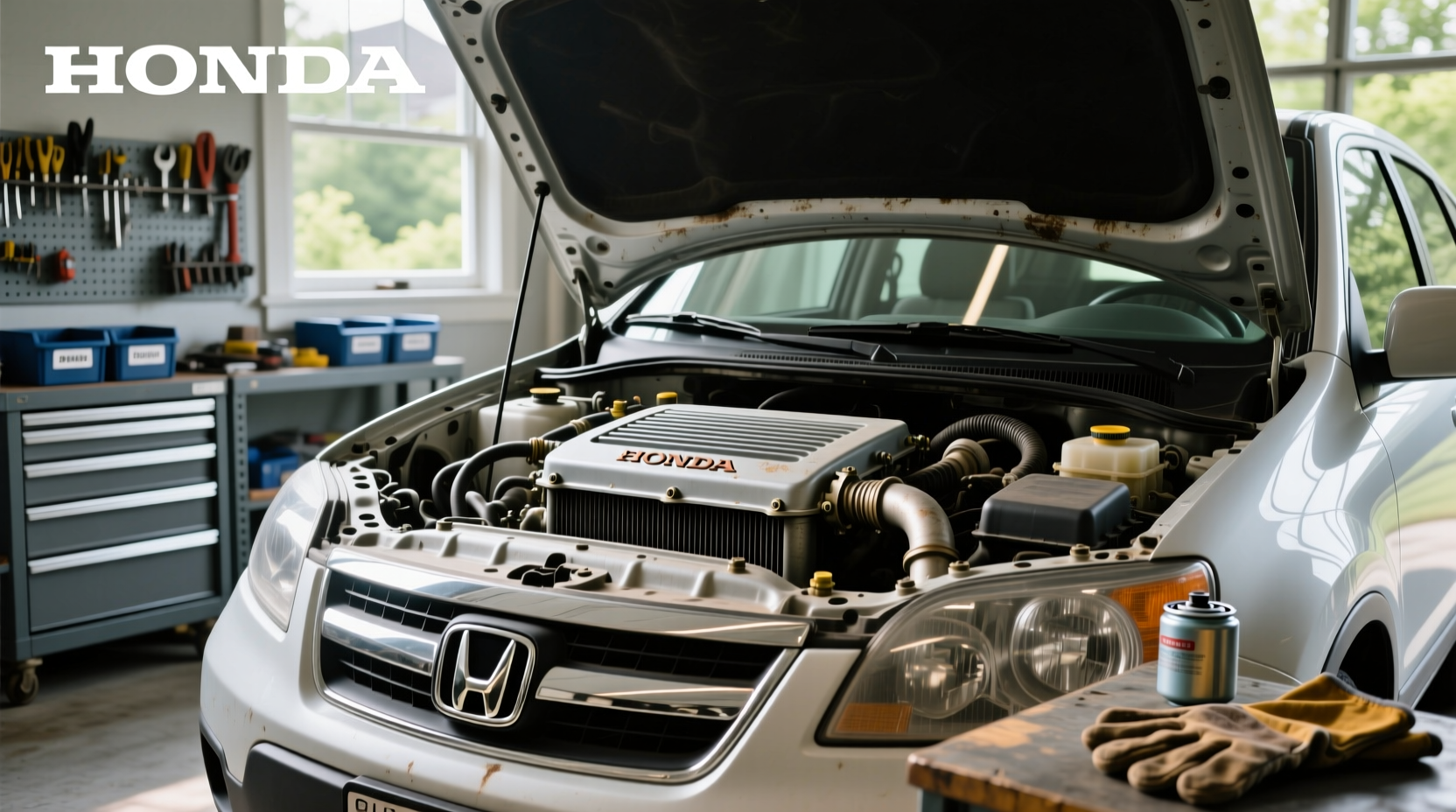
If you're searching for a 2008 Honda CR-V radiator replacement, you're likely dealing with overheating, coolant leaks, or planning preventive maintenance. This comprehensive guide covers everything you need to know: symptoms of radiator failure, average costs (parts and labor), OEM vs. aftermarket comparisons, step-by-step replacement instructions, and key considerations when choosing a new radiator. Whether you’re repairing yourself or hiring a mechanic, this article helps you make informed decisions—saving time, money, and avoiding common pitfalls.
Why Radiator Failure Happens in the 2008 Honda CR-V
The 2008 Honda CR-V uses a front-mounted aluminum radiator as part of its liquid-cooling system. Over time, internal corrosion, external debris buildup, and thermal stress can degrade performance. Common failure points include:
- Corrosion from old coolant: If coolant isn’t changed every 30,000–60,000 miles, acidic buildup eats away at aluminum fins and tanks.
- Coolant leaks at seams: The plastic end tanks bonded to aluminum cores are prone to cracking due to vibration and temperature cycles.
- Clogged tubes: Rust or sludge from neglected cooling systems blocks coolant flow, reducing heat dissipation.
- Fan relay or thermostat issues: While not the radiator itself, these can mimic radiator failure symptoms like overheating.
According to owner reports on forums like CRVOwnersClub.com, radiators in 2007–2011 models often fail between 120,000 and 180,000 miles—especially if coolant was not serviced regularly 1.
Signs Your 2008 CR-V Radiator Needs Replacement
Don’t wait for engine damage. Watch for these early warning signs:
- Overheating engine: Temperature gauge rising into the red zone, especially during idle or low-speed driving.
- Coolant puddles under the car: Green, orange, or pink fluid near the front bumper suggests a leak in the radiator or hoses.
- Slushy or rusty coolant: Open the reservoir when cool—if the fluid looks brown or has particles, internal corrosion is likely.
- Steam from the hood: Indicates boiling coolant due to poor heat transfer.
- Heater malfunction: A clogged radiator restricts hot coolant flow to the cabin heater core.
🔧 Pro Tip: Use an infrared thermometer to check radiator surface temperatures. A cold spot indicates a blockage. Also inspect for insect buildup between the AC condenser and radiator—common in warm climates.
Original Equipment vs. Aftermarket Radiators: What’s Best?
When replacing your 2008 Honda CR-V radiator, you’ll face three main choices: OEM (genuine Honda), premium aftermarket (e.g., Denso, CSF), and budget brands (e.g., AutoShack, OSC).
| Brand Type | Average Price | Lifespan Estimate | Pros | Cons |
|---|---|---|---|---|
| OEM Honda | $270–$414 | 10–15 years | Precise fit, factory warranty, exact material specs | Highest cost, limited availability |
| Denso / CSF | $90–$130 | 8–12 years | High-quality materials, better cooling than stock in some cases | Slight fitment variations possible |
| Budget Brands | $50–$90 | 3–6 years | Low upfront cost, widely available | Thinner materials, higher leak risk, shorter warranty |
🏭 OEM Radiators (Part #19010-RCA-A01) are manufactured to Honda’s exact specifications. They use consistent brazing techniques and aluminum thickness, making them reliable but expensive. Available through dealerships or online OEM parts sites like HondaPartsConnection.com.
🔧 Aftermarket Options: Brands like Denso are original suppliers to Honda and offer comparable quality at lower prices. Mishimoto and CSF focus on upgraded designs with thicker cores or dual-pass flow for improved cooling—ideal if you tow or live in hot climates.
❗ Caution: Some low-cost radiators use thinner aluminum or weaker tank seals. While they may fit and function initially, long-term durability is questionable. Avoid no-name brands unless used as a temporary fix.
How Much Does It Cost to Replace a 2008 Honda CR-V Radiator?
Total cost depends on whether you DIY or hire a shop, plus additional components replaced.
Parts Cost Breakdown
- Genuine Honda Radiator: $270–$414
- Aftermarket (Denso, CSF): $90–$130
- Radiator Cap: $10–$25
- Thermostat: $20–$40
- Coolant (50/50 mix): $10–$15 per gallon (you’ll need ~2 gallons)
- Hoses (upper/lower): $30–$60 total
Labor Cost (if using a mechanic)
Most shops charge 2–3 hours of labor at $80–$150/hour. Total labor: $160–$450. Some include coolant refill and bleed procedures; others bill separately.
Total Estimated Replacement Cost
- DIY with aftermarket parts: $150–$220
- Shop repair with OEM radiator: $500–$900
- High-end upgrade (CSF + thermostat + hoses): $600+ at shop
👥 User Insight: One Reddit user reported a dealer quote of $900+, while an independent mechanic completed the job for $500 using a non-OEM radiator 2. This highlights variability in pricing and the value of getting multiple estimates.
Step-by-Step Guide to Replacing the Radiator (DIY)
⏱️ Time Required: 2–3 hours | 🔧 Tools Needed: Socket set, pliers, drain pan, funnel, torque wrench
- Disconnect the battery: Remove the negative terminal to prevent electrical shorts.
- Drain the coolant: Place a pan under the radiator petcock or remove the lower hose. Flush old coolant properly—do not pour down drains.
- Remove radiator hoses: Loosen clamps on upper and lower hoses. Gently twist and pull to disconnect. Replace hoses if cracked or soft.
- Unplug fan wiring and remove shroud: The electric fans are attached to the radiator. Unclip connectors and remove screws holding the shroud.
- Remove transmission cooler lines (if automatic): Use line wrenches to avoid rounding fittings. Plug lines to minimize fluid loss.
- Unbolt radiator mounting brackets: Two bolts typically secure the top. Support the radiator as you remove them.
- Lift out the old radiator: Tilt slightly to clear obstructions. Inspect for debris or damage.
- Install the new radiator: Reverse removal steps. Torque mounting bolts to 8–10 ft-lbs. Reconnect all lines and hoses.
- Refill with coolant: Use Honda Type 2 or equivalent OAT coolant. Mix 50/50 with distilled water. Bleed air by running engine with heater on high until flow stabilizes.
- Test drive and monitor: Check for leaks, overheating, and proper heater output.
🧼 Best Practice: Replace the thermostat and radiator cap during this job—they’re inexpensive and share the same failure timeline. Also consider flushing the entire cooling system to remove contaminants.
Common Mistakes to Avoid During Replacement
- Forgetting to bleed the system: Air pockets cause overheating even with a new radiator.
- Reusing old hose clamps: Spring-type clamps lose tension; worm-drive clamps can cut into soft hoses.
- Over-tightening plastic fittings: Radiator inlet/outlet necks are fragile—hand-tighten clamps first, then snug with tool.
- Mixing coolant types: Incompatible coolants form gel-like sludge. Stick to Honda-approved OAT or HOAT formulas.
- Not checking fan operation: Test both radiator fans after installation. A failed relay or fuse can still lead to overheating.
Where to Buy a 2008 Honda CR-V Radiator
You have several purchasing options, each with trade-offs:
- Dealerships: Sell genuine Honda radiators with full warranty. Higher price, but guaranteed compatibility.
- AutoZone / O'Reilly / Advance Auto Parts: Carry multiple brands (Duralast, Hayden, etc.). Offer free pickup, lifetime warranty on some parts, and in-store advice.
- Online Retailers (eBay, Summit Racing): Wider selection, including performance upgrades. Verify seller ratings and return policies.
- OEM Parts Websites: Sites like HondaPartsConnection.com or HondaOEMPartsOnline.com offer factory parts at competitive prices with direct shipping.
🛒 Buying Tip: Compare core charges. Some sellers require a refundable deposit ($30–$50) if you return your old radiator.
Can You Drive with a Bad Radiator?
Short answer: No. Even minor leaks worsen over time. Overheating damages head gaskets, warps cylinder heads, and risks complete engine failure. If you notice persistent overheating, stop driving immediately and tow the vehicle.
📌 Emergency Fix?: Products like Bar’s Leaks or JB Weld Radiator Epoxy are temporary solutions only. They may seal small pinholes but can clog heater cores or thermostats. Use only to reach a repair shop—not as permanent repairs.
Extending Radiator Life: Maintenance Tips
- Change coolant every 5 years or 60,000 miles: Prevents acid buildup and maintains corrosion inhibitors.
- Inspect hoses and clamps annually: Replace before they fail.
- Clean the radiator face monthly: Use compressed air or water to remove bugs, leaves, and dirt that block airflow.
- Monitor temperature gauge: React early to fluctuations.
- Use OEM-specified coolant: Honda Type 2 (blue) or equivalent meets required standards.
Related Components to Inspect During Radiator Replacement
Since the radiator is part of a larger system, take advantage of the access to check:
- Water pump: Look for weep hole leakage or bearing noise.
- Thermostat: Stuck closed = overheating; stuck open = poor cabin heat.
- Radiator cap: Test pressure rating (usually 15–18 psi). A weak cap reduces boiling point.
- Electric fans: Ensure both speeds operate when AC is on or engine reaches temp.
- Transmission cooler lines: Rubber sections can crack; metal lines may corrode.
Frequently Asked Questions (FAQs)
- ❓ Can I use any radiator for my 2008 Honda CR-V?
- No. Ensure the radiator matches your engine size (2.4L 4-cylinder) and drivetrain (FWD or AWD). AWD models may have different transmission cooler routing.
- ❓ How long does a 2008 CR-V radiator last?
- With proper maintenance, 10–15 years. Many fail earlier due to neglected coolant changes. Average lifespan is 120,000–180,000 miles.
- ❓ Is it worth replacing a radiator instead of repairing it?
- Yes. Patching a leaking radiator with epoxy or solder is temporary. Replacement ensures reliability and prevents roadside breakdowns.
- ❓ Do I need to flush the cooling system when replacing the radiator?
- Highly recommended. Old coolant contains contaminants that can clog the new radiator. Flushing removes rust, scale, and degraded additives.
- ❓ Can a bad radiator cause the check engine light to come on?
- Yes. Overheating triggers codes like P0128 (coolant thermostat rationality) or P0118 (ECT sensor high input). Address cooling issues promptly to avoid misdiagnosis.




 浙公网安备
33010002000092号
 浙B2-20120091-4