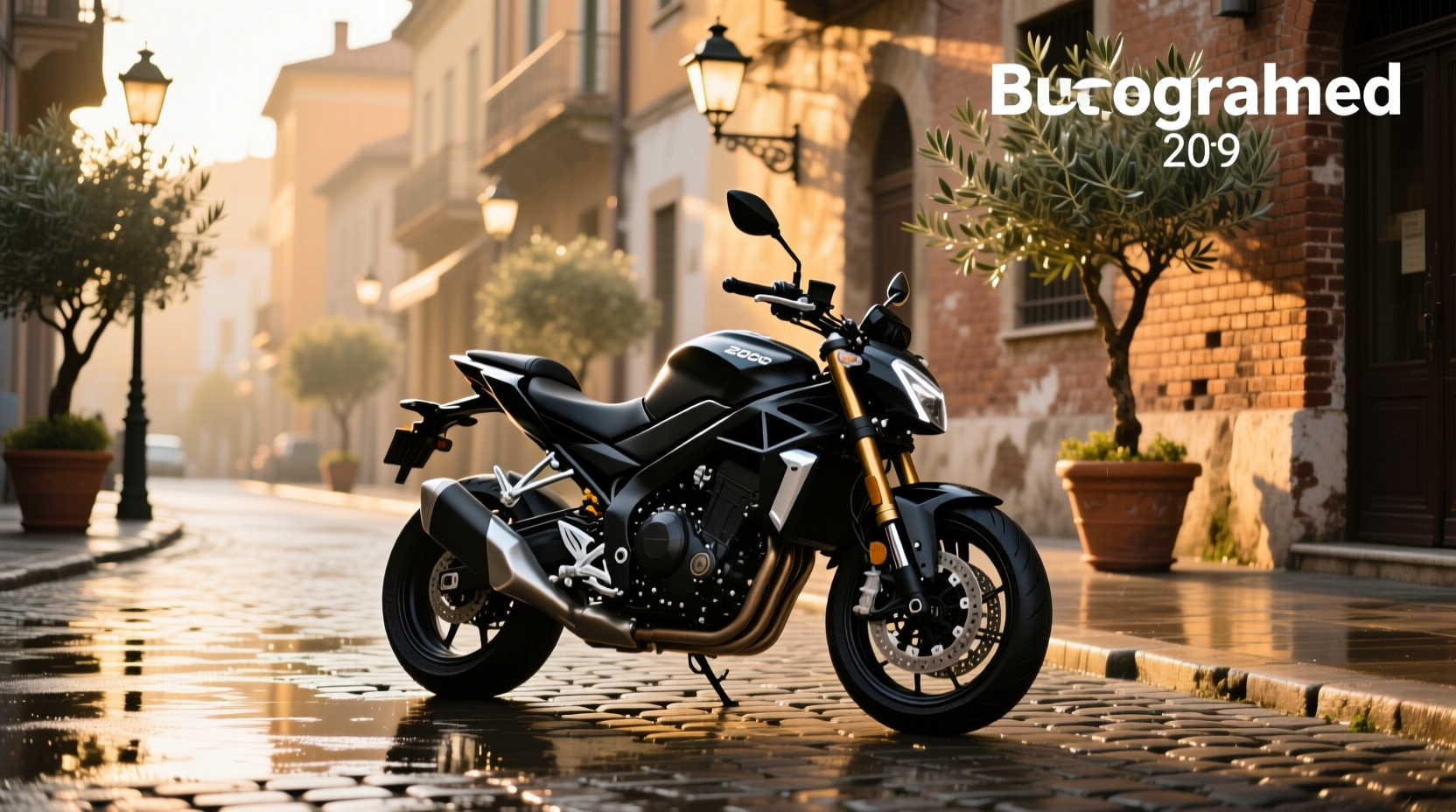
When searching for a 200cc motor bike, riders often want a balance of power, fuel efficiency, and affordability—especially if they're new to motorcycling or need reliable urban transportation. A 200cc motorcycle typically reaches speeds between 60–75 mph (95–120 km/h), making it suitable for city commuting and light highway use ✅. These bikes are often lighter than larger displacement models, easier to handle, and more fuel-efficient, with many offering automatic CVT transmissions that eliminate the clutch for smoother riding ⚙️. Whether you’re considering a dirt bike, minibike, or street-legal model, understanding engine type, legal requirements, pricing factors, and performance specs is essential before buying.
Understanding 200cc Motorcycle Types and Use Cases
The term 200cc motor bike covers several vehicle categories, each designed for different environments and rider needs. The three main types include:
- Street-Legal Motorcycles: Designed for public roads, these models meet EPA and DOT regulations. They feature headlights, turn signals, mirrors, VINs, and emissions compliance. Examples include the Vitacci Falcon 200 EFI and Venom X19.
- Dirt Bikes / Off-Road Models: Built for trails and rough terrain, these lack required street equipment and are not legal for road use unless modified and registered accordingly. Brands like Beta and KTM offer high-performance 200cc two-stroke enduro bikes.
- Mini Bikes / Pocket Bikes: Often marketed as recreational vehicles, these compact machines may resemble sport bikes but usually don’t meet federal safety standards. Many fall into gray areas regarding legality depending on local laws.
Choosing the right type depends on your intended use—commuting, weekend trail riding, or casual neighborhood rides 🌐.
Top Speed and Performance: How Fast Is a 200cc Bike?
One of the most frequently asked questions is: how fast will a 200cc bike go? The answer varies based on engine configuration, weight, aerodynamics, and whether it's air- or liquid-cooled.
Average top speeds by engine type:
| Engine Type | Cooling System | Transmission | Avg. Top Speed |
|---|---|---|---|
| 4-Stroke, Single Cylinder | Air-Cooled | Manual/CVT | 60–68 mph (97–110 km/h) |
| 4-Stroke, Single Cylinder | Liquid-Cooled | Manual | 70–75 mph (113–120 km/h) |
| 2-Stroke | Oil/Liquid Cooled | Manual | 75–85 mph (120–137 km/h) |
For example, the Venom X19 200cc has a top speed around 70 mph, while race-oriented two-strokes like the Beta RR 200 can exceed 80 mph under optimal conditions ⚡.
Keep in mind that real-world performance also depends on rider weight, terrain, wind resistance, and maintenance condition. Heavier riders or frequent uphill driving may notice reduced acceleration and lower cruising speeds.
Price Range: What Does a 200cc Motorcycle Cost?
Pricing for 200cc motor bikes varies widely—from under $800 for basic mini bikes to over $3,000 for fully equipped, street-legal models. Here’s a breakdown of typical price segments:
- Budget Tier ($500–$1,000): Includes non-street-legal mini bikes such as the Coleman Power Sports BT200X or Trailmaster MB200. These are best suited for private property use only ❗.
- Mid-Range ($1,500–$2,500): Offers better build quality, improved suspension, and sometimes electric start. Models like the Tao Motor DB200 or Ice Bear Menace fit here.
- Premium Tier ($2,500–$3,300): Features fuel injection (EFI), alloy wheels, LED lighting, and full street legality. The Vitacci Falcon 200 EFI and Red Fox Super Sports 200 fall into this category ✨.
New vs. used options also affect value. Used 200cc bikes from reputable brands may offer better long-term reliability than cheaper new imports, which sometimes suffer from inconsistent quality control.
Do You Need a License to Ride a 200cc Dirt Bike?
This is a critical question: do you need a license to ride a 200cc dirt bike? The answer hinges on where and how you plan to operate the vehicle.
In the United States:
- If the bike is off-road only and used on private land, no driver’s license is required by federal law, though some states may require ATV/dirt bike safety certification for minors.
- If the bike is street-legal (equipped with lights, mirrors, horn, etc.) and registered with the DMV, then yes—you must have a valid motorcycle endorsement (M-class license) on your state-issued driver’s license 👥.
States vary significantly. For instance:
- California requires all motorized bicycles over 150cc to be registered and ridden with a Class M license.
- Texas allows certain mopeds up to 200cc without a motorcycle license if they meet low-speed criteria (<25 mph).
- Florida does not require a separate motorcycle license for scooters under 50cc, but anything above—including 200cc bikes—requires proper endorsement.
To verify local rules, consult your state’s Department of Motor Vehicles website 🔍. Never assume a 200cc bike is automatically exempt just because of its size.
Engine Types: 4-Stroke vs. 2-Stroke in 200cc Bikes
Another key decision point is choosing between 4-stroke and 2-stroke engines. Each has distinct advantages and trade-offs.
4-Stroke Engines
Most modern 200cc street bikes use 4-stroke engines due to their durability, fuel efficiency, and cleaner emissions. Advantages include:
- Smoother power delivery
- Lower noise levels
- Better fuel economy (~70–90 mpg)
- Easier cold starts
- Longer service intervals
However, they tend to be heavier and produce less peak power compared to 2-strokes of similar displacement.
2-Stroke Engines
Found primarily in competition-grade off-road bikes like the Beta RR 200 or Rieju MR Pro 200, 2-strokes deliver explosive acceleration and higher horsepower per cc. Benefits include:
- Higher power-to-weight ratio
- Simpler mechanical design
- Lightweight construction
But drawbacks include:
- Frequent oil mixing (premix or injected)
- Shorter engine life
- Higher emissions
- More frequent maintenance
Due to environmental regulations, 2-stroke motorcycles are rarely sold as street-legal models in North America today, though they remain popular in off-road racing circuits.
Automatic vs. Manual Transmission: Which Is Right for You?
Many newer 200cc bikes now come with automatic CVT (Continuously Variable Transmission), especially those aimed at beginners or urban commuters. This eliminates the clutch and simplifies operation—similar to riding a scooter.
Pros of automatic 200cc bikes:
- No clutch lever fatigue in stop-and-go traffic
- Easier learning curve for novice riders
- Smooth throttle response
Cons:
- Less precise control during aggressive riding
- Limited customization of gear ratios
- Slightly lower fuel efficiency under hard acceleration
Manual transmission models, while requiring more skill, give riders greater control over engine braking, cornering lines, and throttle modulation—important for both safety and performance in varied conditions.
Key Buying Considerations: What to Look For
Before purchasing a 200cc motor bike, consider these seven factors:
- Fuel Injection (EFI) vs. Carburetor: EFI systems provide better cold starts, consistent fuel delivery, and improved emissions. Carbureted models are cheaper but less efficient and harder to tune.
- Cooling System: Liquid-cooled engines maintain stable temperatures under load and perform better in hot climates or sustained riding.
- Braking System: Disc brakes front and rear are standard on quality models. ABS is rare at this displacement but highly desirable for wet-weather safety.
- Seat Height: Check if the bike fits your inseam. Some 200cc bikes have seat heights over 30 inches, which may be challenging for shorter riders.
- Warranty & Support: Import brands may offer limited dealer networks. Research parts availability and customer service reputation.
- Resale Value: Known brands retain value better. Generic or Alibaba-sourced bikes often depreciate quickly.
- Aftermarket Parts: Verify whether common upgrades (exhaust, tires, suspension) are available for your chosen model.
Common Misconceptions About 200cc Motorcycles
Several myths persist about small-displacement bikes:
- Myth: All 200cc bikes are street-legal. False. Only models specifically certified by the manufacturer and listed with NHTSA/DOT qualify.
- Myth: A 200cc bike can't handle highways. While not ideal for long interstate trips, many can safely cruise at 65–70 mph on shorter stretches.
- Myth: Cheaper means better value. Low-cost mini bikes often lack structural integrity, proper braking, or durable engines.
- Myth: Licensing doesn't matter for small bikes. Law enforcement increasingly targets unlicensed operation of high-powered mini bikes in residential areas.
Where to Buy a 200cc Motor Bike
You can find 200cc motorcycles through various channels:
- Online Retailers: Sites like Alibaba.com list numerous suppliers, particularly for generic or export-market models. Be cautious about quality and import compliance 🌍.
- Specialty Powersports Stores: Dealers like Red Fox Power Sports or Venom Motorsports sell pre-assembled, tested units with warranties.
- Local Classifieds: Platforms like Facebook Marketplace or Craigslist may offer used bikes at lower prices—but inspect thoroughly for frame damage or tampered odometers.
- Auction Sites: Government surplus or repossessed vehicle auctions occasionally feature 200cc bikes.
Always request a Vehicle Identification Number (VIN) check and ensure the title is clean before completing any purchase.
Maintenance Tips for Longevity
Proper upkeep extends the life of any 200cc engine:
- Change engine oil every 1,000 miles or 3 months (whichever comes first).
- Inspect air filter monthly; replace if dirty or clogged.
- Check tire pressure weekly—underinflation reduces grip and increases wear.
- Lubricate chain every 500 miles (for chain-driven models).
- Store battery on a tender during winter months.
- Flush coolant annually on liquid-cooled engines.
Following a routine schedule prevents costly repairs down the line 🧰.
Final Thoughts: Is a 200cc Motor Bike Right for You?
A 200cc motor bike strikes a practical balance between capability and manageability. It's powerful enough for daily commuting yet nimble enough for beginner riders. However, suitability depends on your experience level, riding goals, and local regulations.
Ask yourself:
- Will I ride on public roads or only off-road?
- Am I comfortable operating a manual transmission?
- Do I need a bike that can carry a passenger or cargo?
- Can I afford insurance, registration, and ongoing maintenance?
Answering these honestly helps determine whether a 200cc model meets your needs—or if another displacement class might be more appropriate.
Frequently Asked Questions
- How fast does a 200cc motorcycle go?
- Most 200cc motorcycles reach speeds between 60–75 mph (95–120 km/h), depending on engine type, cooling system, and rider conditions. Two-stroke models generally achieve higher top speeds than four-strokes.
- Is a 200cc bike good for beginners?
- Yes, especially automatic or fuel-injected models. They offer manageable power, lighter weight, and forgiving handling—ideal for learning city riding and basic control techniques.
- Do I need a motorcycle license for a 200cc bike?
- If the bike is street-legal, yes—you need a motorcycle endorsement on your driver’s license in most U.S. states. Off-road use on private property typically doesn’t require a license.
- Are 200cc motorcycles street legal?
- Only if they meet federal and state requirements, including lighting, signaling, emissions, and VIN certification. Not all 200cc bikes are built to these standards—verify before assuming road legality.
- What’s the difference between a 200cc dirt bike and a street bike?
- Dirt bikes are optimized for off-road terrain with knobby tires, long-travel suspension, and minimal accessories. Street bikes include mirrors, turn signals, horns, and DOT-approved components for public road use.




 浙公网安备
33010002000092号
 浙B2-20120091-4