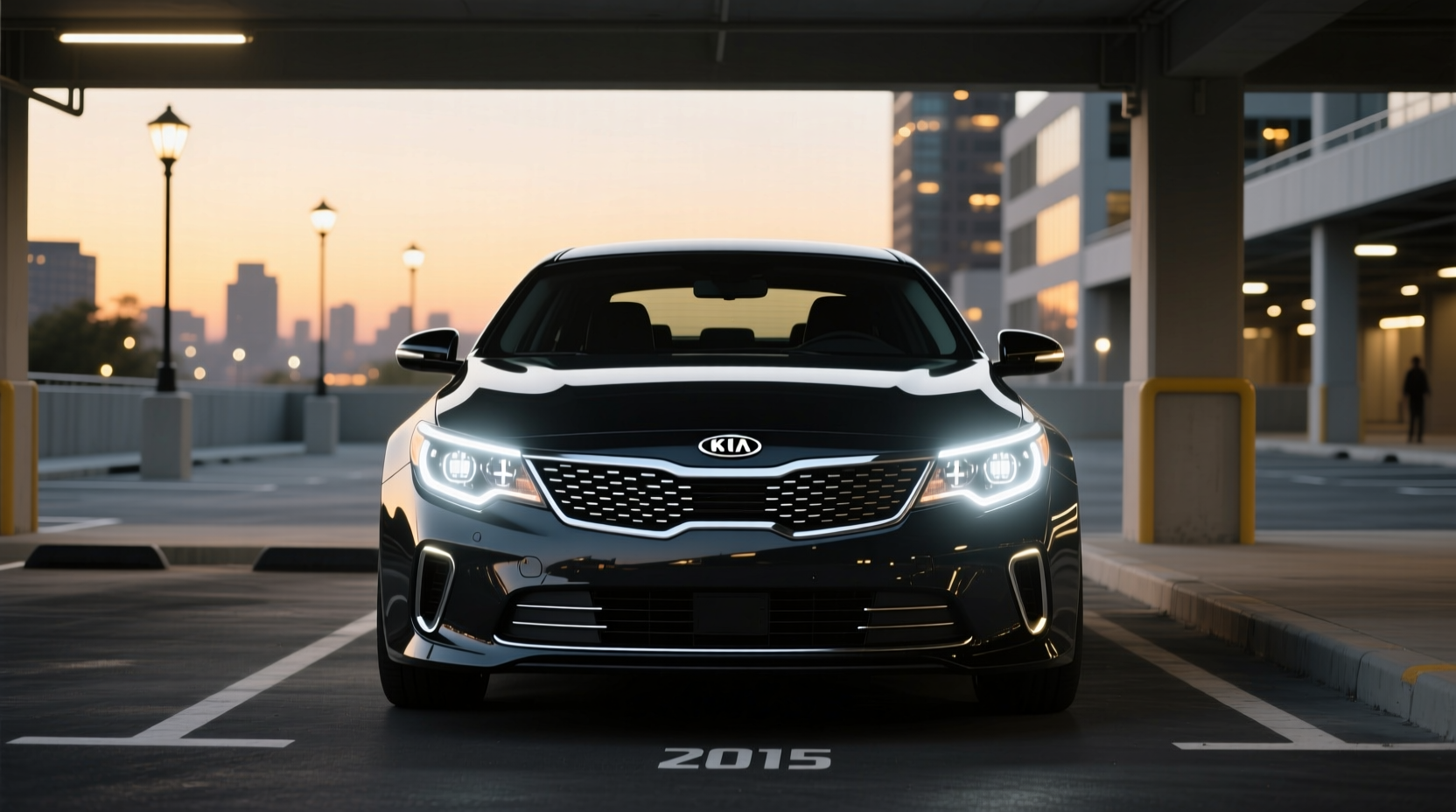
If you own a 2015 Kia Optima and are considering upgrading to LED headlights, the short answer is: yes, it’s possible—but with important caveats. The 2015 Kia Optima uses H7 bulbs for low beam and 9005 (HB3) for high beam headlights, which are halogen by factory design. While direct LED replacements exist, compatibility, beam pattern accuracy, heat dissipation, and compliance with road regulations vary significantly between products and installations ⚠️. This guide breaks down everything you need to know before upgrading your 2015 Kia Optima LED headlights, including bulb specs, retrofitting challenges, top considerations for performance and safety, and how to avoid costly mistakes.
Understanding Factory Lighting on the 2015 Kia Optima
The 2015 Kia Optima was equipped with halogen headlight systems across all trims—LX, EX, SX, and Limited. These use traditional tungsten-halogen bulbs that produce light via a heated filament. Specifically:
- Low Beam: H7 (55W)
- High Beam: 9005 (HB3, 65W)
- Fog Lights: H11 (55W)
- Daytime Running Lights (DRL): Integrated LED strips in higher trims (EX and above)
While the DRLs are already LED, the main forward illumination relies on halogen technology, which tends to be less bright, less energy-efficient, and shorter-lived than modern LED alternatives ✅. Many owners seek upgrades for better nighttime visibility, aesthetics, or longevity.
Can You Replace Halogen Bulbs with LEDs in a 2015 Kia Optima?
🔧 Technically, yes—you can replace the stock H7 and 9005 halogen bulbs with LED versions. However, technical feasibility does not guarantee optimal performance or legality. Here’s why:
Optical Compatibility Issues
Halogen and LED bulbs emit light differently. Halogen filaments produce a focused glow from a small point, while LEDs use multiple diodes arranged on a chip, often requiring complex heat sinks and drivers. When placed in a reflector or projector housing designed for halogen bulbs, LED replacements may cause:
- Glare for oncoming drivers
- Inaccurate beam cutoff
- Reduced usable light on the road
- Shadowing or hotspots
This mismatch can reduce safety and may violate FMVSS 108 (Federal Motor Vehicle Safety Standard) in the U.S., which governs headlight performance and aiming 1.
Potential CANBUS and Error Issues
The 2015 Optima’s onboard computer monitors bulb resistance. Since LEDs draw less power than halogens, the system may register a “bulb out” warning even when the LED is functioning properly. Some LED kits include built-in CANBUS error cancellers or require external resistors to prevent false alerts ⚠️. Always check product specifications for compatibility with Kia’s electrical architecture.
Heat and Clearance Challenges
LED bulbs generate heat at the base (not the lens), requiring heat sinks and fans. In tight headlight housings like those on the Optima, oversized LED units may not fit without modification. Interference with dust caps or improper sealing can lead to moisture ingress and premature failure 🌧️.
Types of LED Upgrades Available for 2015 Kia Optima
There are three primary approaches to upgrading your 2015 Kia Optima’s headlights with LED technology:
1. Plug-and-Play LED Bulb Replacements
These are the most common and affordable option. They plug directly into the existing H7 or 9005 sockets without rewiring. Brands like Lasfit, Diode Dynamics, and Philips offer H7 LED bulbs marketed for vehicles like the Optima.
| Feature | Halogen (Stock) | Aftermarket LED Bulb |
|---|---|---|
| Brightness (Lumens) | ~1,500 lm (H7) | 3,000–6,000 lm |
| Lifespan | 500–1,000 hours | 15,000–30,000 hours |
| Power Draw | 55W (H7) | 20–30W |
| Color Temperature | 3,200K (warm white) | 5,000K–6,500K (cool white) |
| Beam Pattern Accuracy | Optimized for housing | Varies; often suboptimal |
✅ Pros: Easy installation, relatively low cost ($60–$200 per pair)
❗ Cons: Risk of glare, potential fitment issues, inconsistent quality
2. Complete LED Headlight Assemblies
A more reliable but expensive solution is replacing the entire headlight unit with an OEM-style LED assembly. Some aftermarket manufacturers offer projector-based LED housings designed to fit the 2011–2015 Optima chassis.
These units integrate optics engineered for LED chips, ensuring proper beam focus and compliance. However, they require removing the bumper or headlight housing for installation and typically cost $300–$600 per side.
⚠️ Note: True OEM LED assemblies were not available for the 2015 Optima. What’s sold as “OEM LED” are usually replica housings with integrated LED projectors.
3. Halo or Angel Eye Kits (Cosmetic Only)
Some users confuse halo rings or demon eyes with functional LED headlights. These are decorative LED rings installed inside the headlight housing for visual appeal and do not replace the main low/high beam function ✨.
They connect to parking lights or DRL circuits and are purely aesthetic. While popular for customization, they don’t improve nighttime visibility.
How to Choose the Right LED Upgrade: Key Factors
Selecting the best LED solution for your 2015 Kia Optima depends on several factors beyond brightness and price.
📌 Bulb Fitment and Housing Type
Determine whether your Optima has reflector or projector low beams. Projector housings generally handle LED retrofits better due to their focused optics. Most 2015 Optimas have projector low beams and reflector high beams.
Check clearance: Measure space behind the headlight. If there’s less than 2 inches, fanless (passive-cooled) LEDs may be necessary.
🌡️ Thermal Management
LEDs rely on heat dissipation to maintain lifespan. Units with aluminum heat sinks and quiet fans perform better in enclosed spaces. Avoid cheap LEDs with plastic housings or no cooling system.
📏 Beam Pattern and Lumen Claims
Don’t trust advertised lumen numbers blindly. A 12,000-lumen LED may scatter light inefficiently. Look for independent beam pattern tests or E-Mark/DOT certifications indicating regulated performance.
🔌 Driver Placement
Some LED kits have external drivers that must be mounted securely away from heat and moisture. Internal-driver models are easier to install but may run hotter.
Installation Tips for 2015 Kia Optima LED Headlights
🛠️ Replacing headlight bulbs on the 2015 Optima is manageable with basic tools. Here’s a step-by-step overview:
- Park on a level surface and disconnect the battery negative terminal.
- Open the hood and locate the back of the headlight assembly.
- Remove the rubber dust cover (turn counterclockwise).
- Disconnect the electrical connector from the old bulb.
- Release the bulb retaining clip and remove the halogen bulb.
- Insert the new LED bulb, aligning pins correctly.
- Reattach the clip, reconnect wiring, and reinstall the dust cap.
- Repeat for the other side and test both beams.
⏱️ Time required: ~30 minutes per side.
🔧 Tools needed: Phillips screwdriver (optional, for accessing tight spots), gloves (to avoid oil on bulb).
💡 Pro Tip: Before closing everything up, turn on the lights and observe the beam pattern on a wall. Adjust the bulb angle if possible to minimize glare upward.
Legal and Safety Considerations
Upgrading to LED headlights isn’t automatically illegal, but improper installations can be.
DOT and SAE Compliance
In the U.S., headlight systems must meet DOT standards. While individual bulbs aren’t certified, complete headlight assemblies are. Installing non-compliant LED bulbs in halogen housings may fail state inspections in states like California, New York, or Texas.
Look for bulbs labeled “DOT Approved” with caution—this often refers to packaging, not performance. True compliance requires third-party testing to SAE J1383 or similar standards.
E-Mark Certification
In Europe, E-Mark certification (ECE R37 for H7) ensures bulbs meet photometric requirements. Some aftermarket LEDs carry E-Mark labels, but verification through official databases is recommended.
NHTSA Stance on LED Retrofits
The National Highway Traffic Safety Administration states that modifying original lighting systems may render a vehicle noncompliant 2. While enforcement is rare for minor upgrades, liability in accidents could shift to the owner if non-standard lighting is deemed a factor.
Common Misconceptions About LED Upgrades
Several myths persist about LED headlight conversions:
- Myth: Brighter = Better Visibility
Reality: Poorly focused 6,000K LEDs can create glare without increasing usable road illumination. - Myth: All LED bulbs are plug-and-play
Reality: Many require additional wiring, resistors, or software resets. - Myth: LEDs last forever
Reality: Lifespan depends on thermal management. Overheating in enclosed housings can cut life by 50% or more. - Myth: Color temperature affects brightness
Reality: Higher Kelvin (e.g., 6,500K) looks whiter but produces fewer lumens than 5,000K, which is closer to daylight and offers better contrast.
Alternatives to Full LED Conversion
If full LED retrofitting seems risky or too costly, consider these safer alternatives:
✅ High-Performance Halogen Bulbs
Brands like Philips X-tremeUltinon or Osram Night Breaker offer up to 130% more light than standard halogens, with proper beam patterns and no compatibility issues.
✅ Hybrid LED-Halogen Systems
Some kits combine LED low beams with halogen high beams, reducing strain on the electrical system while improving primary illumination.
✅ Professional Retrofit with Projector Lenses
For serious enthusiasts, having OEM-quality LED projectors (like those from Lexus or Audi) professionally installed into your Optima’s housings provides optimal performance and legality. This process involves opening the headlight, installing new optics, and resealing—costing $800–$1,500 but delivering unmatched results.
Maintenance and Troubleshooting
Once installed, monitor your LED headlights for:
- Flickering (indicates voltage instability or poor connection)
- One-side failure (check ground connection or driver module)
- Overheating shutdown (ensure airflow and clean heat sinks)
🧼 Clean lenses regularly with non-abrasive polish to maintain clarity. UV exposure and road grime can reduce output by up to 40% over time.
Final Recommendations
Upgrading your 2015 Kia Optima LED headlights can enhance visibility and aesthetics—if done correctly. For most owners, we recommend:
- Sticking with high-performance halogens unless you’re prepared for potential trade-offs.
- If choosing LED bulbs, select reputable brands with proven beam patterns and thermal design.
- Avoid ultra-high color temperatures (above 6,000K) for practical night driving.
- Consider full housing replacement or professional retrofitting for best long-term results.
Frequently Asked Questions (FAQ)
Can I legally install LED headlights in my 2015 Kia Optima?
Yes, but only if the entire headlight system is certified. Replacing halogen bulbs with LEDs in stock housings may not comply with federal or state lighting regulations, especially if they cause glare or improper beam patterns.
What bulb size does the 2015 Kia Optima use for low beams?
The 2015 Kia Optima uses H7 bulbs for low beam headlights and 9005 (HB3) for high beams.
Do LED headlights improve night driving visibility?
Well-designed LED systems can improve visibility, but poorly fitted LED bulbs in halogen housings often create glare without increasing usable light. Proper optics matter more than raw brightness.
Why do my LED headlights trigger a bulb-out warning?
LEDs draw less current than halogens, causing the car’s CANBUS system to detect a fault. Adding CANBUS-compatible bulbs or load resistors usually resolves this issue.
Are there OEM LED headlights available for the 2015 Kia Optima?
No, the 2015 Kia Optima did not come with OEM LED low beam headlights. Later models (post-2016) began offering LED projectors in higher trims, but retrofitting requires aftermarket or used OEM parts from newer models.




 浙公网安备
33010002000092号
 浙B2-20120091-4