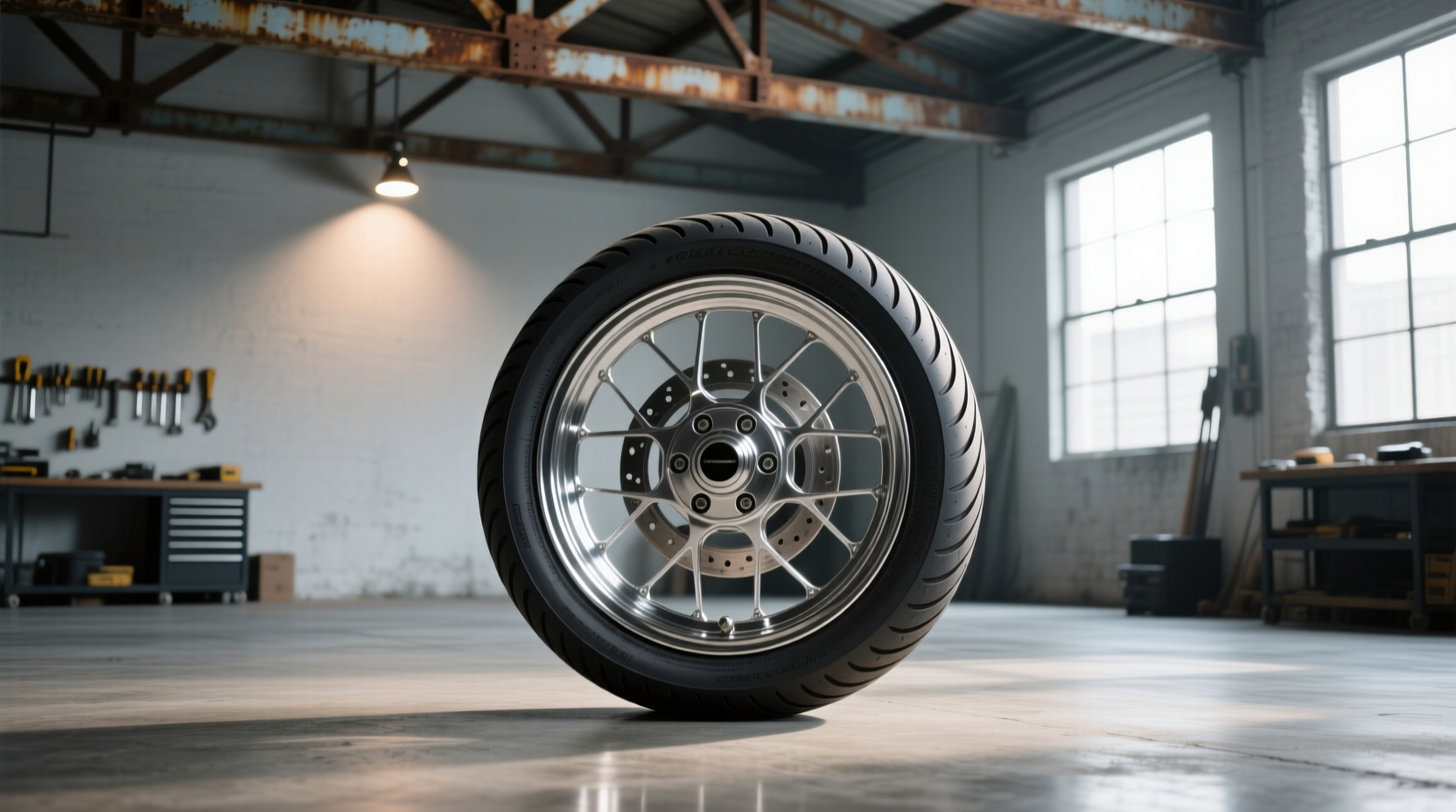
🛒 If you're searching for a 21 inch motorcycle wheel and tire package, the most critical decision isn't just style or price—it's whether the setup matches your bike’s make, model, and intended riding conditions. Many riders assume bigger front wheels automatically improve handling or off-road capability, but without proper fitment and tire pairing, a 21-inch upgrade can lead to clearance issues, altered steering geometry, or even safety risks. This guide breaks down everything you need to know before buying, including compatibility with Harley-Davidson touring models, dual-sport advantages, spoke versus alloy construction, and how tire selection affects real-world performance.
Why Riders Choose a 21-Inch Front Wheel
📍 The 21-inch front wheel has long been associated with classic choppers, café racers, and off-road adventure bikes. Its appeal lies in both aesthetics and function. A taller front end gives motorcycles a stretched, vintage stance that many custom builders favor 1. Functionally, a larger diameter wheel rolls over obstacles more easily, which is especially beneficial on rough roads or light trails. For dual-sport and adventure riders, this means better traction in sand, gravel, or mud compared to smaller 18- or 19-inch fronts.
⚡ However, there are trade-offs. A 21-inch wheel typically weighs more than its smaller counterparts, increasing unsprung weight and potentially reducing suspension responsiveness. It also changes rake and trail geometry, which can affect low-speed maneuverability. So while it may enhance straight-line stability at highway speeds, tight cornering or city riding might feel less agile.
Common Motorcycles That Use 21-Inch Wheels
🔧 Not all motorcycles support 21-inch wheels out of the box. The most common applications include:
- Harley-Davidson Touring Models (2008–Present): Many Street Glide, Road King, and Electra Glide models come stock with a 21-inch front wheel (3.5" width). Aftermarket packages often maintain this size for bolt-on replacement.
- Dual-Sport & Adventure Bikes: Models like the Honda XR650L, Yamaha WR250R, and KTM 690 Enduro use 21-inch front rims for improved off-pavement performance.
- Off-Road Dirt Bikes: Some 250cc–450cc motocross and trail bikes (e.g., Honda CRF250R/450R) feature 21-inch front wheels designed for maximum ground clearance and obstacle absorption.
📌 Always verify your specific year, make, and model before purchasing. Even within the same brand, wheel hub spacing, axle diameter, brake rotor configuration, and ABS sensor placement can vary significantly between model years.
Understanding Wheel Types: Spoke vs. Alloy
⚙️ When evaluating a 21 inch motorcycle wheel and tire package, one of the first decisions is material and construction type: traditional spoked wheels versus cast alloy wheels.
| Feature | Spoke Wheels | Alloy Wheels |
|---|---|---|
| Weight | Moderate to heavy (steel or aluminum spokes) | Lighter overall (monoblock casting) |
| Durability | High; individual spokes can be replaced | Lower impact resistance; cracks may require full replacement |
| Maintenance | Requires periodic truing and tension checks | Minimal maintenance needed |
| Ride Quality | More compliant over bumps due to flexibility | Stiffer, transmits more road vibration |
| Aesthetic Appeal | Classic, hand-built look | Modern, clean lines; CNC-machined finishes |
| Cost Range | $400–$1,700+ | $600–$2,500+ |
✅ Spoke wheels remain popular among long-distance tourers and off-road enthusiasts because they absorb impacts better and are easier to repair in remote areas. Alloy wheels, meanwhile, offer a sleek appearance and reduced rotational mass, improving acceleration slightly. However, they’re generally less forgiving on rough terrain.
What Size Tire Fits a 21-Inch Rim?
🔍 Tire sizing is not interchangeable across all 21-inch rims. The correct fit depends on rim width, motorcycle load rating, and speed requirements. Common front tire sizes for 21-inch wheels include:
- 100/90-21: Found on lighter dual-sports like the XR650L
- 110/80-21: Used on modern adventure-styled bikes
- 130/90-21: Standard on Harley-Davidson touring models
- 1.60-21 (inch designation): Older metric or universal sizing, often seen on dirt bikes
📋 Always match tire size to manufacturer specifications. Installing a wider tire than recommended can cause rubbing against fenders or frame components, especially during full lock turns. Additionally, incorrect tire profiles alter speedometer accuracy and ABS system calibration.
How Wide of a Tire Can You Put on a 21-Inch Rim?
📏 Rim width determines safe tire mounting range. For example:
- A 2.15-inch wide rim safely supports tires from 90mm to 110mm in section width.
- A 3.5-inch wide rim (common on Harleys) can accommodate up to 130mm tires like the 130/90-21.
❗ Exceeding these limits risks bead unseating under hard cornering or low pressure, leading to sudden deflation. Consult ETRTO (European Tyre and Rim Technical Organisation) guidelines or your wheel manufacturer’s recommendations before deviating from stock sizes.
Do Bigger Wheels Improve Harley Performance?
📈 Upgrading to a 21-inch front wheel on a non-stock Harley isn’t always a performance gain. While some riders report improved straight-line stability, others notice heavier steering and reduced feedback. The effect depends on several factors:
- Frame Geometry: Changing wheel diameter alters rake angle and trail, affecting how the bike initiates turns.
- Suspension Setup: Stock suspension may not compensate for increased leverage from a taller front end.
- Tire Profile: A tall, narrow tire on a 21-inch rim reduces contact patch, potentially decreasing grip in wet conditions.
🌐 There’s no universal answer—some riders prefer 19-inch fronts for urban commuting due to quicker steering, while 21-inch setups excel on open highways or unpaved fire roads.
Key Considerations When Buying a Complete Wheel and Tire Package
🛒 A complete 21 inch motorcycle wheel and tire package saves time and ensures compatibility between components. Here’s what to evaluate before purchase:
1. Hub and Axle Compatibility
Check axle diameter (commonly 25mm or 3/4”), hub length, and offset. Mismatched hubs won’t align with fork dropouts or brake calipers.
2. Brake Rotor Mounting Style
Some wheels accept floating rotors; others require fixed mounting. Verify bolt pattern (typically 5x110mm for Harleys) and rotor thickness.
3. ABS Sensor Integration
If your bike has ABS, ensure the new wheel includes a tone ring or sensor mount. Retrofitting can be complex and costly.
4. Tube vs. Tubeless Setup
Most modern 21-inch alloy wheels are tubeless. Older spoked wheels often require inner tubes unless they’re sealed properly. Using a tube in a tubeless rim without conversion kits risks heat buildup and blowouts.
5. Load and Speed Rating
Tires must meet or exceed OEM ratings. For touring bikes carrying passengers or luggage, choose tires rated for higher loads (e.g., 'C' or 'D' load range).
Popular Brands Offering 21-Inch Packages
🏭 Several manufacturers specialize in high-quality 21-inch wheel systems:
- SMT Wheels: Known for USA-made forged aluminum wheels with chrome, black, and color-matched finishes. Offers complete packages starting around $1,500 2.
- Performance Machine: Premium forged alloy wheels with aggressive styling; popular for custom builds.
- DNA Specialty: Carries a wide range of 21-inch options for Harley-Davidson and Indian motorcycles, including CNC-machined spoke-style alloys.
- KKE Racing: Focuses on lightweight alloy wheels for off-road and dual-sport applications.
- Coastal Moto: Offers pre-built wheel packages with name-brand tires, suitable for direct installation on touring models.
👥 Independent retailers like Lowbrow Customs and RevZilla curate selections from multiple brands, allowing side-by-side comparisons of specs and pricing.
Installation Tips and Professional Advice
🛠️ While experienced mechanics can mount and balance wheels at home, improper installation leads to vibrations, uneven wear, or failure. Key steps include:
- Use a torque wrench to tighten axle nuts and pinch bolts to factory specs.
- Align the wheel properly in the forks before tightening.
- Re-zero the ABS system if replacing a sensor-equipped wheel.
- Break in new tires gradually, avoiding hard braking or cornering for the first 100 miles.
⏱️ Allow 2–4 hours for professional installation depending on ABS and brake line disconnection needs.
Cost Expectations for 21-Inch Wheel and Tire Packages
💰 Pricing varies widely based on materials, brand, and included components:
- Budget ($400–$800): Basic spoked steel or economy alloy rims, often without premium tires.
- Mid-Range ($800–$1,600): Quality forged aluminum wheels with radial lacing or CNC detailing, paired with reputable tires.
- Premium ($1,600–$2,500+): Fully customized setups from brands like SMT or Performance Machine, including balancing, valve stems, and hardware.
🚚 Shipping costs and return policies matter too. Some vendors offer free shipping and 30-day returns, which reduces risk when ordering online.
Common Misconceptions About 21-Inch Wheels
❗ Despite their popularity, several myths persist:
- Myth: Bigger wheels = better handling. Reality: Larger wheels increase gyroscopic effect, making steering slower, not sharper.
- Myth: All 21-inch wheels fit any Harley. Reality: Fitment differs between Softail, Sportster, and Touring platforms—even within Touring, ABS vs non-ABS matters.
- Myth: Alloy wheels never go out of true. Reality: Hard impacts can bend alloy rims beyond repair, whereas spoked wheels can often be rebuilt.
When NOT to Upgrade to a 21-Inch Wheel
❌ While appealing, a 21-inch upgrade isn’t right for every rider. Avoid it if:
- You primarily ride in cities with frequent stops and tight turns.
- Your bike wasn’t designed for a 21-inch front (e.g., Sportsters, Dynas).
- You lack experience adjusting suspension or rake after changing wheel size.
- You want minimal maintenance and don’t plan to ride off-pavement.
Final Checklist Before Purchase
📋 Before clicking “buy,” confirm:
- Is the wheel compatible with my exact motorcycle model and year?
- Does it include necessary hardware (axle, spacers, brake mounts)?
- Is the tire size appropriate for my riding style and load needs?
- Are ABS sensors accounted for (if applicable)?
- What is the warranty and return policy?
- Has the seller provided real photos and detailed specs?
Frequently Asked Questions
- Can I install a 21-inch wheel on a motorcycle that originally had an 18-inch front?
- No, not without significant modifications to the fork length, triple tree, and suspension setup. Doing so affects steering geometry and could compromise safety.
- What are the advantages of a spoke wheel over an alloy wheel on a 21-inch setup?
- Spoke wheels flex more under impact, offering better shock absorption on rough terrain. They’re also easier to repair in remote locations by replacing individual spokes.
- Do 21-inch wheels require special tires?
- Yes, tires must match the 21-inch diameter and be rated for the rim width and load capacity. Never mount a tire not explicitly listed as compatible.
- How do I know if a wheel is hub-centric or lug-centric?
- Hub-centric wheels center on the axle hub, providing better balance. Most motorcycle wheels are hub-centric by design. Check manufacturer documentation to confirm.
- Are there weight limits for 21-inch motorcycle wheels?
- Yes. Each wheel has a maximum load rating stamped on the rim. Exceeding this increases the risk of fatigue cracking or structural failure over time.




 浙公网安备
33010002000092号
 浙B2-20120091-4