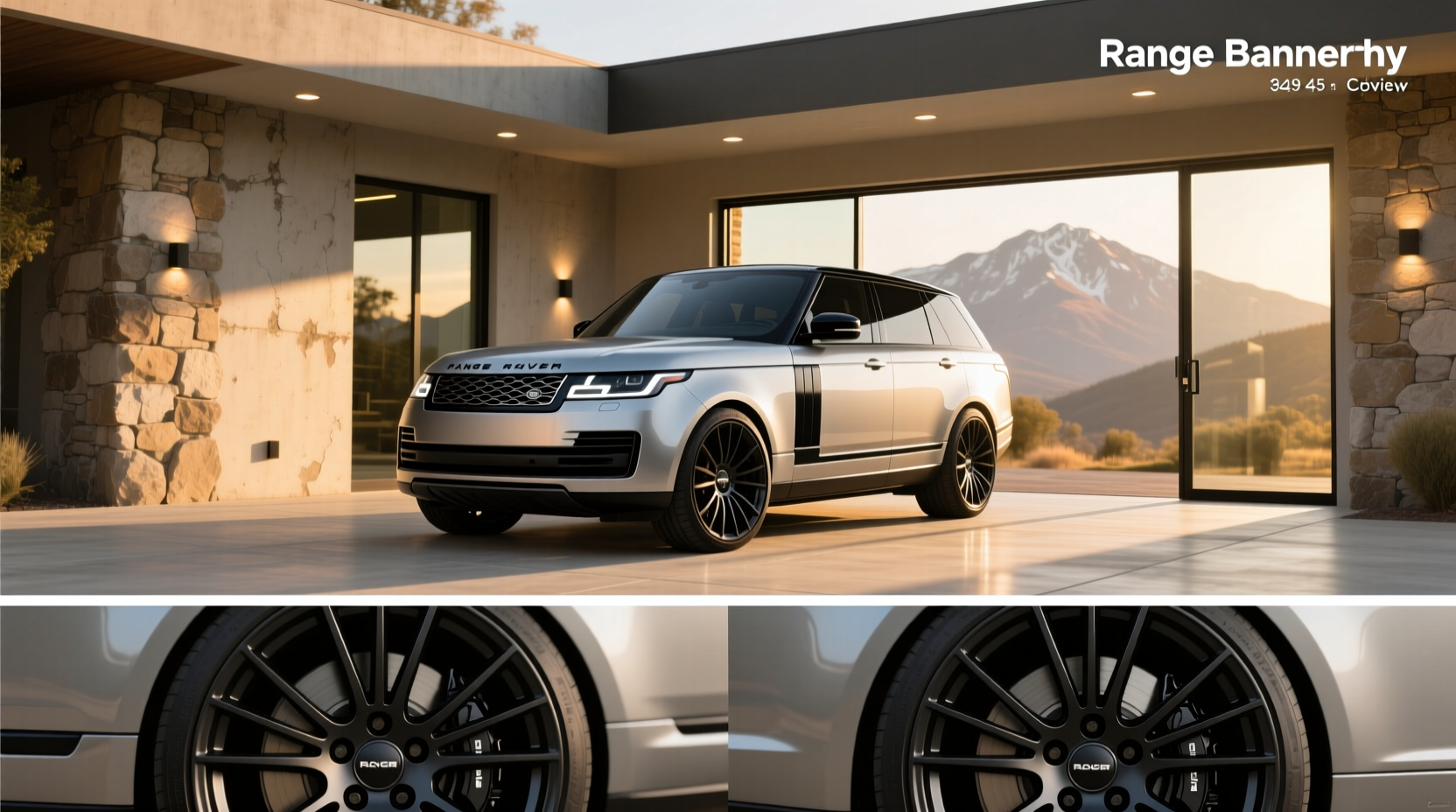
Upgrading to 21-inch Range Rover rims can enhance both the visual presence and on-road dynamics of your SUV, but it also introduces trade-offs in ride comfort, durability, and cost. Whether you're replacing damaged wheels or customizing your vehicle's stance, understanding bolt patterns (5x120), hub bore (72.6 mm), offset (+30 to +45 typical), and tire sidewall impact is essential for maintaining performance and safety ✅.
Why Consider 21-Inch Rims for a Range Rover?
Many Range Rover owners explore 21-inch alloy wheels as a middle ground between aggressive styling and daily drivability. Factory trims like the HSE, Autobiography, and Sport models often come with 20- or 22-inch options, making 21-inch rims a less common but increasingly popular aftermarket upgrade 🌐. They offer a more pronounced road presence than 20-inch setups while avoiding some of the harshness associated with 22- or 23-inch configurations.
From a design standpoint, 21-inch wheels fill the fender wells more completely, reducing the gap between tire and bodyline. This creates a more planted, luxurious appearance—especially on newer generation models such as the L460 Range Rover or Velar. For those looking to personalize their SUV without going fully custom, 21-inch rims strike a balance between OEM refinement and distinctive character ✨.
Compatibility: Will 21-Inch Rims Fit Your Range Rover?
The first question when considering new wheels is fitment. Not all 21-inch rims are compatible with every Range Rover model year or trim. Key specifications must match your vehicle’s original equipment manufacturer (OEM) standards:
- Bolt Pattern: 5x120 mm — standard across most modern Land Rover and Range Rover models
- Hub Bore: 72.6 mm — ensures proper centering on the axle
- Offset (ET): Typically ranges from +30 to +45 depending on model and width
- Wheel Width: Commonly 9.5" or 10" for 21-inch diameters
- Center Cap Design: Must accommodate floating hub caps if retaining OEM-style aesthetics
For example, a 2021–2024 Range Rover P400 or First Edition typically runs ET40 with a 9.5-inch width. Installing a wheel with significantly different offset could cause clearance issues with suspension components or inner liners, especially under full articulation ⚠️.
Aftermarket suppliers sometimes list 'universal' 21-inch rims that claim compatibility with Range Rover via adapter kits. However, using spacers or non-OEM hubs may affect warranty coverage and long-term reliability 🔧. Always verify exact specs against your VIN or consult a specialist before purchase.
OEM vs Aftermarket 21-Inch Wheels: Pros and Cons
When shopping for Range Rover 21-inch rims, buyers generally face two paths: OEM-original wheels sourced from dealerships or salvage yards, or aftermarket designs from third-party manufacturers.
OEM Wheels
OEM (Original Equipment Manufacturer) wheels are produced by companies like Ronal, Foxconn, or Borbet under contract for Land Rover. These are used on vehicles at assembly plants and later sold through authorized channels.
✅ Advantages:- Precise fitment and calibration with TPMS and stability systems
- Consistent finish quality (machined face, gloss black, or silver)
- Easier insurance and resale recognition
- No tuning or alignment surprises post-installation
- Limited availability in 21-inch size (most common are 20", 22")
- Higher cost per rim ($600–$900+ each)
- Fewer style variations compared to aftermarket
Aftermarket Wheels
Third-party brands offer greater variety in finishes (gloss black, matte black, machined silver), spoke designs, and construction methods (flow-formed, forged, cast).
✅ Advantages:- Wider selection of styles and finishes
- Potential weight savings with flow-formed or forged alloys
- Competitive pricing, especially in sets of four
- Availability of concave profiles or deep-lip designs
- Risk of inaccurate offset or hub bore dimensions
- Inconsistent build quality across budget brands
- Potential interference with brake calipers or sensors
- May void warranty if not approved by Land Rover
Before choosing aftermarket rims, confirm they meet JWL/VIA certification standards for load capacity and impact resistance. A properly rated wheel should support over 3,000 lbs per corner—critical for a vehicle weighing upwards of 5,500 lbs.
Tire Pairing: What Tires Work Best on 21-Inch Range Rover Rims?
Selecting the right tires is just as important as choosing the rims themselves. On 21-inch wheels, lower-profile tires are typical, which affects ride quality, noise levels, and pothole vulnerability.
Common tire sizes for 21-inch setups include:
| Model Variant | Recommended Tire Size | Aspect Ratio Impact |
|---|---|---|
| Range Rover HSE / P400 | 275/45R21 | Moderate sidewall; balances comfort and grip |
| Range Rover Sport SVR | 285/40R21 | Shorter sidewall; sportier handling, stiffer ride |
| Custom 21" Build | 295/40R21 | Aggressive look; increased risk of curb damage |
A 40-series aspect ratio means the sidewall height is 40% of the tread width. So a 285/40R21 has a sidewall of approximately 4.5 inches—significantly shorter than a 55-series found on 18- or 19-inch all-terrain setups. This reduces cushioning over bumps and increases susceptibility to blowouts or bead unseating on rough roads 🛠️.
For drivers in areas with poor road conditions, pairing 21-inch rims with run-flat tires or reinforced sidewalls (such as Michelin Pilot Sport 4S or Continental CrossContact RX) can improve resilience. However, even robust tires cannot fully compensate for the inherent fragility of large-diameter wheels on uneven terrain.
Ride Quality and Real-World Performance Impacts
One of the most frequently discussed concerns among owners is how larger wheels affect daily driving comfort ❓. Numerous threads on forums like r/RangeRover highlight noticeable differences between 20-inch and 22-inch setups—with 21-inch falling somewhere in between ⚖️.
Key performance factors influenced by switching to 21-inch rims include:
- Ride Harshness: Reduced tire sidewall leads to firmer impacts from cracks, speed bumps, and expansion joints
- Noise Levels: Higher road noise due to stiffer carcass and reduced sound dampening
- Fuel Efficiency: Heavier wheels increase unsprung mass, slightly lowering MPG
- Braking Distance: Increased rotational mass may extend stopping distances marginally
- All-Terrain Capability: Less forgiving on gravel, dirt, or off-camber surfaces
While air suspension helps mitigate some of these effects, it cannot eliminate them entirely. Drivers who prioritize comfort—especially in urban environments with aging infrastructure—should test-drive a 21-inch equipped model before committing.
Finishes and Maintenance: Gloss Black, Machined, Matte
The visual appeal of 21-inch rims depends heavily on finish type. Each option has distinct aesthetic and maintenance characteristics:
Gloss Black
A popular choice for its sleek, monochrome appearance. However, gloss coatings show brake dust and swirl marks easily. Regular cleaning with pH-neutral soap and microfiber towels is required to maintain luster 🧼.
Machined Face / Silver Cut
Features polished outer lips or spokes with a dark background. Offers high contrast and premium OEM-like appearance. Vulnerable to curb rash and oxidation if clear coat degrades.
Matte Black or Satin
Provides a modern, understated look. More forgiving of minor imperfections but harder to restore if scratched. Avoid wax-based products that can leave residue.
Regardless of finish, inspect wheels regularly for cracks, bends, or corrosion—especially around valve stems and inner barrels where moisture accumulates.
Cost Considerations and Long-Term Ownership
Replacing or upgrading to 21-inch Range Rover rims involves more than upfront price tags. Total ownership costs include:
- Initial wheel set: $1,200–$3,500 for quality name-brand or OEM-replacement sets
- Tire replacement: Premium 21-inch tires range from $300–$500 each
- Installation and balancing: $80–$150 per axle
- TPMS reset or sensor replacement: $50–$100
- Increased likelihood of repairs from potholes or curbs
Insurance premiums may also rise slightly due to higher repair estimates. Additionally, resale value can be affected—some buyers prefer stock-sized wheels for practicality.
Where to Buy 21-Inch Range Rover Rims Safely
Purchasing options include dealership parts departments, certified used parts networks, online marketplaces, and specialty wheel retailers. When buying online:
- Verify seller reputation and return policy
- Check for included TPMS sensors or compatibility
- Confirm whether center caps and lug nuts are included
- Look for photos showing actual product, not stock images
- Avoid deals that seem too good to be true—common with stolen or counterfeit wheels
Reputable sources will provide detailed specs and allow VIN matching for guaranteed fitment. Some vendors specialize in reconditioned OEM wheels, offering significant savings over new units while preserving authenticity.
Common Misconceptions About Upgrading Wheel Size
Several myths persist about larger wheels that deserve clarification:
- Myth: Bigger wheels always improve handling.
Reality: While they allow wider tires, increased unsprung weight can reduce responsiveness. - Myth: 21-inch wheels are necessary for a luxury image.
Reality: Many flagship models look equally elegant on 20-inch wheels with proper design. - Myth: All 5x120 wheels fit Range Rovers.
Reality: Offset, hub bore, and backspacing vary—direct swaps aren’t guaranteed. - Myth: Aftermarket = inferior quality.
Reality: Reputable brands use advanced casting and testing methods comparable to OEM.
Final Recommendations Before You Upgrade
Choosing 21-inch Range Rover rims should align with your driving habits, environment, and priorities. Ask yourself:
- Do I drive mostly on smooth highways or rough city streets?
- Am I prepared for potentially higher maintenance and tire costs?
- Will this change affect my vehicle’s warranty or insurance?
- Have I verified bolt pattern, offset, and hub bore compatibility?
- Can I test-fit or view the wheels in person before purchase?
If you value aesthetics and accept the compromises in ride comfort and durability, 21-inch rims can elevate your Range Rover’s presence. But for maximum versatility—especially in mixed weather or rural areas—sticking with 20-inch OEM setups may offer better overall value.
Frequently Asked Questions
- Can I install 21-inch rims on a Range Rover that came with 19-inch wheels?
- Yes, provided the bolt pattern (5x120), hub bore (72.6 mm), and offset are compatible. You’ll also need to adjust tire size accordingly and ensure no suspension or fender interference occurs during turns or bumps.
- Are 21-inch wheels more likely to get damaged than smaller ones?
- Generally yes. Lower-profile tires have less cushioning, making rims more vulnerable to curb strikes, potholes, and road debris. Repairs are also more expensive due to material and labor costs.
- Do 21-inch rims affect fuel economy?
- They can reduce fuel efficiency slightly due to added rotational mass and increased rolling resistance from wider, stiffer tires. The effect is usually modest—around 1–2 MPG in real-world driving.
- What’s the difference between 21-inch OEM and aftermarket rims?
- OEM wheels are designed specifically for your model with guaranteed fitment and integration. Aftermarket rims offer more style choices but require careful vetting for specifications and quality control.
- Should I buy rims with tires already mounted?
- Purchasing rims and tires as a pre-mounted package saves time and labor. It also ensures proper seating and balancing. However, verify tire model and treadwear ratings match your climate and usage needs.




 浙公网安备
33010002000092号
 浙B2-20120091-4