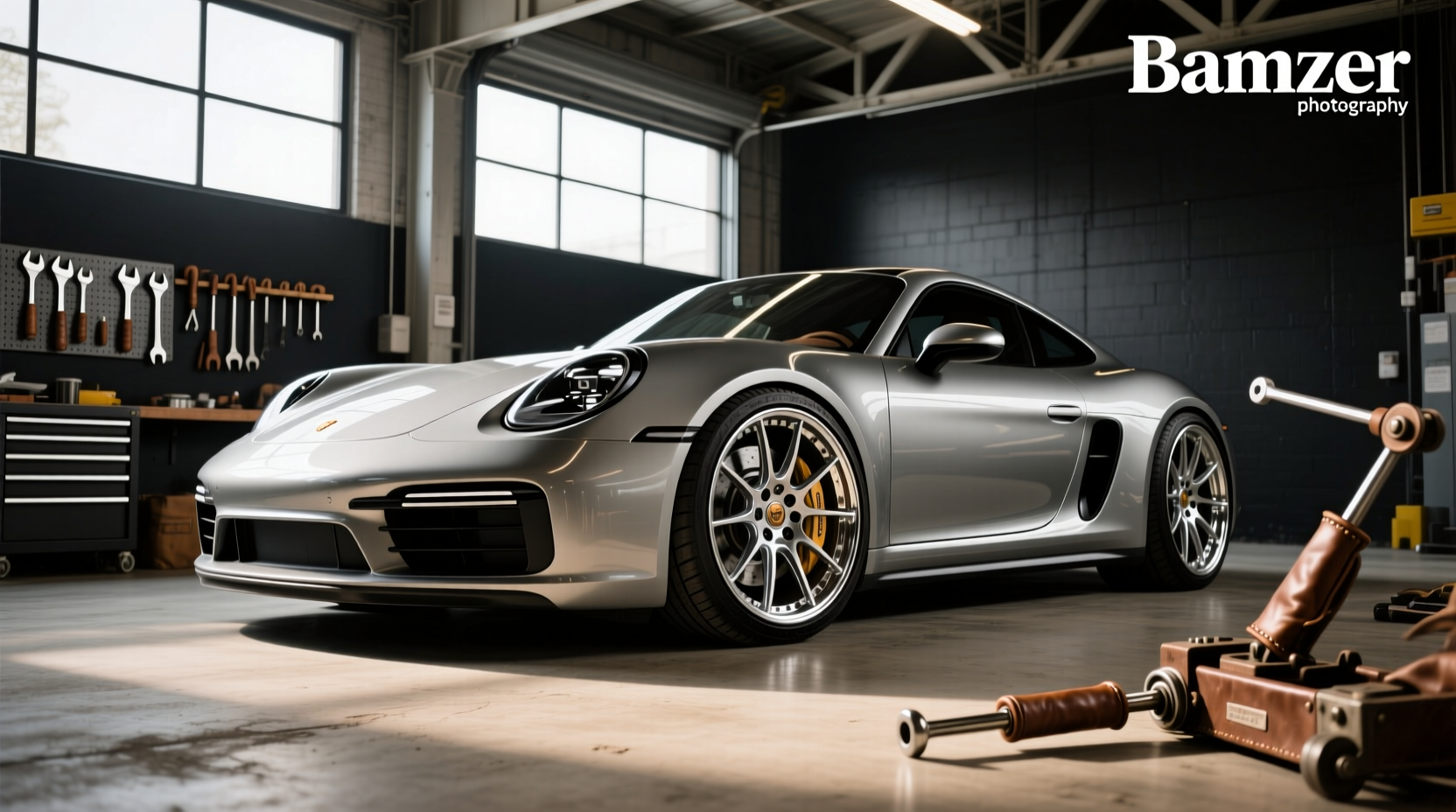
Upgrading to 22 inch rims with tires can dramatically change your vehicle’s look and performance—but it’s not a one-size-fits-all decision. While larger wheels enhance visual appeal and improve brake clearance ✨, they also impact ride comfort, fuel efficiency, and overall durability ⚠️. Whether you're considering 22-inch setups for a car, truck, or SUV 🚗🚚, understanding key factors like bolt pattern, offset, tire profile, and load rating is essential to avoid costly mistakes. This guide breaks down everything from sizing and fitment to maintenance and real-world trade-offs, helping you make an informed choice that matches your driving needs and vehicle specifications.
Why Choose 22 Inch Rims with Tires?
Many drivers opt for 22 inch rims with tires to achieve a bold, aggressive stance and modern aesthetic. These large-diameter wheels are especially popular in urban styling, luxury SUVs, and lifted trucks. Beyond appearance, there are functional benefits:
- Better Brake Clearance ⚙️: Larger wheel barrels allow space for high-performance brake kits, including oversized calipers and rotors—ideal for modified or heavy-duty vehicles.
- Improved Handling Response ⚡: With lower-profile tires typically used on 22-inch rims, sidewall flex is reduced, leading to sharper steering feedback and cornering precision.
- Enhanced Visual Impact ✨: A 22-inch setup fills the wheel wells, creating a planted, muscular appearance that stands out on city streets or off-road trails.
However, these advantages come with compromises. The most common concern is a stiffer ride due to reduced tire sidewall height, which translates to less cushioning over bumps and potholes. Additionally, 22 inch rims with tires tend to be heavier, increasing unsprung weight and potentially affecting acceleration, braking, and fuel economy.
Understanding Fitment: Will 22 Inch Rims Work on Your Vehicle?
Not all vehicles can safely accommodate 22 inch rims with tires. Before purchasing, verify several critical fitment parameters:
1. Bolt Pattern (Lug Pattern)
The bolt pattern determines how the rim attaches to the hub. Common configurations include 5x114.3 (used on many Asian and American cars), 5x120 (common on BMWs), 6x139.7 (Ford trucks), and 8x170 (larger GM trucks). Using an incompatible bolt pattern can lead to unsafe mounting and vibration issues.
2. Wheel Offset and Width
Offset refers to how far the mounting surface is from the centerline of the wheel. Too much positive or negative offset can cause rubbing against suspension components or fenders. For example, a deep dish look often requires a negative offset, but this may require wider fender flares or a lift kit—especially on trucks and SUVs.
Typical widths for 22 inch rims range from 8.5 to 12 inches. Wider wheels need appropriately wide tires to maintain optimal contact patch and wear patterns.
3. Hub Bore and Centerbore Compatibility
The centerbore must match your vehicle’s hub diameter for proper centering. If the rim has a larger bore, hub-centric rings can be used to ensure a snug fit and reduce vibration.
4. Tire Size and Overall Diameter
When switching to 22 inch rims, maintaining the factory overall tire diameter is crucial for speedometer accuracy and transmission gearing. A mismatch can trigger traction control errors or affect fuel economy.
Common tire sizes for 22 inch rims include:
- 285/40R22 – Frequently used on full-size SUVs like the Chevrolet Tahoe or Cadillac Escalade
- 275/50R22 – Found on trucks such as the Ford F-150
- 255/45R22 – Used on luxury sedans like the Mercedes-Benz S-Class
- 305/45R22 – Popular for lifted trucks and performance SUVs
A tire size calculator should be used to compare the new setup with the original equipment manufacturer (OEM) specs.
| Vehicle Type | Common Bolt Pattern | Typical Tire Size (22") | Example Models |
|---|---|---|---|
| SUV | 6x139.7, 5x120 | 285/40R22, 305/45R22 | Range Rover, Toyota Sequoia |
| Truck | 6x139.7, 8x170 | 275/50R22, 305/50R22 | Ford F-250, Ram 2500 |
| Luxury Car | 5x112, 5x120 | 255/45R22, 275/40R22 | BMW 7 Series, Lexus LS |
| Performance Sedan | 5x114.3, 5x112 | 245/40R22, 265/35R22 | Chrysler 300, Audi A8 |
Tire Profile and Ride Quality Trade-offs
One of the biggest concerns with 22 inch rims with tires is ride harshness. Lower-profile tires (e.g., 35-series or 40-series aspect ratios) have shorter sidewalls, meaning less rubber to absorb road imperfections. This results in a firmer, sometimes jarring ride—especially on poorly maintained roads.
Additionally, low-profile tires are more susceptible to curb damage and blowouts when hitting potholes or speed bumps. Drivers in areas with rough pavement should carefully weigh aesthetics against daily comfort.
On the other hand, some modern vehicles come factory-equipped with 22 inch rims and tuned suspensions to compensate for stiffness. Aftermarket solutions like air suspension or adaptive dampers can also help mitigate ride quality issues.
Material and Construction: Alloy vs. Forged Wheels
Most 22 inch rims are made from aluminum alloy due to its balance of strength, weight, and cost. However, higher-end options use forged aluminum, which offers superior strength-to-weight ratio and better resistance to cracking under stress.
- Cast Alloy Wheels 🏭: Most affordable option; suitable for daily drivers. May be heavier and less durable under extreme loads.
- Flow-Formed Wheels 🔧: Reinforced during manufacturing for improved strength and reduced weight compared to standard cast wheels.
- Forged Wheels 👥: Highest performance tier; lighter and stronger than cast wheels, ideal for high-speed or off-road applications. Typically more expensive.
For trucks and SUVs used for towing or off-roading, forged or flow-formed wheels are recommended to handle additional stress.
Cost Considerations and Long-Term Ownership
The price of a set of 22 inch rims with tires varies widely based on brand, material, finish, and tire type. Expect to pay anywhere from $1,500 to over $3,000 for a complete setup. Premium brands and custom finishes (e.g., chrome, two-tone, or matte black) increase costs significantly.
Tires for 22 inch rims are generally more expensive and wear out faster than smaller sizes due to increased lateral grip and stiffer sidewalls. Replacement intervals may be shorter, especially if driven aggressively or on rough terrain.
Maintenance costs also rise. Wheel alignment and balancing are more sensitive with larger diameters, and damaged rims are costlier to repair or replace.
Off-Road and All-Terrain Use: Are 22 Inch Rims Suitable?
While 22 inch rims with tires are increasingly seen on lifted trucks and off-road builds, they are not always ideal for rugged terrain. The main drawbacks include:
- Reduced Sidewall Protection: Smaller sidewalls offer less cushioning against rocks and impacts, increasing the risk of bead separation or rim damage.
- Higher Risk of Damage ❗: Aluminum rims are more prone to cracking than steel, especially at high speeds over uneven ground.
- Lower Flotation: Larger diameter wheels often use narrower tires relative to their height, reducing floatation in mud or sand compared to shorter, wider setups.
For serious off-roading, many enthusiasts prefer 17 to 20-inch wheels with taller, more flexible all-terrain or mud-terrain tires. However, 22 inch setups can work for light off-road use or overlanding when paired with reinforced tires and conservative driving.
Seasonal and Climate Considerations
In regions with harsh winters, running 22 inch rims year-round is discouraged. Snow, ice, salt, and hidden potholes increase the likelihood of cosmetic and structural damage. Many owners choose to switch to smaller, steel or robust alloy wheels with winter tires during cold months.
If you live in an area with frequent freeze-thaw cycles, consider storing your 22 inch rims with tires indoors during winter to preserve their condition and extend lifespan.
Installation and Professional Fitment
Installing 22 inch rims with tires should always be done by a qualified technician. Key steps include:
- Verify Clearance: Check for interference with brakes, suspension, and inner fender liners during full lock turns and suspension compression.
- Use Proper Torque: Lug nuts must be tightened to the manufacturer’s specification using a torque wrench to prevent warping or loosening.
- Perform Alignment: After installation, a wheel alignment ensures even tire wear and optimal handling.
- Test Drive: Monitor for vibrations, noise, or unusual handling behavior.
Some vehicles may require modifications such as spacers, camber kits, or fender rolling to accommodate wider 22 inch setups.
Common Misconceptions About 22 Inch Rims
Several myths persist about large-diameter wheels:
- Myth: Bigger wheels always improve performance. Reality: While they can enhance looks and braking clearance, they often hurt ride quality and fuel economy.
- Myth: Any 22 inch rim will fit if the bolt pattern matches. Reality: Offset, width, and backspacing are equally important to prevent rubbing and instability.
- Myth: Low-profile tires are safer because they’re stiffer. Reality: They transmit more road shock and are more vulnerable to impact damage.
How to Shop Smart for 22 Inch Rims with Tires
To make a smart purchase:
- Know Your Vehicle’s Specs 📋: Record your current bolt pattern, offset, and tire size before browsing.
- Use Fitment Guides 🔍: Reputable retailers provide vehicle-specific filters to narrow compatible options.
- Check Load and Speed Ratings 📊: Ensure tires meet or exceed your vehicle’s requirements for safety and legality.
- Compare Complete Packages 🛒: Some sellers offer rims pre-mounted with tires, including balancing and valve stems, which can save time and labor costs.
- Read Customer Feedback 👥: Look for reviews mentioning fitment accuracy, finish quality, and long-term durability.
Maintenance Tips for 22 Inch Rims and Tires
Proper care extends the life of your investment:
- Regular Cleaning 🧼: Wash rims frequently to remove brake dust, road grime, and salt. Use non-acidic cleaners to protect finishes.
- Inspect for Damage 🔍: Check for cracks, bends, or curb rash after driving on rough roads.
- Maintain Proper Inflation 📈: Underinflated tires increase stress on both the tire and rim, raising the risk of blowouts.
- Rotate Tires Regularly 🔁: Follow the vehicle or tire manufacturer’s rotation schedule to promote even wear.
- Store Properly 📍: If switching to seasonal wheels, store 22 inch sets in a cool, dry place, ideally mounted and slightly inflated.
Final Verdict: Should You Upgrade to 22 Inch Rims with Tires?
Choosing 22 inch rims with tires is a personal decision that depends on your vehicle, driving habits, and priorities. They offer undeniable style and certain performance benefits, particularly in brake clearance and handling response. However, they also bring higher costs, reduced ride comfort, and greater vulnerability to damage.
If you prioritize aesthetics and drive mostly on well-maintained roads, 22 inch rims can be a worthwhile upgrade. But if you value comfort, durability, or frequently encounter rough conditions, sticking with 18 to 20-inch wheels might be the smarter long-term choice.
Frequently Asked Questions (FAQs)
- What size tires fit 22 inch rims?
- Tire size depends on rim width and vehicle application. Common sizes include 285/40R22 for SUVs and 255/45R22 for luxury cars. Always match overall diameter to OEM specs.
- Are 22 inch rims bad for your vehicle?
- They aren’t inherently bad, but they can reduce ride quality, increase wear on suspension components, and raise the risk of tire and rim damage if driven aggressively or on poor roads.
- Can I put 22 inch rims on any car?
- No. Fitment depends on bolt pattern, offset, hub bore, and clearance. Many passenger cars lack the space or structural support for safe 22 inch installations.
- Do 22 inch rims affect fuel economy?
- Yes. Heavier wheels and increased rolling resistance from low-profile tires can reduce fuel efficiency by 1–3 mpg in real-world driving.
- Where can I buy reliable 22 inch rims with tires?
- Reputable online retailers and specialty wheel shops offer vehicle-specific fitment tools and complete wheel-and-tire packages. Always verify compatibility before ordering.




 浙公网安备
33010002000092号
 浙B2-20120091-4