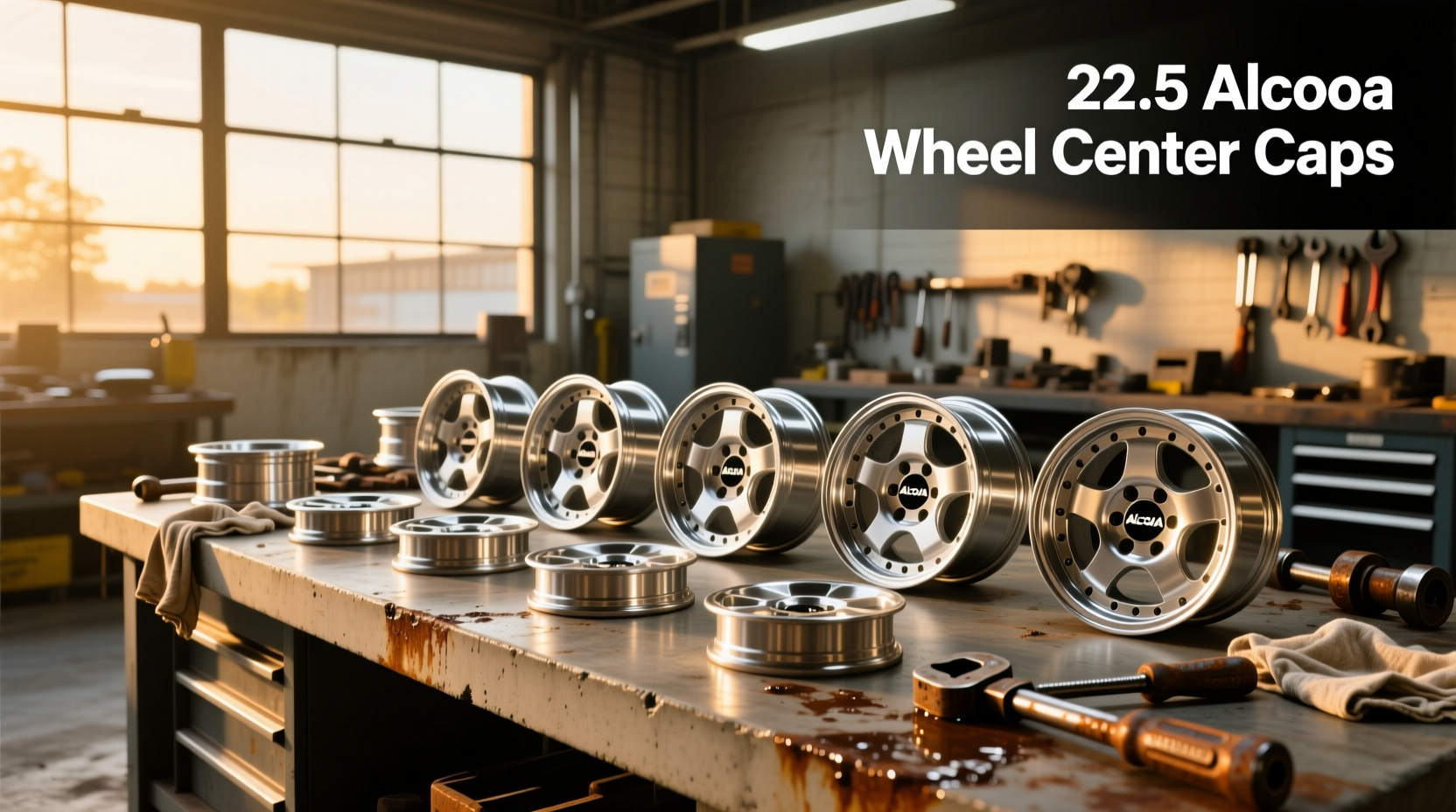
When searching for reliable, high-performance wheel accessories for heavy-duty vehicles, many fleet operators and truck owners encounter the term 22.5 Alcoa wheel center caps. These components are more than just cosmetic upgrades—they play a key role in protecting hub assemblies, improving aerodynamics, and maintaining brand identity on long-haul rigs. Unlike generic hub covers, Alcoa center caps are engineered specifically for aluminum wheels, particularly those used on commercial trucks, buses, and trailers across North America and Europe. This guide breaks down everything you need to know about 22.5-inch Alcoa wheel center caps, including fitment specifications, material durability, installation best practices, and how they differ from universal or aftermarket alternatives.
Understanding 22.5 Alcoa Wheel Center Caps: Purpose and Design
The 22.5 Alcoa wheel center cap is a precision-machined component designed to fit over the center bore of an Alcoa-brand aluminum disc wheel with a 22.5-inch diameter. While some may assume these caps are purely decorative, their primary function is protective. They shield the wheel’s pilot hole, lug nut threads, and internal hub components from moisture, road debris, brake dust, and corrosion—common issues in harsh operating environments like winter roads, coastal regions, or off-highway applications ✅.
Alcoa (now part of Arconic Inc.) has long been a leader in lightweight forged aluminum wheels for commercial fleets. Their wheel designs often feature a hub-pilot system, meaning the wheel centers itself on the axle hub rather than relying solely on lug nuts. The center cap complements this design by sealing the central opening and ensuring clean, consistent alignment during tire changes ⚙️.
These caps typically come in two configurations:
- Solid center caps – Fully enclosed, offering maximum protection against contaminants.
- Vented or perforated caps – Allow heat dissipation from the braking system while still shielding critical components.
Most original equipment (OE) Alcoa center caps are made from durable plastic composites or stainless steel, depending on model year and application. Aftermarket versions may use ABS plastic, chrome-plated steel, or polished stainless alloys to mimic the OEM look while reducing cost 💡.
Compatibility: Will a 22.5 Alcoa Center Cap Fit Your Wheel?
One of the most frequently asked questions is whether a 22.5 Alcoa wheel center cap will fit non-Alcoa wheels or other brands like Accuride, Douglas, or Dexstar. The short answer: not always. Compatibility depends on several dimensional and mechanical factors 🔍.
Key Fitment Dimensions Include:
- Bore Diameter: Alcoa wheels commonly have a center bore of approximately 108–110mm. If your cap's inner diameter doesn’t match, it won’t seat properly.
- Lug Pattern: Most Alcoa 22.5-inch wheels use a 10-lug pattern with a 285mm pitch circle diameter (PCD), though some European models may vary.
- Hub Pilot vs. Stud Pilot: Alcoa uses hub-centric mounting. Caps designed for stud-centric steel wheels (common in older fleets) may not align correctly.
- Cap Retention Method: Some Alcoa caps snap into place; others require screws or retaining rings.
If you're replacing a missing or damaged cap, always check the part number stamped inside the original. Common Alcoa center cap part numbers include AC1000, AC2000, and VCAP-SS for stainless variants. Cross-referencing these ensures exact replacement ✈️.
For mixed-fleet operations using both aluminum and steel rims, consider that universal '22.5 wheel covers' sold online (e.g., on eBay or Alibaba) are often styled as full-face hubcaps or aerodynamic trims—not true center caps. These can interfere with brake access or create imbalance if improperly secured ❗.
Differences Between Center Caps, Hub Covers, and Wheel Simulators
A major source of confusion among buyers stems from inconsistent terminology. Many vendors use terms like “wheel cover,” “hub cap,” and “center cap” interchangeably—but they refer to distinct products 📋.
| Feature | Center Cap | Wheel Simulator | |
|---|---|---|---|
| Size | Small, fits only center bore | Covers entire hub area | Full-disk cover mimicking alloy wheel |
| Material | Plastic, stainless steel | Stainless steel, chrome-plated steel | Stainless steel, aluminum |
| Installation | Press-fit or screw-on | Bolted or clamped | Secured via bolts or band system |
| Primary Use | Protection + branding | Aesthetics + minor protection | Appearance upgrade for steel wheels |
| Common On | Alcoa, Alcoa Radius, Ultra One wheels | Front axles of Class 8 trucks | Rear tandem axles, buses |
So, when someone searches for “22.5 Alcoa wheel center caps,” they’re usually looking for small, functional caps—not large aesthetic trims. However, due to SEO trends, search results often show universal 22.5-inch wheel simulators or stainless trim rings intended for dished steel wheels (common in European markets). This mismatch leads to incorrect purchases and return frustration 🌐.
Materials and Durability: What’s Best for Long-Haul Fleets?
Choosing the right material impacts longevity, maintenance, and safety. Let’s compare the most common options for 22.5 Alcoa-style center caps:
1. OEM Plastic Composite (Standard)
Factory-installed Alcoa caps are often made from UV-stabilized nylon or reinforced polypropylene. These are lightweight, resistant to thermal expansion, and cost-effective. However, prolonged exposure to extreme temperatures or chemicals can cause brittleness over time ⚠️.
2. Stainless Steel (Aftermarket Upgrade)
Popular among owner-operators seeking a premium finish, stainless steel caps offer superior resistance to impact, corrosion, and theft. Grade 304 or 430 stainless is typical, with mirror-polished surfaces enhancing visibility and professional appearance ✨. Drawbacks include added weight and higher initial cost.
3. Chrome-Plated Steel (Budget Option)
Often found in universal kits, these lack the structural integrity of solid stainless and are prone to flaking in salty or humid climates. Not recommended for fleets operating in northern U.S., Canada, or coastal Europe 🧼.
Fleet managers should prioritize material compatibility with regional conditions. For example, de-icing salts used in winter increase oxidation risk, making stainless steel a better long-term investment despite upfront costs ⚡.
Installation Tips and Common Mistakes
Proper installation of a 22.5 Alcoa wheel center cap ensures safety and prevents premature wear. Here’s a step-by-step checklist:
- Inspect the Wheel Bore: Clean any rust, dirt, or old adhesive before installing. Use a lint-free cloth and isopropyl alcohol for best results.
- Verify Alignment: Ensure the cap sits flush without wobbling. Misalignment suggests incorrect sizing or damage.
- Use Correct Fasteners (if applicable): Some stainless caps require M6 or M8 screws. Over-tightening can crack plastic inserts or strip threads.
- Avoid Adhesives Unless Specified: Most OEM caps rely on interference fit. Adding glue can make future removal difficult.
- Check Post-Drive: After driving 50–100 miles, inspect caps for loosening—especially on new installations.
Common errors include forcing a cap onto a dirty bore (causing cracks), mixing caps between front and rear axles (some designs differ), and neglecting seasonal inspections during preventive maintenance rounds 🛠️.
Regional Differences: North America vs. Europe
There are notable differences in wheel styling and cap usage between regions. In North America, Alcoa center caps are standard on many OEM-equipped tractors, especially those from Freightliner, Volvo Trucks, and Peterbilt. They tend to be smaller, functional, and less visible from a distance.
In contrast, European fleets (e.g., Scania, DAF, MAN) often use larger, full-face stainless steel hub covers or half-shell trims—even on 22.5-inch wheels. These serve aesthetic and branding purposes, frequently featuring manufacturer logos or national colors 🌍.
This explains why searches for “22.5 Alcoa wheel center caps” sometimes return EU-sourced products from Shiniest Industries, Parma Group, or RST-Steel. While visually appealing, these are generally incompatible with North American Alcoa wheels due to different PCDs, bore sizes, and retention mechanisms 📍.
Fleet owners importing vehicles or managing cross-border operations must verify local standards. DIN 74062 and ISO 4003 define European mounting dimensions, whereas SAE J1396 governs U.S. commercial wheel systems 1.
Where to Buy Genuine 22.5 Alcoa Wheel Center Caps
Purchasing authentic parts requires caution. While platforms like Alibaba list numerous suppliers offering “OEM-quality” 22.5-inch wheel covers, verification is essential. Look for:
- Clear specification sheets with bore size, thickness, and material grade
- Manufacturer branding or certification marks
- Return policies allowing fitment testing
Authorized Alcoa distributors or Arconic-certified dealers remain the safest option for guaranteed compatibility. Independent truck parts suppliers such as Raney’s Truck Parts or BuyTruckWheels also carry verified replacements, sometimes at discounted rates when bundled with wheel service packages 🚚.
Cost Considerations and Value Analysis
Prices for 22.5 Alcoa wheel center caps vary widely:
- OEM plastic caps: $15–$30 each
- Aftermarket stainless steel: $50–$90 each
- Universal kits (6-pack): $100–$180
While cheaper options exist, especially from overseas manufacturers, consider total cost of ownership. A poorly fitting cap can lead to water ingress, accelerated bearing wear, or even detachment at highway speeds—posing safety risks and increasing downtime ⏱️.
Fleets should evaluate whether upgrading to stainless steel improves resale value or meets customer branding expectations (e.g., refrigerated carriers wanting a clean, modern image). For owner-operators, matching caps across all wheels enhances professionalism during roadside inspections or deliveries ✅.
Misconceptions About 22.5 Alcoa Wheel Center Caps
Several myths persist in the trucking community:
- Misconception #1: All 22.5-inch caps are interchangeable. Reality: Even slight variations in bore diameter or lug configuration prevent proper fit.
- Misconception #2: Center caps improve fuel economy. Reality: While aerodynamic wheel covers *can* reduce drag slightly, standard center caps have negligible effect.
- Misconception #3: Missing one cap isn’t a problem. Reality: Unsealed hubs attract moisture, accelerating corrosion in bearings and spindles.
Always treat center caps as integral components of your wheel-end system—not optional accessories ❓.
Maintenance and Inspection Checklist
To extend service life and ensure safety, incorporate center cap checks into routine PM schedules:
- Monthly Visual Inspection
- Look for cracks, warping, or looseness. Replace immediately if damaged.
- Seasonal Cleaning
- Remove buildup of grime or salt residue with mild detergent and soft brush.
- Brake Service Sync
- Whenever brakes are inspected, remove caps to check for internal moisture or debris.
- Replacement Timing
- Replace plastic caps every 3–5 years; inspect stainless annually for fastener integrity.
Document findings in maintenance logs to track recurring issues across specific axles or vehicle models 📊.
Conclusion: Making the Right Choice for Your Fleet
Selecting the correct 22.5 Alcoa wheel center cap involves understanding technical specs, environmental demands, and operational goals. Whether replacing a lost cap or upgrading an entire fleet, focus on precise fitment, durable materials, and compliance with regional standards. Avoid being misled by misleading product titles that conflate center caps with full-size wheel simulators or universal trims. By prioritizing function over fashion—and verifying compatibility through measurements and part numbers—you’ll maintain safer, cleaner, and more professional-looking vehicles.
Frequently Asked Questions
- Can I use a universal 22.5-inch hub cover on an Alcoa wheel?
- No, universal hub covers are typically larger and designed for steel wheels. They may not align with the bore or lug pattern of Alcoa aluminum wheels, leading to improper fit and potential safety hazards.
- Are stainless steel center caps worth the extra cost?
- Yes, for fleets in corrosive environments or those seeking longer service intervals. Stainless steel resists rust and physical damage better than plastic, reducing replacement frequency and maintenance needs.
- How do I remove a stuck Alcoa wheel center cap?
- Use a plastic pry tool to avoid scratching. Gently insert around the edge and twist slowly. If sealed with adhesive, apply gentle heat with a hair dryer before prying.
- Do Alcoa center caps come in different colors?
- OEM caps are usually black or gray. Aftermarket options offer polished stainless finishes, but color customization is limited compared to full wheel simulators.
- Is it safe to drive without a center cap?
- Short-term driving may be acceptable, but prolonged operation without a cap exposes the hub to contaminants, increasing the risk of corrosion and premature wear in wheel bearings.




 浙公网安备
33010002000092号
 浙B2-20120091-4