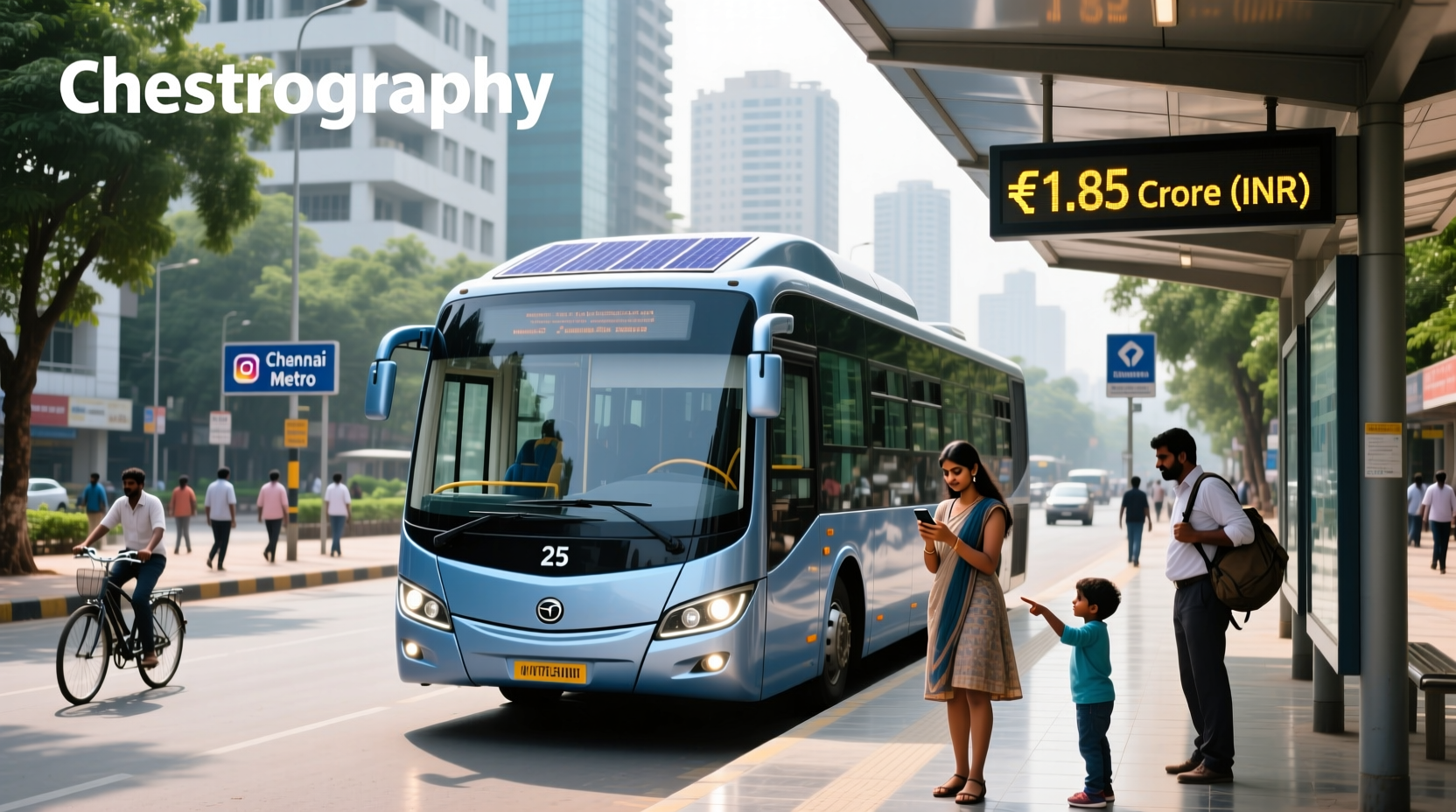
For fleet operators, educational institutions, tourism companies, and urban transit planners in India, understanding the 25 seater electric bus price in India is essential for making informed, cost-effective transportation decisions. As of 2025, the typical price range for a standard 25-passenger electric mini bus in India falls between ₹18 lakh and ₹32 lakh (approximately $22,000 to $38,000 USD), depending on battery capacity, seating layout, build quality, and additional features like air conditioning and smart tracking systems ⚡.
This article provides a comprehensive breakdown of what drives pricing, compares available models from Indian manufacturers, evaluates total cost of ownership, and helps buyers identify hidden costs or potential savings through government incentives such as FAME-II subsidies. Whether you're planning campus shuttles, last-mile connectivity solutions, or eco-friendly tourist transport, this guide equips you with actionable insights to assess value beyond the sticker price 📊.
Why Are 25-Seater Electric Buses Gaining Popularity in India?
The demand for mid-sized electric buses—particularly those with around 25 seats—is rising due to their versatility across multiple use cases. Unlike full-size 52-seater coaches, 25-seater models offer greater maneuverability in narrow city streets, hill stations, and gated communities while still providing meaningful passenger capacity 👥.
Key sectors adopting these vehicles include:
- Corporate & University Campuses: For internal employee or student commuting within large premises 🏭
- Tourism Operators: Eco-friendly sightseeing tours in heritage cities like Jaipur, Varanasi, or Goa 🌍 \li> Local Municipalities: Feeder services connecting metro stations to residential areas 🚙
- Event Management Companies: Shuttle services during conferences, weddings, or exhibitions ✈️
With increasing focus on clean mobility under India’s National Electric Mobility Mission Plan (NEMMP), state transport undertakings and private fleets are shifting toward electrification. The 25-seater segment fills a critical gap between small 8–14 seaters and larger intercity coaches, offering optimal balance between utility and infrastructure requirements 🔧.
Current Market Price Range for 25-Seater Electric Buses in India (2025)
As of early 2025, the base market price for a domestically manufactured 25-seater electric bus in India ranges from ₹18 lakh to ₹32 lakh. However, final pricing can vary significantly based on customization and optional features. Below is a detailed overview of average price brackets:
| Feature Tier | Battery Capacity | Seating Layout | Avg. Range (km) | Estimated Price (INR) |
|---|---|---|---|---|
| Basic / Entry-Level | 80–100 kWh | Fixed Bench Seats | 150–180 km | ₹18–22 lakh |
| Mid-Tier / Standard | 120–150 kWh | Individual AC Seats | 200–240 km | ₹24–28 lakh |
| Premium / Customized | 160–200 kWh | Luxury Recliners + AC | 250+ km | ₹30–32 lakh+ |
It's important to note that prices may increase further if imported components (e.g., advanced battery management systems or foreign drivetrains) are used. Additionally, custom interiors, GPS tracking, CCTV integration, wheelchair access ramps, or higher-grade suspension systems add ₹1–3 lakh to the overall cost ✅.
Top Manufacturers Offering 25-Seater Electric Buses in India
While major OEMs like Tata Motors and Ashok Leyland primarily focus on 35+ seater electric buses, several specialized EV manufacturers cater specifically to the 20–30 seater niche. These companies often provide modular designs suitable for both intra-city and inter-district operations.
1. Switch Mobility (Formerly Optare)
Switch Mobility, backed by Ashok Leyland, offers customizable electric minibuses with capacities ranging from 16 to 30 seats. Their EiV series includes options adaptable to 25-seater configurations with lithium-ion batteries and regenerative braking technology. Pricing starts at approximately ₹26 lakh for an air-conditioned model with 200 km range ⚙️.
2. NueGo (by GreenCell Mobility)
NueGo operates both as a service provider and manufacturer partner, offering 25-seater sleeper and semi-sleeper variants designed for overnight regional routes. While they don’t sell directly to end-users, they collaborate with fleet owners and MSMEs looking to lease or co-invest in electric buses. Their 25-seater models typically come equipped with live tracking, USB charging ports, and premium upholstery ✨.
3. Tri Electric
Based in Gujarat, Tri Electric specializes in compact electric buses for campuses and resorts. They offer customizable 25-seater layouts with options for roof-mounted solar panels and fast-charging compatibility. Models start around ₹20 lakh for non-AC versions, making them competitive for budget-conscious buyers 🛠️.
4. Sukup Green Energy & Aquila EV
These manufacturers target the tourism and hospitality sector with low-speed, open-top, or semi-open electric buses ideal for heritage zone circulation. Though most models listed online are 14-seaters, many offer scalable chassis platforms that support up to 25 passengers upon request. Note: These are generally limited to speeds below 40 km/h and shorter ranges (~70–100 km), best suited for localized use rather than highway travel 🚘.
Factors That Influence the Final Price of a 25-Seater Electric Bus
Understanding the variables behind pricing helps buyers avoid overpaying and ensures alignment with operational needs. Here are the primary cost drivers:
Battery Type and Capacity ⚡
The single largest contributor to cost is the battery pack. Most 25-seater buses use lithium iron phosphate (LiFePO4) batteries due to their safety, longevity, and thermal stability. Battery size typically ranges from 80 kWh to 200 kWh:
- 80–100 kWh: Suitable for short-distance shuttles; lower upfront cost but requires daily charging
- 120–160 kWh: Ideal for mixed-use applications; balances cost and range
- 160+ kWh: Enables longer trips without midday recharge; adds ₹3–5 lakh to base price
Battery warranties usually span 5–7 years or 1.5 million km, whichever comes first. Replacement after degradation can cost ₹6–10 lakh, so consider lifecycle costs when evaluating initial investment.
Charging Infrastructure Requirements 🔌
Unlike diesel buses, electric models require dedicated charging setups. Buyers must factor in:
- Type of Charger: AC chargers (7–22 kW) are cheaper (~₹1.5–3 lakh) but take 6–8 hours. DC fast chargers (30–60 kW) reduce charge time to 2–3 hours but cost ₹6–12 lakh each 🚚.
- Power Connection: A minimum 3-phase electricity connection is mandatory. Upgrading from single-phase can incur additional utility fees.
- Site Preparation: Weatherproof charging bays, cable management systems, and electrical safety gear add ₹1–2 lakh per bay.
Some manufacturers bundle basic AC chargers with purchase; always confirm what’s included before signing contracts.
Seating Configuration and Interior Features 🪑
A 25-seater designation doesn’t guarantee uniform comfort or space. Configurations vary widely:
- Bench vs Individual Seats: Bench seating allows tighter packing but reduces comfort for long rides.
- AC vs Non-AC: Air conditioning increases energy consumption by ~15%, reducing effective range. It also adds ₹2–3 lakh to the vehicle price.
- Accessibility Options: Wheelchair-accessible models may have fewer seats (e.g., 22 passengers + 1 wheelchair) but meet regulatory standards for public transport compliance.
Government Incentives and Subsidies 💰
Under the FAME-II (Faster Adoption and Manufacturing of Hybrid and Electric Vehicles) scheme, eligible electric buses receive demand incentives that reduce net acquisition cost. As of 2025:
- FAME-II supports up to ₹10 lakh per bus for vehicles over 12 meters—but most 25-seaters fall below this length threshold.
- State-level subsidies (e.g., in Delhi, Maharashtra, Karnataka) may offer additional rebates of ₹2–5 lakh for intra-city electric fleets.
- Duty exemptions on lithium-ion cells and reduced GST rates (typically 12% instead of 28%) help lower manufacturing costs.
Buyers should consult local transport departments or authorized dealers to verify eligibility and application procedures. Documentation including route plans, fleet registration, and utilization reports may be required 📋.
Total Cost of Ownership: How Electric Compares to Diesel Over 5 Years
While the upfront cost of a 25-seater electric bus exceeds that of a comparable diesel model (which sells for ₹14–18 lakh), the long-term savings are substantial. Consider this comparison based on 100 km/day usage:
| Cost Factor | Diesel Bus (₹) | Electric Bus (₹) |
|---|---|---|
| Purchase Price | 16,00,000 | 26,00,000 |
| Fuel/Electricity (5 yrs) | 45,00,000 | 12,00,000 |
| Maintenance (5 yrs) | 8,00,000 | 3,50,000 |
| Charging Setup | — | 3,00,000 |
| Total (5-Year) | 69,00,000 | 44,50,000 |
Over five years, the electric bus saves nearly ₹24.5 lakh despite higher initial investment. Key reasons include:
- Lower Energy Costs: Electricity at ₹8/kWh vs diesel at ₹85/liter makes per-km running costs ~60–70% cheaper ⚡.
- Reduced Maintenance: No engine oil changes, clutch replacements, or exhaust system repairs. Regenerative braking extends brake life.
- Longer Lifespan: Electric drivetrains often exceed 10 years with proper care, especially when operated within optimal temperature ranges.
Common Misconceptions About 25-Seater Electric Buses
Despite growing adoption, several myths persist that deter potential buyers:
Misconception 1: “They Can’t Operate in Hot Climates”
India’s high temperatures do affect battery efficiency, but modern thermal management systems prevent overheating. Most reputable manufacturers test vehicles in extreme conditions (e.g., Rajasthan summers). Proper parking in shaded areas or overnight charging during cooler hours mitigates risks ❗.
Misconception 2: “Charging Takes Too Long”
For fleets operating fixed shifts, overnight AC charging suffices. For high-utilization scenarios, investing in one DC fast charger allows rapid turnaround during breaks. Strategic scheduling minimizes downtime ⏱️.
Misconception 3: “There Are No Spare Parts or Service Centers”
While service networks are expanding, leading brands offer remote diagnostics and mobile technician support. Many now maintain spare parts depots in tier-1 and tier-2 cities. Always check after-sales coverage before purchase 🔍.
How to Choose the Right 25-Seater Electric Bus for Your Needs
Selecting the right model involves more than comparing price tags. Use this decision framework:
- Define Your Route Profile: Urban stop-start routes need strong regenerative braking. Highway runs require higher top speed (80+ km/h) and extended range.
- Evaluate Daily Mileage: If daily usage exceeds 200 km, prioritize models with ≥150 kWh batteries or plan for opportunity charging.
- Assess Passenger Comfort Level: Tourist shuttles benefit from large windows and ambient lighting; corporate shuttles may prefer individual seats with armrests.
- Verify Warranty Terms: Look for comprehensive coverage covering battery (min. 5 years), motor, and controller. Pro-rata clauses can lead to unexpected costs later.
- Test Drive and Validate Claims: Request real-world range tests under loaded conditions. Manufacturer claims are often based on ideal lab settings.
Also, engage with existing fleet operators via industry forums or trade associations to gather firsthand feedback about reliability and after-sales performance 📎.
Where to Buy a 25-Seater Electric Bus in India
Potential buyers have several procurement channels:
- Direct from Manufacturer: Offers best pricing and customization but may involve longer delivery timelines (8–12 weeks).
- Authorized Dealerships: Provide quicker availability and local support, though markup may apply.
- B2B Marketplaces: Platforms like IndiaMART list numerous suppliers offering 25-seater configurations. Exercise caution: verify certifications (AIS-173 compliance), production capability, and customer references before proceeding 🌐.
- Leasing/Financing Partners: Some NBFCs and green finance institutions offer tailored loans with down payments as low as 15%. Leasing avoids large capex and transfers maintenance responsibility.
Regardless of channel, insist on a written agreement detailing specifications, delivery schedule, warranty, and training provisions.
Frequently Asked Questions (FAQs)
- What is the average price of a 25-seater electric bus in India?
- The average price ranges from ₹18 lakh to ₹32 lakh, depending on battery size, AC availability, and interior finish. After subsidies, net payable may drop by ₹2–5 lakh in certain states.
- How far can a 25-seater electric bus travel on a single charge?
- Most models offer 150 to 250 km per charge. Real-world range depends on load, terrain, climate, and driving style. AC usage reduces range by 10–15%.
- Are there government subsidies for buying a 25-seater electric bus?
- Yes, FAME-II provides indirect incentives, and several state governments offer direct rebates for electric fleet adoption. Eligibility varies by vehicle length, intended use, and operator type.
- Can I use a 25-seater electric bus for intercity travel?
- Yes, provided the route distance is within the vehicle’s range and charging infrastructure exists at endpoints. Mid-tier models with 200+ km range are suitable for distances up to 180 km non-stop.
- How long does it take to charge a 25-seater electric bus?
- Using a standard 7 kW AC charger, it takes 6–8 hours for a full charge. With a 30–60 kW DC fast charger, charging time reduces to 2–3 hours.




 浙公网安备
33010002000092号
 浙B2-20120091-4