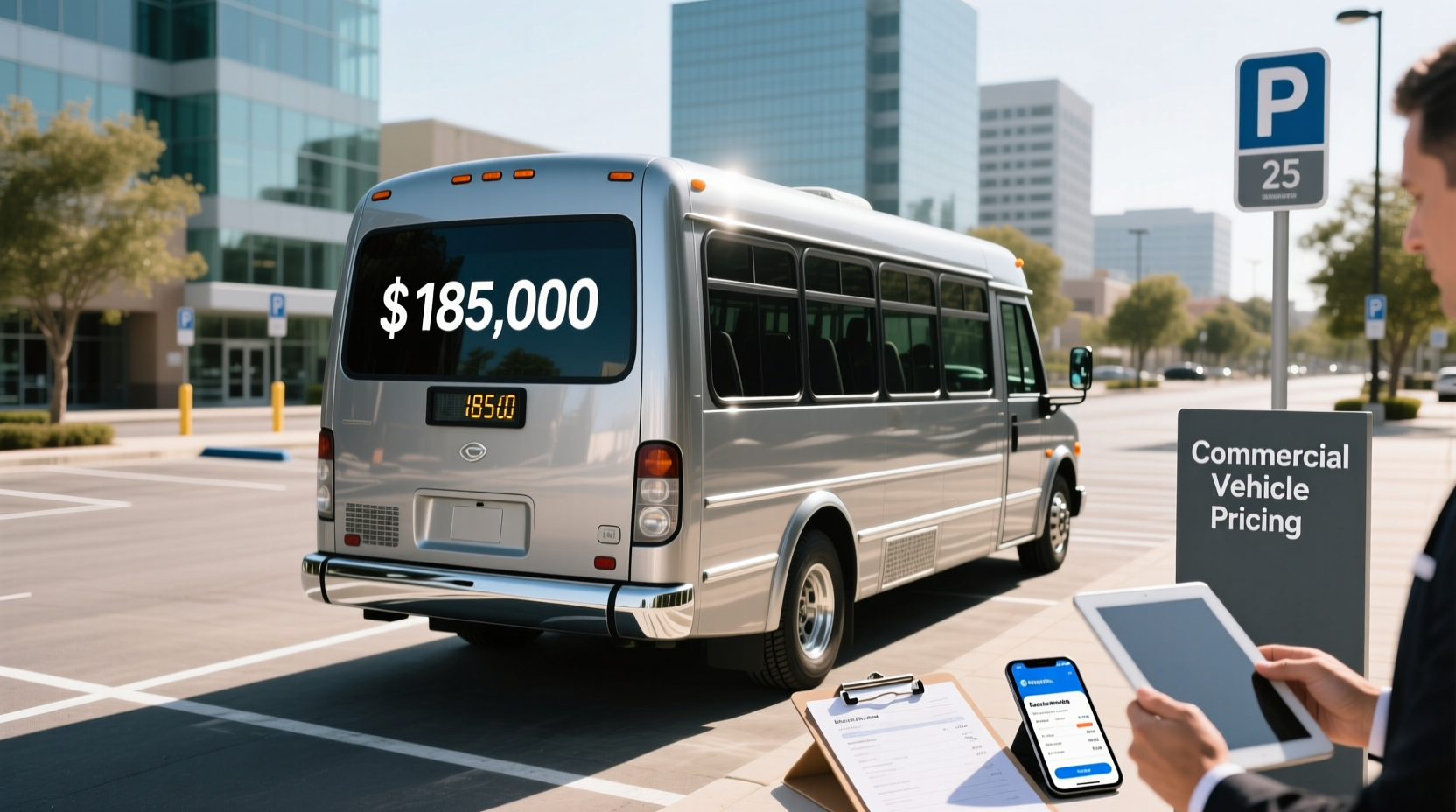
Shopping for a 25 seater mini bus price can be overwhelming due to the wide range of options, configurations, and market variables. In 2025, the average cost of a new 25-seater minibus ranges from $85,000 to $140,000 USD, depending on chassis brand, interior layout, fuel type, and customization level. Used models typically sell between $35,000 and $75,000, with age, mileage, and maintenance history playing major roles in valuation. This guide breaks down every factor affecting pricing, compares common models, explains regional variations, and highlights hidden costs often overlooked by buyers—helping you make an informed decision whether you're purchasing for shuttle services, school transport, or group travel.
Understanding the 25-Seater Minibus Market in 2025
A 25-seater minibus sits at the upper end of the minibus category, bridging the gap between smaller passenger vans and full-size coaches. These vehicles are commonly used by tour operators, private charter companies, religious organizations, schools, and airport shuttle services. Unlike standard passenger vans like the Mercedes Sprinter or Ford Transit, which max out around 15–19 seats, a true 25-seater requires a longer chassis, reinforced suspension, and compliance with commercial vehicle safety standards.
The term "minibus" can sometimes cause confusion. While many assume it refers to any van-based people carrier, regulatory definitions vary by country. In the U.S., for example, a vehicle with more than 16 passenger seats is classified as a large passenger vehicle under FMVSS (Federal Motor Vehicle Safety Standards), requiring additional licensing (such as a CDL) and stricter inspection protocols 1. This classification impacts both purchase considerations and operational costs.
Price Breakdown: New vs. Used 25-Seater Minibuses
When evaluating the price of a 25 seater mini bus, the first distinction to make is between new and used units. Each option serves different budget constraints and usage needs.
New 25-Seater Minibuses: $85,000 – $140,000
New models offer reliability, warranty coverage, and modern safety features such as ABS, electronic stability control, and advanced driver assistance systems (ADAS). Most 25-seaters are built on cutaway van chassis or medium-duty truck platforms, with popular bases including:
- Ford E-Series Cutaway (E-450)
- Chevrolet Express 4500/5500
- Ram 4500/5500 Chassis Cab
- Iveco Daily 4x4 (European market)
- Mercedes-Benz Sprinter Crew Van (limited to 19 seats; not suitable for 25)
Because the Sprinter and Transit cannot legally accommodate 25 passengers, manufacturers use heavier-duty frames. The final cost includes the base vehicle, body conversion, seating installation, HVAC upgrades, lighting, and compliance modifications. Luxury conversions with leather seating, entertainment systems, and wheelchair lifts can push prices toward the higher end of the range.
| Chassis Type | Average Base Price | Converted 25-Seater Price | Common Use Case |
|---|---|---|---|
| Ford E-450 Cutaway | $42,000 | $95,000 | Schools, Shuttles |
| Chevrolet 5500 | $45,000 | $102,000 | Tour Operators |
| Ram 5500 Chassis Cab | $48,000 | $110,000 | Luxury Charters |
| Iveco Daily 4x4 | $58,000 (EU) | $130,000 (imported) | Mountain Tours |
Used 25-Seater Minibuses: $35,000 – $75,000
Purchasing used can save up to 50% compared to new, but comes with risks. Key factors influencing resale value include:
- Mileage: Over 150,000 miles may indicate engine wear or transmission issues.
- Service History: Full records increase trust and resale value.
- Accident History: Structural damage reduces lifespan and safety.
- Interior Condition: Worn seats, broken windows, or mold affect usability.
Many used units come from retiring shuttle fleets or church transportation programs. While functional, they may lack modern emissions controls or require immediate repairs. Buyers should budget an extra $5,000–$10,000 for refurbishment, including tire replacement, brake servicing, and upholstery repair.
Key Factors That Influence 25-Seater Minibus Pricing
Beyond the base model, several variables significantly impact total cost. Understanding these helps avoid surprises during procurement.
⚙️ Fuel Type and Efficiency
Diesel remains the dominant fuel type for 25-seaters due to its torque output and durability. However, diesel engines cost more upfront and face tightening emissions regulations in urban areas. Gasoline variants are cheaper initially but less efficient over long distances. Emerging alternatives include:
- Propane Autogas: Lower fuel cost, cleaner emissions, but limited refueling infrastructure.
- Electric (EV): Still rare in this segment, with only a few prototypes like the GreenPower EV Star CC available. Prices start around $250,000, making them impractical for most budgets.
Fuel economy averages 10–14 MPG for diesel models, translating to about $0.35–$0.50 per mile in operating costs when factoring in maintenance.
🛒 Customization and Interior Layout
Interior design directly affects both comfort and price. Common configurations include:
- Standard Shuttle: High-back bench seating, minimal amenities ($85K–$100K).
- Luxury Charter: Reclining captain’s chairs, wood trim, LED lighting, USB ports ($110K–$140K).
- Accessible Design: Wheelchair lift, securement systems, wider aisles (+$8K–$15K).
Photos of minibus interior designs show how material quality and space utilization vary widely. Vinyl flooring and fabric seats are economical but harder to clean. Commercial-grade leather or antimicrobial upholstery increases longevity and hygiene, especially for medical transport or daily shuttles.
🏭 Manufacturer vs. Third-Party Conversion
Some buyers opt for factory-converted models from brands like Collins Bus, Champion, or Starcraft, which offer warranties and standardized builds. Others choose third-party upfitters for greater flexibility. While custom builders allow personalized layouts, they may not provide nationwide service networks or certified compliance documentation.
Factory conversions typically cost 10–15% more but reduce long-term liability and simplify insurance underwriting.
📍 Regional Price Differences
Geographic location influences availability and pricing. In rural areas, demand is lower, leading to fewer dealers and potentially higher shipping fees. Urban markets like Los Angeles, Chicago, or New York have more competition among suppliers, which can drive prices down slightly.
Additionally, state-level regulations affect eligibility. For example, California’s Air Resources Board (CARB) mandates stricter emissions standards, limiting the resale of non-compliant diesel models 2. Importing a minibus from another state may require retrofitting to meet local codes.
Hidden Costs Beyond the Sticker Price
The 25 seater mini bus price listed online rarely reflects total ownership cost. Additional expenses include:
- Registration & Licensing: Commercial registration fees vary by state and gross vehicle weight rating (GVWR). Heavier vehicles incur higher annual taxes.
- Insurance: Commercial passenger insurance averages $3,000–$7,000/year, depending on coverage limits and driver records.
- Maintenance: Scheduled servicing every 10,000–15,000 miles. Diesel engines require specialized technicians.
- Driver Requirements: Operating a 25-passenger vehicle usually requires a Commercial Driver’s License (CDL) with passenger endorsement, adding training and testing costs.
- Fleet Management Tools: GPS tracking, telematics, and dispatch software subscriptions add $50–$150/month.
Over five years, these ancillary costs can exceed the initial purchase price—especially for high-utilization fleets.
How to Evaluate a 25-Seater Minibus Before Buying
To ensure value and safety, follow a structured evaluation process:
- Verify Compliance: Confirm the vehicle meets FMVSS or equivalent standards in your region. Check for a certification label inside the driver’s door jamb.
- Inspect the Frame: Look for rust, weld cracks, or signs of prior collision near the axle mounts and floor supports.
- Test Drive: Evaluate acceleration, braking, steering response, and noise levels. Listen for unusual vibrations or squeaks.
- Review Maintenance Logs: Request service records covering oil changes, transmission flushes, and brake replacements.
- Check Seating Anchors: Ensure all seat bolts are tight and undamaged. Loose anchors compromise crash safety.
- Assess Climate Control: Test heating and cooling performance with all windows closed and maximum occupancy simulated.
If buying remotely, consider hiring a third-party inspector familiar with commercial vehicles. Services like Lemon Squad or Certified Inspection Network provide detailed reports for $200–$400.
Common Misconceptions About 25-Seater Minibuses
Several myths persist that can mislead buyers:
❌ "All Minibuses Are Built the Same"
In reality, construction quality varies significantly. Some converters use lightweight materials that degrade faster under heavy use. Always ask about frame reinforcement, corrosion protection, and warranty terms.
❌ "You Can Add More Seats Later"
No. The number of seats must match the manufacturer’s certification. Exceeding rated capacity violates federal law and voids insurance.
❌ "Diesel Engines Last Forever"
While durable, diesel engines depend on proper maintenance. Neglecting oil changes or using low-quality fuel leads to injector failure and turbocharger damage.
❌ "Minibuses Have Bathrooms"
Virtually no 25-seater minibuses include restrooms due to space and plumbing constraints. Larger coaches (35+ seats) may have porta-potties, but even those are uncommon in standard models.
Alternatives to Consider
If a 25-seater exceeds your needs or budget, consider these options:
- Two 15-Passenger Vans: Offer greater scheduling flexibility and lower licensing requirements (no CDL needed).
- Rental Programs: Companies like Enterprise Fleet Management offer short-term leases with maintenance included.
- Shared Ownership Models: Partner with another organization to co-own and split usage time.
For occasional group transport, renting a minibus at $200–$400 per day may be more economical than ownership.
Final Tips for Getting the Best Value
To maximize return on investment when purchasing a 25-seater minibus:
- Define Your Use Case Clearly: Will it be used for daily commuting, weekend tours, or medical transport? This guides interior and safety choices.
- Negotiate With Multiple Suppliers: Get at least three quotes and compare specs line by line.
- Consider Total Cost of Ownership: Factor in fuel, insurance, and expected lifespan (typically 10–12 years with proper care).
- Explore Financing Options: Many lenders specialize in commercial vehicle loans with terms up to 7 years.
- Join Industry Groups: Associations like the American Public Transportation Association (APTA) offer buyer resources and bulk purchasing discounts.
Lastly, always request a written warranty and verify that the converter is registered with the National Highway Traffic Safety Administration (NHTSA) as a secondary manufacturer.
Frequently Asked Questions (FAQs)
Below are answers to common questions about 25-seater minibuses and their pricing:
Can you get a 20-seater minibus?
Yes, 20-seater minibuses are widely available and often based on the Ford Transit or Mercedes Sprinter platforms. They fall just below the 25-seater category and typically cost between $60,000 and $90,000 new.
How many passengers fit on a mini bus?
Mini buses generally seat between 12 and 30 passengers. The exact number depends on the chassis, local regulations, and interior configuration. In the U.S., vehicles with more than 15 passenger seats are subject to commercial vehicle rules.
Do minibuses have bathrooms?
No, most minibuses—including 25-seaters—do not have restrooms. Space limitations and plumbing complexity make onboard toilets impractical. Larger coaches may include portable units, but they are rare in minibuses.
What is the average lifespan of a 25-seater minibus?
With regular maintenance, a 25-seater minibus can last 10–12 years or 200,000–300,000 miles. Diesel models tend to outlast gasoline-powered ones if serviced properly.
Is a CDL required to drive a 25-seater minibus?
Yes, in the United States, driving a vehicle designed to carry 16 or more passengers (including the driver) requires a Commercial Driver’s License with a passenger endorsement (CDL-P).




 浙公网安备
33010002000092号
 浙B2-20120091-4