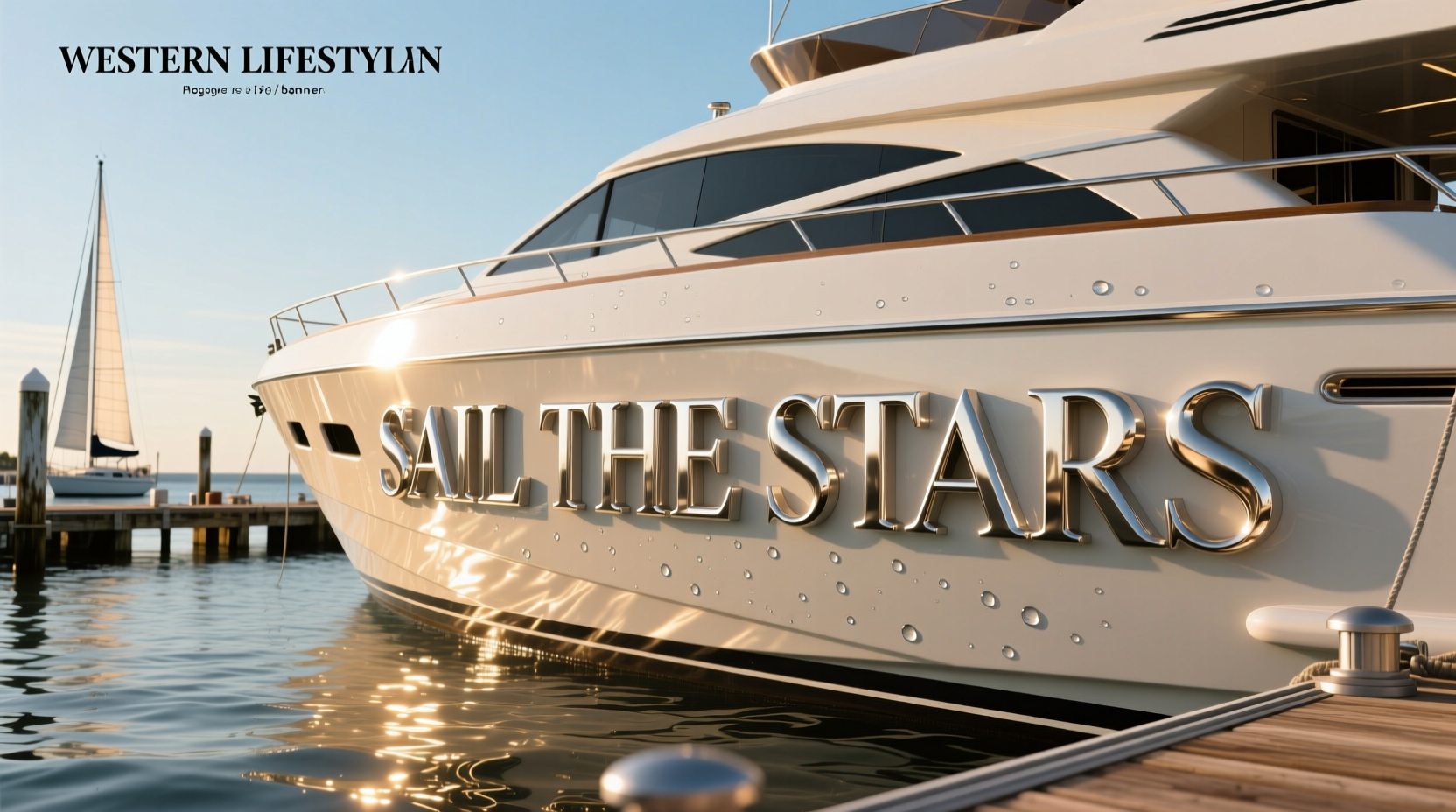
When searching for ways to personalize your vessel while ensuring durability in harsh marine environments, 3D boat lettering stands out as a premium option for boat owners seeking long-lasting, eye-catching identification. Unlike flat vinyl decals, 3D boat lettering features raised surfaces that add depth, texture, and professional flair to your boat’s exterior—ideal for names, registration numbers, or hailing ports. This comprehensive guide breaks down everything you need to know about 3D boat lettering, including material types, installation methods, cost considerations, regulatory compliance, and maintenance best practices. Whether you’re upgrading an existing design or creating custom lettering from scratch, understanding the differences between 2D and 3D options—and how they perform under UV exposure, saltwater, and high-speed operation—is essential for making an informed decision.
What Is 3D Boat Lettering?
✅ 3D boat lettering refers to raised, dimensional characters applied to the hull, transom, or superstructure of a watercraft. These letters are typically made using layered vinyl, cast polymer resins, or domed coatings over printed graphics, giving them a tactile, shadow-casting appearance that enhances visibility and aesthetic appeal.
This style differs significantly from traditional vinyl boat lettering, which lies flush against the surface. The added dimensionality not only improves legibility at a distance but also mimics the look of professionally fabricated metal or acrylic signage commonly seen on commercial vessels and luxury yachts.
🔧 Key characteristics of true 3D boat lettering include:
- Elevated surface: Letters stand above the boat's paint or gel coat
- Dome effect: Often achieved with epoxy or polyurethane coating
- Enhanced durability: Resistant to peeling, chipping, and fading
- Custom fonts and finishes: Available in metallic, matte, gloss, and color-matched variants
Why Choose 3D Over Flat Vinyl Lettering?
While standard vinyl decals remain popular due to their affordability and ease of application, many boaters opt for 3D solutions when longevity and visual impact are priorities. Let’s compare both options across several key factors:
| Feature | Flat Vinyl Lettering | 3D Boat Lettering |
|---|---|---|
| Surface Profile | Flush with hull | Raised / domed |
| Lifespan | 3–5 years (average) | 7–10+ years |
| UV Resistance | Moderate (depends on vinyl grade) | High (with protective coating) |
| Saltwater Durability | Fair (edges may lift) | Excellent (sealed edges) |
| Installation Complexity | Low (peel-and-stick) | Moderate to high |
| Cost per Character | $1–$3 | $4–$10+ |
| Aesthetic Impact | Basic branding | Premium, professional look |
As shown, 3D lettering offers superior resilience and presentation, especially for boats frequently exposed to direct sunlight, wave spray, and docking friction. However, it comes at a higher price point and often requires more precise installation techniques.
Materials Used in 3D Boat Lettering
The performance of 3D boat lettering largely depends on the materials used in its construction. Below are the most common types found in marine applications:
1. Domed Polyurethane Letters
✨ One of the most durable forms of 3D lettering involves applying a clear, self-leveling polyurethane resin over a printed vinyl base. As the liquid cures, it forms a smooth, convex dome that protects the underlying graphic and creates the 3D effect.
✔️ Advantages:
- High resistance to UV degradation
- Waterproof and chemically stable
- Self-healing properties (minor scratches fade)
- Long service life (often backed by 7-year warranties)
❗ Considerations:
- Requires professional application for best results
- Not easily removable; may leave residue if stripped later
- Sensitive to dust during curing process
2. Cast Polymer or Acrylic 3D Letters
🏭 These are pre-formed solid letters, usually CNC-cut from ABS plastic, acrylic, or composite polymers. They are bonded to the boat using marine adhesives like 3M 5200 or Sikaflex.
✔️ Advantages:
- Extremely rigid and impact-resistant
- Can be painted to match any hull color
- Ideal for large vessels and commercial fleets
❗ Considerations:
- Higher cost and weight compared to vinyl-based options
- Permanent installation; removal risks damaging gel coat
- Must be aligned precisely during mounting
3. Layered Vinyl (Simulated 3D)
🛒 Some suppliers offer “3D-style” lettering made by stacking multiple layers of precision-cut vinyl. While less expensive than true domed or cast letters, this method provides a subtle elevation and shadow effect.
✔️ Advantages:
- Lower cost alternative to full 3D systems
- Easier DIY installation
- Available in wide range of colors and fonts
❗ Considerations:
- Edge lifting possible over time
- Shorter lifespan than domed equivalents
- Less resistant to abrasion
Regulatory Requirements for Boat Lettering
📌 In the United States, the U.S. Coast Guard (USCG) mandates specific rules for vessel identification, particularly regarding boat name and hailing port display. While 3D lettering is allowed, it must meet certain criteria:
- Letter height: Minimum 3 inches tall (measured vertically)
- Color contrast: Must contrast clearly with background (e.g., white letters on dark hull)
- Font readability: No overly stylized or script fonts that impair legibility
- Location: Clearly visible on exterior hull, preferably near transom or bow
🌊 For recreational vessels operating in international waters, additional standards under the International Regulations for Preventing Collisions at Sea (COLREGS) may apply. Always verify local regulations before finalizing your design1.
How to Install 3D Boat Lettering
🛠️ Proper installation is critical to ensure longevity and a clean finish. Follow these steps whether you're applying domed vinyl, layered decals, or bonded polymer letters:
- Clean the Surface Thoroughly: Use isopropyl alcohol or marine surface prep cleaner to remove wax, oil, and contaminants.
- Dry Completely: Allow the area to dry for at least 30 minutes in low-humidity conditions.
- Position Templates: Use alignment guides or temporary tape to mark placement. Double-check spacing and levelness.
- Apply Adhesive or Mounting Tape: For permanent bonds, use pressure-sensitive adhesive or marine epoxy as recommended.
- Press Firmly: Apply even pressure across the entire surface using a squeegee or soft cloth.
- Cure Time: Allow 24–72 hours before exposing to water or movement.
⚠️ Tip: Avoid installing in extreme temperatures (<40°F or >90°F), as adhesive performance decreases outside optimal ranges.
Cost Factors for 3D Boat Lettering
💰 Pricing varies widely based on size, material, complexity, and whether you choose DIY kits or professional services:
- DIY domed vinyl kits: $15–$50 (includes stencil, vinyl, dome resin)
- Pre-made domed letters: $5–$12 per character (minimum order applies)
- Custom cast acrylic sets: $100–$500+ depending on font and size
- Professional installation: $75–$200 labor fee (in addition to materials)
📌 Note: Larger boats requiring multi-foot lettering (e.g., 6-inch+ height) will see exponential cost increases. Always request a quote based on your exact specifications.
Common Mistakes to Avoid
❌ Even experienced boaters make errors when selecting or installing 3D lettering. Here are frequent pitfalls and how to avoid them:
- Choosing non-marine-grade materials: Standard craft vinyl won’t survive prolonged sun or salt exposure.
- Incorrect sizing: Letters too small violate USCG rules; too large can appear unbalanced.
- Poor surface prep: Skipping cleaning leads to premature peeling.
- Ignoring curvature: On rounded hulls, flat-backed letters may not conform properly.
- Using incorrect adhesives: Household glues degrade in wet environments.
Maintenance Tips for Longevity
🧼 To extend the life of your 3D boat lettering:
- Wash regularly with mild soap and freshwater
- Avoid abrasive cleaners or pressure washers within 6 inches of edges
- Inspect annually for cracks, lifting, or yellowing (especially in domed coatings)
- Reapply protective sealant if recommended by manufacturer
🌊 Boats stored outdoors or in tropical climates benefit from UV-protective sprays designed for marine plastics and coatings.
Where to Buy 3D Boat Lettering Supplies
📍 While online retailers dominate this niche, consider sourcing from specialized marine signage companies rather than general craft stores. Look for suppliers that:
- Specify marine-grade materials
- Offer UV and saltwater resistance testing data
- Provide templates or digital design tools
- Honor return policies for misprints or fit issues
🌐 Many vendors now offer interactive designers where you can preview fonts, colors, and layouts before ordering—a valuable tool for avoiding costly mistakes.
Alternatives to 3D Lettering
🔄 If budget or practicality is a concern, consider these alternatives:
- High-quality vinyl cutouts: Made from 3M or Avery marine films with 7-year warranties
- Painted stencils: Permanent solution requiring skilled brushwork
- Metal plaques: Stainless steel or aluminum signs with engraved text
- LED-lit lettering: For nighttime visibility and modern styling
Each has trade-offs in cost, permanence, and maintenance needs.
Final Thoughts: Is 3D Boat Lettering Worth It?
⭐ Ultimately, investing in 3D boat lettering makes sense if you prioritize durability, aesthetics, and resale value. It’s particularly well-suited for:
- Boats used frequently in open water
- Vessels displayed at marinas or boat shows
- Owners planning to keep their boat for 5+ years
However, for seasonal or trailerable boats with limited exposure, premium 2D vinyl may offer sufficient performance at a lower cost.
Frequently Asked Questions
- Can I install 3D boat lettering myself?
- Yes, many DIY kits are available for domed vinyl and layered lettering. Success depends on careful surface preparation, steady hands, and following cure times. Complex installations (like cast letters) are best left to professionals.
- How long does 3D boat lettering last?
- With proper installation and maintenance, domed and cast 3D lettering can last 7–10 years or more. Exposure to direct sunlight, salt spray, and physical abrasion will affect lifespan.
- Does 3D lettering meet USCG requirements?
- Yes, as long as the letters are at least 3 inches high, clearly readable, and permanently affixed. Always confirm font style and contrast meet visibility standards.
- Can I remove 3D lettering later?
- Removal is possible but challenging. Domed coatings and strong adhesives may damage gel coat or paint. Use heat guns and plastic scrapers carefully, and plan for touch-up painting afterward.
- Are there eco-friendly options for boat lettering?
- Some manufacturers offer recyclable polymer letters or low-VOC adhesives. Check product specs for sustainability claims and disposal guidelines.




 浙公网安备
33010002000092号
 浙B2-20120091-4