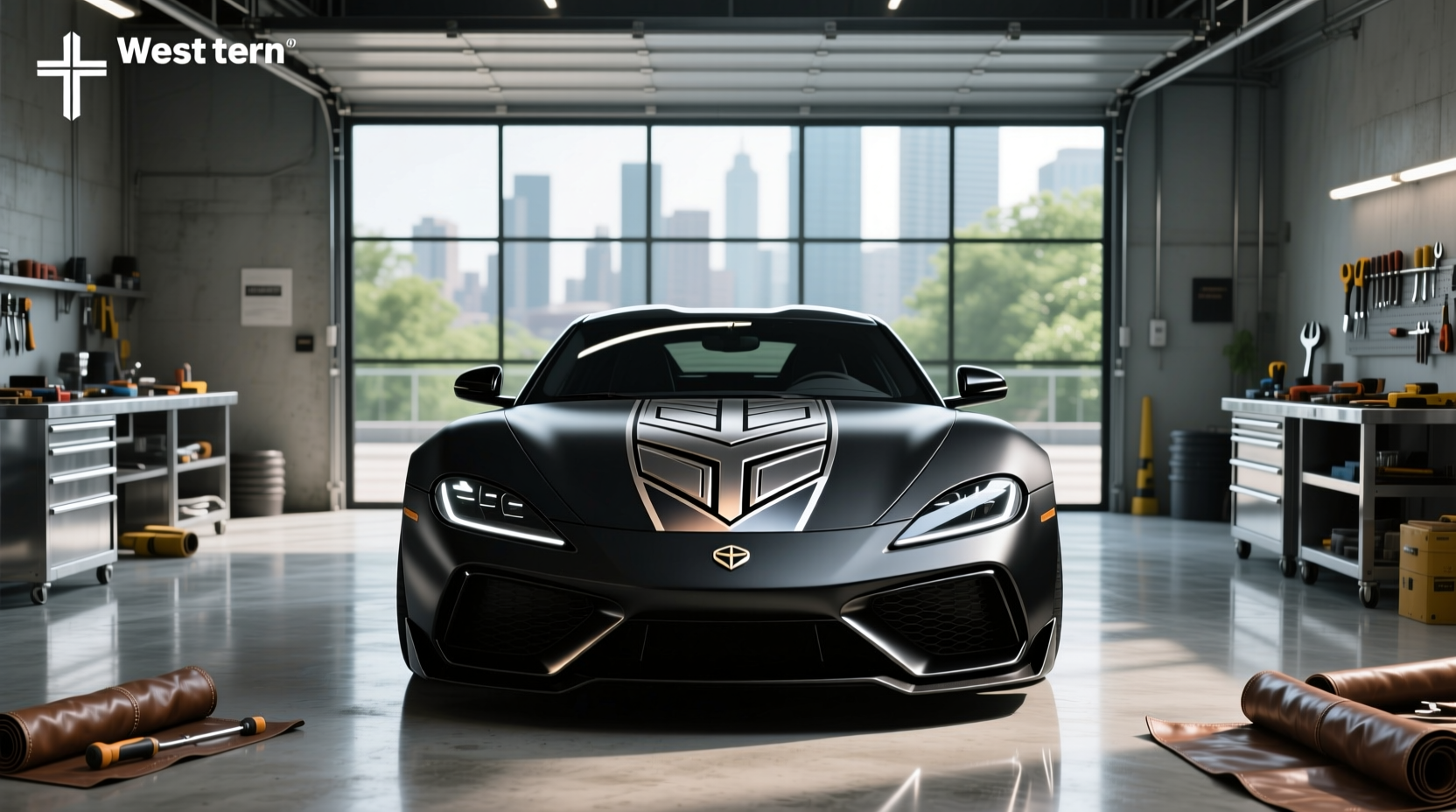
If you're searching for how to customize a car with 3D car bonnet stickers, you're not alone—thousands of drivers are turning to dimensional vinyl graphics to enhance their vehicle's appearance without permanent modifications. Unlike flat decals, 3D car bonnet stickers create visual depth through layered materials, embossed textures, or optical illusions that simulate raised surfaces. These accessories offer a bold aesthetic upgrade while remaining removable and cost-effective compared to full wraps or paint jobs. This guide breaks down everything you need to know: types of 3D effects, material quality indicators, proper adhesion techniques, climate considerations, legal restrictions in certain regions, and common pitfalls to avoid when purchasing online.
Understanding 3D Car Bonnet Stickers: Beyond Flat Graphics
When most people think of car decals, they imagine thin, two-dimensional vinyl stickers applied to hoods, bumpers, or windows. However, 3D car bonnet stickers go beyond traditional designs by incorporating physical elevation, shadowing effects, or multi-layered construction that gives the illusion of depth. These aren’t holograms or mechanical pop-ups; instead, they use advanced printing, lamination, and cutting technologies to mimic three-dimensionality.
There are several ways manufacturers achieve this effect:
- Embossed vinyl: The sticker material is physically pressed into patterns during production, creating tactile ridges and valleys.
- Layered application: Multiple sheets of vinyl are stacked with spacers or offset positioning to produce actual height above the surface. \li> Optical illusion design: Using gradients, shading, and perspective tricks in the artwork to make flat stickers appear raised (often called 'pseudo-3D').
- Gel-coated or domed resin: A clear, thick coating is applied over printed graphics, forming a rounded, bubble-like finish that enhances dimensionality.
Each method has different durability, cost, and installation requirements. For example, true embossed or layered 3D stickers may interfere with hood closure if too thick, while gel-domed versions can yellow under prolonged UV exposure.
Why Drivers Choose 3D Hood Decals Over Standard Options
The appeal of custom 3D car hood stickers lies in their visual impact. While standard racing stripes or logo decals blend into the paintwork, 3D variants stand out even at low speeds or in indirect light. They’re especially popular among:
- Enthusiasts modifying daily drivers on a budget
- Owners of performance or sport-trim vehicles seeking aggressive styling
- Fleet operators wanting brand visibility without painting entire vehicles
- Renters or leaseholders who want personalization without violating agreements
According to automotive aftermarket trends, demand for non-permanent customization has grown by over 18% since 2020 1. Many buyers prefer 3D stickers because they combine high visibility with easy removal—a crucial factor for leased cars or resale preparation.
Materials Matter: What to Look for in Quality 3D Bonnet Stickers
Not all 3D-effect hood stickers perform equally. The longevity and appearance depend heavily on the base material and protective coatings used. Here’s a breakdown of common materials:
| Material Type | Durability (Years) | UV Resistance | Weather Tolerance | Removability |
|---|---|---|---|---|
| PVC Vinyl (Standard) | 3–5 | Moderate | Good (not extreme cold) | Easy, residue-free |
| Cast Vinyl (Premium) | 7+ | High | Excellent (flexes with panels) | Clean peel, minimal adhesive |
| Polycarbonate Films | 5–8 | Very High | Superior (impact-resistant) | Requires heat for removal |
| Gel-Coated Resin | 2–4 | Poor to Moderate | Fair (prone to cracking) | Difficult if aged |
For long-term use, cast vinyl is recommended due to its flexibility and resistance to shrinking or peeling. Avoid cheap PVC-based products marketed as “3D” if you live in areas with temperature extremes or high humidity.
Installation Tips: Applying 3D Stickers Without Bubbles or Misalignment
Proper installation is critical—especially for larger or thicker 3D designs. Mistakes can lead to air pockets, edge lifting, or interference with moving parts like the hood latch.
- Clean the surface thoroughly: Use isopropyl alcohol to remove wax, dirt, and oils. Even invisible residues can prevent adhesion.
- Check fitment before peeling: Hold the sticker in place (don’t stick yet) to confirm alignment with seams, vents, or contours.
- Use a squeegee tool: Apply firm, outward strokes from center to edges to push trapped air toward the borders.
- Avoid direct sunlight during install: Heat accelerates adhesive bonding, reducing repositioning time.
- Allow curing time: Most adhesives reach full strength after 48–72 hours. Don’t wash the car immediately after application.
For complex curves or compound shapes (like sloped hoods), consider wet-installation methods using soapy water to allow sliding adjustments. However, this technique isn’t suitable for porous or textured 3D surfaces.
Climate and Environmental Considerations
Your local environment plays a major role in how well 3D car hood decals hold up over time. In hot climates (above 90°F / 32°C), low-quality adhesives may soften, causing edges to lift. Conversely, in freezing conditions, brittle materials can crack upon impact or thermal contraction.
Areas with frequent rain or coastal salt spray require extra sealing. Some premium stickers include hydrophobic topcoats that repel water and reduce corrosion risk along edges. If you park outdoors or drive frequently on gravel roads, consider adding a clear bra overlay to protect both the sticker and surrounding paint.
Legal and Safety Concerns: When 3D Stickers May Be Restricted
While decorative stickers are generally allowed, some jurisdictions regulate placement and reflectivity. For instance:
- In the EU, any graphic near headlights must not impair beam output or create glare.
- In parts of Canada and Australia, reflective or mirrored finishes on front-facing surfaces may violate roadworthiness standards.
- In Germany, strict rules govern modifications that alter factory aerodynamics—even cosmetic ones.
Always verify local regulations before installing large or protruding 3D elements. Additionally, ensure stickers don’t obstruct airflow to engine components or cover sensor locations (e.g., rain sensors embedded in windshields).
Design Trends and Popular Styles in 3D Hood Graphics
Current trends show increasing interest in:
- Racing-inspired motifs: Simulated carbon fiber, flame effects, and sponsor-style branding.
- Nature-themed illusions: Eagle wings, dragon scales, or tribal patterns with depth-enhancing shadows.
- Minimalist geometric accents: Raised line strips or angular inserts that follow body lines subtly.
- Personalized lettering: Nameplates or initials with drop-shadow effects mimicking metal plaques.
Platforms like Pinterest and Shutterstock reveal rising searches for terms like "floral car hood decal" and "mandala design 3D sticker," indicating growing niche interest in artistic expressions 2.
Cost vs. Value: Evaluating Price Points and Longevity
Pricing for 3D car bonnet stickers varies widely—from $10 budget options to $200+ custom pieces. Key cost drivers include:
- Size and complexity of design
- Type of material (cast vs. calendered vinyl)
- Customization level (off-the-shelf vs. bespoke)
- Inclusion of professional installation services
As a rule of thumb, expect to pay between $30–$80 for a mid-range pair of hood stripe stickers made from durable cast vinyl. Higher prices often reflect better weather resistance and longer warranties. Be cautious of ultra-cheap listings claiming "3D effect"—many use simple printed shadows without real texture.
Where to Buy Authentic 3D Car Bonnet Stickers
While e-commerce platforms host numerous sellers, verifying authenticity and quality can be challenging. Look for vendors who provide:
- Clear product specifications (material type, thickness, warranty)
- Real customer photos (not just stock images)
- Responsive support for sizing questions
- Return policies covering defects or fitment issues
Independent marketplaces like Etsy often feature handcrafted or limited-run designs, whereas specialized auto accessory sites focus on technical performance. Always check reviews for mentions of fading, bubbling, or poor cut precision.
Common Misconceptions About 3D Vehicle Decals
Several myths persist about these products:
- Myth: All 3D stickers are waterproof.
Reality: Only fully laminated or sealed versions resist moisture penetration long-term. - Myth: They damage paint when removed.
Reality: High-quality vinyl removes cleanly if applied correctly and replaced within lifespan. - Myth: Installation requires professional tools.
Reality: Most kits include instructions and basic tools for DIY application. - Myth: 3D means mechanically raised.
Reality: Most are flat stickers designed to look dimensional.
Maintenance and Care for Extended Lifespan
To maximize the life of your 3D car hood decoration, follow these care practices:
- Wash gently by hand—avoid high-pressure sprayers directly on sticker edges.
- Use pH-neutral cleaners; harsh chemicals can degrade adhesive layers.
- Inspect monthly for early signs of lifting, especially after winter or summer extremes.
- Re-seal edges with compatible vinyl protectant every 6 months in sunny climates.
With proper maintenance, premium 3D stickers can last up to seven years without significant fading or delamination.
Alternatives to 3D Stickers for Hood Customization
If 3D decals don’t meet your needs, consider these alternatives:
- Painted pinstripes: Permanent but highly customizable.
- Carbon fiber overlays: Real or faux CF sheets bonded to the hood.
- Full vehicle wraps: Offer seamless integration and full coverage.
- Hood ornaments: Classic chrome or modern LED units (where legal).
Each option involves trade-offs in cost, reversibility, and maintenance effort.
Frequently Asked Questions (FAQ)
- Can I wash my car normally after applying a 3D bonnet sticker?
- Yes, but wait at least 48 hours to allow the adhesive to cure. Hand washing is preferred over automated car washes, which can loosen edges over time.
- Do 3D car hood stickers damage factory paint?
- No, when made from quality materials and removed within their service life. In fact, they can protect underlying paint from UV rays and minor scratches.
- Are 3D stickers removable without residue?
- Most high-grade vinyls remove cleanly. Residue usually results from expired adhesives or improper removal techniques. Use gentle heat and adhesive remover if needed.
- Can I get custom designs for my 3D hood decal?
- Yes, many suppliers offer personalized artwork, colors, and sizing. Ensure they provide a digital proof before production.
- Will a 3D sticker affect my car’s aerodynamics?
- Typically no—most are less than 1mm thick and do not generate meaningful drag. However, very large or protruding models could disrupt airflow slightly.




 浙公网安备
33010002000092号
 浙B2-20120091-4