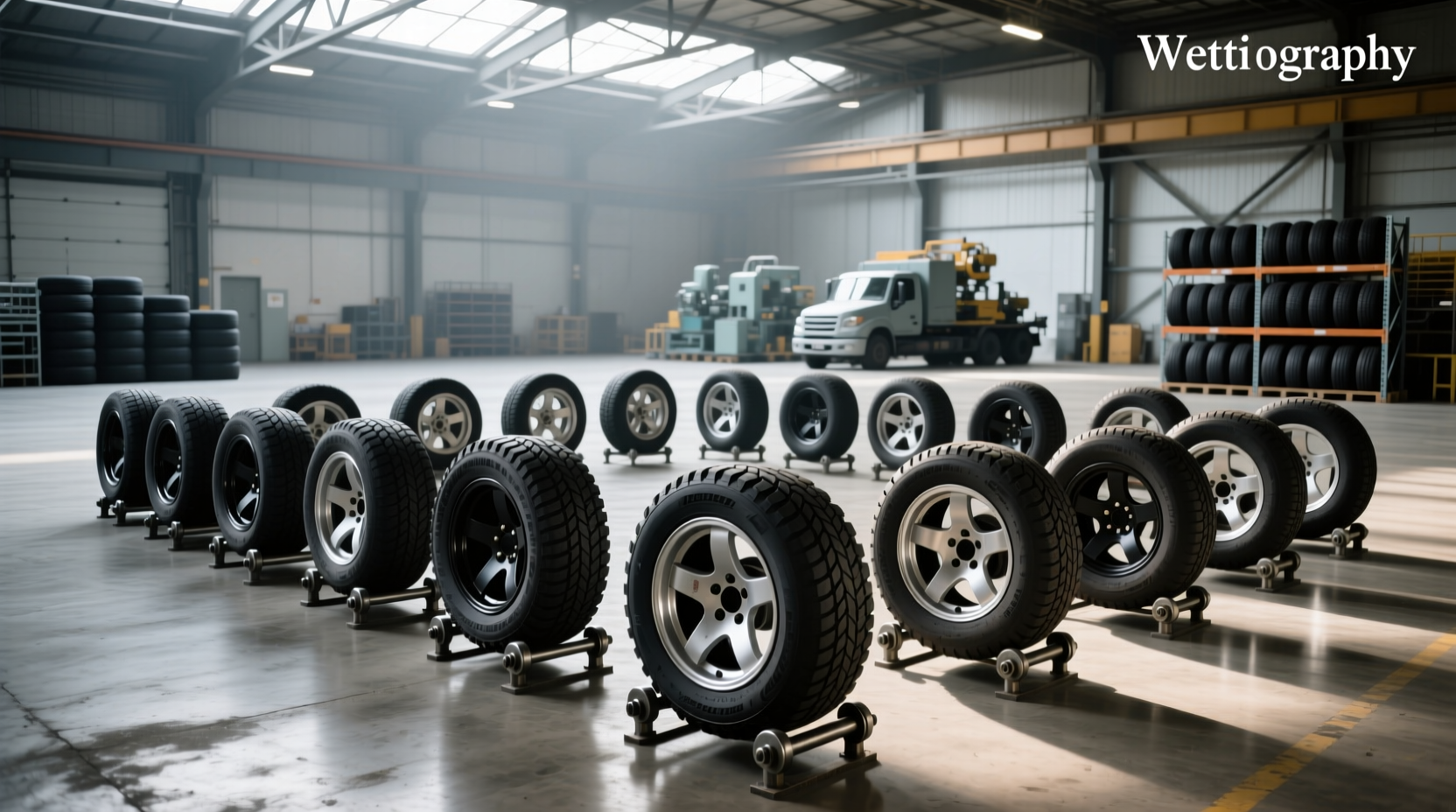
✅ Yes, 40-inch tires are designed to fit 17-inch wheels—but only when the full tire size notation matches, such as 40x13.50R17. This means the tire has a 40-inch overall diameter, a 13.50-inch section width, and is built for a 17-inch diameter rim. Understanding this sizing convention is critical for proper fitment, clearance, and performance, especially in off-road applications where mud-terrain (M/T) or all-terrain (A/T) tires are commonly used 🛞.
What Does '40 Tires for 17 Wheels' Actually Mean?
When users search for “40 tires for 17 wheels”, they're typically looking for large off-road tires with an approximate 40-inch outer diameter that are engineered to mount on 17-inch diameter rims. These combinations are popular among off-road enthusiasts upgrading trucks, Jeeps, or SUVs for enhanced ground clearance, traction, and aggressive styling ✨.
The key here is understanding tire nomenclature. A size like 40x13.50R17 follows the light truck numeric system, widely used for oversized off-road tires. In this format:
- 40 = Overall tire diameter in inches
- 13.50 = Section width (tire width from sidewall to sidewall)
- R = Radial construction (vs. bias-ply)
- 17 = Rim diameter in inches
This differs from the more common P-metric system (e.g., P265/70R17), which describes tires using millimeters and aspect ratios. The 40-inch sizes are often referred to as “3-digit” or “alpha-numeric” sizes and are standard in the aftermarket off-road industry ⚙️.
Are All 40-Inch Tires Compatible With 17-Inch Rims?
No—not all 40-inch tires fit 17-inch wheels. While many do, compatibility depends entirely on the final digit in the tire size designation. For example:
- ✅ 40x13.50R17 — Fits 17-inch wheels
- ❌ 40x13.50R20 — Requires 20-inch wheels
- ❌ 40x15.50R22 — Needs 22-inch wheels
So while the outer diameter is the same (~40”), the internal bead diameter must match your wheel size. Installing a 40-inch tire on an incompatible rim can lead to dangerous bead unseating, air loss, or even blowouts ❗.
🔧 Pro Tip: Always verify the last number after the “R” in the tire size. If it’s “17,” the tire is designed for 17-inch wheels. Never assume based on diameter alone.
Common 40x?R17 Tire Sizes and Width Variations
There are several width options available for 40-inch tires on 17-inch rims. The most common include:
| Tire Size | Section Width (inches) | Recommended Rim Width | Typical Use Case |
|---|---|---|---|
| 40x12.50R17 | 12.5 | 10–12 inches | Rock crawling, trail use |
| 40x13.50R17 | 13.5 | 11–13 inches | Balanced off-road/on-road |
| 40x14.50R17 | 14.5 | 12–14 inches | Mud bogging, deep terrain |
| 40x15.50R17 | 15.5 | 13–15 inches | Extreme off-road, competition |
Wider tires offer greater flotation in soft terrain like sand or mud but require wider rims and may need fender modifications. Narrower versions provide better rock crawling precision and reduced rolling resistance.
Types of 40-Inch Off-Road Tires for 17-Inch Wheels
When selecting a 40-inch tire for 17-inch wheels, you’ll encounter different tread types and constructions tailored to specific environments:
Mud-Terrain (M/T) Tires
🔧 Best for: Deep mud, rocky trails, off-camber terrain
Mud-terrain tires feature large, aggressive lugs with wide spacing to self-clean and maintain grip in slippery conditions. They often have reinforced sidewalls for puncture resistance. However, they tend to be noisier on pavement and wear faster than all-terrain models.
Examples: BFGoodrich KM3, Nitto Mud Grappler, Toyo Open Country M/T1.
All-Terrain (A/T) Tires
🔧 Best for: Mixed driving, overlanding, light to moderate off-roading
All-terrain tires strike a balance between off-road capability and on-road comfort. They have less aggressive tread patterns than M/Ts, resulting in quieter operation and longer tread life. Ideal for those who spend more time on highways than in extreme conditions.
Examples: Cooper Discoverer STT Pro, Falken Wildpeak AT3W.
Bias-Ply vs. Radial Construction
⚙️ Bias-ply tires use crisscrossed layers of fabric, offering stiffer sidewalls and better resistance to punctures—ideal for slow-speed rock crawling or agricultural use. However, they deliver a rougher ride and higher rolling resistance.
⚙️ Radial tires dominate the market due to their flexible sidewalls, improved fuel efficiency, and superior ride quality at speed. Most modern 40x?R17 tires are radial unless specified otherwise.
Vehicle Fitment: Will 40-Inch Tires Work on Your Truck or Jeep?
Installing 40-inch tires on 17-inch wheels isn’t just about bolt-on compatibility—it affects multiple systems:
- 🛠️ Clearance: You’ll likely need a lift kit (typically 3.5” or more) to prevent rubbing during steering or suspension articulation.
- 🔄 Gearing: Larger tires effectively lower your gear ratio, reducing acceleration and increasing strain on transmission and differential. Regearing (e.g., to 4.88 or 5.13) is often necessary.
- 📊 Speedometer Calibration: Larger tires cover more ground per revolution, causing speedometers to read inaccurately. An electronic recalibration module may be required.
- ⛽ Fuel Economy: Increased rolling mass and aerodynamic drag usually result in lower MPG.
- 🛞 Braking & Handling: Heavier tires increase unsprung weight, potentially affecting brake performance and cornering stability.
📍 Common vehicles upgraded to 40-inch tires include:
- Ford F-250/F-350 Super Duty
- Chevrolet Silverado 2500HD/3500HD
- Toyota Land Cruiser (200/300 Series)
- Jeep Wrangler Unlimited (with significant modifications)
- Nissan Titan XD
Always consult fitment guides specific to your make and model before purchasing.
Load Range and Ply Rating: What You Need to Know
Off-road tires in the 40-inch category often come in Load Range D, E, or even higher. This indicates the tire’s maximum load capacity and inflation pressure:
- 🔸 Load Range D: Up to 3,042 lbs per tire at 65 psi
- 🔸 Load Range E: Up to 3,640 lbs per tire at 80 psi
For heavy-duty trucks or towing applications, Load Range E is recommended. However, higher load ranges mean stiffer sidewalls, which can affect ride comfort. Ensure your vehicle’s Gross Vehicle Weight Rating (GVWR) aligns with the tire’s capabilities.
Where to Buy 40x?R17 Tires and What to Watch For
Purchasing 40-inch tires for 17-inch wheels requires attention to detail:
- 🛒 Verify Exact Size: Confirm the full size (e.g., 40x13.50R17) matches your rim and clearance.
- 🚚 Shipping Costs: These are large, heavy items—shipping can be expensive. Look for free delivery offers.
- 🔍 Check Reviews: Focus on real-world feedback about durability, noise, and traction in relevant conditions.
- 📌 Avoid Counterfeits: Stick to reputable dealers or manufacturer-authorized sellers.
- 🧰 Installation: Mounting such large tires requires professional equipment. Consider bundled wheel/tire packages for easier setup.
Some retailers specialize in oversized off-road tires, providing detailed fitment tools and expert advice. Avoid platforms that don't allow filtering by exact tire code or lack technical specifications.
Common Misconceptions About 40-Inch Tires
Despite their popularity, several myths persist:
❌ Myth: “All 40-inch tires are the same size”
Reality: Actual measured diameter can vary by ±1 inch between brands due to tread depth and design. One brand’s 40x13.50R17 might measure 39.2”, another 40.5”.
❌ Myth: “Bigger tires always mean better off-road performance”
Reality: Oversized tires without proper gearing, suspension, or driver skill can hurt performance. Torque loss and decreased maneuverability are real trade-offs.
❌ Myth: “You can run 40s without a lift kit”
Reality: On most stock vehicles, 40-inch tires will rub severely. Minimal lifts (under 2.5”) are insufficient. Expect at least a 3.5–6 inch lift for full articulation clearance.
Maintenance Tips for 40-Inch Tires on 17-Inch Rims
Large off-road tires demand regular care:
- 🔧 Rotate Regularly: Every 5,000 miles to promote even wear, especially if used on-road.
- 🌡️ Monitor Pressure: Adjust PSI based on load and terrain (e.g., 20–25 psi off-road, 30–35 psi highway).
- 📎 Inspect Sidewalls: Check for cuts, bulges, or embedded debris after off-road use.
- 🧼 Clean After Mudding: Remove packed mud to prevent corrosion and imbalance.
- ⚖️ Rebalance After Trail Use: Impacts can shift weights or damage wheels.
Environmental and Terrain Considerations
Your choice of 40-inch tire should reflect where you drive most:
- 🌍 Sandy Deserts: Wider tires (e.g., 40x14.50R17) help with flotation.
- 🌧️ Muddy Conditions: Deep, widely spaced lugs (like on M/T tires) resist clogging.
- 🪨 Rocky Trails: Reinforced sidewalls and flexible radials reduce pinch flats.
- 🛣️ Highway Driving: Prioritize all-terrain designs for noise and longevity.
Choosing the right variant ensures optimal performance without unnecessary compromises.
Cost Expectations for 40-Inch Tires
Prices vary significantly based on brand, type, and availability:
- 💰 Budget Options: $300–$450 per tire (e.g., Ironman All Country M/T)
- 💰 Mid-Range: $500–$700 per tire (e.g., Nitto Trail Grappler, Cooper STT Pro)
- 💰 Premium: $750+ per tire (e.g., BFGoodrich KM3, Mickey Thompson Baja Boss)
A full set of four can cost between $1,200 and $3,000+, not including mounting, balancing, or disposal fees. Factor these into your upgrade budget.
Final Checklist Before Buying 40-Inch Tires for 17-Inch Wheels
Before making a purchase, confirm the following:
- ✅ Full tire size is 40x?R17 (not R20 or R22)
- ✅ Matches your wheel width and bolt pattern
- ✅ Vehicle has sufficient suspension lift and clearance
- ✅ Gear ratio is suitable or plans for regearing exist
- ✅ Speedometer correction method is available
- ✅ Load range meets or exceeds vehicle requirements
- ✅ Intended use aligns with tire type (M/T vs A/T)
Skipping any of these steps could lead to poor performance, safety risks, or costly rework.
Frequently Asked Questions (FAQ)
- Can I put 40-inch tires on my stock Jeep Wrangler?
- No, 40-inch tires cannot fit a stock Jeep Wrangler without major modifications. You’ll need a substantial lift kit (at least 4–6 inches), modified fenders, and possibly altered suspension geometry to avoid constant rubbing and driveline stress.
- Do 40x13.50R17 tires fit 17x9 wheels?
- Generally yes, but it depends on the tire manufacturer's recommendations. A 17x9 wheel is on the narrower end for a 40x13.50R17. Most manufacturers suggest 10–12 inch wide rims. Running narrower rims increases sidewall flex, which can improve off-road grip but may risk bead unseating under extreme conditions.
- How fast can you drive with 40-inch tires?
- 40-inch tires are rated for normal highway speeds (up to 112 mph / 180 km/h) if properly installed and inflated. However, due to increased rotational mass and potential gearing issues, sustained high-speed driving may strain components. Always follow the tire manufacturer’s speed rating and vehicle limitations.
- Why are 40-inch tires so expensive?
- They require more raw materials, specialized manufacturing, and rigorous testing for durability. Additionally, low production volumes compared to standard passenger tires contribute to higher costs. Reinforced sidewalls, aggressive tread compounds, and off-road certifications also add to the price.
- Can I use 40-inch tires for daily driving?
- You can, but it’s not ideal. These tires are optimized for off-road performance and often produce more road noise, lower fuel economy, and a firmer ride. If daily commuting is your primary use, consider all-terrain variants rather than extreme mud-terrain models.




 浙公网安备
33010002000092号
 浙B2-20120091-4