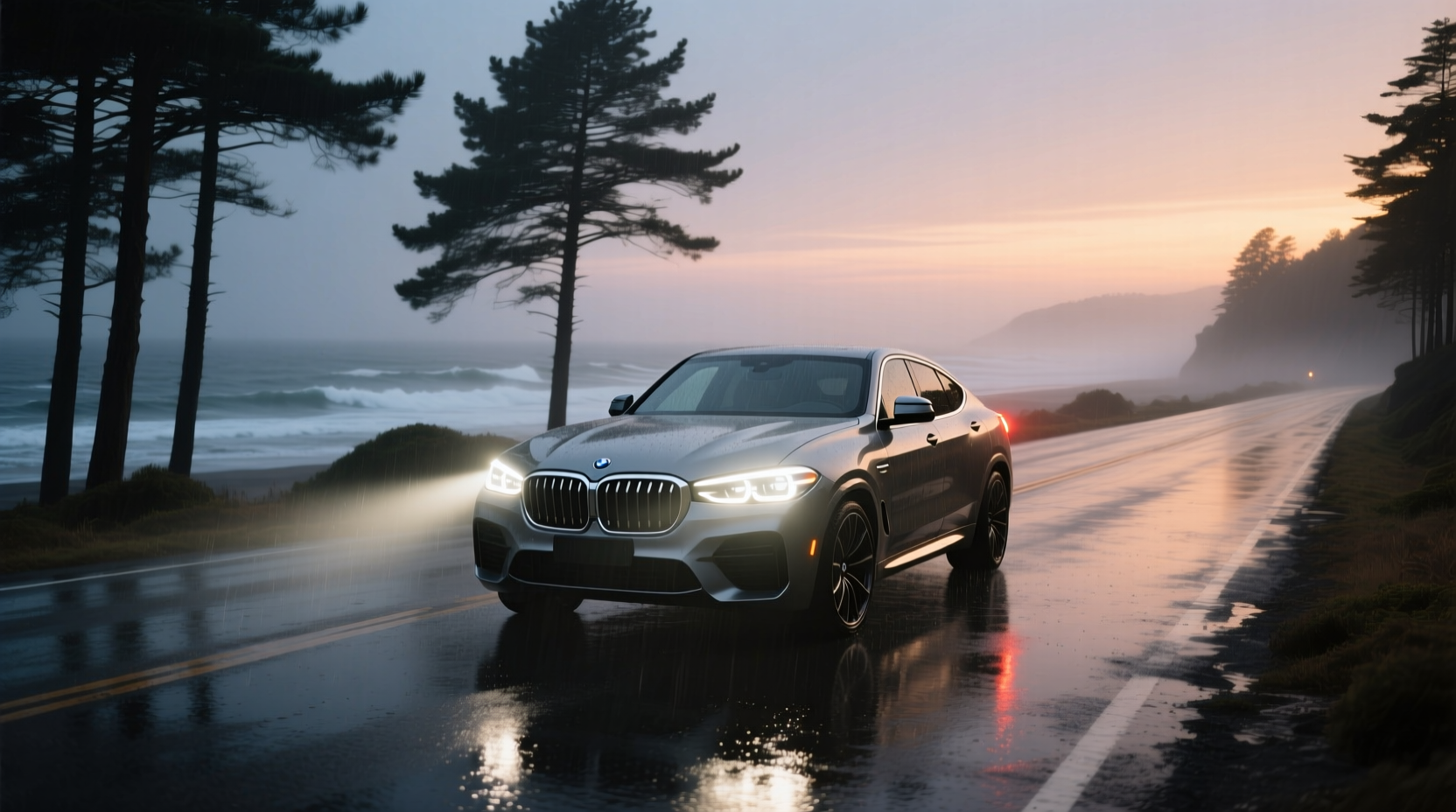
When searching for the best 4300K LED headlight upgrade, many drivers are surprised to learn that lower color temperatures can actually offer superior visibility in real-world conditions. Unlike higher-Kelvin LEDs that emit a cool blue-white light, 4300K produces a warm white beam very close to natural daylight—offering excellent contrast, reduced glare, and better performance in rain, fog, and low-light environments. This makes 4300K one of the most practical choices for nighttime driving safety, especially when compared to 5000K, 6000K, or even 8000K alternatives.
Despite its advantages, 4300K is often overlooked due to misconceptions about brightness and modernity. Many assume that whiter or bluer lights are brighter or more advanced, but this isn’t true from a photometric or functional standpoint. In fact, 4300K LEDs typically deliver higher lumen output and better road illumination than their higher-color-temperature counterparts because the human eye perceives warm-white light more clearly under dark conditions 1. This article breaks down everything you need to know about 4300K LED headlights: how they work, where they excel, common installation issues, and how they stack up against popular options like 6000K H4 LED bulbs with mini projector lenses (e.g., Y6-style models).
Why Color Temperature Matters in Headlights
The color temperature of a headlight, measured in Kelvin (K), determines the hue of the light emitted. It ranges from warm yellow (around 3000K) to neutral white (4300K–5000K) and then to cool blue-white (6000K+). While many consumers gravitate toward 6000K or higher for its 'modern' look, automotive engineers and lighting specialists consistently recommend 4300K as the optimal balance between aesthetics and functionality.
At 4300K, LED headlights produce a bright, sun-like white light with a slight warmth. This spectrum closely matches midday sunlight, which the human eye has evolved to interpret with maximum clarity and depth perception. Higher color temperatures (like 6500K) may appear subjectively 'brighter' due to increased blue content, but they scatter more in the atmosphere and reduce contrast—especially in wet or foggy conditions. Studies show that drivers using 4300K lighting report less eye strain and improved object recognition at night 2.
4300K vs. 6000K: Real-World Performance Comparison
One of the most frequent questions among car owners upgrading from halogen to LED is whether to choose 4300K or 6000K. The answer depends on your priorities: pure visibility versus aesthetic appeal.
| Feature | 4300K LED | 6000K LED |
|---|---|---|
| Light Color | Warm white (sunlight-like) | Cool white (bluish tint) |
| Perceived Brightness | High (natural contrast) | Moderate (more glare) |
| Lumen Output (Typical) | 2000–2400 lm per bulb | 1800–2000 lm per bulb |
| Fog/Rain Performance | ✅ Superior | ❌ Poorer due to scattering |
| Nighttime Visibility | ✅ Excellent contrast | ⚠️ Reduced depth perception |
| Aesthetic Appeal | Neutral, OEM-like | Modern, 'luxury' look |
As shown above, 4300K LEDs generally outperform 6000K variants in measurable driving conditions. They also tend to have slightly higher actual lumen output because less energy is lost generating non-visible blue wavelengths. For drivers who prioritize safety over style, 4300K is the logical choice.
Compatibility and Installation Challenges
Upgrading to 4300K LED headlights isn't always plug-and-play. Many vehicles, especially those manufactured after 2010, use CANBUS systems that monitor bulb functionality. Since LEDs draw significantly less power than halogen bulbs, the vehicle may register them as 'burned out' and trigger error messages on the dashboard.
To avoid this, look for 4300K LED bulbs labeled as CANBUS-compatible or those that come with built-in resistors or decoders. Some high-end models include active cooling fans and aluminum heat sinks to ensure longevity—critical since overheating remains a leading cause of early LED failure.
Another issue is beam pattern alignment. If your car uses reflector housings designed for halogen bulbs, installing LED replacements can create glare or uneven spread. In such cases, consider retrofitting with projector lenses (like the Y6-style H4 LED projectors mentioned in search results), which focus the light into a sharp cutoff line, minimizing scatter and improving compliance with road regulations.
Are Projector Lens LEDs Worth It?
Many listings for H4 LED bulbs—especially those labeled 'Y6 Mini Projector'—feature integrated optical lenses that shape the beam for better focus. These are particularly beneficial if your factory headlights lack precision optics.
Projector-based 4300K LEDs combine the visual benefits of warm-white light with engineered beam control. Instead of flooding the road with diffuse light, they project a concentrated hotspot with a clean horizontal cutoff, reducing glare for oncoming drivers while maximizing usable illumination ahead. This design mimics OEM HID or adaptive LED systems found in premium vehicles.
However, not all 'projector lens' claims are equal. Some budget units use plastic lenses that degrade over time or misaligned chips that distort the beam. Look for units made with glass lenses, copper-core PCBs, and IP67-rated sealing for moisture resistance. Independent reviews and beam pattern tests (available on platforms like YouTube or specialized forums) can help verify real-world performance.
Common Misconceptions About 4300K LEDs
Several myths persist about 4300K LED headlights:
- Myth 1: Higher Kelvin = Brighter Light – False. Lumen output measures brightness; Kelvin measures color. A 4300K bulb can be significantly brighter than a 6000K one.
- Myth 2: 4300K Looks Yellowish – Outdated. Modern 4300K LEDs appear crisp and white—closer to daylight than older halogens. Only below 4000K does yellowing become noticeable.
- Myth 3: All LED Upgrades Are Legal – Not necessarily. Aftermarket LEDs installed in halogen housings may not meet DOT or ECE standards, even if they function. Always check local regulations before modifying headlights.
How to Choose the Right 4300K LED Bulb
Selecting the right 4300K LED involves evaluating several technical factors beyond just color temperature:
Bulb Base Type
Ensure the bulb matches your vehicle’s socket type. Common bases include H4 (9003/HB2), H7, H11, 9005, and 9006. The H4 base supports dual filament (high/low beam), making it ideal for vehicles needing both functions in one bulb.
Heat Dissipation Design
LEDs generate heat at the chip level. Effective thermal management is crucial. Models with aluminum fins, copper cores, or silent turbo fans (like some Y6 variants) maintain stable performance over long drives.
Lumen Output & Beam Distance
Aim for bulbs rated at least 2000 lumens per unit. Higher output improves visibility, but only if properly focused. Check independent beam distance tests—some 4300K LEDs achieve over 150 meters of usable illumination.
Durability and Weather Resistance
Look for IP65 or IP67 ratings indicating dust and water resistance. This ensures reliability in rain, snow, and coastal environments.
Warranty and Manufacturer Support
Reputable brands offer 2–3 year warranties. Avoid no-name products without clear support channels, as troubleshooting issues becomes difficult.
Regional Differences and Legal Considerations
Headlight regulations vary by country. In the U.S., FMVSS 108 governs acceptable lighting performance. While 4300K falls within legal color limits, the installation method matters. Simply replacing halogen bulbs with LEDs in a reflector housing may not comply, even if the color temperature is correct.
In Europe, ECE Regulation 48 requires headlights to be certified as a complete system. That means aftermarket LED bulbs—even 4300K ones—are technically non-compliant unless paired with approved projector assemblies.
To stay compliant:
- Use LEDs only in housings designed for them.
- Consider full headlight assembly replacements if legality is a concern.
- Verify compliance through third-party testing labs or official certifications listed on packaging.
When NOT to Buy a 4300K LED Headlight
While 4300K LEDs offer many benefits, there are scenarios where they may not be the best fit:
- You want a 'futuristic' blue-white look: If appearance trumps function, 5000K–6000K might suit your taste better.
- Your vehicle already has factory HID or LED projectors: Upgrading these systems offers minimal gains and risks voiding warranty.
- You’re on a tight budget and can’t afford quality units: Cheap 4300K LEDs often fail within months. It's better to stick with halogens than risk poor performance.
- You drive mostly in well-lit urban areas: The advantage of superior night vision is less critical in city environments.
Final Recommendations
For most drivers seeking safer nighttime visibility, a high-quality 4300K LED headlight—especially one with a proper projector lens—is an excellent upgrade over halogen or higher-Kelvin LEDs. Its warm-white output enhances contrast, reduces eye fatigue, and performs reliably in adverse weather. When shopping, prioritize build quality, thermal design, and beam focus over marketing claims.
If your current setup uses outdated halogen bulbs in basic reflector housings, pairing 4300K LEDs with retrofit projector lenses (such as those inspired by the Y6 H4 design) can dramatically improve both safety and compliance. However, always verify fitment, check for CANBUS errors, and understand local laws before installation.
Frequently Asked Questions
- ❓ Can I replace halogen bulbs with 4300K LED?
- Yes, but only if the LED is designed as a direct replacement and your vehicle accepts it without triggering errors. Use CANBUS-compatible models to prevent warning lights.
- ❓ Is 4300K too yellow for modern cars?
- No. 4300K appears as natural white light—very similar to factory HID systems. It’s not yellow like 3000K or older halogens.
- ❓ Do 4300K LEDs last longer than halogen bulbs?
- Yes. Most 4300K LEDs have lifespans of 30,000–50,000 hours, far exceeding halogen bulbs (typically 500–1,000 hours).
- ❓ Are Y6-style projector LEDs suitable for 4300K?
- Yes. The Y6 mini projector design works well with 4300K chips, offering precise beam control and efficient heat dissipation when properly engineered.
- ❓ Why do some 4300K bulbs list different lumen outputs?
- Lumen ratings can vary based on driver efficiency, chip quality, and test methods. Look for independent verification rather than manufacturer claims alone.




 浙公网安备
33010002000092号
 浙B2-20120091-4