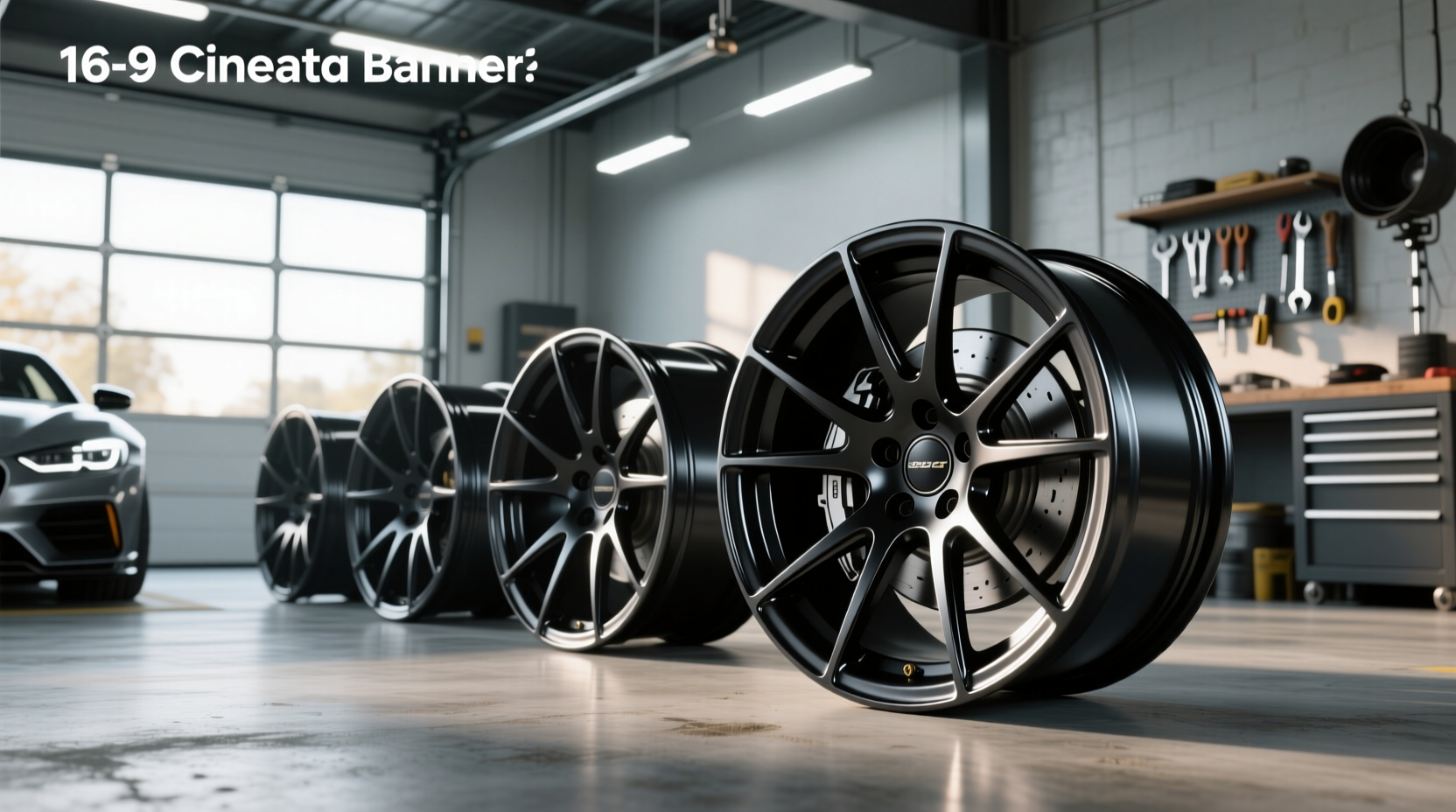
If you're searching for 18-inch wheels with a 5x110 bolt pattern, you're likely upgrading your vehicle’s look or performance. The 5x110 bolt pattern is widely used across several European and American car manufacturers, including Chevrolet, Cadillac, Alfa Romeo, and some Vauxhall models. ✅ Understanding whether an 18x7.5, 18x8, or 18x9 wheel will fit your specific make and model requires more than just matching the bolt count — it involves checking critical specs like offset (ET), center bore (hub bore), and tire clearance. This guide breaks down everything you need to know about 5x110 wheels in 18-inch diameter, from compatibility lists to real-world fitment tips, helping you make a confident, mistake-free upgrade.
What Does 5x110 Mean on a Wheel?
The term 5x110 refers to the bolt pattern (also known as PCD – Pitch Circle Diameter) of a wheel. It means the wheel has five lug holes spaced evenly around an imaginary circle that measures 110 millimeters in diameter. 🔍 This specification ensures the wheel aligns properly with the vehicle's hub and can be securely fastened using lug nuts or bolts.
For example, if your current rims say '5x110' stamped on the back, any replacement wheel must match this exact pattern. Using a different bolt pattern — such as 5x114.3 (common on Fords and Hondas) — won’t allow the wheel to mount correctly and could lead to dangerous driving conditions.
🔧 Key Takeaway: Always confirm your vehicle’s bolt pattern before purchasing new wheels. You can usually find this information in your owner’s manual, on the existing wheel itself, or via online fitment databases.
Which Vehicles Use the 5x110 Bolt Pattern?
The 5x110 bolt pattern is not universal, but it’s far from rare. It's primarily found on vehicles produced by General Motors (GM), certain Italian brands, and select Chinese automakers. Below is a comprehensive list of popular makes and models known to use the 5x110 bolt pattern:
- Chevrolet: Cobalt (2005–2010), Malibu (2004–2012), Lumina, Impala (some trims)
- Cadillac: CTS (2003–2014), STS, XLR
- Alfa Romeo: Giulietta (2010–2021), MiTo, 147, 156, 159
- Vauxhall/Opel: Astra H, Vectra C, Zafira B (UK/European models)
- BAIC & Changan: Some newer EV and SUV models sold in Asia and emerging markets
📍 Note: Even within these brands, bolt patterns may vary by model year, trim level, or engine type. For instance, while most Alfa Romeo Giuliettas use 5x110, higher-performance Quadrifoglio versions might differ. Always double-check using your VIN or consult a trusted fitment resource.
Why Choose 18-Inch Wheels with a 5x110 Pattern?
Upgrading to 18-inch wheels in a 5x110 configuration offers several advantages — and a few trade-offs. Let’s explore both sides so you can decide if this size suits your driving needs.
Advantages of 18-Inch 5x110 Wheels ⚡
- Improved Handling: Larger diameter wheels typically come paired with lower-profile tires, reducing sidewall flex during cornering and improving steering response.
- Better Braking Performance: Many 18-inch setups accommodate larger brake calipers and rotors, enhancing stopping power — especially useful for modified or performance-oriented vehicles.
- Enhanced Aesthetics: An 18-inch wheel fills the fender well more aggressively than stock sizes, giving your car a sportier, more modern stance. ✨
- Wider Tire Options: With increased rim width options (e.g., 18x8 or 18x9), you can run wider tires for better grip, particularly beneficial in dry conditions.
Potential Drawbacks ❗
- Rougher Ride Quality: Lower-profile tires absorb less road shock, leading to a stiffer ride, especially on uneven pavement.
- Increased Risk of Damage: Shallow tire sidewalls are more susceptible to curb rash and pothole damage, which can crack the wheel or cause internal tire failure.
- Higher Cost: 18-inch tires and wheels generally cost more than smaller sizes, both upfront and over time due to shorter tread life.
- Fuel Efficiency Impact: Heavier wheel-tire combinations increase rotational mass, potentially lowering fuel economy slightly.
⚙️ TIP: If comfort matters most, consider staying at 17 inches or choosing a lightweight alloy with a conservative drop in tire profile.
How to Verify Correct Fitment for 5x110 18-Inch Wheels
Selecting wheels based solely on bolt pattern is risky. Four key specifications determine whether an 18-inch 5x110 wheel truly fits your vehicle:
1. Bolt Pattern (5x110 mm)
This is non-negotiable. As discussed, mismatched bolt patterns prevent secure mounting. However, some wheels are dual-drilled (e.g., 5x110/5x114.3), allowing flexibility — though true adapters should still be avoided unless high-quality and properly rated.
2. Offset (ET Value)
Offset determines how far the wheel sits in relation to the suspension and fender line. Measured in millimeters, it indicates the distance between the wheel’s mounting surface and its centerline.
- Positive offset (e.g., ET+35): Mounting surface is closer to the front of the wheel; common on front-wheel-drive cars.
- Negative offset (e.g., ET-12): Mounting surface moves toward the back; gives a 'deep dish' look but risks rubbing.
- Zero offset: Mounting surface aligns with the centerline.
For most 5x110 vehicles like the Chevrolet Malibu or Alfa Romeo Giulietta, factory offsets range between ET40 and ET50. Installing a wheel with ET25 could push the tire too far outward, causing fender rub or affecting steering geometry.
3. Center Bore (Hub Bore Diameter)
This is the hole in the center of the wheel that centers it on the axle hub. Most 5x110 wheels have a center bore of 65.1mm (Chevrolet, Cadillac) or 58.1mm (Alfa Romeo). If the bore is too small, the wheel won’t seat properly. If it’s too large, the wheel relies only on lug torque for centering — unsafe without hub-centric rings.
✅ Solution: Use precision-machined hub-centric rings to fill the gap when necessary. These inexpensive spacers ensure perfect alignment and reduce vibration.
4. Wheel Width and Tire Size Compatibility
An 18-inch wheel comes in various widths — commonly 18x7.5, 18x8, or 18x8.5 for 5x110 applications. Each width supports a range of tire sizes. For example:
| Wheel Size | Recommended Tire Sizes | Common Fitment Examples |
|---|---|---|
| 18x7.5 | 225/45R18, 235/40R18 | Chevrolet Malibu, Vauxhall Astra |
| 18x8 | 235/45R18, 245/40R18 | Alfa Romeo Giulietta, Cadillac CTS |
| 18x8.5 | 245/45R18, 255/40R18 | Performance builds, staggered setups |
⚠️ Always check for adequate clearance inside the fender, behind the control arms, and near the suspension components. Test-fit whenever possible before final mounting.
Can I Use Aftermarket 5x110 Wheels Safely?
Yes — but only if they meet OEM-equivalent safety standards. Many aftermarket 5x110 wheels are manufactured to JWL/VIA or TÜV certification, ensuring structural integrity under load and impact testing.
🏭 Look for wheels labeled with one or more of these certifications:
- JWL (Japan Wheel Standard)
- VIA (Vehicle Inspection Association)
- TÜV (Germany)
- SAE J2530 (U.S. Aftermarket Wheel Standard)
Avoid unbranded or uncertified wheels sold purely on price. Poor metallurgy or flawed casting can lead to cracks or catastrophic failure at high speeds.
Common Misconceptions About 5x110 18-Inch Wheels
Misconception #1: “All 5-Lug Wheels Are Interchangeable”
No. While many vehicles have five-lug patterns, the diameter of the bolt circle varies. 5x100, 5x10⁸, 5x110, 5x112, 5x114.3, and 5x120 are all different. Confusing them leads to improper fitment and safety hazards.
Misconception #2: “Larger Wheels Always Improve Performance”
Not necessarily. Beyond a certain point, added weight and reduced sidewall height hurt ride quality and responsiveness. Optimal performance depends on balance — wheel weight, tire compound, and overall unsprung mass matter more than diameter alone.
Misconception #3: “Hub-Centric Rings Are Optional”
They’re essential when there’s a bore mismatch. Relying solely on lug nuts for centering creates stress imbalances, leading to vibrations and uneven wear.
Where to Buy Reliable 5x110 18-Inch Wheels
You’ll find 5x110 wheels listed on numerous online retailers, marketplaces, and specialty shops. When shopping, prioritize vendors that provide:
- Detailed fitment guides linked to VIN or model selection
- Clear specifications (offset, bore, finish, load rating)
- Real customer photos and verified reviews
- Return policies and warranty coverage
🛒 Be cautious with third-party marketplaces where product descriptions may be inaccurate or copied across unrelated items. Double-check every spec manually.
Installation Tips for 5x110 18-Inch Wheel Upgrades
Once you’ve selected the right wheels, proper installation is crucial. Follow these best practices:
- Use a Torque Wrench: Never guess lug nut tightness. Most 5x110 applications require 80–100 ft-lbs depending on the vehicle. Over-torquing stretches studs; under-torquing risks loosening.
- Re-Torque After 50 Miles: Heat cycles from initial driving can settle components. Recheck lug tightness after short break-in period.
- Install Hub-Centric Rings if Needed: Ensure precise alignment and eliminate wobble.
- Balance Wheels Properly: Prevent vibrations at highway speeds with dynamic balancing.
- Check Alignment: New wheel width or offset may alter toe and camber settings, accelerating tire wear.
Are OEM 5x110 Wheels Better Than Aftermarket?
Not inherently. OEM wheels are designed for durability, corrosion resistance, and system integration (like TPMS). However, many aftermarket manufacturers produce wheels that exceed OEM strength while offering lighter weight and improved aesthetics.
The key difference lies in consistency and traceability. OEM wheels undergo rigorous vehicle-specific testing. Reputable aftermarket brands do too — but cheaper alternatives may skip critical quality controls.
👥 Bottom Line: Focus on build quality, material (forged vs. cast), and certification — not just branding.
Final Checklist Before Buying 5x110 18-Inch Wheels
Before clicking 'buy', go through this verification checklist:
- ✅ Confirm Bolt Pattern:
- Is it exactly 5x110 mm? Avoid assumptions based on brand alone.
- ✅ Verify Offset (ET):
- Does it match your factory range or intended stance? ET35 to ET50 is typical for most sedans.
- ✅ Check Center Bore:
- Is it 65.1mm (GM) or 58.1mm (Alfa)? Will you need hub rings?
- ✅ Measure Clearance:
- Will wider wheels/tires rub during full lock or over bumps?
- ✅ Review Load Rating:
- Does the wheel support your vehicle’s GVWR (Gross Vehicle Weight Rating)?
- ✅ Inspect Certification:
- Look for JWL, VIA, TÜV, or SAE marks.
Frequently Asked Questions (FAQs)
- Can I put 5x110 wheels on a 5x114.3 car?
- No, not safely. While some wheels are drilled for both patterns, using adapters introduces安全隐患 unless they are high-quality, hub-centric, and properly installed. Mismatched bolt patterns compromise structural integrity.
- What cars fit 5x110 wheels 18 inches?
- Common vehicles include the Chevrolet Malibu (2004–2012), Cobalt (2005–2010), Cadillac CTS (2003–2014), and Alfa Romeo Giulietta (2010–2021). Always verify using your VIN or manufacturer specs.
- Do I need hub-centric rings for 5x110 wheels?
- Yes, if the wheel’s center bore doesn’t match your hub diameter. Most GM vehicles use 65.1mm hubs, while Alfa Romeos use 58.1mm. Rings ensure smooth operation and prevent vibration.
- What is the standard offset for 5x110 wheels?
- Typical factory offsets range from ET40 to ET50 for passenger cars like the Malibu or CTS. Sportier or staggered setups may use ET35 or lower.
- Are 18-inch wheels worth it for daily driving?
- They offer sharper looks and handling but often sacrifice ride comfort and increase road noise. Consider climate, road conditions, and maintenance costs before upgrading.





 浙公网安备
33010002000092号
 浙B2-20120091-4