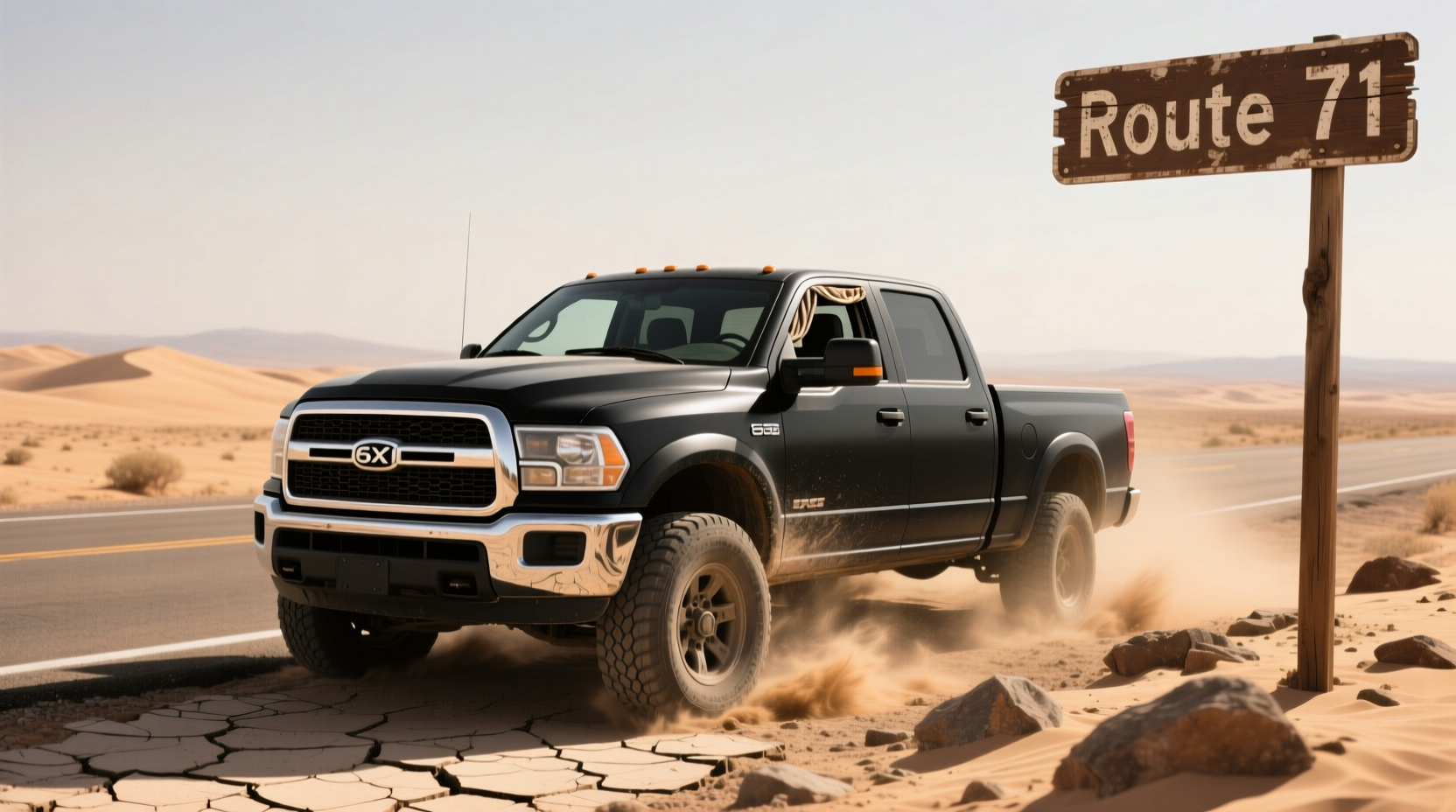
Converting a standard pickup truck into a 6x6 pickup truck is a complex but rewarding project for off-road enthusiasts and custom vehicle builders. The core of this transformation lies in the drivetrain modifications—especially the transfer case setup, axle integration, and chassis reinforcement. Whether you're considering a DIY conversion or evaluating pre-built models like military surplus 6x6 trucks, understanding the technical requirements, component compatibility, and regulatory implications is essential. This guide breaks down everything from sourcing parts such as Rockwell T-138 transfer cases to navigating legality concerns across regions.
What Is a 6x6 Pickup Truck?
A 6x6 pickup truck features six wheels with all three axles driven by the engine's powertrain. Unlike standard 4x4 pickups that send torque to two rear wheels and one front axle, a 6x6 system distributes power across three live axles—typically one front and two rear. This configuration enhances traction, load capacity, and stability on extreme terrain, making it ideal for heavy-duty off-roading, overlanding, or specialized industrial use.
The term "6x6" refers to six wheels total, with six being powered (all-wheel drive). While factory-made examples are rare outside military applications—such as the Mercedes-Benz G-Class 6x6—most 6x6 trucks today result from aftermarket conversions. These builds often start with full-size pickups like Ford F-350s, Chevrolet Silverados, or Toyota Land Cruisers, which provide robust frames and compatible drivetrains for modification.
Key Components of a 6x6 Conversion
Building a functional 6x6 requires more than just adding an extra axle. It demands precise engineering and integration of several critical components:
⚙️ Transfer Case: The Heart of Power Distribution
The transfer case is arguably the most crucial part of any 6x6 build. In a conventional 4x4, the transfer case splits engine output between front and rear axles. For a 6x6, you need either a dual-output transfer case or a custom-designed unit capable of sending power to two rear axles independently.
Some builders use a divorced transfer case setup, where a secondary gearbox is mounted behind the main transmission. This allows for staggered gear ratios and improved torque delivery to both rear axles. Popular donor units include the Military Rockwell T-138 used in M939-series 5-ton trucks, known for durability and high torque capacity 1. However, these require significant adaptation when fitted to civilian vehicles.
Alternatively, companies like Hero Transfer Case offer purpose-built 6x6 units designed specifically for modern trucks, featuring U.S.-made components and optimized gear reduction 2. These eliminate many compatibility issues but come at a higher cost.
🔧 Axles and Differentials
Selecting the right axles is vital for strength and reliability. Most 6x6 conversions utilize heavy-duty solid axles, often sourced from military or commercial trucks. Common choices include:
- Rockwell F110 or S110 axles (from 5-ton trucks)
- Dana 80 or Sterling 10.5" rear axles (for lighter builds)
- Custom fabricated independent suspension setups (rare, due to complexity)
Differential gearing must be matched across all three axles to prevent binding during turns. Limited-slip or locking differentials improve traction further, especially in mud or rock crawling scenarios. Some advanced builds incorporate electronic differential disconnects to allow switching between 4x4 and 6x6 modes depending on conditions.
🚚 Frame Modifications and Suspension
Adding a third axle significantly alters weight distribution and center of gravity. A reinforced frame extension is necessary to support the additional axle and maintain structural integrity. Many builders weld in C-channel extensions or fully boxed subframes to handle dynamic loads.
Suspension systems must also be upgraded. Long-travel leaf springs or custom coilover setups are typical, especially when aiming for maximum articulation. Air ride systems are gaining popularity for adjustable ground clearance and load leveling. Proper alignment geometry—including caster, camber, and toe settings—is critical after installation to ensure safe handling.
🔌 Driveshafts and U-Joints
Each axle needs its own driveshaft connected to the transfer case or inter-axle gearbox. Custom-length shafts with high-angle universal joints or CV-style ends accommodate suspension movement without binding. Double Cardan joints are recommended for steep angles, particularly at the front axle.
Intermediate shafts may be needed between tandem rear axles, especially if they’re not directly linked via a walking beam design. These require careful balancing and protective shielding to avoid failure under load.
🛒 Where to Source 6x6 Parts
Finding reliable components can be challenging. Here are the primary sources based on availability and budget:
| Component | Common Sources | Average Price Range | Notes |
|---|---|---|---|
| Transfer Case | eBay, Alibaba, specialty fabricators | $1,500–$5,000 | Rebuilt military units cheaper; custom units pricier but plug-and-play |
| Rear Axles | Scrap yards, military surplus, online marketplaces | $800–$3,000 each | Check for worn bearings and cracked housings |
| Frame Extensions | Custom metal shops, DIY fabrication | $500–$2,000 | Must match OEM steel grade and thickness |
| Driveshafts | Aftermarket suppliers, custom builders | $300–$1,200 each | CV joints preferred for high articulation |
Platforms like Alibaba.com list ISO-certified transfer cases suitable for Mercedes 6x6 trucks or firefighting ARFF vehicles, offering global shipping 3. However, buyers should verify specifications and request dimensional drawings before ordering.
🛠️ How to Build a 6x6 Pickup: Step-by-Step Overview
While every build varies, here’s a general workflow followed by experienced modifiers:
- Evaluate Donor Vehicle: Choose a truck with a strong frame, powerful engine, and available aftermarket support (e.g., Ford Super Duty, Dodge Ram 3500).
- Design Layout: Determine wheelbase extension, axle spacing, and whether to use tandem bogie suspension or independent third axle.
- Install Transfer Case: Modify or replace existing transfer case with a dual-output version; adapt mounting points and driveline angles.
- Extend Frame: Cut and weld frame rails to accommodate new axle position; reinforce crossmembers.
- Mount Rear Axle: Install second rear axle with proper spring perches or link brackets; plumb brake lines and ABS sensors if applicable.
- Connect Drivelines: Fabricate driveshafts; test rotation for smooth operation and minimal vibration.
- Integrate Electrical & Braking: Upgrade brake booster and proportioning valve; wire ABS module if retaining electronic controls.
- Final Alignment & Testing: Perform static alignment; conduct low-speed test drives to check for binding or instability.
YouTube channels like Dan Cameron and BASIN NATION showcase real-world builds using Land Cruiser platforms and custom axles, providing visual references for complex steps 4.
💰 Cost Considerations for a 6x6 Conversion
Total expenses vary widely based on approach:
- Budget Build (Used Military Parts): $15,000–$25,000
- Mid-Range (Hybrid OEM + Aftermarket): $30,000–$50,000
- Premium (Fully Custom, High-End Materials): $70,000+
Major cost drivers include labor (if outsourced), custom fabrication, and compliance upgrades (lighting, braking, registration). Keep in mind that insurance premiums may increase due to vehicle modifications.
⚖️ Are 6x6 Trucks Legal? Regulatory Challenges
Legality depends on jurisdiction. In the U.S., the National Highway Traffic Safety Administration (NHTSA) does not prohibit modified drivetrains, but states enforce their own rules regarding:
- Vehicle length and width limits
- Brake system performance standards
- Lighting and reflector placement
- Weight distribution and GVWR certification
For example, California’s DMV requires engineered certifications for major structural changes, while Texas has more lenient inspection policies. Always consult your local Department of Motor Vehicles before beginning a build.
In Europe, EU type approval regulations make unapproved conversions difficult to register unless they meet strict safety and emissions criteria. Countries like Germany allow historic vehicle exemptions, but daily drivers face tighter scrutiny.
✅ Advantages and Disadvantages of 6x6 Pickups
✨ Pros
- Unmatched Traction: All six wheels driving provides superior grip in sand, snow, and mud.
- High Load Capacity: Ideal for hauling equipment or supporting camper setups.
- Extreme Off-Road Capability: Excels in remote expeditions where recovery options are limited.
- Unique Design Appeal: Stands out in enthusiast circles and adventure communities.
❗ Cons
- High Build and Maintenance Costs: Parts are expensive and repairs require specialized knowledge.
- Poor Fuel Economy: Additional drivetrain friction and rolling resistance reduce MPG significantly.
- Maneuverability Issues: Longer wheelbase makes tight turns difficult, especially in urban areas.
- Limited Street Legality: May not pass inspections without extensive documentation.
🔍 Common Misconceptions About 6x6 Trucks
Several myths persist among newcomers:
- Myth: Any truck can be turned into a 6x6 easily.
Reality: Only vehicles with strong frames and compatible transmissions are viable candidates. - Myth: You can just bolt on another axle.
Reality: Requires complete drivetrain redesign, not just mechanical attachment. - Myth: 6x6 means better on-road handling.
Reality: Increased unsprung weight and longer chassis usually degrade highway stability. - Myth: They’re street-legal everywhere.
Reality: Registration varies by state/country; some jurisdictions classify them as commercial or off-road-only vehicles.
📌 Practical Tips Before Starting Your Build
Before investing time and money, consider these key tips:
- Start with a plan: Sketch axle positions, driveshaft angles, and frame layout before cutting metal.
- Verify part compatibility: Ensure transfer case output spline count matches input requirements of secondary gearbox.
- Test fit components first: Dry-assemble axles and driveshafts to identify interference points.
- Document modifications: Maintain records for potential resale or registration purposes.
- Join builder forums: Communities like Pirate4x4 or Expedition Portal offer peer advice and troubleshooting help.
📋 Frequently Asked Questions (FAQs)
- Can I convert my pickup into a 6x6 myself?
- Yes, but only if you have advanced mechanical skills, welding experience, and access to fabrication tools. Most successful DIY builds take 6–18 months.
- What is the best donor truck for a 6x6 conversion?
- Ford F-350/F-450 Super Duty, Dodge Ram 3500, or Toyota Land Cruiser 70 Series are popular due to strong frames and available parts.
- How much does a 6x6 transfer case cost?
- Prices range from $1,500 for rebuilt military units to over $5,000 for custom-built dual-output cases like those from Hero Transfer Case.
- Are 6x6 trucks street legal in the United States?
- It depends on the state. Some allow registration with proper lighting, braking, and VIN verification; others restrict them to off-road use only.
- Do 6x6 trucks get good fuel economy?
- No. Expect 8–12 MPG depending on engine size and tire load, compared to 15–18 MPG for standard 4x4 pickups.




 浙公网安备
33010002000092号
 浙B2-20120091-4