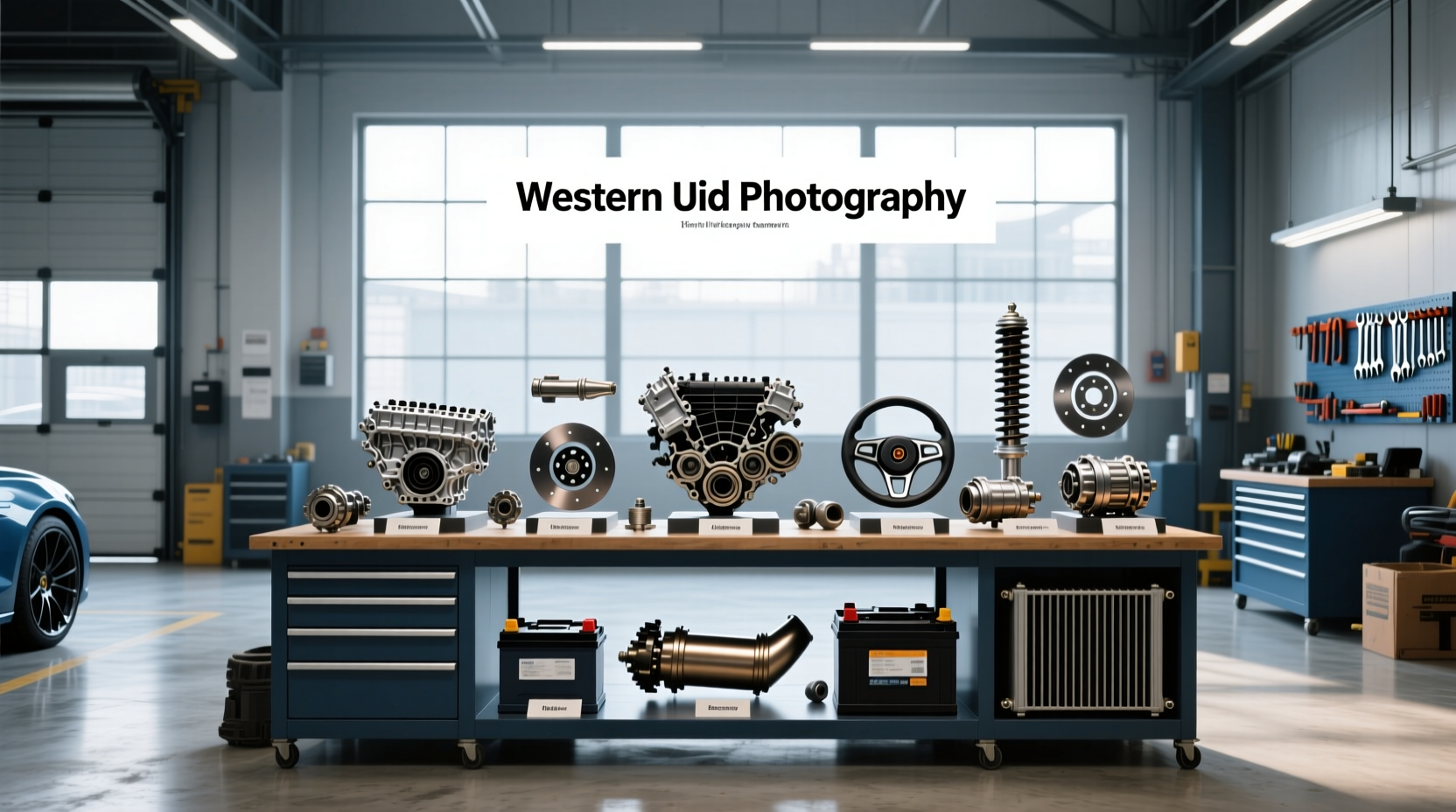
Looking for a comprehensive list of all car parts names with pictures? You're not alone. Whether you're a new driver, DIY mechanic, or just trying to understand what your mechanic is talking about, knowing the correct names of car components—and seeing them visually labeled—can make communication easier, help with repairs, and improve vehicle maintenance decisions. This guide delivers exactly that: a detailed, illustrated breakdown of major automotive parts by system, including exterior body panels, interior trims, window mechanisms, underhood components, and more—all clearly labeled and explained in plain language.
Why Knowing Car Part Names Matters
Understanding the names and functions of car parts isn't just for mechanics. It empowers owners to communicate more effectively during service visits, order correct replacement parts online, troubleshoot issues at home, and avoid being overcharged for unnecessary repairs. For example, confusing a window regulator with a window motor can lead to buying the wrong part and wasted time. With clear visuals and precise terminology, this guide bridges the knowledge gap between technical jargon and everyday understanding.
Car Exterior Body Parts: Names and Functions
The outer shell of a vehicle consists of multiple panels designed for aerodynamics, safety, and aesthetics. Below is a breakdown of common exterior car body parts with descriptions and real-world context.
| Part Name | Function | Common Issues |
|---|---|---|
| Hood (Bonnet) | Covers the engine compartment | Dents, misalignment, paint damage |
| Fender | Wheels well cover; protects from debris | Rust, cracks after impact |
| Bumper | Absorbs low-speed impacts | Cracks, sensor integration issues |
| Grille | Allows airflow to radiator | Clogging, UV degradation |
| Roof | Structural top panel; supports sunroof if present | Leaks, dents, rust |
| Taillight Assembly | Visibility and signaling rearward | Bulb failure, lens fogging |
| Quarter Panel | Sides between rear door and trunk | Damage in rear collisions |

Regional Naming Differences
Be aware that some terms vary by region. For instance:
- Hood (US) = Bonnet (UK)
- Trunk (US) = Boot (UK)
- Windshield (US) = Windscreen (UK)
Car Interior Components: Dashboard to Floor Mats
Inside the cabin, numerous parts contribute to comfort, control, and convenience. Familiarity with these helps identify wear points and upgrade opportunities.
Key Interior Parts
- Dashboard (Instrument Panel): Houses gauges, HVAC controls, infotainment screen.
- Steering Column: Connects steering wheel to steering gear; may include tilt/telescope mechanisms.
- Center Console: Storage area between front seats; often includes gear shifter and USB ports.
- Door Panels: Trim covering inner door structure; contains switches for windows, locks, mirrors.
- Headliner: Fabric ceiling lining; prone to sagging over time.
- Floor Mats: Protect carpeting; available in rubber, carpeted, or custom-fit styles.

Car Window System Parts: What Makes Windows Go Up and Down?
When someone searches for 'car window parts names with pictures', they’re often trying to fix a broken power window. The system involves several interdependent components.
Main Components of a Power Window System
- Window Glass (Pane): The visible glass section that moves up/down.
- Window Regulator: Mechanical assembly that lifts and lowers the glass. Can be cable-driven or scissor-type 1.
- Window Motor: Electric motor attached to the regulator; powers movement.
- Inner Door Panel: Plastic trim removed to access internal mechanisms.
- Weatherstripping: Rubber seals around the window to prevent water and noise entry.
- Switch Assembly: Located on driver’s door or center console; sends signal to motor.

Common Problems & How to Diagnose
If your window stops working:
- No sound when pressing switch → Check fuse, then test motor directly.
- Grinding noise → Likely worn gears in motor or damaged regulator.
- Window off-track → Misaligned glass in channel; requires realignment.
Different Types of Car Windows and Their Names
Cars have multiple types of glass panels, each serving a specific function. Knowing their correct names helps when ordering replacements.
List of Car Window Names
| Window Name | Location | Special Notes |
|---|---|---|
| Windshield (Windscreen) | Front | Laminated glass; critical for structural integrity |
| Front Side Windows (Door Glass) | Driver and passenger doors | Tempered glass; usually roll down |
| Rear Side Windows | Back doors | May be fixed or operable depending on model |
| Rear Window (Back Light) | Trunk or hatchback | Often has defroster lines; may include wiper |
| Sunroof / Moonroof | Roof above cabin | Electric or manual opening; adds ventilation |
| Vent Windows (Quarter Windows) | Front fenders or door frames | Small triangular windows; mostly older models |

Aftermarket vs OEM Glass
When replacing auto glass, you’ll encounter two main options:
- OEM (Original Equipment Manufacturer): Made by the same company that supplied the factory glass. Matches original specs exactly.
- Aftermarket: Produced by third parties. Often less expensive but may differ slightly in tint, thickness, or fit.
Mechanical and Under-Hood Components
Under the hood lies the heart of the vehicle. Understanding these parts aids in basic diagnostics and routine checks.
Essential Engine Bay Parts
- Battery: Provides electrical power to start engine and run accessories.
- Alternator: Charges battery while engine runs.
- Radiator: Cools engine coolant via airflow.
- Air Filter: Cleans air entering the engine.
- Engine Control Unit (ECU): Computer managing fuel injection, ignition timing, emissions.
- Brake Fluid Reservoir: Stores hydraulic fluid for braking system.
- Power Steering Reservoir: Holds fluid for steering assist (if hydraulic).

DIY Checks You Can Do Monthly
✅ Open the hood and inspect:- Fluid levels (oil, coolant, brake, power steering)
- Hoses for cracks or leaks
- Battery terminals for corrosion
- Belt tension and wear (serpentine belt)
Suspension and Chassis Parts
The suspension system ensures ride comfort and handling stability. Key parts include:
- Shock Absorbers: Dampen spring oscillations.
- Struts: Structural component combining shock and spring (common in front suspensions).
- Control Arms: Link steering knuckle to frame; allow vertical movement.
- Sway Bar (Stabilizer Bar): Reduces body roll during cornering.
- Ball Joints: Pivot points connecting control arms to steering knuckles.
Exhaust System Components
This system routes exhaust gases away from the engine and reduces noise and emissions.
- Manifold: Collects exhaust from cylinders.
- Catalytic Converter: Reduces harmful emissions (CO, NOx, hydrocarbons).
- Muffler: Suppresses engine noise.
- Resonator: Fine-tunes sound frequency.
- Tailpipe: Exits exhaust from vehicle.
Electrical System Overview
Modern cars rely heavily on electrical systems. Main elements include:
- Fuses: Protect circuits from overload; located in multiple boxes (under hood, inside cabin).
- Relays: Switch high-current devices like fans or starter motors.
- Wiring Harness: Bundled wires running throughout the car.
- Sensors: Monitor parameters like oxygen level, temperature, speed.
How to Use This Guide for Repairs or Part Replacement
Whether you're repairing a broken window or replacing a damaged fender, follow this process:
- Identify the exact part using visual diagrams and naming conventions.
- Determine if it’s mechanical, electrical, or cosmetic—this affects repair complexity.
- Check part number via owner’s manual or dealership lookup using VIN.
- Decide: Repair vs Replace. Some parts (like regulators) are cheaper to replace than rebuild.
- Verify compatibility if buying aftermarket or used parts.
Common Misconceptions About Car Parts
Let’s clarify some frequent misunderstandings:
- Misconception: "All window motors are the same."
Reality: Motors vary by make, model, and whether the regulator is integrated. - Misconception: "The bumper absorbs all crash energy."
Reality: Modern bumpers mainly protect against minor scrapes; crumple zones handle major impacts. - Misconception: "Interior trim is just for looks."
Reality: Door panels house wiring, speakers, and airbag sensors in some models.
Where to Find Reliable Parts Diagrams
For accurate identification, consult:
- Vehicle Owner’s Manual: Includes basic diagrams and part names.
- Manufacturer Service Portals: Offer exploded views (e.g., BMW ISTA, Toyota TIS).
- Auto Body Parts Websites: Sites like Raybuck or AutoZone provide interactive body panel diagrams 2.
- YouTube Repair Videos: Visual walkthroughs showing disassembly and part layout.
Conclusion
Knowing all car parts names with pictures simplifies communication, improves maintenance, and supports informed decision-making. From exterior panels like fenders and bumpers to intricate window regulators and under-hood components, each part plays a role in performance, safety, and comfort. By studying labeled diagrams, understanding regional naming variations, and learning how systems work together, you gain confidence in managing your vehicle’s care—whether it’s diagnosing a faulty power window or preparing for a restoration project.
Frequently Asked Questions
- What are the parts of a car window system?
- The main parts include the window glass, window regulator, window motor, inner door panel, weatherstripping, and switch assembly. The regulator and motor work together to raise and lower the glass.
- What are the 10 parts of a window?
- While configurations vary, ten related components are: glass pane, regulator, motor, track/channel, balance rails, felt channels, master switch, fuse, wiring harness, and door seal. Not all are strictly "of" the window but enable its operation.
- What are the names of the windows in a car?
- Common names include windshield, front side windows, rear side windows, rear window (backlight), sunroof/moonroof, and vent windows (quarter windows). Each serves a distinct purpose in visibility and ventilation.
- What are the things that go on car windows?
- Items installed on or near windows include tint film, rain guards, antennas, wiper blades, defrosters, sensors (for rain/light detection), and camera mounts (e.g., for dashcams).
- Can I replace a window regulator myself?
- Yes, with basic tools and safety precautions. You’ll need to remove the door panel, disconnect the old regulator, attach it to the new one, and test before reassembly. However, improper installation can damage glass or motor.




 浙公网安备
33010002000092号
 浙B2-20120091-4