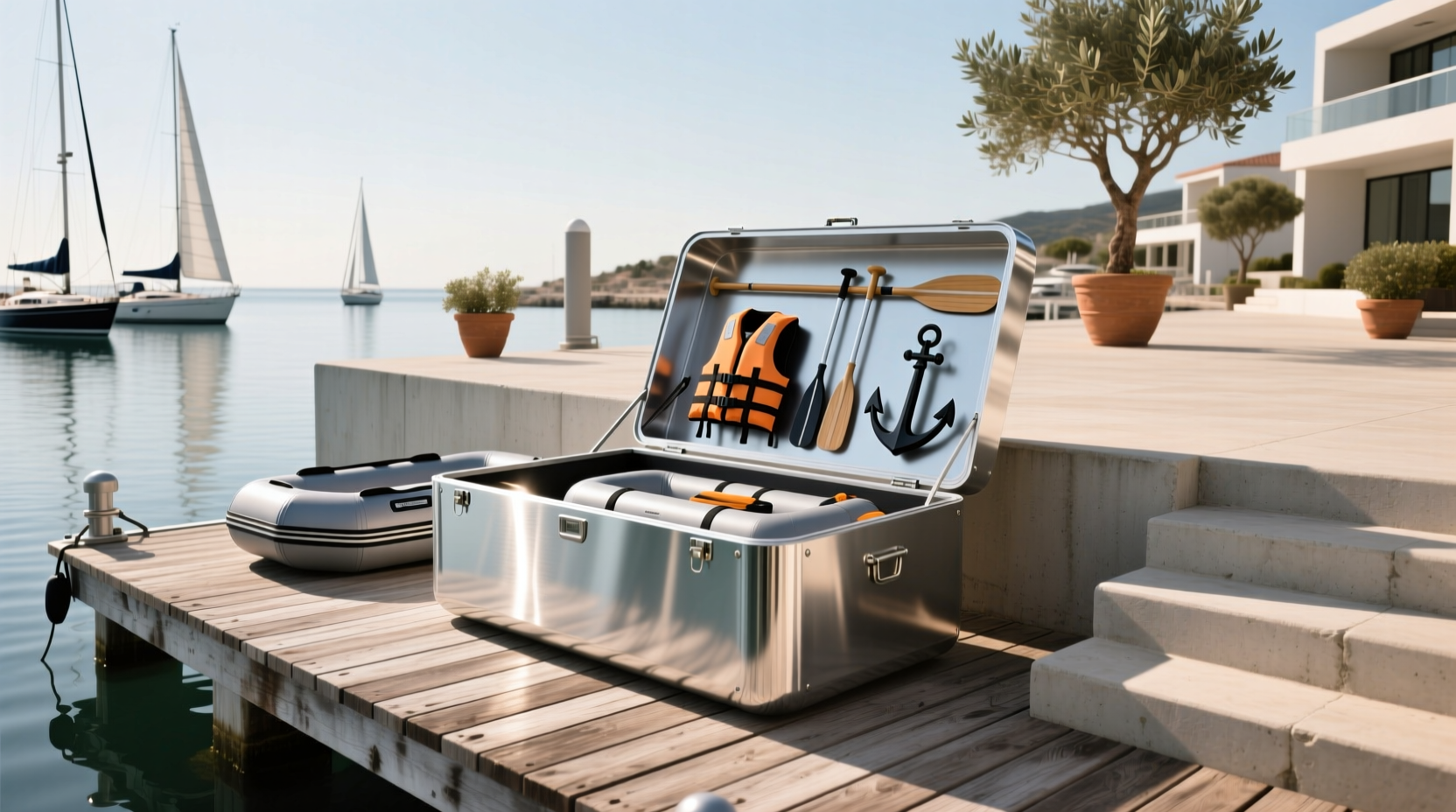
When searching for durable, corrosion-resistant storage solutions on boats, an aluminum boat box stands out as a top choice among marine professionals and recreational boaters alike. These rugged containers serve dual purposes—functioning as both seating platforms and secure storage units—making them especially valuable on fishing vessels, guide boats, and small craft where space is limited. Unlike plastic or fiberglass alternatives, aluminum boat boxes offer superior strength, longevity, and resistance to saltwater environments ✅. In this comprehensive guide, we’ll explore why aluminum is preferred for marine-grade seat and storage boxes, examine common designs and configurations, break down material specifications, and help you evaluate whether an aluminum box meets your specific boating needs.
Why Choose an Aluminum Boat Box?
Marine environments are harsh. Constant exposure to UV radiation, moisture, temperature fluctuations, and salt spray demands materials that won’t degrade quickly. This is where aluminum excels. An aluminum boat box is engineered to withstand these conditions without rusting, warping, or losing structural integrity over time 🔧.
One of the primary reasons boaters opt for aluminum construction is its natural resistance to corrosion. When properly finished (typically with powder coating or anodizing), marine-grade aluminum forms a protective oxide layer that prevents pitting and galvanic corrosion—a critical advantage in saltwater applications 🌍. Compared to steel, which requires extensive anti-rust treatment, or wood, which rots when exposed to moisture, aluminum offers minimal maintenance with maximum durability.
Beyond corrosion resistance, aluminum provides an excellent strength-to-weight ratio. While not quite as strong as steel, it’s significantly lighter, making it ideal for mounting on smaller vessels where weight distribution affects performance and fuel efficiency ⚖️. Additionally, aluminum can be welded into complex shapes, allowing manufacturers to create integrated seat bases, reinforced lids, and custom-fit storage compartments tailored to specific boat models.
Common Uses of Aluminum Boat Boxes
Aluminum boat boxes are most commonly used in three main roles: as bench seats, storage enclosures, and hybrid units combining both functions. Each application serves distinct operational needs, particularly in workboats, fishing charters, and personal watercraft.
1. Seating with Built-in Storage
The most popular configuration is the hinged seat box—a fully enclosed aluminum container topped with a padded seat cushion. The lid opens upward via stainless-steel hinges, revealing a dry, lockable compartment underneath 💼. This design is widely used in center console boats, jon boats, and bay boats, where crew seating doubles as gear storage.
These boxes typically measure between 36” to 60” in length, accommodating two or more passengers. Internal dimensions vary but often range from 18” to 24” in depth and height, providing ample room for life jackets, tools, electronics, or fishing tackle. Some premium models include internal dividers, removable trays, or even built-in rod holders 🎣.
2. Standalone Storage Compartments
In larger vessels or commercial setups, standalone aluminum storage chests are mounted along gunwales or under consoles. These don’t serve as seating but provide weatherproof access to essential equipment. They’re often lockable and may feature drainage plugs or ventilation options depending on their intended contents.
Such boxes are frequently found on guide boats, rescue craft, and patrol vessels where organized, rapid-access storage is crucial. Their modular nature allows for multiple units to be installed side-by-side, creating a seamless deck layout while maintaining clean lines and unobstructed movement 👥.
3. Custom Work Platforms
Some operators use aluminum boxes as elevated foot platforms or lean bars. By reinforcing the top surface and adding non-slip treads, these units become functional workstations during navigation or fishing operations. Though less common, this adaptability highlights the versatility of well-designed aluminum enclosures.
Key Design Features to Look For
Not all aluminum boat boxes are created equal. Several design elements determine long-term reliability, usability, and safety. Here’s what to inspect before purchasing or installing one:
Material Grade and Thickness
Marine-grade aluminum alloys—such as 5052, 5083, or 6061—are standard in quality builds. These alloys contain magnesium or silicon additives that enhance corrosion resistance and weldability 🏭. Avoid generic “aluminum” claims without specifying alloy type.
Wall thickness matters too. Most durable boxes use 1/8” (3.2mm) or thicker plate for sides and lids. Thinner gauges may dent easily or flex under load, compromising seal integrity. Check manufacturer specs for exact measurements and confirm if corners are double-welded for added rigidity.
Lid Mechanism and Hinges
A smooth-operating hinge system ensures years of trouble-free use. Stainless steel hinges (preferably 316-grade) resist saltwater corrosion better than cheaper alternatives. Look for full-length continuous hinges rather than discrete pivot points—they distribute stress evenly and reduce wear.
Lid support mechanisms like gas struts or spring-loaded stays prevent accidental closure, enhancing safety during retrieval of stored items ⚠️. Integrated lanyards or tether cables (as seen in some Stevens Marine and Prowave models) also prevent lids from slamming shut in rough seas.
Sealing and Waterproofing
A truly waterproof box uses a compressible rubber gasket around the lid perimeter. When closed, the latch applies even pressure across the seal, preventing water ingress during waves or heavy rain 🌊. Test this by checking whether the lid sits flush and compresses the gasket uniformly.
Drainage features should also be considered. Some boxes include small weep holes at the bottom to release condensation without allowing external water entry. Others rely solely on airtight seals, which work well unless subject to prolonged immersion.
Locking and Security
For boats left unattended, lockable latches are essential. T-handle locks with replaceable cores offer better security than simple twist latches. Some high-end models integrate padlock-compatible hasps or recessed locks to deter tampering.
If storing valuables like GPS units or fishing electronics, consider pairing the box with additional anchor points inside for securing items with bungee cords or tie-down straps 📎.
Surface Finish and Grip
The exterior finish impacts both appearance and function. Powder-coated surfaces resist chipping and fading better than paint. Textured finishes like aluminum checker plate improve traction and reduce slipping risks, especially when wet ✨.
Interior surfaces should be smooth and easy to clean. Avoid sharp edges or protruding fasteners that could damage stored gear or injure users during access.
Custom vs. Pre-Fabricated Aluminum Boat Boxes
Buyers face a decision between off-the-shelf units and custom-built solutions. Both have merits depending on budget, timeline, and compatibility requirements.
Pre-Fabricated Options
Manufacturers like Headwaters Marine, Oceansouth, and Hooker Boatworks offer standardized sizes that fit common boat layouts 🛒. These are usually more affordable and ship faster than custom versions. Many come with optional upgrades such as extra shelving, LED lighting, or upholstery packages.
However, pre-made boxes may not align perfectly with irregular hull shapes or unique cockpit dimensions. Misalignment can lead to poor weight distribution or awkward ergonomics. Always verify mounting hole patterns and clearance before ordering.
Custom Fabrication
For optimal integration, custom aluminum boat boxes are fabricated to match exact vessel blueprints. This approach allows for curved edges, angled backs, or multi-tiered configurations that blend seamlessly into the boat’s architecture 🧰.
Custom builds typically cost more and require longer lead times (often 4–8 weeks). But they ensure perfect fitment, maximize usable space, and allow personalized touches like engraved nameplates or color-matched finishes. Ideal for refits, restorations, or high-performance craft where every inch counts.
Installation Best Practices
Even the best aluminum boat box will fail prematurely if improperly installed. Follow these guidelines to ensure safe, long-lasting performance:
- Use Marine-Grade Fasteners: Never use regular steel bolts. Opt for stainless steel (316 SS) or titanium hardware with proper sealing washers to prevent galvanic corrosion 🔗.
- Mount on Structurally Sound Areas: Attach boxes only to reinforced stringers or bulkheads—not just the deck skin. Weak mounts can crack under vibration or impact.
- Seal All Penetrations: Apply marine silicone or polysulfide sealant around bolt holes to prevent water intrusion below deck 🧼.
- Ensure Proper Ventilation (if needed): If storing batteries or chemicals, confirm the box isn’t completely airtight unless designed for hazardous materials.
- Check Weight Distribution: Large boxes filled with gear can shift the boat’s center of gravity. Distribute weight evenly port-to-starboard and avoid placing heavy units too far aft.
Comparison: Aluminum vs. Fiberglass vs. Plastic Boxes
To make an informed decision, let’s compare aluminum boat boxes against other common materials:
| Feature | Aluminum | Fiberglass | Rotomolded Plastic |
|---|---|---|---|
| Corrosion Resistance | Excellent (with proper finish) | Good | Excellent |
| Impact Strength | High (but can dent) | Moderate (can crack) | Very High |
| Weight | Medium | Heavy | Light |
| Maintenance | Low | Moderate (gel coat upkeep) | Very Low |
| Lifespan | 20+ years | 15–20 years | 10–15 years |
| Cost | $$$ | $$ | $ |
| Repairability | Weldable | Resin repair possible | Limited |
As shown, aluminum strikes a balance between durability, service life, and repairability. While rotomolded plastic boxes (like those from Lund or Ranger) are cheaper and nearly indestructible, they lack the structural rigidity and premium feel of metal. Fiberglass units integrate well aesthetically but are prone to cracking under stress and harder to modify post-installation.
Regional Considerations and Climate Impact
Where you operate your boat influences the suitability of aluminum components. In freshwater lakes, aluminum performs exceptionally well with minimal care. However, in brackish or saltwater zones—especially coastal regions like Florida, Washington State, or the UK—you must take extra precautions.
Galvanic corrosion occurs when dissimilar metals (e.g., aluminum and bronze propellers) are electrically connected underwater. To prevent this, install sacrificial zinc anodes and isolate aluminum boxes from direct contact with copper-based fittings ⚡. Regular rinsing with fresh water after each outing also extends lifespan significantly.
In colder climates, freezing temperatures can affect seal elasticity. Ensure gaskets remain flexible down to at least -20°C (-4°F). In tropical areas, UV degradation of powder coatings may accelerate; choose UV-stable finishes and consider shade covers during extended dock periods ☀️.
Common Misconceptions About Aluminum Boat Boxes
Despite their popularity, several myths persist about aluminum marine boxes:
- Myth: Aluminum always corrodes in saltwater. Truth: Marine-grade alloys with proper finishing resist corrosion effectively. With routine maintenance, they last decades.
- Myth: They’re too expensive for casual boaters. Truth: While upfront costs are higher, the long-term value (durability, low maintenance) often justifies investment.
- Myth: You can’t paint or modify them. Truth: Aluminum accepts paint well with proper priming. Welding and drilling are feasible for experienced fabricators.
- Myth: All aluminum boxes are the same. Truth: Quality varies widely. Cheaper imports may use thin gauge metal or substandard welds. Inspect craftsmanship carefully.
How to Evaluate Quality Before Purchase
Before committing to a purchase, assess the following indicators of quality:
- Weld Quality: Smooth, consistent weld beads indicate skilled fabrication. Spatter or gaps suggest rushed workmanship.
- Finish Uniformity: Coating should be even, with no thin spots or bubbling.
- Hardware Quality: Latches, hinges, and fasteners should feel solid, not flimsy.
- Documentation: Reputable suppliers provide spec sheets detailing alloy type, wall thickness, and load ratings.
- Customer Support: Can you reach the manufacturer with technical questions? Do they offer replacement parts?
Whenever possible, inspect a physical unit or request detailed photos showing joints, underside, and interior structure. Online reviews and forum discussions (such as those on iboats.com or The Hull Truth) can also reveal real-world performance insights 🔍.
Frequently Asked Questions (FAQs)
Here are answers to common follow-up questions about aluminum boat boxes:
- Can I install an aluminum boat box myself?
- Yes, many owners successfully DIY-install these units using basic tools and marine sealants. However, improper mounting can compromise safety and water integrity. If unsure, consult a professional marine technician.
- Are aluminum boat boxes worth the extra cost?
- For boats used regularly in demanding conditions, yes. Their longevity and resilience often offset initial costs over time compared to replacing plastic or fiberglass units.
- How do I maintain an aluminum boat box?
- Rinse with fresh water after saltwater use, inspect seals annually, lubricate hinges periodically, and touch up scratches promptly to prevent oxidation.
- Can I get a custom-sized aluminum box?
- Yes, many fabricators offer made-to-order boxes. Provide precise measurements and usage requirements for accurate quoting.
- Do aluminum boxes interfere with electronics?
- No, aluminum does not block GPS or radio signals unless fully enclosing antennas. Keep transducers and antennas outside sealed compartments.




 浙公网安备
33010002000092号
 浙B2-20120091-4