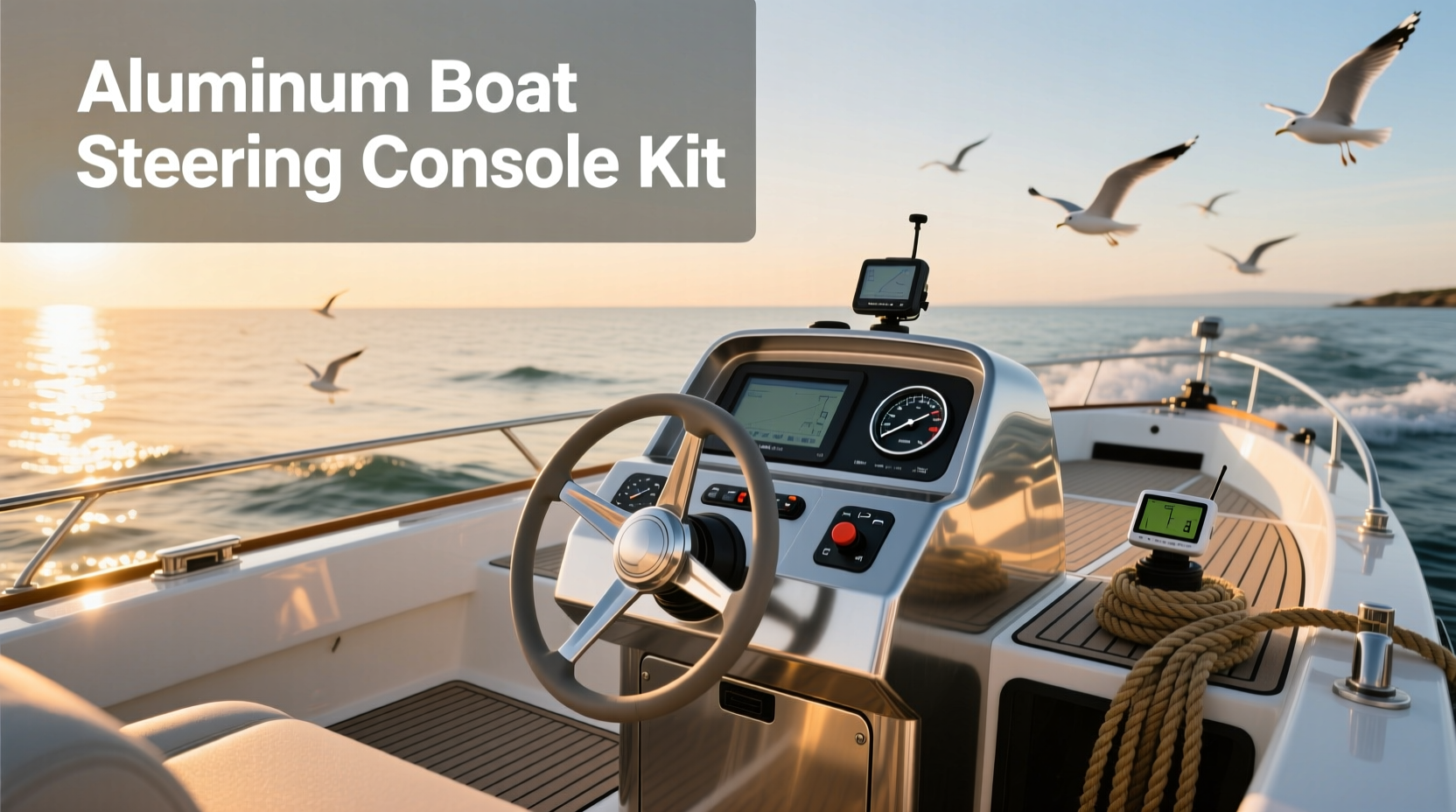
When upgrading or building a small aluminum boat—especially inflatables like RIBs, jon boats, or dinghies—an aluminum boat steering console kit is often essential for improved control, comfort, and functionality. These kits typically include the mounting structure (console), steering system components (cable, helm, wheel), throttle integration, and space for gauges or electronics. Choosing the right one involves understanding your boat’s size, motor type, intended use, and whether you need mechanical or hydraulic steering ⚙️.
Why Upgrade to a Steering Console on an Aluminum Boat?
Many small aluminum boats come without a proper helm station, forcing operators to steer manually using tiller controls. While simple, this setup limits comfort, precision, and long-term usability—especially in choppy water or during extended trips ❗. Installing a dedicated steering console kit for inflatable or aluminum boats transforms how you operate the vessel by providing:
- Forward-facing operation: Sit behind a full console and face forward, improving visibility and ergonomics ✅
- Better throttle and shift control: Integrated levers allow smooth adjustments without removing hands from the wheel 🔧
- Space for instruments: Mount GPS, depth finders, VHF radios, or battery switches directly on the console 📎
- Improved safety: More stable handling at higher speeds or in rough conditions ⚡
- Cleaner layout: Organize cables, hoses, and wiring within the console structure 🧼
This makes a center console kit for inflatable boats not just a convenience upgrade but a functional necessity for serious boaters.
Components of a Complete Aluminum Boat Steering Console Kit
A full boat steering console system isn’t just a single part—it's an integrated assembly designed to support safe and efficient navigation. Most kits contain several key elements:
1. Console Structure (Housing)
The physical frame that holds everything together. In aluminum boat console kits, this may be made from marine-grade aluminum, rotomolded plastic, or fiberglass-reinforced composites. Aluminum offers rigidity and corrosion resistance when properly treated with powder coating or anodizing 🌍.
Key features to check:
- Durability under UV exposure and saltwater
- Mounting options (through-bolt vs. adhesive pads)
- Internal cavity size for routing cables
- Gauge cutouts (common sizes: 52mm, 67mm)
- Compatibility with seat bases or pedestals
2. Steering Mechanism Type
This determines how input from the wheel translates to rudder movement. Two primary systems exist:
| Type | Best For | Pros | Cons |
|---|---|---|---|
| Mechanical Rotary | Boats up to 25 HP, under 18 ft | Simple design, low cost (~$100–$200), easy DIY install | Limited reach, friction over long cables, wear over time |
| Hydraulic | Boats over 25 HP or 18+ ft | Smoother turning, longer cable runs, handles high torque | Higher cost ($300+), bleeding required, more complex maintenance |
For most users searching for a replacement steering system for inflatable boats, mechanical rotary kits are sufficient if engine power stays below 25 HP.
3. Steering Cable Length & Diameter
Cables usually range from 8 to 20 feet depending on boat length. A mismatched cable can cause slack, binding, or inability to turn fully. Standard diameters are 3/4 inch for smaller motors. Always measure distance from console location to transom before ordering.
4. Steering Wheel and Hub
Wheels vary in diameter (typically 9”–13”) and grip style. Larger wheels reduce effort; destroyer-style grips offer better leverage. Ensure hub compatibility with your chosen steering system (e.g., Uflex, SeaStar Solutions).
5. Throttle/Shift Integration
Some outboard steering console kits include dual-function controls combining steering and engine management. Others require separate purchase. Match lever type to your motor brand (Mercury, Yamaha, etc.).
How to Select the Right Kit for Your Boat Type
Not all aluminum boat steering consoles fit every vessel. Consider these factors:
Boat Size and Weight
Kits rated for 12–16 ft boats won’t handle larger vessels. Exceeding weight or length specs leads to poor responsiveness or mechanical failure. Check manufacturer recommendations carefully.
Motor Compatibility
Verify whether your outboard uses rotary or rack-and-pinion steering. Most small-to-midsize engines use rotary systems compatible with universal kits. High-thrust motors may require hydraulic setups.
Installation Environment
Saltwater use demands stainless steel hardware and sealed bearings. Freshwater applications have more flexibility. Look for UV-resistant plastics and powder-coated metals to prevent degradation.
Budget Range and Value
As seen across retail listings, prices vary widely:
- Under $150: Basic mechanical kits (e.g., VEVOR, generic brands) – suitable for casual use ⏱️
- $150–$300: Mid-tier kits with better materials and warranties (e.g., Uflex Rotech) ✨
- $300+: Hydraulic or branded systems (Dometic, SeaStar) for heavy-duty or commercial use 🏭
Don’t assume cheaper means worse—many budget kits work well for weekend anglers or tender duties.
Common Installation Mistakes to Avoid
Even experienced DIYers make errors when installing a DIY boat steering system. Here are frequent issues:
Incorrect Cable Routing
Sharp bends or kinks increase friction and shorten lifespan. Follow the manufacturer’s minimum bend radius (usually 6–8 inches). Use guide clamps every 12–18 inches along the run.
Poor Console Mounting
On inflatable boats, consoles must anchor into the floor or tube collar—not just sit on air chambers. Use through-hull bolts with backing plates to distribute load and prevent tearing.
Misaligned Steering Linkage
If the motor arm isn't aligned with the cable end, it causes binding. Center the motor straight back before attaching the linkage. Test full lock-to-lock motion before final tightening.
Ignoring Tiller Arm Clearance
Ensure the tiller arm has room to swing freely without hitting fuel tanks, seats, or other obstructions.
Can You Install a Steering Console on an Inflatable Boat?
Yes—many RIBs and inflatable pontoons benefit from added steering stations. However, stability depends on structural support. An inflatable boat center console kit should attach to a rigid deck or aluminum floor panel, not soft fabric alone. Brands like BoatsTogo and Defender Marine offer models specifically engineered for inflatables with reinforced bases 1.
Also consider weight: adding a full console and steering system may add 30–50 lbs. Confirm your boat's payload capacity allows for this without compromising freeboard or balance.
Replacement vs. New Installation: What’s Different?
If replacing an old system, verify compatibility between new and existing parts:
- Does the new cable match the old length and connection type?
- Is the wheel hub splined the same way?
- Will gauge openings align with current instruments?
In some cases, mixing components from different manufacturers works—but always test dry-fit first. Universal standards help, but tolerances vary.
Where to Buy Reliable Aluminum Boat Steering Console Kits
While platforms like eBay or Temu list many options, prioritize suppliers offering:
- Detailed product specifications
- Marine-grade material certifications
- Customer service and return policies
- Real user reviews discussing long-term performance
Specialty marine retailers such as West Marine, Defender Marine, or MaviMare provide vetted products with technical support. Alibaba.com also hosts numerous OEM manufacturers producing custom or bulk aluminum boat console kits with CE certification 2.
DIY vs. Professional Installation: When to Hire Help
Simple mechanical kits can be self-installed in 2–4 hours with basic tools. Hydraulic systems, however, often require bleeding procedures and precise alignment best handled by professionals. If you're uncertain about routing cables through bulkheads or sealing penetrations against water ingress, consult a marine technician.
Tips for Maintaining Your Steering System
To extend life and ensure smooth operation:
- Rinse with fresh water after saltwater use 🌐
- Lubricate pivot points annually with marine grease
- Inspect cable ends and linkages for corrosion or play
- Check wheel tightness and damping ring condition
- Store covered or indoors when possible
Final Checklist Before Buying
Before purchasing any aluminum boat steering console kit, confirm the following:
- ✅ Boat length and motor horsepower are within kit specifications
- ✅ Cable length matches your console-to-transom measurement
- ✅ Console material suits your environment (salt/freshwater, sun exposure)
- ✅ Includes necessary mounting hardware or specify what you’ll need
- ✅ Compatible with your engine’s steering mechanism (rotary/rack)
- ✅ Has space for desired electronics or switches
- ✅ Warranty and return policy are clearly stated
Frequently Asked Questions
- Can I convert my tiller-controlled boat to remote steering?
- Yes, provided your motor supports it and you install a compatible outboard steering system kit. Most engines 9.9 HP and above can be adapted using rotary or hydraulic systems.
- What size steering wheel should I choose?
- Smaller boats (under 16 ft) typically use 9”–11” wheels. Larger vessels benefit from 12”–13” wheels for reduced turning effort. Match hub spline count to your steering cable.
- Do I need hydraulic steering for my 25 HP aluminum boat?
- Not necessarily. Many 25 HP motors work well with quality mechanical rotary systems, especially on boats under 18 feet. Hydraulic becomes advisable for heavier loads or frequent offshore use.
- How do I know if a console fits my inflatable boat?
- Look for kits designed specifically for inflatables with wide base mounts and compatibility with drop-stitch floors. Verify attachment method matches your boat’s construction.
- Are aluminum consoles better than plastic ones?
- Aluminum offers greater strength and heat resistance but may corrode if not coated. Rotomolded plastic resists UV and impact well and is lighter. Choice depends on usage intensity and environment.




 浙公网安备
33010002000092号
 浙B2-20120091-4