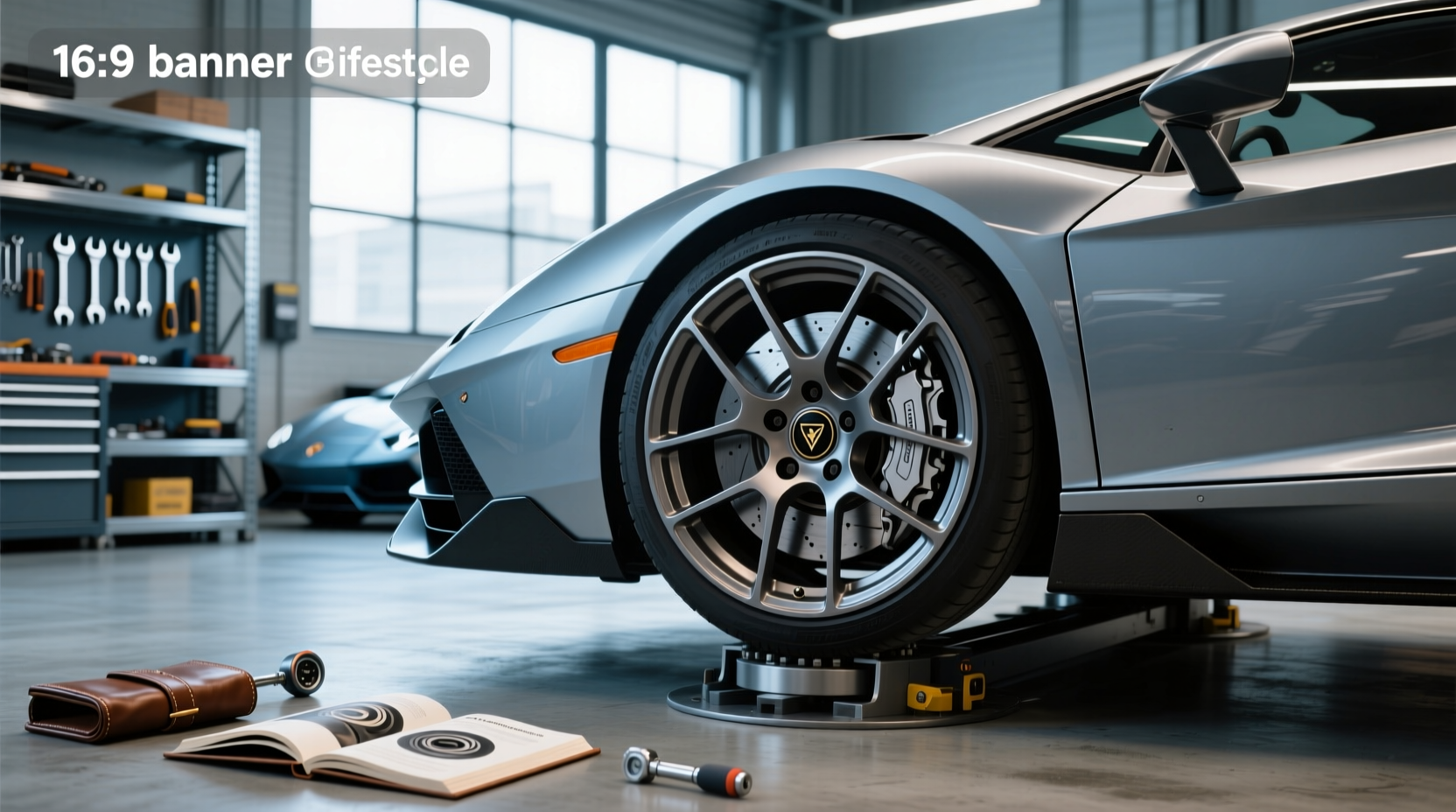
For car owners searching for ways to enhance visual appeal without major modifications, aluminum brake caliper covers have become a popular aftermarket upgrade. These lightweight accessories fit over existing brake calipers to improve aesthetics, often mimicking high-performance branded calipers like Brembo or Endless. While they don’t boost braking performance, many drivers choose them for their sleek finish, corrosion resistance, and ease of installation. However, concerns about heat retention, improper fitment, and long-term durability are common. This guide breaks down everything you need to know—how they work, which vehicles they suit, potential drawbacks, and key buying considerations—to help you decide if aluminum caliper covers are right for your vehicle.
What Do Aluminum Brake Caliper Covers Actually Do?
At their core, aluminum brake caliper covers serve a primarily cosmetic function. They attach over the original equipment manufacturer (OEM) brake calipers using clips, screws, or proprietary fastening systems, creating the appearance of upgraded performance brakes. Made from aerospace-grade or T6061 aluminum, these covers are precision-machined or cast to replicate the look of multi-piston racing calipers. Unlike plastic alternatives, genuine aluminum versions offer better heat dissipation and structural integrity 1.
Some manufacturers claim additional benefits such as dust resistance and minor thermal shielding. In reality, while the metal can act as a partial barrier against road grime, it does not significantly reduce brake fade or cooling efficiency. The primary value remains aesthetic enhancement—especially for show cars, daily drivers seeking a sportier profile, or restomod builds aiming for a factory-performance look.
How Do They Differ From Plastic or Steel Versions?
Not all caliper covers are created equal. Understanding material differences is crucial when evaluating options:
- Plastic ABS Covers: Often cheaper and lighter, but prone to warping under high temperatures. Over time, exposure to brake heat can cause cracking or discoloration. They also lack the premium feel of metal.
- Steel or Chrome Covers: Heavier than aluminum and more susceptible to rust unless properly coated. While durable, they add unsprung weight and may interfere with brake ventilation. \li> Aluminum Covers: Offer the best balance of weight, strength, and thermal conductivity. Anodized or powder-coated finishes resist corrosion and come in colors like red, black, blue, and silver. Properly designed models allow airflow around critical components.
The distinction matters because misleading product listings sometimes label low-cost zinc or alloy parts as “aluminum.” True billet or die-cast aluminum ensures longevity and dimensional accuracy, especially important given the tight tolerances near rotating brake assemblies.
Are Aluminum Caliper Covers Safe? Debunking Common Myths
Safety concerns frequently arise with any modification that interfaces with braking systems. Let’s address the most common questions:
Myth: Covers Trap Heat and Cause Brake Fade
While enclosing any hot component raises theoretical concerns, well-designed aluminum covers do not fully seal the caliper. Most feature vented sides or cutouts that permit airflow. Aluminum itself conducts heat efficiently, meaning it can actually help draw warmth away from localized spots on the caliper body. However, poorly fitted or solid-back designs could restrict cooling channels—so proper fitment verification is essential.
Myth: They Interfere With Brake Function
Reputable brands engineer covers to maintain clearance between moving parts, brake lines, and suspension components. That said, universal-fit models carry higher risk of interference compared to application-specific units. Always check for rotor, pad, and hose clearance after installation. Never install covers that require modifying OEM hardware or compressing flexible brake hoses.
Myth: They’re Illegal or Void Warranty
In most North American and European markets, cosmetic caliper covers are legal as long as they don’t alter brake performance or obstruct access during service. They typically don’t void powertrain warranties unless damage occurs due to improper installation. Still, some dealers may refuse to service modified brake areas—a point worth discussing before purchase.
Compatibility: Will They Fit Your Vehicle?
Fitment is one of the biggest challenges with aluminum caliper covers. Two main types exist:
- Application-Specific (Direct-Fit): Designed for particular makes and models (e.g., Toyota Tundra 2022–2026, BMW i8). These usually bolt on securely with minimal adjustment and offer optimal clearance.
- Universal-Fit: Marketed as adaptable to various vehicles via adjustable brackets or multiple mounting points. These require careful measurement and trial fitting. Misalignment can lead to rubbing, vibration, or dislodging at speed.
To determine compatibility:
- Measure your caliper width, height, and mounting bolt pattern.
- Check wheel inner diameter—covers must clear spokes and rims.
- Verify whether your caliper has protruding sensors, bleeder valves, or banjo fittings that might conflict.
- Consult fitment databases or community forums for real-world user feedback.
Even slight mismatches can compromise safety. If specs aren't published by the seller, request CAD drawings or physical samples before committing.
Installation Process: What to Expect
Installing aluminum brake caliper covers typically requires basic mechanical skills and common tools. Here's a general outline:
- Lift and secure the vehicle using jack stands. Remove the wheel to access the caliper.
- Clean the caliper surface thoroughly with brake cleaner to ensure adhesion for clip-based models.
- Dry-fit the cover without fasteners to confirm alignment and clearance.
- Attach using provided hardware—usually stainless steel clips, bolts, or spring retainers. Avoid over-tightening.
- Reinstall the wheel and torque lug nuts to specification.
- Inspect after first drive for looseness, noise, or contact marks.
Time required: ~20–45 minutes per wheel depending on complexity. Some kits include detailed video tutorials, which can be helpful for first-time installers 2. Professional installation costs $80–$150 labor, making DIY an attractive option for cost-conscious buyers.
Performance vs. Aesthetics: Setting Realistic Expectations
It’s vital to understand that aluminum brake caliper covers do not improve stopping distance, pedal feel, or brake modulation. Any claims suggesting otherwise are misleading. True performance gains come from larger rotors, high-friction pads, or multi-piston calipers—not decorative shrouds.
However, there are secondary advantages:
- Corrosion Protection: Shields OEM calipers from salt, moisture, and brake dust buildup, preserving resale value.
- Ease of Cleaning: Smooth surfaces are easier to wipe down than intricate OEM caliper fins.
- Customization: Available in multiple colors and finishes to match interior trim or branding preferences.
If your goal is visual impact rather than functional improvement, aluminum covers deliver reliably—provided quality and fitment are prioritized.
Pricing and Value: What Influences Cost?
Prices range widely—from $40 for generic universal sets to over $250 for brand-name direct-fit kits. Key cost drivers include:
| Factor | Impact on Price | Notes |
|---|---|---|
| Material Quality | +$30–$80 | Billet aluminum > cast > alloy/composite |
| Fitment Type | +$50–$120 | Direct-fit models command premium pricing |
| Brand Reputation | +$40–$100 | MGP, AOOA, Rvinyl known for consistency |
| Finish Options | +$15–$30 | Anodized or powder-coated colors cost more |
| Fastening System | +$20–$50 | Stainless clips or bolts add reliability |
You generally get what you pay for. Extremely low-priced kits may use substandard alloys or imprecise molds, increasing the risk of failure. Investing in mid-range ($90–$180) application-specific covers offers the best balance of value and dependability.
Where to Buy: Online Retailers and Manufacturer Sites
Major sources include specialized auto accessory sites and manufacturer-direct platforms. Be cautious with third-party marketplaces where counterfeit or misrepresented products appear. Stick to vendors with:
- Detailed fitment guides
- Clear material specifications (e.g., “T6061 aluminum”)
- Customer reviews with photos
- Return policies and warranty coverage (typically 1-year)
Reputable suppliers like MGP Caliper Covers and AOOA provide VIN-based lookup tools and U.S.-based support. Avoid sellers who only list vague terms like “universal fit” without dimensions or vehicle matching data.
Maintenance and Longevity Tips
Once installed, upkeep is straightforward but necessary:
- Inspect monthly for loose fasteners or signs of rubbing.
- Clean gently with non-abrasive soap and water; avoid pressure washers near edges.
- Re-torque mounting hardware every 6,000 miles or after off-road use.
- Remove immediately if unusual noises, vibrations, or brake warning lights occur.
With proper care, quality aluminum covers can last 5+ years even in harsh climates. Replacement is simple since no permanent alterations were made to the braking system.
Alternatives to Consider
If aluminum caliper covers seem too risky or expensive, consider these alternatives:
- Caliper Painting: Using high-temperature enamel paint provides color customization at low cost (~$20). Requires disassembly and careful prep work.
- Brake Stickers/Decals: Adhesive logos applied directly to calipers. Temporary, inexpensive, but prone to peeling.
- Full Caliper Upgrade: Swapping OEM units for performance brakes (e.g., Brembo, Wilwood). Offers real performance gains but costs $1,000+ and requires professional installation.
Each option varies in cost, effort, and permanence. Evaluate based on your goals: short-term styling fix vs. long-term investment.
Frequently Asked Questions
Can aluminum brake caliper covers cause overheating?
No, when properly designed and installed, aluminum covers do not cause dangerous overheating. Aluminum conducts heat well, and most models include vents or gaps to maintain airflow. However, fully enclosed or ill-fitting covers may trap heat and should be avoided.
Do I need to remove wheels to install them?
Yes, installing brake caliper covers requires removing each wheel to access the caliper. You’ll need a floor jack, jack stands, and basic hand tools. Never attempt installation with wheels still mounted.
Are aluminum caliper covers worth the money?
They are worth it if you prioritize appearance over performance. For $100–$200, you gain a clean, custom look and some protection from corrosion. However, they won’t improve braking and must be correctly fitted to avoid issues.
Can I install them on any car?
Not all vehicles are compatible. Direct-fit models exist for popular trucks and sports cars, but many older or niche models lack available options. Universal kits require precise measurements and may not fit safely. Always verify fitment before purchasing.
Do they affect brake maintenance?
They can make pad inspections or caliper service slightly more difficult, as the cover must be removed first. Technicians may charge extra for removal/reinstallation. Ensure easy access to bleeder valves and sensor connectors before finalizing installation.




 浙公网安备
33010002000092号
 浙B2-20120091-4