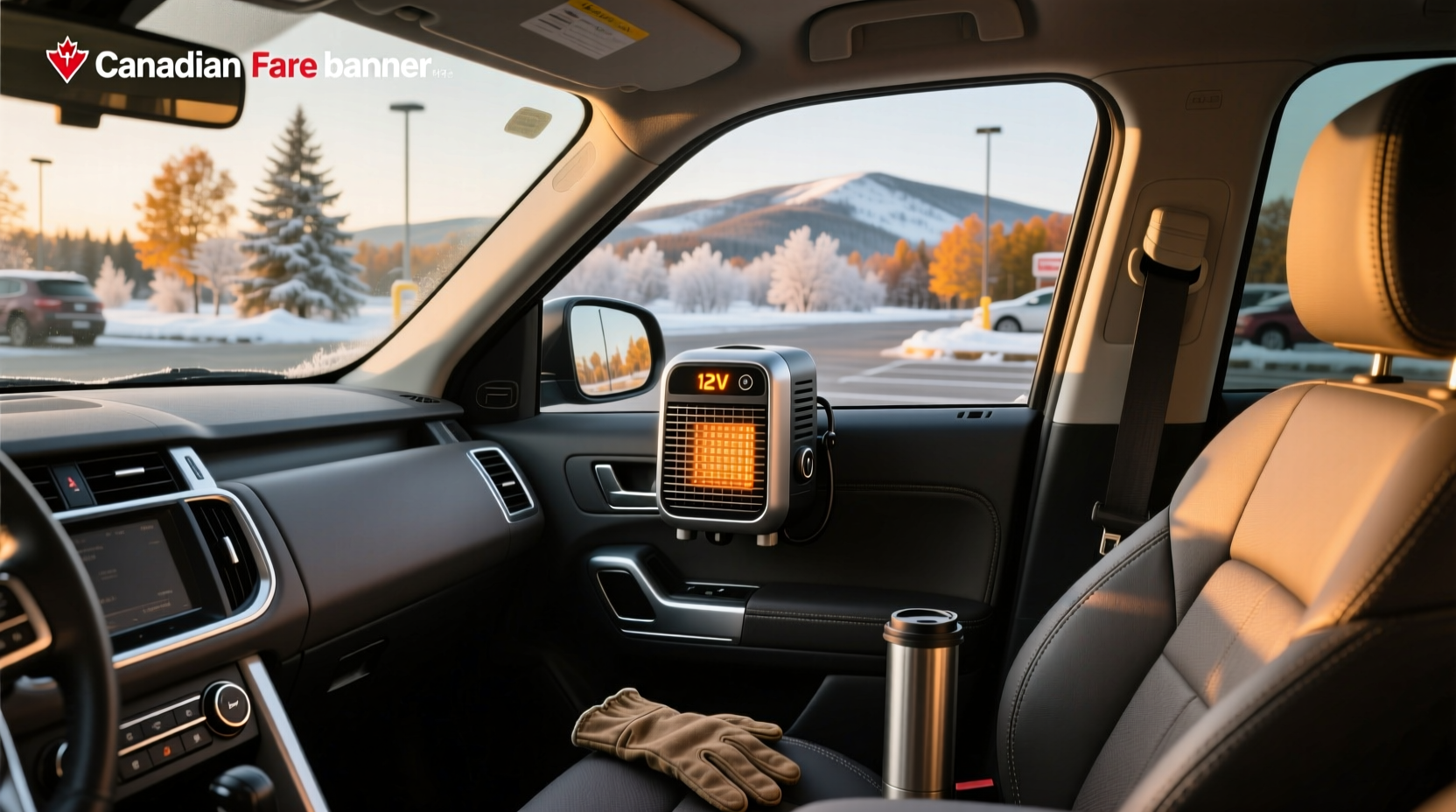
⚡ If you're searching for a 12v heater for car Canadian tire or similar options, the short answer is: yes, 12V heaters can provide useful warmth—but with important limitations. Most plug into your vehicle’s cigarette lighter or auxiliary power port, delivering supplemental heat for defrosting windows or warming small spaces during cold mornings. However, they’re not designed to fully heat an entire car overnight like a home furnace. Understanding wattage, battery drain, and realistic expectations is key before buying one at Princess Auto, Canadian Tire, or online.
Why People Search for 12V Heaters for Cars in Canada
In Canada’s harsh winters, drivers face fogged windshields, icy interiors, and uncomfortable commutes—especially for those who work outdoors, camp in vehicles, or live in converted vans. A portable 12V heater offers on-demand heat without idling the engine, making it appealing for quick defogging or temporary comfort. But many buyers don’t realize how much power these devices draw or how limited their heating capacity really is.
This guide breaks down everything you need to know about 12V car heaters: how they work, what models are available across Canadian retailers, whether they’re worth using, and safer alternatives when camping or sleeping in your vehicle.
How Do 12V Car Heaters Work?
🔌 A 12V heater runs directly off your vehicle’s electrical system, typically drawing power from the 12-volt socket (formerly called the cigarette lighter). These heaters use resistive coils or ceramic elements to generate heat, combined with a fan to circulate warm air.
Most models range from under 150W to over 300W, which translates to moderate heat output. For context:
- A 150W heater draws about 12.5 amps at 12 volts
- A 300W unit pulls around 25 amps
- The average 12V socket is fused at 15–20 amps
This means higher-wattage units may trip fuses unless wired directly to the battery with proper circuit protection ⚠️. Always check your vehicle’s fuse rating before running a high-power heater.
Types of 12V Heaters Available in Canada
Not all 12V heaters are created equal. Here are the main types found at major Canadian retailers like Princess Auto, Home Depot Canada, RONA, and specialty RV suppliers:
1. Plug-In Fan Heaters (Ceramic or Resistive)
🛒 These are the most common type sold as "portable car heaters". They plug into the 12V socket and often include features like adjustable fan speeds, swivel bases, and compact designs.
- Typical wattage: 100–300W
- Heat source: Electric (ceramic or nichrome wire)
- Use case: Defogging windows, warming driver's seat area
- Likely price range: $20–$90 CAD
While convenient, they only heat a very localized space and won’t keep a whole cabin warm for long.
2. Diesel/Auxiliary Air Heaters (e.g., Planar, Eberspächer)
🏭 These are more powerful systems that burn diesel or kerosene and are powered by the 12V system to run fans and controls. Unlike plug-in units, they produce significant heat and are commonly used in trucks, RVs, and overlanding builds.
- Power draw: 12V or 24V DC (for control & blower)
- Heat output: Measured in kW (e.g., 2kW–8kW)
- Fuel source: Vehicle diesel tank or separate fuel bottle
- Installation: Permanent, requires exhaust and fuel lines
These are not sold at Canadian Tire but through specialized suppliers. They’re far more effective than electric 12V heaters for sustained heating.
3. Portable Combustion Heaters (Propane)
⚠️ Some people consider propane-powered camping heaters for use in cars. While effective, they pose serious risks due to carbon monoxide (CO) buildup and oxygen depletion—especially in enclosed spaces. Never use unvented propane heaters inside a closed vehicle.
Where Can You Buy a 12V Heater in Canada?
📍 Major retailers carry different types of heaters, but availability varies based on location and season:
| Retailer | Heater Type Sold | Price Range (CAD) | Notes |
|---|---|---|---|
| Canadian Tire | Electric fan heaters, camping heaters | $30–$80 | Limited selection; mainly small 12V/AC units |
| Princess Auto | 12V electric heaters, diesel heaters | $35–$300+ | Better selection; includes combustion models |
| Home Depot Canada | Indoor-safe electric heaters | $50–$150 | Mostly AC-powered; few 12V options |
| RONA | Similar to Home Depot | $60–$200 | Focused on residential use |
| VEVOR Canada | Diesel air heaters (8KW+) | $200–$500 | Online-only; direct ship |
| PlanarHeaters.com | Portable diesel heaters | $1,900+ | Professional-grade; high cost |
🔍 Note: Searching “12v heater for car Canadian tire” may yield results, but actual inventory tends to be limited to basic electric models. For more robust solutions, look beyond big-box stores.
Key Factors When Choosing a 12V Car Heater
Before purchasing any 12V heater, consider these critical factors:
🔋 Power Draw vs. Battery Capacity
A typical car battery has 40–70 amp-hours (Ah) of capacity. Running a 150W (12.5A) heater for just 3 hours would consume ~37.5Ah—over half your battery’s charge. If the engine isn’t running, this could leave you stranded.
✅ Rule of thumb: Only run a 12V heater while the engine is on, or if you have a dual-battery system with deep-cycle backup.
🌡️ Heat Output vs. Realistic Expectations
Even a 300W heater produces only about 1,000 BTU/hour—far less than a household space heater (typically 5,000+ BTU). It can take 10–15 minutes to slightly raise cabin temperature in freezing conditions.
📌 Use case: Best for spot-heating near the windshield or personal warmth during short stops—not full-cabin comfort.
🛠️ Installation & Safety Features
Look for models with:
- Overheat protection
- Tilt switch (auto shutoff if tipped)
- Thermostat control
- Metal housing (not flimsy plastic)
Avoid units without safety certifications (CSA, ULc, ETL listed).
🚗 Mounting and Portability
Many 12V heaters come with suction cups or dash mounts. Ensure secure placement so it doesn’t fall during driving. Some models rotate for directional airflow—useful for defrosting side windows.
Common Misconceptions About 12V Car Heaters
❌ Myth #1: A 12V heater can keep me warm all night in my car.
Reality: Even with a large battery, continuous use will drain it quickly. A 100Ah battery might last 4–6 hours under load—less if it’s cold or old.
❌ Myth #2: Any 12V heater is safe to sleep with.
Reality: Electric models don’t emit CO, but they still risk fire or overheating if covered or blocked. Never leave unattended while sleeping.
❌ Myth #3: Higher wattage always means better performance.
Reality: Over 150W risks blowing fuses. Units above 200W should be hardwired with appropriate gauge wire and fusing.
Alternatives to 12V Electric Heaters
If your goal is staying warm during winter camping or van life, consider more efficient options:
🛌 Heated Blankets & Mattress Pads
Using a 12V heated blanket consumes only 30–60W—much less than a fan heater—and delivers direct body warmth. Paired with good insulation and sleeping bags, this is often the most energy-efficient solution1.
🔥 Catalytic Heaters (with Caution)
These burn propane cleanly and produce steady heat with low power use. However, they require excellent ventilation and CO/O2 monitors. Not recommended for small, sealed vehicles.
⛽ Engine-Driven Heating Systems
Some trucks and RVs use coolant-based systems (like Webasto) that tap into the engine’s radiator loop. These are highly efficient but expensive to install.
Are 12V Heaters Worth It? Who Should Buy One?
✅ Buy a 12V electric heater if:
- You want quick defrost/defog capability in winter
- You make short stops in cold weather (e.g., delivery drivers)
- You already have a secondary battery system
- You need supplemental heat in a well-insulated van setup
🚫 Don’t rely on one if:
- You plan to sleep in your car regularly
- Your vehicle has a weak or aging battery
- You expect it to replace cabin heating
- You lack proper ventilation or safety monitoring
Final Tips Before You Buy
📎 Before purchasing any “12v heater for car Canadian tire” or similar product:
- Check your vehicle’s 12V outlet fuse rating (usually 15A or 20A)
- Calculate runtime based on your battery size
- Prefer models with thermostat and auto-shutoff
- Read customer reviews focusing on durability and real-world heat
- Consider return policies—some units feel cheaply made




 浙公网安备
33010002000092号
 浙B2-20120091-4