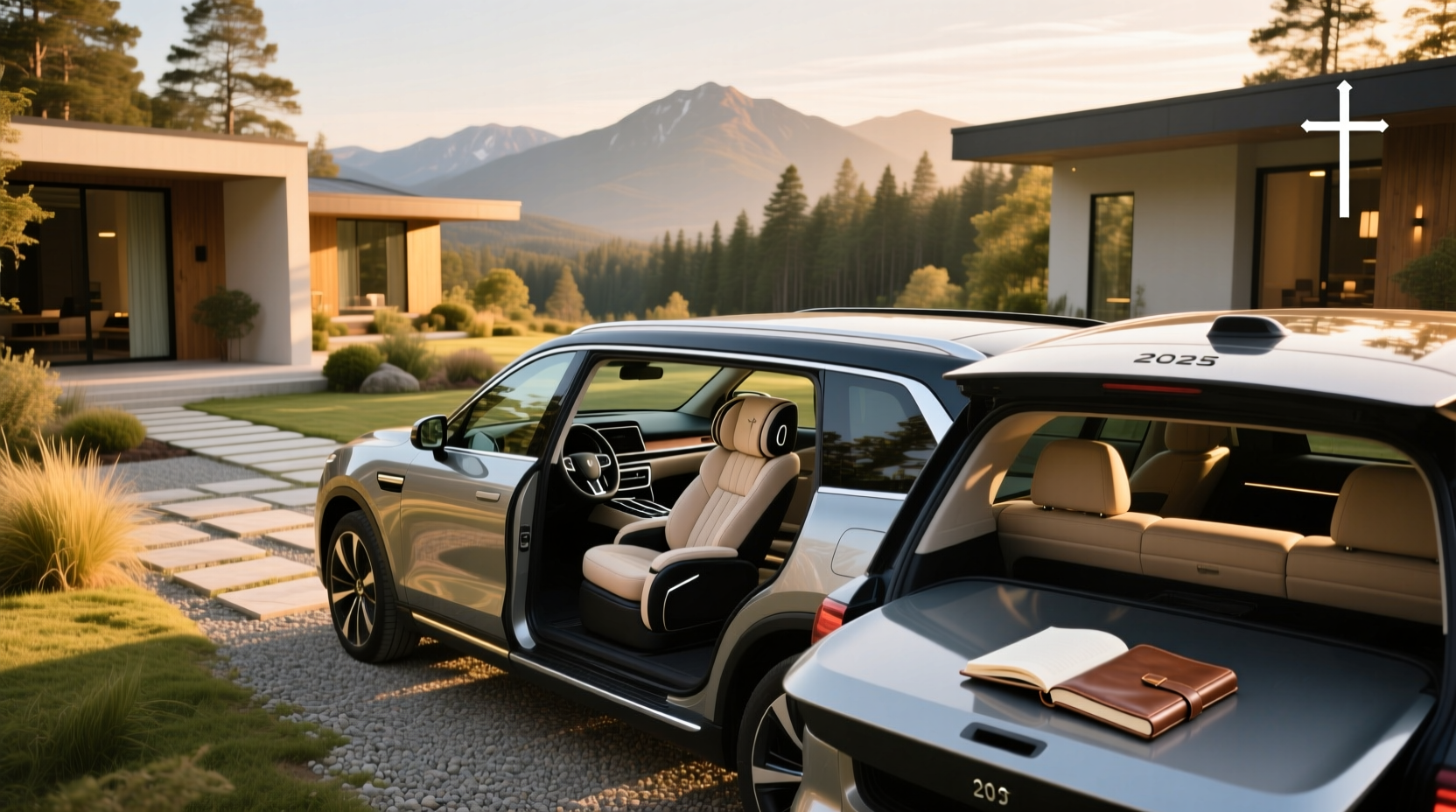
For drivers seeking maximum comfort on long commutes or road trips, SUVs with massage seats in 2025 are becoming a top priority. These vehicles combine spacious interiors, advanced driver assistance systems, and premium seating technology—including multi-zone front seat massage functions—to reduce fatigue and enhance ride quality. As automakers expand wellness-focused cabin features, models from Acura, BMW, Hyundai, Lexus, and Mercedes-Benz now offer available massaging seats across various price points, from near-$60K luxury trims to flagship SUVs exceeding $100K. This guide breaks down exactly which 2025 SUVs include this feature, how they differ in intensity and functionality, and whether the added cost is justified based on user feedback and long-term ownership experience.
Why Massaging Seats Matter in Modern SUVs
✅ Pain reduction during long drives: Prolonged sitting can lead to lower back strain, especially on highways or congested roads. Massaging seats use embedded airbladders and vibrating motors to simulate kneading, rolling, and tapping motions that improve circulation and relax tense muscles.
📍 Luxury segmentation: Once exclusive to ultra-luxury sedans like the Mercedes S-Class, massaging seats have trickled down into high-end SUVs as a key differentiator in the premium segment.
🔧 Customization levels vary: Not all massage systems are equal—some offer only basic vibration patterns, while others provide up to six programs with adjustable intensity and targeted zones (e.g., lumbar, shoulders, thighs).
According to owner forums such as r/whatcarshouldIbuy, users often cite reduced fatigue after 3+ hour drives as a major benefit 1. However, some note limitations—like automatic shutoff after 30 minutes or overly aggressive settings—that impact real-world usability.
Top 2025 SUVs Offering Massaging Seats
The following list includes confirmed 2025 model-year SUVs with factory-installed massaging front seats. Availability typically depends on trim level, optional packages, and regional market.
| Model | Seat Location | Massage Type | Starting MSRP (USD) | Available Trim(s) |
|---|---|---|---|---|
| 2025 Acura MDX Type S | Front driver & passenger | Ventilated with pulse mode | $67,500 | Type S PMC Edition |
| 2025 BMW X5 xDrive50i | Front driver & passenger | Multi-contour with 6 programs | $76,300 | M Sport, Executive |
| 2025 Hyundai Palisade Calligraphy | Front driver & passenger | Lumbar-focused, 3 modes | $59,700 | Calligraphy |
| 2025 Lexus LX 600 | Front driver & passenger | 4-program adaptive | $94,250 | Premium, Luxury |
| 2025 Mercedes-Benz GLS 450 | Front driver & passenger | ENERGIZING Comfort with heat sync | $83,950 | AMG Line, Premium |
| 2025 Cadillac Escalade Luxury | Front driver & passenger | 16-way power with pulse | $83,000 | Luxury, Premium Luxury |
| 2025 Audi Q7 Prestige | Front driver & passenger | Adaptive with climate link | $72,800 | Prestige |
Acura MDX (Type S Trim)
🛒 The 2025 Acura MDX, particularly the Type S variant, offers ventilated front seats with a built-in massage function marketed as "Pulse Mode." While praised for its sporty handling and quiet cabin, some owners report the massage intensity can feel too strong, especially at higher levels 1. Additionally, the system automatically shuts off after 30 minutes—a safety and energy-saving measure shared by several brands.
BMW X5 (G05 Update)
⚙️ BMW’s multi-contour front seats include six distinct massage programs: Wave, Pulse, Roller, Express, Intensity, and Comfort. These are integrated into the iDrive 8.5 interface and can be scheduled or voice-activated via natural language. Real-world testing shows effective relief for lower back tension, though rear passengers do not receive similar amenities unless opting for the optional Sky Lounge package with heated rear seats (no massage).
Hyundai Palisade (Calligraphy Trim)
✨ The 2025 Palisade stands out as one of the most affordable three-row SUVs with massaging front seats. Found exclusively in the Calligraphy trim, the system focuses on lumbar support with three preset patterns. Though less sophisticated than German counterparts, it delivers consistent performance and pairs well with the Palisade’s generous legroom and whisper-quiet interior. Hyundai also includes an available second-row relaxation suite with reclining captain’s chairs (heated/ventilated only).
Lexus LX 600
🌐 As Toyota’s flagship luxury SUV, the LX 600 brings over-the-top refinement, including adaptive massaging seats with four programmable modes. These work in tandem with active noise cancellation and adaptive variable suspension to create a serene driving environment. However, access to this feature requires the $116,950 Premium trim or higher, making it one of the priciest entries on this list.
Mercedes-Benz GLS 450
⚡ The ENERGIZING Comfort system in the GLS links seat massage with ambient lighting, fragrance diffusion, and heating for a holistic wellness experience. Users select from pre-set moods like “Freshness” or “Vitality,” each syncing massage rhythm with cabin atmosphere. While innovative, some critics argue the complexity reduces ease of daily use. Still, for those prioritizing first-class comfort, few SUVs match the GLS’s execution.
How to Evaluate Massage Seat Performance
When comparing SUVs with massage seats, consider these five criteria before committing:
- Program variety: More programs mean better customization. Look for at least 3–4 distinct modes (e.g., wave, pulse, roller).
- Zonal control: Can you adjust intensity by body area (lumbar vs. shoulder)? Higher-end systems allow segmented activation.
- Duty cycle: Many systems disable after 20–30 minutes. Check if manual restart is required or if cycling resumes automatically.
- Integration with ventilation/heating: Simultaneous heat + massage enhances therapeutic effect. Most luxury brands offer synchronized controls.
- Reliability history: Complex mechanisms may fail over time. Review owner reports on forums like Bimmerpost or MDXers.org for recurring issues 2.
Are Massage Seats Worth the Cost?
📌 Yes—if you regularly drive more than two hours at a stretch, suffer from chronic back discomfort, or prioritize cabin comfort over raw performance.
❗ No—if you mostly commute short distances, find vibrations distracting, or are budget-conscious (upgrades often add $2,000–$5,000).
Feedback from Reddit and owner communities suggests mixed satisfaction. Some describe the feature as “life-changing” on cross-country trips, while others call it a “gimmick” due to limited duration or repetitive patterns. One user noted: “After six months, I rarely use it—once you’re relaxed, you forget it’s even on.”
Common Misconceptions About Massaging Seats
- Myth: All massaging seats are the same.
Reality: There’s significant variation in motor type, air bladder layout, and software intelligence. Japanese brands tend toward subtler stimulation; German systems are often more intense. - Myth: Only luxury brands offer them.
Reality: Hyundai and Kia now include versions in select trims under $60K, challenging the idea that this is strictly a premium feature. - Myth: They replace proper ergonomics.
Reality: No seat massage compensates for poor posture or incorrect seat positioning. Always adjust lumbar support and seat depth first.
Availability by Region and Dealer Options
📍 Massaging seats are not uniformly available worldwide. For example:
- In North America, availability is highest due to demand for long-haul comfort.
- In Europe, stricter emissions regulations sometimes limit inclusion of power-heavy accessories.
- In Asia-Pacific markets, certain models like the Lexus LX or Mercedes GLS offer region-specific tuning (softer intensity in Japan, stronger in Australia).
Dealers may offer retrofit kits, but OEM integration ensures full compatibility with vehicle diagnostics and warranty coverage. Aftermarket solutions exist (e.g., plug-in seat cushions), but lack seamless design and safety certification.
Tips for Testing Massage Seats Before Buying
Before finalizing your decision, follow these steps:
- Schedule a test drive: Request a demo of the massage function. Sit in the seat for at least 10 minutes to assess comfort and noise level.
- Try all programs: Evaluate differences between modes. Does “Wave” feel fluid or jarring? Is “Pulse” too aggressive?
- Check passenger access: Can rear occupants control their own settings? In most SUVs, only front seats have massage capability.
- Review maintenance costs: While covered under bumper-to-bumper plans initially, repairs post-warranty can exceed $800 per seat motor replacement.
- Ask about software updates: Some systems receive OTA improvements (e.g., BMW, Mercedes). Confirm future support.
Future Trends: Wellness Tech in SUVs Beyond 2025
🚗 Automakers are expanding beyond simple vibration. Emerging trends include:
- Bio-sensing seats: Monitor heart rate and stress levels, adjusting massage intensity accordingly.
- AI-driven personalization: Learns preferred settings based on time of day, traffic conditions, or calendar events.
- Full-cabin wellness suites: Integration with aromatherapy, mood lighting, and soundscapes (e.g., simulated forest sounds).
- Rear-seat expansion: Currently rare, but prototypes from Mercedes and Genesis suggest second-row massaging seats may arrive by 2027.
These developments signal a shift toward holistic in-cabin health management, especially in electric SUVs where silent operation enhances sensory focus.
Final Considerations When Choosing an SUV with Massage Seats
Selecting the right SUV isn’t just about having massaging seats—it’s about how well they integrate into the overall ownership experience. Ask yourself:
- Do I need three rows? If yes, prioritize space and cargo capacity alongside seat tech.
- Is fuel efficiency or electrification important? Hybrid and EV SUVs (e.g., Lexus RX500h) may limit continuous massage use to conserve battery.
- What’s my total budget? Don’t overlook insurance premiums, which rise with higher trim levels.
- How does depreciation compare? Luxury SUVs with niche features may retain value differently than mainstream models.
Ultimately, massaging seats should enhance—not define—your purchase. Use them as one factor among many, including reliability ratings, crash test results, infotainment responsiveness, and dealer service reputation.
Frequently Asked Questions
Can you add massaging seats to an SUV after purchase?
Yes, but with caveats. Aftermarket seat cushions are widely available and plug into 12V outlets. However, they lack OEM integration, may interfere with side airbags, and aren’t covered under warranty. Full seat replacements require professional installation and can cost $1,500–$3,000.
Do any Toyotas have massaging seats?
Not directly. Toyota does not currently offer massaging seats in any U.S.-spec model. However, its luxury division, Lexus, includes them in the 2025 LX 600 and RX500h F Sport Handling models when equipped with the Luxury Package.
Are massage seats comfortable for long drives?
For many users, yes—especially those prone to lower back stiffness. The rhythmic stimulation helps maintain blood flow and reduces numbness. However, overly vigorous settings may cause discomfort over extended periods. Adjust to low or medium intensity for best results.
Which SUVs have back massagers for rear passengers?
As of 2025, no mass-market SUV offers factory-installed massaging seats for rear passengers. High-end custom conversions exist (e.g., limousine builds), but production models focus on front occupants. The 2025 Rolls-Royce Cullinan comes closest with reclining rear seats featuring heating and ventilation, though no official massage function.
How long do massaging seats last?
Most systems are designed to last the life of the vehicle under normal use. However, mechanical components like motors and air pumps can fail after 8–10 years or 100,000+ miles. Repair costs average $600–$900 per seat. Regular cleaning and avoiding excessive moisture prolong lifespan.




 浙公网安备
33010002000092号
 浙B2-20120091-4