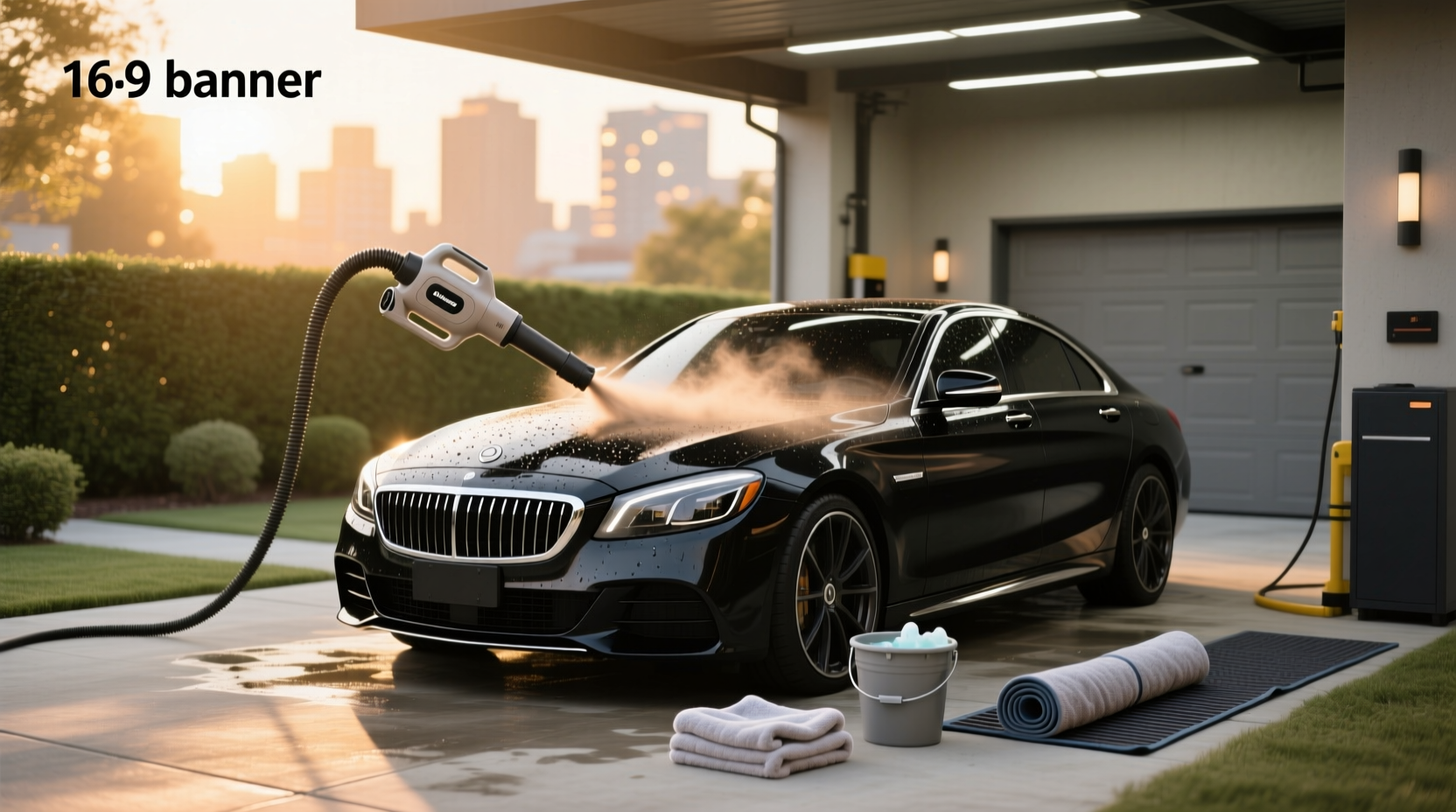
When searching for the best blower for drying car surfaces after a wash, one critical factor stands out: effective airflow without damaging paint or trim. A high-quality cordless turbo air blower with at least 200 CFM (cubic feet per minute) and variable speed settings offers optimal control for removing water from body panels, wheel wells, and tight gaps around mirrors and door edges ⚡. These tools are especially useful in professional detailing and DIY garage setups where microfiber towels alone can’t reach residual moisture efficiently.
Why Use a Blower Instead of Towels for Car Drying?
Drying a vehicle with traditional methods—primarily microfiber cloths—is time-consuming and risks introducing swirl marks or scratches if dirt particles remain on the surface. This is where a dedicated car dryer blower becomes valuable. It uses concentrated airflow to lift water off painted surfaces quickly, reducing contact with abrasive materials.
While towels absorb moisture, they also require frequent flipping and washing to stay effective. In contrast, a handheld blower for drying car exteriors allows users to clear large areas rapidly while minimizing physical contact. For vehicles with complex contours—such as deep wheel arches or textured bumpers—a blower reaches places that even long-pile chamois can't access easily 🧼.
Key Performance Metrics When Choosing a Car Drying Blower
Selecting the right tool requires understanding several technical specifications that directly impact usability and efficiency.
Airflow (CFM) and Velocity (MPH)
The most important metric is airflow, measured in cubic feet per minute (CFM). Models ranging from 250–765 CFM are commonly used in automotive applications. Higher CFM values move more air, accelerating drying times across broad surfaces like hoods and roofs. However, velocity—measured in miles per hour (MPH)—determines how forcefully the air exits the nozzle.
For example, a model producing 60 m/s (about 134 MPH) delivers focused, high-speed airflow ideal for dislodging trapped water in crevices ⚡. But excessive velocity without proper control may cause water splatter or noise discomfort. Therefore, look for blowers offering adjustable fan speeds so you can start low on sensitive trims and increase only when needed.
Battery Life and Runtime
Most modern car dryers operate on lithium-ion batteries, typically 20V or 56V systems. Battery capacity, usually expressed in amp-hours (Ah) or milliamp-hours (mAh), influences runtime. Units equipped with 4000mAh to 5000mAh batteries generally provide 20–80 minutes of continuous use depending on power setting 🔋.
Longer runtimes benefit professionals handling multiple vehicles daily. Home users washing one car weekly might prioritize lighter weight over extended operation. Keep in mind that dual-battery configurations exist but add bulk. Also, check whether the charger supports fast charging—some models replenish 80% in under an hour.
Noise Levels and Ergonomics
Noise output, often overlooked, ranges between 65–90 decibels (dB). Prolonged exposure above 85 dB may require hearing protection. Quieter models improve comfort during full-vehicle drying sessions lasting 15+ minutes.
Ergonomic design matters too. Look for balanced weight distribution, rubberized grips, and trigger locks to reduce hand fatigue. Some blowers include shoulder straps or belt hooks for hands-free carrying during mobile detailing jobs 🚚.
Dust Extraction vs. Drying Functionality
Certain devices marketed as '2-in-1' units combine vacuum and blower functions. While convenient for interior cleaning, these hybrids often sacrifice drying performance. The blower mode may deliver lower CFM compared to standalone models designed solely for water removal.
If your primary goal is post-wash drying, choose a unit optimized for airflow rather than multi-functionality. Integrated vacuums tend to have smaller motors and reduced suction/blow power due to shared components ⚙️.
Types of Blowers Used for Car Drying
Three main categories dominate the market: cordless handheld blowers, corded shop-style units, and commercial-grade stationary dryers.
Cordless Handheld Blowers
These portable devices resemble leaf blowers scaled down for precision work. Powered by removable lithium-ion packs, they offer freedom of movement without tripping over cords. Popular among home detailers and mobile technicians, they typically weigh between 2.5–5 lbs (1.1–2.3 kg).
Advantages include ease of transport, quick setup, and compatibility with existing battery platforms (e.g., DeWalt 20V MAX*, EGO POWER+). Limitations involve shorter runtimes and less consistent airflow than plug-in alternatives 🔋.
Corded Electric Blowers
Plugged into standard outlets, these maintain constant power output without voltage drop. Ideal for fixed workshops or garages with reliable electrical access, they often exceed 1000 CFM and deliver uninterrupted runtime.
Drawbacks include limited range (due to cord length), potential tripping hazards, and lack of mobility for field operations. Still, their sustained performance makes them suitable for fleet maintenance or detailing studios processing multiple vehicles per day 🏭.
Commercial Air Dry Systems
Installed in professional car wash facilities, these high-pressure drying stations use centralized compressors feeding nozzles through hoses. They generate powerful vortex airflow capable of removing 90%+ of surface water within minutes.
Though impractical for personal use due to size and cost, some aftermarket kits adapt commercial principles for enthusiast garages. These require compressed air sources (like shop compressors) and specialized nozzles to replicate efficient drying patterns 🌐.
Common Misconceptions About Car Drying Blowers
Several myths persist about using blowers for drying vehicles, leading to incorrect expectations or misuse.
Myth: Any Leaf Blower Can Be Used Safely on Cars
Standard yard leaf blowers produce extremely high velocities (often exceeding 150 MPH) and lack fine-tuned controls. Using them risks forcing water into seals, damaging weather stripping, or scratching finishes with debris carried in the airstream. Purpose-built car dryers feature diffused nozzles and regulated output to prevent such issues ❗.
Myth: High PSI Is Necessary for Effective Drying
PSI (pounds per square inch) measures pressure, not volume. Car drying relies more on volumetric airflow (CFM) than pressure. Excessive PSI can trap moisture in seams or force contaminants under trim edges. Most effective drying occurs with moderate PSI (under 90) combined with wide, sweeping motions 🔍.
Myth: All Turbo Blowers Are Waterproof
Despite being used near water, many turbo air blowers aren’t waterproof or even splash-resistant. Operating them in wet environments increases risk of motor failure or electrical hazards. Always keep the unit away from direct spray and store it in dry conditions after use ⚠️.
How to Use a Car Drying Blower Effectively
Proper technique enhances results and prolongs equipment life.
- Pre-dry with a squeegee or waffle weave towel: Remove standing water first to minimize airborne mist during blowing.
- Start at the top and work downward: Begin with the roof, then hood, trunk, and finally sides and wheels.
- Use sweeping motions, not static blasts: Move the nozzle continuously to avoid concentrating force on one spot.
- Angle the airflow parallel to the surface: Hold the blower at a 30–45 degree angle to push water off instead of driving it sideways.
- Clean nozzles regularly: Dust buildup alters airflow patterns and reduces efficiency.
Using correct techniques ensures faster drying, reduces noise exposure, and prevents unnecessary wear on both the tool and vehicle finish ⏱️.
Top Features to Look for in the Best Car Drying Blower
Beyond raw power, certain design elements significantly affect real-world usability.
- Multiple Nozzle Attachments: Conical tips focus airflow for tight spaces; wide diffusers cover larger zones evenly.
- Brushless Motor: Offers longer lifespan, cooler operation, and better energy efficiency than brushed motors.
- LED Work Lights: Help illuminate shadowed areas like under fenders or inside door jams.
- Tool-Free Assembly: Quick-connect fittings allow easy switching between accessories without wrenches.
- Overheat Protection: Automatically shuts down the motor if internal temperatures rise dangerously.
Consider these features based on your usage frequency and environment. Mobile detailers benefit most from integrated lighting and durable housings, while hobbyists may value simplicity and compact storage 🔧.
Regional Differences in Usage and Availability
In regions with mild climates and frequent rainfall—such as the Pacific Northwest or UK—car drying tools see higher adoption due to persistent dampness. Conversely, arid areas like Arizona rely more on sun-drying, making blowers less essential outside commercial operations.
Voltage standards also influence product selection. North American models typically run on 120V AC or 20V DC batteries, whereas European variants align with 230V mains and different plug types. Always verify compatibility before importing equipment 🌍.
| Feature | Recommended Minimum | Ideal Range | Purpose |
|---|---|---|---|
| CFM (Airflow) | 200 CFM | 300–600 CFM | Efficient water displacement on flat surfaces |
| Battery Capacity | 2000 mAh | 4000–5000 mAh | Sufficient runtime for single-vehicle drying |
| Noise Level | < 80 dB | 65–75 dB | Comfortable for prolonged indoor/outdoor use |
| Weight | < 4 lbs (1.8 kg) | 2.5–3.5 lbs | Reduced arm fatigue during extended sessions |
| Motion Control | Single Speed | Variable Speed Dial/Trigger | Adaptability to different surfaces and water loads |
When Not to Use a Blower for Car Drying
Despite advantages, there are situations where blowers should be avoided or used cautiously.
- Frozen or icy conditions: Blowing cold air onto wet surfaces may accelerate ice formation, increasing slip hazards and adhesion to paint.
- After applying ceramic coatings: Some installers recommend natural air drying to ensure uniform curing without disturbing freshly applied layers.
- Near open windows with electronics exposed: Forced air could drive moisture into cabin controls, switches, or audio systems.
- On vehicles with known seal damage: Water forced behind panels may lead to mold or rust if drainage paths are blocked.
Assess each vehicle’s condition before deciding on drying method. In uncertain cases, manual drying with hydrophobic fabrics remains safer 📌.
Cost vs. Value: What Price Range Delivers Results?
Pricing varies widely—from $80 for basic cordless models to over $400 for professional twin-motor systems. Entry-level options often compromise on battery life, build quality, or noise reduction.
Mid-range units ($120–$220) strike the best balance, offering brushless motors, decent ergonomics, and sufficient airflow for residential use. Premium models justify higher costs with advanced thermal management, modular battery systems, and industrial durability ratings.
Instead of chasing maximum specs, evaluate total ownership cost: battery longevity, spare part availability, and manufacturer warranty terms. A slightly more expensive blower with replaceable filters and serviceable motors may save money long-term 📊.
Environmental and Safety Considerations
Electric blowers eliminate exhaust emissions associated with gas-powered alternatives, making them preferable for indoor or enclosed spaces. However, battery disposal must follow local regulations to prevent environmental contamination.
Always operate in well-ventilated areas, especially when using indoors. Avoid pointing the blower toward eyes or ears, and wear safety glasses if working in dusty environments. Store lithium-ion batteries at room temperature and inspect cables for fraying periodically ✅.
Conclusion: Matching Tool to Task
The best blower for drying car exteriors depends on individual needs—whether you're a weekend enthusiast or a full-time detailer. Focus on airflow (CFM), battery endurance, ergonomic design, and nozzle versatility rather than brand names or viral marketing trends. Avoid repurposing non-automotive tools like garden blowers, which pose risks to vehicle integrity.
By selecting a purpose-built device with adjustable settings and robust construction, you gain faster drying times, improved surface protection, and greater consistency in results. Remember: no single model fits all scenarios. Evaluate your typical workflow, environment, and budget before investing.
Frequently Asked Questions
- Can I use a leaf blower to dry my car safely?
- No, standard leaf blowers generate excessive velocity and uncontrolled airflow that can damage paint, force water into seals, or scatter debris. Use only automotive-specific drying blowers designed for controlled, safe application.
- Is a car drying blower worth it for home use?
- Yes, if you frequently wash your car or live in a humid climate. It reduces drying time, minimizes towel-induced scratches, and improves access to tight spaces like side mirrors and wheel wells.
- What CFM is good for drying a car?
- A minimum of 200 CFM is acceptable, but 300–600 CFM provides optimal performance. Higher CFM moves more air, allowing quicker water removal across large panels.
- Do car drying blowers need oil or regular maintenance?
- Most modern electric models are oil-free and require minimal maintenance. Regularly clean intake filters, check for nozzle obstructions, and store in dry conditions to extend lifespan.
- Can I use a compressed air gun instead of a blower?
- You can, but standard air guns have narrow flow patterns and high PSI, making them inefficient for large surfaces. Specialized vortex nozzles attached to shop compressors can work, but dedicated blowers offer better coverage and ease of use.




 浙公网安备
33010002000092号
 浙B2-20120091-4