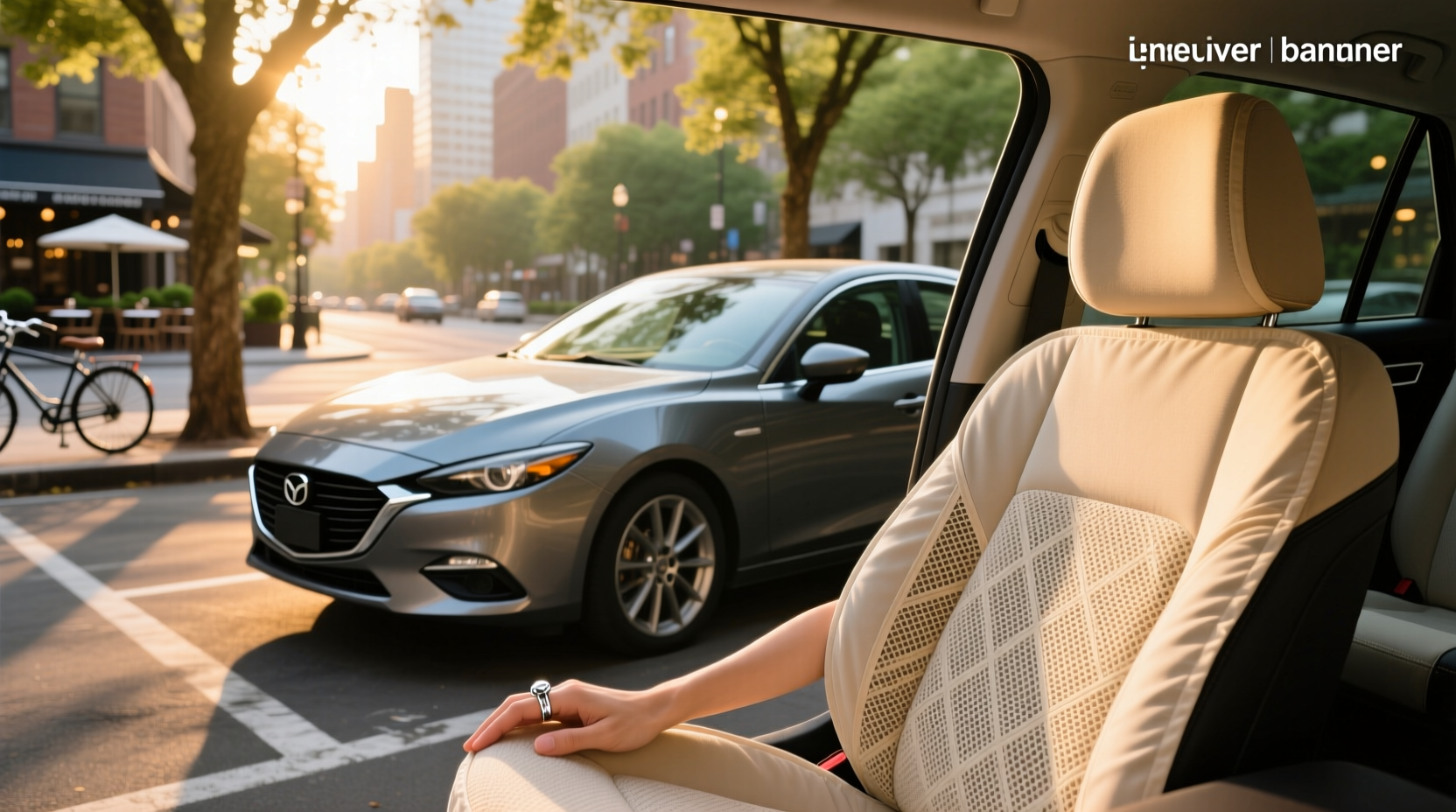
When searching for breathable car seat covers to beat summer heat, the best options combine airflow-friendly fabrics like mesh, ice silk, or perforated vegan leather with secure universal or custom-fit designs. These covers reduce surface temperature by up to 30°F compared to bare leather or vinyl, prevent sweating during long drives, and maintain compatibility with heated seats when properly installed ✅.
Why Breathable Seat Covers Matter in Daily Driving
Car interiors can reach over 160°F (71°C) on sunny days, turning seats into uncomfortable hot surfaces that cause discomfort and even minor burns after prolonged exposure 🔍. Traditional materials like leather or synthetic vinyl trap body heat and moisture, creating a sticky, sweaty ride—especially on commutes or road trips. This is where breathable seat covers make a measurable difference.
Breathable seat covers are designed with ventilation in mind. They allow air to circulate between your body and the seat surface, reducing heat buildup and wicking away moisture. Unlike solid plastic-backed or thick neoprene models, these covers don’t insulate; they dissipate heat. For drivers in hot climates—or those who park under direct sunlight—this feature isn’t just about comfort; it’s about usability and interior preservation 🌍.
How Breathable Materials Work: Science Behind the Comfort
The effectiveness of breathable car seat covers depends largely on material structure and thermal conductivity. Let’s break down the most common ones found in today’s market:
- Mesh: Typically made from polyester or nylon netting, mesh panels create open pathways for airflow. Often used in sport-style covers or inserts, mesh promotes passive ventilation without adding bulk ⚙️.
- Ice Silk: A proprietary fabric blend often marketed as "cool-touch" or "temperature-regulating." It uses microfibers with high surface area to enhance evaporation of sweat. While not scientifically proven to lower skin temperature permanently, user reports suggest immediate relief upon contact ✨. \li> Perforated Eco-Leather: Synthetic leather with tiny laser-cut holes allows limited airflow while maintaining durability and aesthetic appeal. Ideal for luxury vehicles where appearance matters but some breathability is needed 🔧.
- Linen & Cotton Blends: Natural fibers offer moderate breathability and softness. However, they may absorb odors and degrade faster than synthetics if not treated for UV resistance 🌐.
No single material eliminates heat entirely. Instead, their benefit lies in delaying heat transfer and improving perceived comfort. Independent tests show that mesh-based covers can keep seat surfaces 20–30°F cooler than uncovered leather after one hour in direct sun 1.
Do Breathable Seat Covers Work With Heated Seats?
A frequent concern among buyers is whether installing seat covers will interfere with factory-installed heating elements. The answer depends on thickness and placement ⚡.
Thin, tightly woven breathable covers—such as those made from mesh or ultra-fine ice silk—typically do not block heat transmission significantly. Most modern heated seats use conductive pads beneath the upholstery, which warm the cover material within minutes. As long as the cover isn't heavily padded or insulated (like winter fleece or neoprene), heat reaches the occupant effectively.
However, thicker multi-layered covers—even if labeled "breathable"—can delay warming time or reduce maximum temperature felt by the user. In extreme cases, overheating sensors might trigger due to trapped heat between the element and the cover, though this is rare in OEM systems.
Key tip: Look for products explicitly stating "compatible with heated seats" and avoid deep-pocketed, quilted, or foam-backed styles unless verified by the manufacturer. Always leave access points unobstructed near side airbags and seat sensors 📍.
Universal vs. Custom-Fit: Which Is Better for Breathability?
Fit type influences both performance and airflow efficiency. Universal-fit covers are cheaper and widely available, but they often bunch up or stretch unevenly across different seat shapes. This creates loose fabric zones that trap air instead of channeling it, defeating the purpose of breathability.
In contrast, custom-fit covers are molded to specific vehicle makes and models. They hug contours precisely, ensuring ventilation zones align with high-contact areas (like the lower back and thighs). Because there’s less sagging or folding, airflow remains consistent across the seated surface ✅.
That said, many universal models now include elastic straps, non-slip backing, and adjustable anchors to improve fit. Some even feature targeted mesh inserts in lumbar and seat cushion zones to maximize cooling where it's needed most. If budget is tight, a well-designed universal model with strategic ventilation can still deliver meaningful benefits.
| Feature | Universal Fit | Custom Fit |
|---|---|---|
| Average Price | $25–$60 | $80–$200+ |
| Ventilation Precision | Moderate (depends on fit) | High (engineered zones) |
| Installation Time | 10–20 min per seat | 15–30 min per seat |
| Heated Seat Compatibility | Variable | Generally High |
| Durability | Medium (fabric stress at edges) | High (even tension distribution) |
Common Misconceptions About Breathable Seat Covers
Despite growing popularity, several myths persist about what these products can realistically achieve:
- Myth: They act like built-in AC. Reality: No seat cover actively cools. They only improve passive heat dissipation and moisture management. True cooling requires powered systems with fans or gel layers.
- Myth: All "cooling" labels mean breathability. Some covers use phase-change gels or battery-powered motors. These are technically different from passive breathable designs. Check product specs carefully.
- Myth: Any mesh panel makes a cover breathable. Small decorative mesh patches won’t impact overall thermal performance. Effective breathability requires large, continuous ventilation zones in critical contact areas.
- Myth: You need special fire-resistant covers for heated seats. Factory heating elements operate at safe temperatures far below ignition points. Standard breathable fabrics pose no risk unless modified improperly ❗.
Installation Tips to Maximize Airflow and Safety
Even the best breathable cover loses effectiveness if installed incorrectly. Follow these steps to ensure optimal function and safety:
- Measure Your Seats First: Note width, height, headrest configuration, and presence of side airbags. Use manufacturer sizing charts before purchasing.
- Align Ventilation Zones: Position mesh or ice silk sections directly under your back and thighs—not offset or folded.
- Avoid Over-Tightening Straps: Excessive tension can distort fabric weave, closing microscopic pores that enable breathability.
- Check Airbag Paths: Never cover or obstruct side-impact airbag deployment zones, usually marked by stitching patterns or labels on original seats.
- Test After Installation: Sit for 10 minutes and assess airflow sensation. Re-adjust if you feel trapped heat or pressure points.
Improper installation not only reduces comfort but may void vehicle warranties or compromise safety systems. When in doubt, consult a professional installer or refer to OEM guidelines.
Maintenance: Keeping Breathable Covers Functional Over Time
Breathable fabrics require regular care to maintain performance. Dust, oils, and debris can clog pores in mesh or coat ice silk fibers, diminishing their ability to wick moisture and allow airflow.
Cleaning frequency depends on usage. Daily drivers in urban environments should clean covers every 4–6 weeks. Occasional users can extend to 2–3 months. Always follow care instructions:
- Most machine-washable covers should be cleaned on gentle cycle with mild detergent.
- Air dry only—heat from dryers can melt synthetic threads or shrink linings.
- Use a soft brush to remove embedded dirt from mesh weaves.
- For spot cleaning, mix water with vinegar (1:1) to disinfect without residue.
Neglecting maintenance leads to odor retention, reduced breathability, and premature wear. Inspect seams and anchor points monthly for signs of fraying or loosening.
Regional Considerations: Climate Impact on Material Choice
Your geographic location affects which breathable cover performs best:
- Hot & Dry Climates (e.g., Arizona, Middle East): Prioritize UV-resistant materials like polyester mesh or TPU-coated fabrics to prevent fading and cracking.
- Hot & Humid Regions (e.g., Florida, Southeast Asia): Choose quick-drying synthetics with antimicrobial treatment to resist mold and mildew growth.
- Temperate Zones (e.g., Pacific Northwest, UK): Lightweight linen or cotton blends offer seasonal versatility without overheating.
- Cold Winters + Hot Summers: Consider removable dual-layer systems—one breathable summer cover, one insulated winter version.
Some users opt for all-season neoprene hybrids, but these tend to be less breathable than dedicated summer models. Trade-offs exist in every climate scenario.
Are Waterproof + Breathable Combinations Possible?
Many listings advertise “waterproof and breathable” seat covers—a claim that seems contradictory. Technically, it’s achievable through laminated membranes like polyurethane (PU) or thermoplastic polyurethane (TPU).
These materials have hydrophobic coatings that repel liquid water while allowing vapor (sweat) to escape through microscopic channels. However, real-world performance varies. Fully sealed seams are required to maintain waterproof integrity, and such construction often limits stretch and conformability.
For pet owners or families with young children, a slightly less breathable but spill-proof cover may be preferable. But for pure heat management, prioritize airflow over liquid resistance unless both are essential.
What to Avoid When Buying Breathable Seat Covers
To prevent disappointment or safety issues, steer clear of these red flags:
- Vague Descriptions: Phrases like "keeps you cool" without specifying material or design features lack actionable detail.
- No Fit Information: If the seller doesn’t list compatible vehicles or measurements, assume it’s a poor match.
- Thick Padding Under Mesh: A thin mesh top layer over foam padding defeats breathability by trapping heat underneath.
- Missing Safety Labels: Reputable products indicate compliance with FMVSS 302 (flammability standards) or similar regulations.
- Unrealistic Claims: Avoid ads promising "AC-like cooling" or "instant temperature drop"—these exaggerate capabilities.
Stick to transparent brands that publish material specs, testing methods, and installation diagrams.
Final Recommendations Based on Use Case
Choosing the right breathable car seat cover depends on your primary needs:
- For Extreme Heat: Ice silk or high-density mesh with full-seat coverage and UV protection.
- For Pets/Kids: Water-resistant outer layer with breathable inner lining and non-slip backing.
- For Luxury Vehicles: Custom-fit perforated eco-leather matching original trim colors.
- For Budget Buyers: Universal polyester mesh with elastic anchors and partial ventilation zones.
- For SUVs/Trucks: Heavy-duty nylon with reinforced stitching and extended flaps for larger seats.
No single product excels in all categories. Define your priorities—cooling performance, ease of cleaning, aesthetics, or durability—and choose accordingly.
Frequently Asked Questions
- Can breathable seat covers damage heated seats?
- No, thin breathable covers made from mesh, ice silk, or perforated leather do not damage heated seats. Avoid thick, insulated models that trap heat and potentially interfere with sensor feedback.
- How do I know if a seat cover is truly breathable?
- Look for visible mesh panels, open-weave textures, or materials labeled "moisture-wicking" or "airflow-enhanced." Check product details for fabric composition and independent reviews describing airflow performance.
- Do breathable seat covers work in winter?
- They can feel cooler in cold weather since they don’t retain body heat. Some users switch to insulated covers seasonally. Others prefer year-round breathability for humidity control and hygiene.
- Can I wash breathable car seat covers?
- Most are machine washable on gentle cycle. Always air dry to preserve fabric integrity. Check manufacturer instructions before cleaning.
- Are universal breathable covers as effective as custom ones?
- Custom-fit covers generally perform better because they maintain precise alignment of ventilation zones. Well-designed universal models with elasticized backs and targeted mesh inserts can still offer good results.




 浙公网安备
33010002000092号
 浙B2-20120091-4