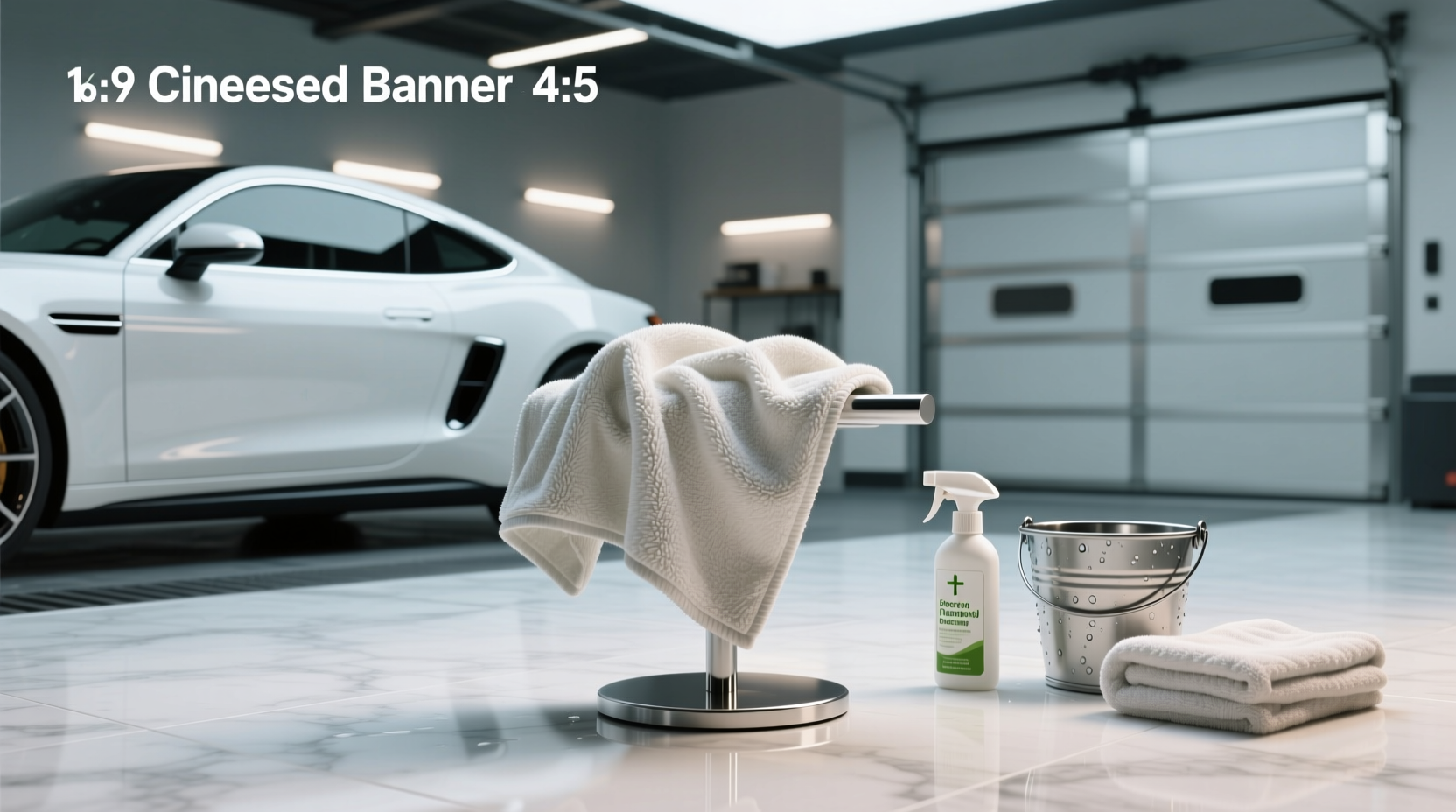
When searching for a car wash cloth on Amazon, it’s essential to understand that not all microfiber towels are created equal. The best option for washing your car is a high-quality, plush, dual-loop or chenille microfiber cloth with a minimum of 300–600 GSM (grams per square meter) density, which ensures superior water absorption, lint-free performance, and scratch-resistant cleaning. Using the wrong type—such as low-grade rags, old t-shirts, or abrasive sponges—can lead to fine scratches, swirl marks, and paint damage over time.
Many users mistakenly believe any soft-looking towel is safe for automotive use. However, factors like fiber blend (typically 80% polyester / 20% polyamide), weave type (waffle, flat, or coral-fleece), edge construction (edgeless vs. stitched), and proper maintenance significantly affect safety and longevity. This guide breaks down everything you need to know when selecting a car wash cloth, including material science, usage scenarios, common mistakes, and how to evaluate product claims—especially those found in popular online marketplaces.
Why Microfiber Is the Standard for Modern Car Washing
🧼 Microfiber has become the go-to choice for both professional detailers and everyday car owners because of its unique physical properties. Unlike cotton towels or generic cleaning rags, microfiber is engineered at a microscopic level to lift dirt and trap moisture without scratching delicate clear coat finishes.
The key lies in the split fibers: each strand is thinner than a human hair and splits into multiple filaments that increase surface area. This allows the cloth to absorb up to seven times its weight in water while capturing dust, oils, and particulates deep within the weave—instead of dragging them across the paint.
However, not all microfiber products deliver these benefits. Cheap imitations often use short fibers, poor weaving techniques, or incorrect polymer ratios, leading to linting, shedding, and reduced durability after just a few washes.
Types of Car Wash Cloths: Which One Do You Need?
Selecting the right cloth depends on the specific task: pre-wash decontamination, soapy wash mitt application, post-rinse drying, or interior detailing. Using one towel for all jobs may compromise results.
1. Chenille Wash Mitts & Pads ✅
✨ These are ideal for the actual washing phase. Made from dense, looped microfiber or synthetic chenille fabric, they offer excellent lubricity and hold large amounts of suds, reducing friction between the surface and contaminants.
- Advantages: High absorbency, gentle on paint, effective at lifting grime
- Best Use: Exterior body panels during hand washing
- GSM Range: 400–600+ for optimal thickness
- Avoid: Using dry or with excessive pressure—always keep wetted with shampoo
2. Flat-Weave Microfiber Towels 🧰
🔧 Commonly sold in multipacks, these versatile cloths work well for light wiping, applying quick detailers, or drying smaller areas. They’re typically less absorbent than waffle-weave drying towels but more precise for tight spaces.
- Weight: 250–400 GSM
- Fiber Cut: Can be sheared (smooth finish) or uncut (looped)
- Tip: Use color-coded sets to separate tasks (e.g., blue for glass, gray for interiors)
3. Waffle-Weave Drying Towels ⚡
🚚 Designed specifically for post-wash drying, these feature a textured grid pattern that increases air circulation and capillary action, pulling water off the surface quickly and efficiently.
- Absorbency: Up to ½ gallon per large towel (36” x 36”)
- Material: Often blended with nylon for strength and elasticity
- Edge Type: Edgeless designs prevent micro-scratches from thread seams
- Caution: Never reuse a drying towel without laundering—it traps grit that can scratch paint
4. Coral-Fleece & Plush Towels 🌍
🌐 Softer and thicker than standard microfiber, coral-fleece towels feel luxurious and are highly absorbent. While great for final buffing or interior use, they can retain debris if not cleaned properly.
- Density: Usually above 500 GSM
- Risk: Deep pile can trap sand and metal particles; requires thorough washing
- Safety Tip: Reserve for non-paint surfaces unless freshly laundered
Key Buying Criteria When Choosing a Car Wash Cloth
Purchasing decisions should be based on measurable characteristics—not marketing terms like “premium” or “pro-grade.” Here are the five most important factors to consider:
1. GSM (Grams Per Square Meter) – Measure of Density
📏 GSM indicates how tightly packed the fibers are. Higher GSM generally means better absorption and softness—but only up to a point. Beyond 700 GSM, towels can become too heavy and slow to dry.
| GSM Range | Use Case | Recommended? |
|---|---|---|
| 200–300 | Interior cleaning, glass wiping | ✅ Yes |
| 300–500 | General purpose, wash mitts | ✅ Best balance |
| 500–700 | Drying, high-absorbency tasks | ✅ Ideal for drying |
| 700+ | Rare; overly dense, hard to dry | ❌ Not recommended |
2. Fiber Composition – Polyester vs. Polyamide
🔍 Most quality microfiber blends use 70–80% polyester and 20–30% polyamide (nylon). The polyamide enhances absorbency and helps split the fibers during manufacturing. Avoid cloths that don’t disclose their blend—this often signals lower transparency and inconsistent quality.
3. Weave Style – Flat, Waffle, Coral, or Chenille?
📌 Each weave serves a different function:\p>
- Flat-weave: Smooth, lint-free, good for wiping and polishing
- Waffle-weave: Maximizes airflow and water removal; best for drying
- Chenille: Soft loops trap suds and dirt; perfect for wash mitts
- Coral-fleece: Ultra-plush, high-pile texture; best for finishing touches
4. Edges – Stitched vs. Edgeless
❗ Traditional stitched edges can leave micro-scratches due to exposed threads. Edgeless (or ultrasonically cut) towels eliminate this risk by sealing the perimeter cleanly, making them safer for glossy painted surfaces.
5. Size & Thickness
🛒 Larger towels (e4" x 36") cover more area during drying, improving efficiency. Thicker towels usually mean higher GSM and better water retention. However, oversized cloths may be cumbersome for small vehicles or tight garages.
Common Mistakes That Damage Paint During Hand Washing
Even with the best car wash cloth, improper technique can ruin your finish. Below are frequent errors observed in user forums and real-world testing:
Mistake #1: Reusing Dirty Towels Without Washing
📍 Once a cloth picks up road grit, brake dust, or sand, reusing it—even if it looks clean—can embed abrasive particles into the paint. Always launder towels after every 1–2 uses, especially drying towels.
Mistake #2: Using the Same Cloth for Interior and Exterior
👥 Interior surfaces accumulate different contaminants (food residue, skin oils, pet hair) and may require chemicals incompatible with waxed paint. Cross-contamination can degrade coatings or leave residues.
Mistake #3: Over-Drying or Buffing Under Sunlight
☀️ Drying in direct sunlight causes water spots to form faster, forcing you to scrub harder. Additionally, heat expands paint pores, increasing susceptibility to micro-marring.
Mistake #4: Folding Towels Incorrectly
📋 Proper folding doubles usable sides. Fold a 16" x 16" towel into quarters, then flip it over mid-use to expose a fresh surface. This minimizes contact with trapped debris.
Mistake #5: Machine Washing with Fabric Softener
🧼 Fabric softeners coat microfibers with silicone-based residues that reduce absorbency and scratch resistance. Always wash with mild detergent only, no bleach or softeners.
How to Maintain Your Car Wash Cloths for Longevity
Proper care extends the life of microfiber towels beyond 300+ washes. Follow these steps:
- Pre-Rinse: Rinse heavily soiled towels under cold water to flush out loose grit.
- Wash Separately: Never mix with cotton or denim—lint transfer clogs microfiber pores.
- Detergent: Use fragrance-free, non-oily detergents. Avoid bleach and softeners.
- Water Temperature: Cold to warm (below 105°F / 40°C) preserves fiber integrity.
- Drying: Air dry or tumble dry on low heat. High heat melts fibers and reduces effectiveness.
- Storage: Keep in a sealed bin away from dust and humidity.
Regular inspection is crucial. If a towel feels rough, sheds lint, or no longer absorbs water, retire it from paint-safe duties.
Amazon Product Claims: What to Trust and What to Ignore
While browsing listings for car wash cloth Amazon, consumers face misleading terminology. Here’s how to decode common phrases:
- “Ultra-Plush”: Often refers to pile height, not quality. Check GSM instead.
- “Professional Grade”: Unregulated term. Look for verifiable specs like fiber content and weight.
- “Lint-Free”: True microfiber should be inherently lint-free. This claim adds little value.
- “Pack of 12”: Quantity doesn’t indicate quality. A single high-GSM towel outperforms a dozen thin ones.
- User Reviews: Prioritize reviews with photos and detailed experiences. Be wary of overly positive language or repetitive phrasing—possible fake reviews.
Alternatives to Microfiber: Are Sponges or Natural Chamois Better?
Some drivers still prefer traditional tools. Let’s compare:
Car Wash Sponges
🔧 Foam sponges are inexpensive and widely available but pose risks. Their open-cell structure traps dirt and releases it during use, acting like sandpaper. Even with rinseless wash systems, they lack the particle-trapping ability of microfiber.
Natural Chamois Leather
🌐 Made from lambskin, chamois are highly absorbent but require meticulous care. If dried improperly, they harden and scratch paint. They also harbor bacteria and must be conditioned regularly. Synthetic chamois (PVA) dry fast but are brittle and prone to leaving streaks.
✅ Verdict: Microfiber remains the safest, most consistent option across conditions.
Regional Considerations and Climate Impact
Weather affects cloth performance. In humid climates, towels take longer to dry, increasing mold risk. In arid regions, static buildup can attract dust immediately after drying. Users in coastal areas dealing with salt exposure should wash towels more frequently to prevent corrosion of fibers.
DIY Testing: How to Evaluate a New Car Wash Cloth
Before using a new towel on your vehicle’s paint, perform these simple tests:
- The Water Drop Test: Place a drop of water on the cloth. It should absorb instantly on high-quality microfiber.
- Lint Check: Rub firmly on a black glass surface. Any visible fibers indicate poor construction.
- Softness Test: Gently drag across the back of your hand. It should feel silky, not scratchy.
- Weigh It: Use a kitchen scale to estimate GSM (weight in grams divided by area in m²).
Conclusion: Choosing the Right Cloth for Your Needs
Selecting the best car wash cloth isn’t about brand names or flashy packaging—it’s about understanding material science and matching the tool to the job. Whether you're looking for a durable wash mitt, a high-absorbency drying towel, or a lint-free interior rag, focus on measurable traits: GSM, fiber blend, weave type, and edge design.
Avoid assumptions based on price alone. Some affordable options meet professional standards, while expensive towels may underperform if poorly constructed. Always maintain your cloths properly to preserve their effectiveness and protect your vehicle’s finish.
Frequently Asked Questions
- ❓ Can I use microfiber cloths on ceramic-coated cars?
- Yes, but only with clean, dedicated towels. Ceramic coatings are scratch-resistant but not immune to marring from contaminated cloths. Use ultra-soft, edgeless microfiber for best results.
- ❓ How many microfiber towels do I need for a full car wash?
- A basic setup includes: 1 chenille wash mitt, 2 waffle-weave drying towels, and 2 flat-weave towels for wheels/glass. Having extras allows rotation and reduces cross-contamination.
- ❓ Why does my microfiber cloth leave streaks on windows?
- Streaks usually result from residue (wax, oil, or detergent) on the cloth. Wash the towel thoroughly before use, and avoid using it on glass if it’s been used for waxing or tire dressing.
- ❓ Can I wash car microfiber towels with regular laundry?
- No. Washing with cotton or using fabric softener coats the fibers, reducing absorbency and increasing abrasiveness. Always wash microfiber separately with mild detergent.
- ❓ How often should I replace my car wash cloths?
- Replace when they lose absorbency, develop frayed edges, or feel rough. With proper care, quality towels last 2–5 years depending on frequency of use.




 浙公网安备
33010002000092号
 浙B2-20120091-4