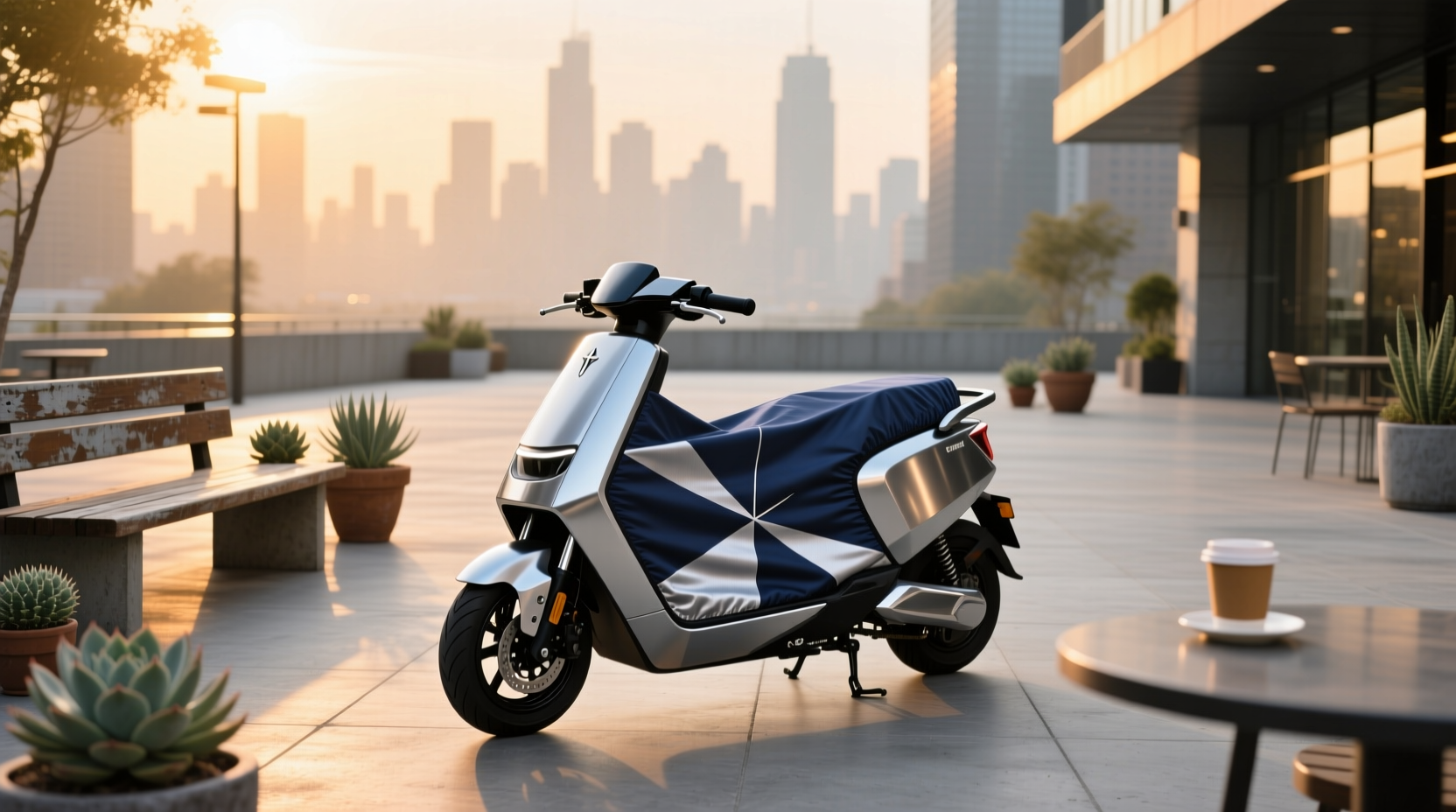
Choosing the right electric scooter cover is essential for protecting your investment from weather, debris, and long-term wear. A high-quality outdoor scooter cover can shield your mobility or personal electric scooter from rain, snow, UV rays, and dirt—especially if stored outside or transported frequently. Whether you own a 3-wheel, 4-wheel, or compact folding model, selecting a properly fitting, durable, and weather-resistant cover significantly extends your scooter’s lifespan and maintains battery performance ✅.
Why You Need an Electric Scooter Cover
Many users assume their scooters are built to handle light exposure to the elements—but repeated contact with moisture, sunlight, and dust can degrade materials over time. Leaving your scooter uncovered exposes it to:
- 🌧️ Rain and moisture: Can seep into electrical components, leading to corrosion or short circuits
- ☀️ UV radiation: Fades colors, cracks plastic parts, and weakens tires and seat padding
- 🍂 Dust and debris: Accumulates in joints, brakes, and undercarriage, increasing maintenance needs
- ❄️ Snow and ice: Adds weight and may cause structural stress when frozen on sensitive parts
- 🌬️ Wind-blown pollutants: Tree sap, bird droppings, and road grime accelerate surface deterioration
Using a dedicated waterproof scooter cover minimizes these risks. It acts as a barrier that preserves both appearance and function, especially important for battery-powered models where internal electronics are vulnerable.
Types of Electric Scooter Covers
Not all covers serve the same purpose. Understanding the differences helps match protection to your storage and usage patterns.
1. Indoor vs. Outdoor Covers
🔸 Indoor storage covers: Lightweight, often made from soft polyester or nylon. Designed to block dust during garage or home storage. Not waterproof but breathable.
🔸 Outdoor-rated covers: Constructed with multi-layer fabrics (e.g., 190T–300D polyester), PU coatings, or PVC backing. Resistant to wind lift, UV fading, and water penetration. Look for terms like “all-weather” or “heavy-duty.”
2. Universal vs. Custom Fit
🔸 Universal fit: Adjustable straps and elastic hems allow one size to fit various models. More affordable but may flap in wind or leave gaps.
🔸 Model-specific: Tailored to exact dimensions of popular brands (e.g., Pride Mobility, Go-Ped). Offers tighter seal and better element deflection, though pricier.
3. Transport Covers
These are designed for moving scooters in vehicles or trailers. Often feature reinforced corners, lightweight material, and quick-release buckles. Some include padded sections to prevent scratches during transit 🚚.
4. Multi-Season All-Weather Covers
Top-tier options use laminated fabric layers with heat-sealed seams. These provide insulation in winter and reflect solar heat in summer. Ideal for year-round outdoor parking. Brands sometimes label them as “4-season” or “extreme climate” covers ⚙️.
Key Features to Look For
When comparing mobility scooter rain covers or personal e-scooter models, focus on measurable attributes rather than marketing claims.
Fabric Material & Denier Rating
The denier (D) measures fiber thickness. Higher numbers indicate stronger fabric:
- 150D–200D: Basic protection, suitable for occasional outdoor use
- 210D–300D: Recommended for regular outdoor exposure
- PVC-coated or Oxford weave: Maximum durability and water resistance
Avoid thin polyethylene covers—they tear easily and degrade under UV light.
Water Resistance (Hydrostatic Head)
This rating shows how much pressure a fabric can withstand before leaking. Measured in mm (millimeters):
- <1,000mm: Light splash resistance only
- 1,000–2,000mm: Suitable for moderate rain
- 3,000mm+: True waterproofing for heavy storms
Covers labeled “water-resistant” typically fall below 2,000mm. For full storm protection, look for “fully waterproof” with sealed seams.
Ventilation & Linings
Non-breathable covers trap moisture inside, promoting mold and rust. Better designs include:
- Inner mesh lining to reduce condensation
- Vents near the top or sides to allow airflow
- Soft fleece-backed interiors to prevent scratching
If storing long-term, consider using desiccant packs underneath the cover.
Security Features
Wind can blow covers off or cause flapping that damages paint. Key anti-lift features:
- Elasticized hem with adjustable drawstrings
- Under-chassis straps or buckle systems
- Anti-theft loops compatible with locks
In windy areas, hitch-mounted or weighted-base covers offer added stability.
Sizing Your Scooter Correctly
An ill-fitting cover compromises protection. To determine the right size:
- Measure length from front bumper to rear axle
- Measure height from ground to highest point (usually seat or canopy)
- Measure width across widest section (often rear wheels or armrests)
Compare measurements to product specs. Don’t rely solely on “fits most 3-wheel scooters” claims. If between sizes, go larger—but ensure it has tightening mechanisms to avoid loose drape.
| Scooter Type | Avg. Length | Avg. Height | Recommended Cover Size |
|---|---|---|---|
| Compact Folding E-Scooter | 40–45 inches | 36–40 inches | Small / S |
| Standard 3-Wheel Mobility Scooter | 55–65 inches | 45–50 inches | Medium / M |
| Large 4-Wheel or Heavy-Duty Model | 65–75 inches | 50–58 inches | Large / L or XL |
| Transport/Travel Cover | Custom-fit boxes | N/A | By model number |
Common Misconceptions About Scooter Covers
Despite widespread availability, several myths persist:
Misconception 1: “All Waterproof Covers Are the Same”
False. Many budget covers claim “waterproof” but lack seam sealing or sufficient coating. True waterproofing requires fully taped seams and hydrostatic ratings above 3,000mm.
Misconception 2: “My Scooter Is Weather-Sealed, So I Don’t Need a Cover”
While some scooters have IP-rated enclosures, prolonged exposure still affects non-electronic parts. Tires dry out, seats crack, and connectors corrode. A cover adds a critical secondary defense.
Misconception 3: “A Tarp Works Just as Well”
Improvised tarps trap moisture, lack secure fastening, and often scratch finishes. They also blow away easily. Purpose-built covers are shaped to fit contours and include protective linings.
Misconception 4: “Covers Cause Condensation, So They Do More Harm Than Good”
This happens only with poor design. Breathable fabrics, vents, and inner liners prevent this issue. Proper ventilation ensures air circulation without letting in rain.
Storage Scenarios and Recommended Cover Types
Your usage pattern determines the best cover type.
Scenario 1: Stored Outside Overnight or Long-Term
✅ Use: Heavy-duty outdoor cover with UV protection, high hydrostatic head (>3,000mm), and undercarriage straps
❌ Avoid: Thin, unlined, or non-adjustable models
Scenario 2: Garage or Covered Porch Storage
✅ Use: Mid-weight water-resistant cover with dust-blocking fabric
💡 Tip: Add a moisture absorber bag inside to prevent humidity buildup
Scenario 3: Frequent Travel or Vehicle Transport
✅ Use: Lightweight transport cover with reinforced edges and quick-fastening buckles
⚠️ Note: Remove battery before covering to avoid heat retention
Scenario 4: Urban Apartment Living (Balcony or Entryway)
✅ Use: Compact, stylish cover with anti-theft loop and sleek profile
📍 Consider: Theft deterrence via lock-through eyelets
Installation Tips for Maximum Effectiveness
Even the best cover fails if not used correctly.
- 🧼 Clean first: Wipe down scooter before covering to avoid trapping dirt or moisture
- 🔋 Remove battery (if possible): Prevents heat buildup under insulated covers
- 🌀 Secure all straps: Tighten drawcords and attach under-chassis ties to prevent wind lift
- 🌤️ Check periodically: Inspect for tears, pooling water, or displaced positioning after storms
- 🧺 Store properly when not in use: Fold neatly in a dry place; avoid compressing for extended periods
Price vs. Value: What’s a Fair Cost?
Cover prices range from under $20 to over $150. Here’s how cost correlates with quality:
- $10–$30: Entry-level, often universal fit. May lack breathability or strong stitching. Best for temporary or indoor use.
- $30–$60: Mid-range with better materials (e.g., 210D+ polyester), partial waterproofing, and improved fit. Suitable for most outdoor scenarios.
- $60–$100: Premium builds with multi-layer fabric, full seam sealing, ventilation, and custom tailoring. Ideal for harsh climates.
- $100+: Commercial-grade or specialized covers (e.g., hitch-mounted, insulated, or military-spec). Justified for frequent exposure or high-value scooters.
Investing in a $40–$70 cover typically offers the best balance of durability and value for everyday users.
Environmental and Regional Considerations
Climate affects cover choice:
- 🌧️ Wet regions (Pacific Northwest, UK): Prioritize high hydrostatic ratings and venting to manage persistent dampness.
- ☀️ Sunny/desert areas (Arizona, Mediterranean): UV-resistant fabric (e.g., silver-coated or reflective outer layer) prevents interior overheating.
- ❄️ Cold/winter zones (Canada, Northern Europe): Insulated or double-walled covers help prevent freezing of lubricants and brittle plastics.
- 💨 Windy coastal areas: Choose models with aerodynamic shaping and multiple anchor points.
Alternatives to Traditional Covers
If a standard cover isn’t ideal, consider these options:
- 🛖 Scooter shelters or canopies: Permanent or semi-permanent structures that provide overhead protection without enclosing the entire unit.
- 📦 Hard-shell transport cases: Rigid containers for air travel or long-term storage. Offer maximum impact and weather protection.
- 🏠 Wall-mounted storage racks with roof: Elevates scooter off ground and integrates a small awning.
- 🔌 Dehumidifiers in enclosed spaces: When stored indoors, controlling ambient humidity reduces need for heavy covers.
Maintenance and Lifespan
A well-maintained cover lasts 2–5 years. Extend its life by:
- 🧼 Hand-washing with mild soap and air-drying
- 🚫 Avoiding machine washing or drying (damages coatings)
- 🔍 Repairing small tears with patch kits immediately
- 🌙 Storing folded in a cool, dry place when not in use
- 🔁 Replacing when fabric becomes stiff, cracked, or no longer sheds water
DIY vs. Pre-Made Covers
Some users attempt homemade solutions using fabric remnants or repurposed tarps. While cost-saving, DIY versions rarely match factory engineering in fit, breathability, or longevity. Exceptions include custom sewing with marine-grade canvas and professional seam sealing—though labor often exceeds pre-made costs.
Final Checklist Before Buying
Before purchasing any electric scooter cover, verify:
- 📏 Exact dimensions match your scooter model
- 💧 Hydrostatic head ≥ 3,000mm for true waterproofing
- 🧵 Seams are double-stitched or taped
- 🌬️ Includes ventilation or breathable lining
- 🔒 Has secure fastening system (straps, buckles, drawstring)
- ☀️ UV protection rated for at least 500+ hours
- 🧼 Care instructions allow for easy cleaning
- 🔄 Return policy in case of fit issues
Frequently Asked Questions
- Can I leave my electric scooter in the rain without a cover?
- No. While some scooters have basic water resistance, prolonged exposure can damage electronics, batteries, and structural components. Always use a cover if left outside.
- Do mobility scooter covers fit personal electric scooters?
- Not always. Mobility scooters are larger and wider. Personal foldable e-scooters require smaller, contoured covers. Check dimensions carefully before assuming compatibility.
- Should I cover my scooter while the battery is charging?
- No. Avoid covering during charging. Heat generated by the battery and charger can become trapped, increasing fire risk and degrading the cover fabric.
- How do I clean a scooter cover?
- Use mild detergent and lukewarm water. Hand wash or gentle cycle, then air dry. Never machine dry, as heat damages waterproof coatings.
- Are expensive scooter covers worth it?
- For frequent outdoor use, yes. Higher-priced models offer better materials, fit, and longevity. For occasional indoor use, mid-range covers suffice.




 浙公网安备
33010002000092号
 浙B2-20120091-4