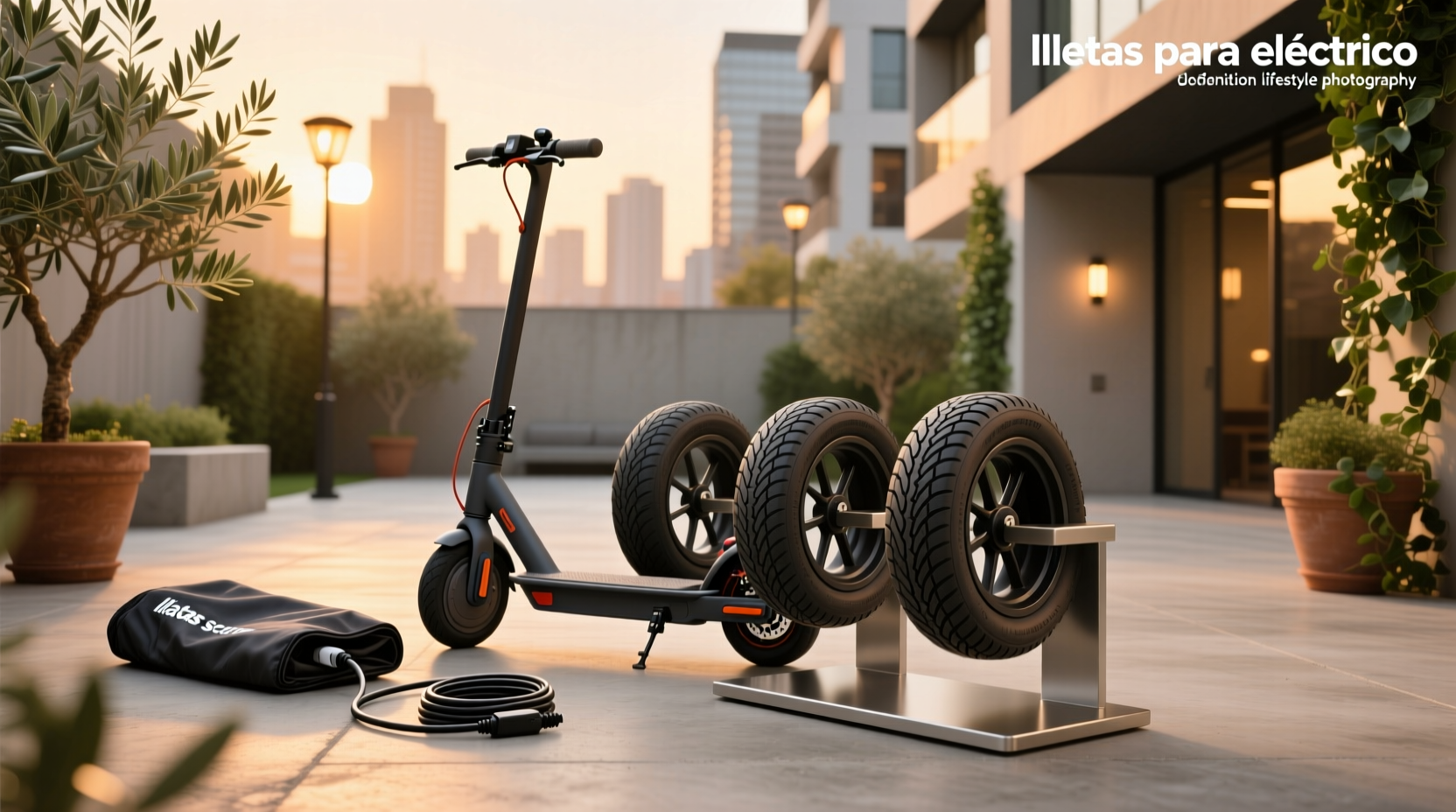
Finding the right llantas para scooter eléctrico is crucial for performance, safety, and ride comfort. Whether you're commuting through city streets or cruising on paved trails, selecting the correct tire type—based on size, material, tread pattern, and inflation needs—can significantly impact your scooter’s efficiency and longevity. Many riders overlook key specifications like load capacity, tubeless vs. tubed design, and wear indicators, leading to premature replacements or unsafe riding conditions ✅. This guide breaks down everything you need to know when replacing or upgrading electric scooter tires, including compatibility checks, maintenance tips, and how to interpret sidewall markings like 120/70-12 or 3.00-10.
Why Tire Selection Matters for Electric Scooters
Unlike traditional bicycles or motorcycles, electric scooters operate under unique mechanical demands. The motor delivers instant torque, often placing sudden stress on the rear wheel, especially during acceleration ⚡. Additionally, batteries add considerable weight compared to non-electric models, increasing pressure on both tires. Choosing inappropriate llantas para scooter eléctrico can result in reduced range, poor traction, increased rolling resistance, and even structural failure over time.
There are two primary types of tires used in electric scooters: pneumatic (air-filled) and solid (non-pneumatic). Each has distinct advantages and drawbacks depending on your usage scenario:
- Pneumatic Tires: Offer superior shock absorption and grip, ideal for uneven sidewalks, potholes, or outdoor paths 🌍. However, they require regular air pressure checks and are susceptible to punctures.
- Solid Tires: Maintenance-free and immune to flats, making them popular for shared urban fleets. But they provide a harsher ride and less traction on wet surfaces.
Understanding these differences helps determine which tire type aligns with your riding environment and priorities.
How to Read Tire Size Markings
Tire sidewalls contain coded information that tells you exactly what fits your scooter. A common format is 120/70-12, which breaks down as follows:
- 120: Section width in millimeters—the measurement across the tire at its widest point when mounted and inflated.
- 70: Aspect ratio—this is the height of the sidewall as a percentage of the width (70% of 120mm = 84mm).
- 12: Rim diameter in inches—the size of the wheel it fits.
Another format, such as 3.00-10, uses inches instead of millimeters:
- 3.00: Approximate tire width in inches.
- 10: Rim diameter in inches.
It’s essential to match these numbers precisely with your scooter manufacturer’s recommendations. Installing a tire with an incorrect rim diameter can damage the wheel hub or braking system ❗. Even slight mismatches in width may affect handling or cause interference with fenders.
Tubeless vs. Tubed Tires: What’s the Difference?
Some modern electric scooters use tubeless tire systems, where the seal between the tire and rim holds the air directly. Others rely on an inner tube to maintain pressure. You cannot interchange these designs without modifying the rim.
| Feature | Tubeless | Tubed |
|---|---|---|
| Flat Resistance | Higher – small punctures can self-seal | Lower – any hole deflates the entire tube |
| Maintenance | Requires sealant; harder to repair off-road | Easier to patch but more frequent leaks |
| Weight | Lighter overall | Heavier due to inner tube |
| Cost | Generally higher upfront | More affordable replacement parts |
| Compatibility | Limited to specific rims | Widely compatible with older models |
If you’re replacing tires, verify whether your scooter supports tubeless setups. Attempting to install a tubeless tire on a non-beaded rim will not hold pressure safely 🔧.
Key Factors When Buying Replacement Tires
Selecting new llantas para scooter eléctrico involves more than just matching size. Consider the following criteria:
Riding Terrain and Surface Conditions
Your typical route determines optimal tread design:
- Urban Commuting (Pavement Only): Smooth or lightly grooved treads reduce rolling resistance and maximize battery efficiency ✨.
- Outdoor or Mixed Use: Knobby or aggressive treads improve grip on gravel, grass, or damp concrete.
- Wet Weather Performance: Look for deep longitudinal grooves that channel water away and prevent hydroplaning.
Durability and Wear Resistance
Tire compound affects lifespan. Softer rubber offers better grip but wears faster. Harder compounds last longer but sacrifice some traction. Riders logging high mileage should prioritize wear-resistant materials, especially if using shared or rental scooters frequently.
Load Capacity and Speed Rating
Check the load index (e.g., 51L) printed on the sidewall. This indicates the maximum weight the tire can carry at its rated speed. For example:
- 51 = 195 kg (430 lbs)
- L = Suitable up to 120 km/h (75 mph)
Exceeding either rating risks blowouts or accelerated degradation. Always ensure the tire meets or exceeds your scooter’s factory specifications.
Rim Compatibility and Bolt Pattern
Even if the tire size matches, confirm that the rim’s width and bolt count (if applicable) align. Some scooters have proprietary hubs or axle systems that limit aftermarket options. Measure the internal rim width before purchasing wide-section tires.
Where to Buy llantas para scooter eléctrico
You can find replacement tires through various channels:
- Manufacturer Direct: Often the safest option for exact OEM matches, though sometimes costly.
- Specialty E-Scooter Retailers: Carry branded components designed specifically for popular models like Xiaomi, Segway, or Unagi.
- Online Marketplaces: Offer broad selection but vary in quality control—always check seller ratings and product reviews carefully 📊.
- Local Repair Shops: May stock common sizes and offer installation services, saving time and effort.
Avoid generic listings that lack detailed specs or real photos. Prioritize sellers who provide clear dimensions, load ratings, and compatibility notes.
Common Mistakes to Avoid
Many users make avoidable errors when replacing tires:
- Ignoring Load Ratings: Assuming all tires of the same size are equal, regardless of weight limits.
- Using Incompatible Sealants: Applying automotive-grade sealants to small-diameter scooter tires, which can unbalance the wheel.
- Overinflating Solid Tires: While rare, some solid tires still have pressure guidelines—check documentation.
- Skipping Break-in Period: New pneumatic tires need 30–50 km of gentle riding to reach optimal grip 1.
- Improper Storage: Leaving scooters parked long-term with underinflated tires causes flat spots.
Maintenance Tips to Extend Tire Life
Proper care ensures longer service intervals and safer operation:
- Check Air Pressure Monthly: Use a digital gauge to maintain recommended PSI (usually listed on the tire sidewall or user manual).
- Inspect for Cracks and Cuts: Especially after hitting curbs or sharp debris.
- Rotate Tires (If Applicable): Some dual-wheel scooters allow front-rear rotation to balance wear.
- Clean with Mild Soap: Harsh chemicals degrade rubber over time 🧼.
- Avoid Extreme Temperatures: Prolonged exposure to direct sunlight or freezing conditions weakens tire structure.
When to Replace Your Electric Scooter Tires
Don’t wait until a tire fails completely. Signs it’s time for replacement include:
- Visible cracks or dry rot in the sidewall
- Exposed cords or fabric layers
- Significant loss of tread depth (use a coin test)
- Repeated air loss despite repairs
- Vibration or wobbling at normal speeds
Most quality pneumatic tires last between 1,500–3,000 miles depending on rider weight and terrain. Solid tires may last longer but eventually harden and lose elasticity.
Regional Differences and Availability
In Europe and Latin America, certain brands dominate the scooter tire market due to local distribution networks. Michelin, Pirelli, and Bridgestone offer region-specific lines tailored to urban mobility trends 🌐. In North America, smaller specialty manufacturers cater to niche e-scooter platforms. Always verify availability based on your location, especially if ordering internationally 🚚.
Shipping costs and import duties can significantly increase final prices. Consider sourcing locally if urgent replacement is needed ⏱️.
DIY Installation: Is It Possible?
Replacing llantas para scooter eléctrico can be done at home with basic tools:
- Socket wrench set
- Tire levers (for pneumatic types)
- Air pump with pressure gauge
- User manual for torque specifications
Steps:
- Secure the scooter on a stable surface.
- Remove the wheel according to manufacturer instructions.
- Deflate and dismount the old tire using tire levers.
- Mount the new tire, ensuring proper bead seating.
- Inflate gradually while checking for even fitment.
- Reinstall the wheel and torque fasteners correctly.
If unsure, consult a professional technician. Improper assembly can lead to dangerous failures during use.
Environmental Impact and Sustainability
As demand for micro-mobility grows, so does concern about tire waste. Rubber tires do not biodegrade easily and contribute to landfill accumulation. Some manufacturers now offer recyclable compounds or take-back programs 👥. Consider eco-conscious brands or extended-life models to minimize environmental footprint.
Future Trends in Electric Scooter Tires
Innovation continues in this space:
- Self-Healing Compounds: Polymers that seal minor punctures automatically.
- Smart Tires: Embedded sensors monitor pressure and temperature in real-time ⚙️.
- Hybrid Designs: Combining air cores with supportive gel inserts for cushioning without flats.
- 3D-Printed Treads: Customizable patterns optimized for individual rider habits.
While not yet mainstream, these technologies could redefine reliability and customization in coming years.
Frequently Asked Questions (FAQ)
- ❓ Can I put motorcycle tires on my electric scooter?
- No, motorcycle tires are engineered for much higher speeds, loads, and different mounting systems. They are incompatible and unsafe for scooter use.
- ❓ How do I know if my tire is tubeless or tubed?
- Check the sidewall marking—'TL' means tubeless, 'TT' means tube-type. Also, inspect the rim: tubeless rims have a sealed edge without a valve hole insert.
- ❓ What does 120/70-12 mean on a scooter tire?
- It indicates a tire with 120mm width, 70% aspect ratio (sidewall height), and designed for a 12-inch diameter rim.
- ❓ Are wider tires better for electric scooters?
- Wider tires offer more stability and grip but increase rolling resistance and may not fit within fender clearances. Only upgrade if confirmed compatible.
- ❓ How often should I replace my electric scooter tires?
- Typically every 1,500–3,000 miles or when tread wear, cracking, or repeated flats occur. Regular inspection is key.




 浙公网安备
33010002000092号
 浙B2-20120091-4