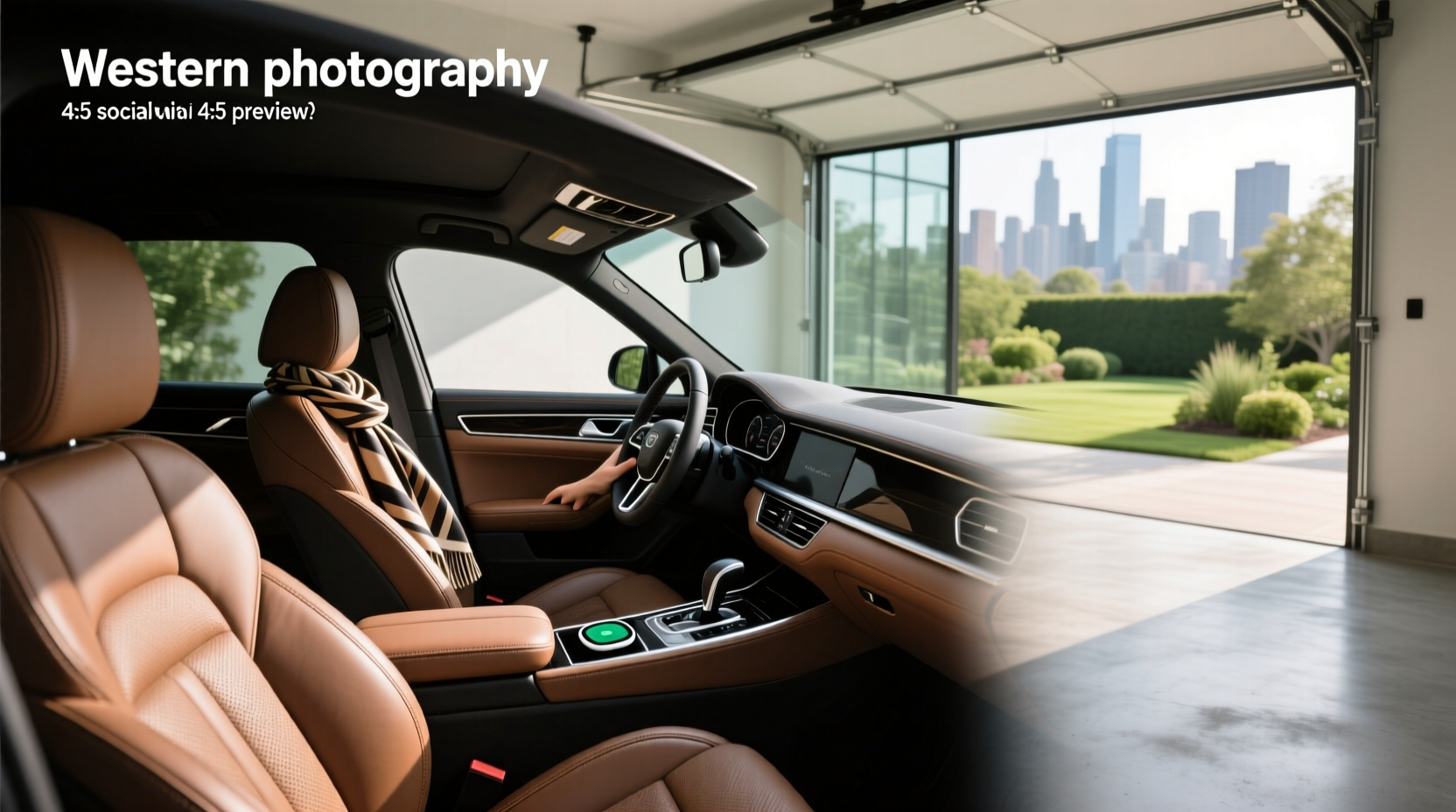
When searching for the best leather car seats, it’s essential to understand that not all leather is created equal. Genuine leather offers superior comfort, durability, and aesthetic appeal compared to synthetic alternatives like vinyl or fabric. However, choosing the right type involves evaluating material quality, maintenance needs, climate compatibility, and long-term value. This guide breaks down everything you need to know—from real user experiences to expert insights—so you can decide whether leather seats suit your lifestyle, climate, and budget.
Why Consider Leather Car Seats?
Many drivers upgrade to leather for its premium feel and ease of cleaning. Unlike cloth upholstery, which absorbs spills and odors, genuine leather resists stains and can be wiped clean with minimal effort ✅. It also tends to last longer when properly maintained, making it a smart investment for those planning to keep their vehicle for several years.
However, the term “leather” in automotive contexts can be misleading. Manufacturers often use terms like “leather-trimmed,” meaning only parts of the seat (like the center panel) are actual leather, while sides and bolsters may be synthetic 📌. Understanding these distinctions helps avoid confusion during purchase.
Types of Leather Used in Car Seats
Not all leather is the same. The quality, sourcing, and processing method significantly affect performance and price ⚙️.
1. Full-Grain Leather
This is the highest quality available. Full-grain leather retains the original surface of the hide, making it more durable and breathable. Over time, it develops a natural patina, enhancing its appearance. Found primarily in luxury vehicles from brands like BMW, Mercedes-Benz, and Lexus, this material ages well but comes at a higher cost.
2. Top-Grain Leather
Slightly lower in quality than full-grain, top-grain leather has been sanded to remove imperfections. It’s still durable and widely used in mid-to-high-end models. While less breathable, it’s more resistant to wear and easier to maintain.
3. Bonded Leather
Made by bonding leather fibers with polyurethane or latex, bonded leather is the lowest tier. Though marketed as “genuine,” it lacks longevity and can peel over time. Often found in aftermarket kits or budget-friendly upgrades, it should be approached with caution ❗.
4. Vegan / Synthetic Leather
Also known as faux leather or leatherette, this material mimics the look of real leather without using animal products. Modern versions, such as Alcantara or PonoHiko, offer improved texture and durability. These are popular among eco-conscious buyers and automakers aiming for sustainability goals 🌍.
| Type of Leather | Durability | Maintenance Level | Average Lifespan | Typical Use Case |
|---|---|---|---|---|
| Full-Grain | ⭐⭐⭐⭐⭐ | Medium | 10–15 years | Luxury OEM interiors |
| Top-Grain | ⭐⭐⭐⭐ | Low-Medium | 8–12 years | Premium trims, SUVs |
| Bonded | ⭐⭐ | High | 3–5 years | Aftermarket kits |
| Synthetic (Leatherette) | ⭐⭐⭐ | Low | 5–8 years | Eco-friendly options |
Are Leather Seats Worth It?
The answer depends on your driving habits, environment, and priorities 👥.
Pros of Leather Car Seats
- Easy to Clean: Spills, crumbs, and pet hair wipe off easily with a damp cloth 🧼.
- Durability: High-quality leather withstands daily wear better than fabric, especially in high-traffic areas.
- Allergy-Friendly: Unlike cloth, leather doesn’t trap dust, pollen, or pet dander, benefiting allergy sufferers.
- Premium Aesthetic: Adds a luxurious feel to the cabin, increasing resale value in many markets.
- Better Climate Control Compatibility: Works efficiently with heated and ventilated seats due to thinner layers and heat conductivity.
Cons of Leather Car Seats
- Heat Retention: In hot climates, leather can become uncomfortably warm under direct sunlight 🔥.
- Cold in Winter: Without seat heaters, leather feels colder than fabric in low temperatures.
- UV Damage Risk: Prolonged sun exposure causes fading and cracking unless conditioned regularly.
- Higher Initial Cost: Factory-installed leather packages typically add $1,500–$3,500 to MSRP.
- Maintenance Required: Needs periodic conditioning to prevent drying and cracking.
Reddit discussions show mixed opinions: some users praise leather for cleanliness and comfort, while others complain about summer heat buildup 1. One user noted, “It’s easier to clean but… I hate how hot they become.” This highlights the importance of regional considerations.
Climate Considerations: Is Leather Suitable for Your Region?
Your local weather plays a major role in determining whether leather is practical 🌐.
Hot Climates (e.g., Arizona, UAE)
In regions with intense sun exposure, leather seats can reach temperatures exceeding 160°F (71°C) after hours parked in sunlight. Using sunshades, tinted windows, or remote start to cool the cabin before entry helps mitigate discomfort. Lighter colors (beige, tan) absorb less heat than black or dark brown.
Cold Climates (e.g., Canada, Scandinavia)
In freezing conditions, leather conducts cold faster than fabric. Heated seats are nearly essential for comfort. Some owners install seat covers during winter months to reduce chill upon entry.
Moderate Climates (e.g., Pacific Northwest, UK)
These environments are ideal for leather, where temperature extremes are rare. Minimal seasonal adjustment is needed, and maintenance routines remain consistent year-round.
Cost Analysis: How Much Do Leather Seats Really Cost?
The price varies widely depending on whether you’re buying new, upgrading used, or installing aftermarket solutions 💰.
Factory-Installed Leather (OEM)
Adding a leather package at purchase usually costs between $1,500 and $3,500. Higher-end models may exceed $5,000. The benefit? Perfect fit, warranty coverage, and seamless integration with safety systems like side airbags.
Aftermarket Leather Seat Covers
Ranging from ₹8,999 to ₹22,400 (~$100–$300 USD), these are budget-friendly alternatives. Brands like AUTOFIT and Elegant Auto Retail offer universal or model-specific fits. While affordable, quality varies significantly—some use PU leather that degrades within a few years.
Full Reupholstery
Replacing entire seat covers with genuine leather starts around $1,000 per seat and can go up to $3,000+ for custom work using Italian or Nappa leather. Companies like Upholstery Limited LLC specialize in this service, offering tailored designs and color matching ✈️.
While cheaper than factory options upfront, poor craftsmanship can lead to bubbling, improper airbag deployment, or premature wear. Always choose certified installers with automotive experience.
Maintenance Tips for Long-Lasting Leather Seats
Proper care extends lifespan and preserves appearance 🛠️.
1. Regular Cleaning
Use a pH-balanced leather cleaner every 2–3 months. Avoid household cleaners containing ammonia or alcohol, which strip natural oils.
2. Conditioning Every 6 Months
Apply a high-quality leather conditioner to replenish moisture and prevent cracking. Products from 3M India recommend this step to reverse UV damage effects 2.
3. Sun Protection
Parking in shade, using windshield shades, or applying UV-protective sprays reduces fading. Tinted windows block up to 99% of harmful rays.
4. Immediate Spill Response
Blot liquids immediately with a microfiber cloth. Never scrub aggressively—this can push stains deeper into pores.
Common Misconceptions About Leather Seats
Several myths persist despite evidence to the contrary 🔍.
Myth #1: All Leather Seats Are Created Equal
False. As discussed earlier, full-grain, top-grain, and bonded leathers differ drastically in quality. Always verify what type your vehicle uses.
Myth #2: Leather Is Completely Maintenance-Free
No material is maintenance-free. Neglecting conditioning leads to dryness, cracks, and costly repairs later.
Myth #3: Leather Doesn’t Scratch Easily
Pets, sharp objects, and frequent friction can cause scratches. While minor marks may blend over time, deep cuts require professional repair.
Myth #4: Leather Seats Improve Resale Value Universally
While generally true in moderate climates, in extremely hot regions, potential buyers may view leather as a drawback due to heat issues.
How to Spot Fake or Low-Quality Leather Upgrades
Be cautious when shopping online or through third-party vendors 🚫.
- Check Product Descriptions: Look for terms like “PU leather,” “artificial leather,” or “synthetic”—these aren’t genuine hides.
- Feel the Texture: Real leather has slight imperfections and a soft, porous feel. Uniform, plastic-like surfaces indicate imitation.
- Smell Test: Genuine leather has a distinct earthy scent. Faux leather often smells chemical or rubbery.
- Price Too Good to Be True? Authentic leather reupholstery rarely costs under $800 per seat.
Alternatives to Traditional Leather
If pure leather isn’t suitable, consider hybrid or advanced materials ✨.
Leather/Fabric Hybrids
Some manufacturers combine leather bolsters with fabric centers. This balances comfort, breathability, and cost. Ideal for active lifestyles or families with children.
Microfiber Upholstery
Brands like Ultrasuede offer durable, stain-resistant, and eco-friendly alternatives. Often used in performance vehicles, they mimic suede without the maintenance burden.
Recycled Materials
Increasingly common in EVs (e.g., Tesla, Polestar), recycled polyester blends provide sustainable comfort with modern styling.
Final Decision Checklist: Should You Buy Leather Seats?
Before committing, ask yourself:
- Do I live in an extreme climate? → May require additional accessories (sunshades, seat heaters).
- Am I willing to perform routine maintenance? → Conditioning every 6 months is non-negotiable.
- Is resale value important? → Leather generally improves marketability.
- Do I have pets or young children? → Easier cleanup makes leather highly beneficial.
- What’s my budget? → Aftermarket covers save money but sacrifice longevity.
If most answers align with leather benefits, it’s likely a worthwhile upgrade.
Frequently Asked Questions (FAQs)
Here are common questions users have after researching the best leather car seats:
- Are leather seats worth it in hot climates?
- They can be uncomfortable in direct sun, but using window tint, sunshades, and lighter-colored leather minimizes heat absorption. Regular cooling routines help manage temperature.
- What is the downside of leather car seats?
- Main drawbacks include heat retention in summer, cold feel in winter, susceptibility to UV damage, and ongoing maintenance requirements like cleaning and conditioning.
- Why do cars not have leather seats anymore?
- Many newer vehicles use synthetic or hybrid materials due to cost, sustainability goals, and consumer demand for vegan options. Some brands still offer genuine leather in premium trims.
- How expensive is it to put leather seats in a car?
- Factory installation adds $1,500–$3,500. Aftermarket covers range from $100–$500. Full reupholstery costs $1,000–$3,000+ per seat depending on material and labor.
- Can I clean leather car seats myself?
- Yes, using a pH-balanced leather cleaner and microfiber cloth. Follow with a conditioner every six months to prevent drying and cracking.




 浙公网安备
33010002000092号
 浙B2-20120091-4