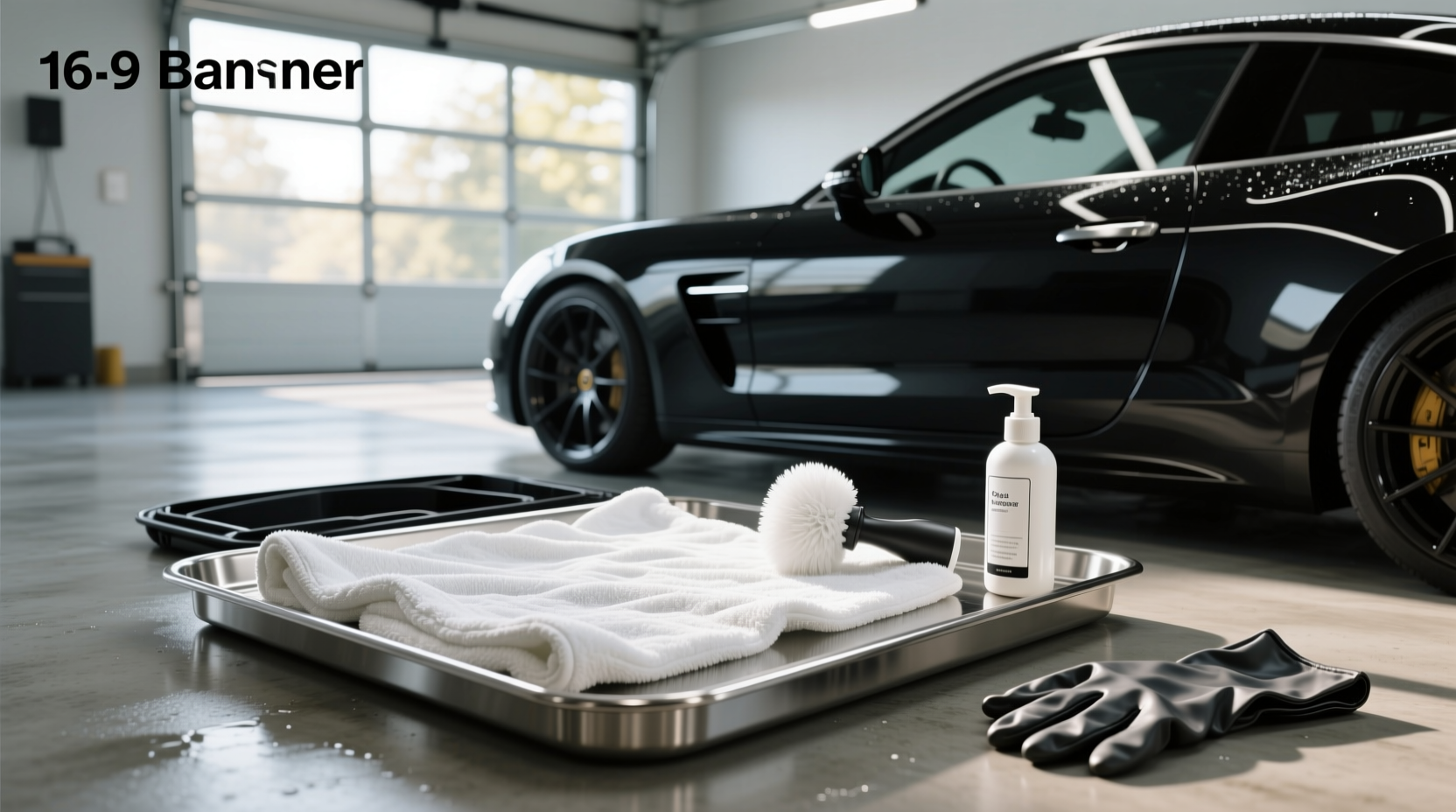
When it comes to safely and effectively washing and drying your car, microfiber car wash towels are widely considered the gold standard in automotive detailing. Unlike traditional cotton or terry cloth towels, high-quality microfiber towels offer superior absorbency, lint-free performance, and a scratch-resistant surface that protects delicate paint finishes. The best microfiber car wash towel for your needs depends on several key factors: gram weight (GSM), weave type, towel size, and intended application—whether for drying, wax removal, glass cleaning, or general surface wiping. Understanding these variables helps you avoid common mistakes like swirl marks, lint residue, or premature fiber breakdown due to improper care.
Why Microfiber Is Ideal for Car Washing and Drying
Microfiber is a synthetic blend—typically 80% polyester and 20% polyamide—that undergoes a splitting process to create ultra-fine fibers. These fibers are thinner than silk and have a high surface area, allowing them to trap dirt, oil, and water without releasing particles back onto the surface 1. This makes microfiber cloths especially effective for vehicle maintenance where minimizing abrasion is critical.
Compared to cotton towels, which can leave lint and may harbor coarse fibers that scratch clear coats, microfiber is engineered for precision cleaning. When used correctly, it removes water efficiently during drying, lifts contaminants during wipe-downs, and buffs polishes or sealants without leaving haze or residue. However, not all microfiber towels perform equally. Performance varies significantly based on construction quality and material composition.
Key Factors That Define a High-Quality Microfiber Car Wash Towel
To make an informed decision, focus on four measurable characteristics: GSM, weave type, edge finish, and size. Each plays a role in performance and longevity.
Gram Weight (GSM): How Thick and Absorbent Should It Be?
GSM stands for grams per square meter and measures the density of the fabric. In practical terms, higher GSM means a thicker, more absorbent towel—but also potentially slower drying times and heavier weight.
- 300–400 GSM: Lightweight and fast-drying; ideal for glass cleaning, interior wiping, or light dusting. These are less absorbent but excellent for tasks requiring streak-free results.
- 400–600 GSM: Mid-weight range; suitable for general-purpose detailing, including wax and polish removal. Offers a balance between softness and durability.
- 600–900+ GSM: Heavy-duty drying towels; designed to soak up large volumes of water quickly. Often used as car drying towels after a full exterior wash. Higher GSM increases water capacity but requires thorough laundering to prevent mildew.
For example, a 24” x 24” towel at 800 GSM can absorb up to half a gallon of water, making it highly efficient for drying luxury sedans or SUVs without repeated passes 2.
Weave Types: Coral, Waffle, Flat, and Terry
The way fibers are woven affects texture, absorbency, and trapping efficiency. Common weaves include:
| Weave Type | Absorbency | Softness | Best Use Case |
|---|---|---|---|
| Coral Knit | High | Very Soft | Drying painted surfaces |
| Waffle Weave | Very High | Moderate | Water-heavy drying; good for humid climates |
| Flat Weave | Low-Moderate | Smooth | Glass, screens, final buffing |
| Terry Loop | Moderate | Rougher | Wheel cleaning, heavy grime (not recommended for paint) |
Coral knit towels, such as those labeled coral weave drying towel, are popular among detailers because they combine plushness with strong capillary action. Waffle weave towels excel in moisture dispersion and are often preferred in regions with high humidity due to faster evaporation rates.
Edge Finishing: Why Folded or Serged Edges Matter
The edges of a microfiber towel can scratch if not properly finished. Towels with raw or cut edges may fray over time, releasing loose fibers that embed into paintwork. Look for towels with:
- Serged (overlocked) edges: Stitched with reinforced thread to prevent fraying.
- Folded hems: Sewn edges folded inward for a smooth profile.
- Edgeless design: Some premium towels eliminate stitching entirely along borders to reduce friction points.
These features help ensure the towel glides smoothly across curved panels and tight contours without catching or marring.
Size and Shape: Does Towel Dimension Affect Performance?
Common sizes range from 12” x 12” to 24” x 36”. Larger towels cover more surface area per pass, reducing effort and time when drying full-body vehicles. Smaller ones offer better control for confined spaces like door jambs or trim lines.
An XL microfiber drying towel (e.g., 24” x 36”) is optimal for drying entire doors or hoods in one swipe. However, oversized towels require more frequent flipping to avoid redepositing dirt and need larger washing machines for proper cleaning.
How to Use Microfiber Car Wash Towels Correctly
Even the best towel can damage paint if misused. Follow these guidelines to maximize safety and effectiveness.
Pre-Wash Preparation
Before first use, wash new microfiber towels in warm water without fabric softener. Softeners coat fibers, reducing absorbency and lubricity. Use a dedicated detergent formulated for microfiber to preserve integrity.
During Washing and Drying
When drying your car post-wash:
- Shake excess water off the vehicle before toweling.
- Fold the towel into quarters to increase thickness and create multiple clean surfaces.
- Use a blotting or dragging motion—never rub aggressively.
- Flip to a clean section frequently; replace the towel once saturated.
For cleaning interiors or applying products, use separate towels designated for specific tasks (e.g., one set for glass, another for dash). Cross-contamination spreads oils and grit.
Storage Tips
Store clean, dry towels in sealed bins or resealable bags to prevent dust accumulation. Avoid leaving them loose in trunks or glove compartments where heat and debris degrade fibers.
Common Mistakes to Avoid with Microfiber Towels
Many users unknowingly shorten towel life or risk paint damage through simple errors.
- Mixing with cotton laundry: Cotton fibers cling to microfiber, creating abrasive lint balls.
- Using bleach or fabric softener: Both break down synthetic fibers and reduce lifespan.
- Drying in direct sunlight: UV exposure weakens stitching and fades colors.
- Using on extremely dirty surfaces: Sand and road grit embedded in mud can cause micro-scratches even with soft towels.
If a towel feels rough or leaves lint, it’s likely degraded and should be retired from paint-safe duties.
Are Expensive Microfiber Towels Worth It?
Premium towels often cost $15–$60 each, while budget options sell for under $10. Price differences reflect material quality, manufacturing precision, and durability.
Higher-end towels typically feature tighter weaves, double-stitched seams, consistent GSM, and rigorous quality control. They last longer—often 300+ washes with proper care—and maintain softness over time. Cheaper alternatives may shed fibers, lose absorbency quickly, or develop hard spots after repeated laundering.
That said, value isn’t solely determined by price. Some mid-range towels deliver excellent performance for occasional users. Consider frequency of use: daily detailers benefit from investing in professional-grade products, whereas weekend car owners may find affordable packs sufficient.
How to Clean and Maintain Microfiber Towels
Proper care extends usable life and ensures consistent performance.
Washing Guidelines
- Wash separately from other fabrics.
- Use cold to warm water (below 105°F / 40°C).
- Choose a mild, fragrance-free detergent; avoid additives.
- Do not use dryer sheets or liquid softeners.
Drying Instructions
- Tumble dry on low heat.
- Remove promptly to prevent static buildup.
- Avoid high heat, which melts fibers and damages bindings.
Inspect towels regularly for wear. Replace any showing signs of thinning, pilling, or frayed edges when working on painted surfaces.
Specialty Towels: Where to Use Which Type
Different detailing tasks require different tools. Using the wrong towel can compromise results.
Paint-Safe Drying Towels
Use coral or waffle weave, 600+ GSM towels with serged edges. These are optimized for removing water without scratching.
Glass and Mirror Cleaning
Select flat-weave, low-lint towels (300–400 GSM). Their smooth surface prevents streaks and static buildup on transparent surfaces.
Polish and Wax Removal
Medium-weight (400–600 GSM), slightly textured towels work best. They provide enough friction to lift residues without marring the finish.
Interior and Trim Wiping
Use color-coded towels to prevent cross-contamination. Dark-colored towels hide stains from leather conditioners or wheel cleaners.
Wheel and Brake Dust Cleanup
Reserve sturdier terry-loop or dual-sided towels for this task. Never reuse these on paint or glass.
Buying in Bulk vs. Single Packs: What’s Better?
Detail shops and fleet operators often buy wholesale microfiber car wash towels to reduce long-term costs. Bulk purchases lower unit prices and ensure consistency across teams.
For individual consumers, buying multi-packs (6–12 pieces) offers better value than singles. However, verify that all towels in a batch match in GSM and weave. Inconsistent quality within a pack reduces reliability.
When sourcing in bulk, confirm whether the supplier uses industrial dyes and standardized cutting processes. Poor dye lot control can lead to shedding or uneven texture.
Environmental and Safety Considerations
Microfiber releases microplastics during washing. To minimize environmental impact:
- Use a microfiber laundry bag to capture shed fibers.
- Opt for front-loading washing machines, which use less agitation.
- Support brands using recycled materials or offering take-back programs.
From a user safety standpoint, high-quality microfiber reduces reliance on chemical cleaners by improving mechanical lifting of dirt, lowering exposure risks.
Regional and Climate-Based Considerations
Where you live influences ideal towel choice.
- Humid climates: Choose quick-drying waffle weaves to prevent mildew growth between uses.
- Dry, dusty areas: Prioritize tightly woven flat or coral towels that resist embedding fine particulates.
- Cold weather: Thicker towels retain warmth and remain pliable, aiding water pickup despite low temperatures.
DIY Testing: How to Evaluate a Microfiber Towel Yourself
You don’t need lab equipment to assess quality. Try these field tests:
- Water drop test: Place a few drops on the surface. High-absorbency towels pull moisture in within seconds.
- Lint check: Rub against a dark surface. No visible fibers should transfer.
- Softness test: Gently stroke across the back of your hand. It should feel smooth, not scratchy.
- Light hold test: Hold up to bright light. Lower-quality towels show visible holes or inconsistent weaving.
Alternatives to Microfiber: Are They Viable?
While microfiber dominates, some alternatives exist:
- Cotton terry: Affordable but prone to lint and less absorbent. Risk of scratching if sandy.
- PVA (polyvinyl alcohol) chamois: Extremely absorbent but requires conditioning and degrades faster than microfiber.
- Natural chamois: Traditional leather-based option; needs meticulous care and is not eco-friendly.
In nearly all cases, modern microfiber outperforms these in durability, ease of maintenance, and paint safety.
Conclusion: Choosing the Right Towel for Your Needs
Selecting the best microfiber car wash towel involves matching technical specs to real-world use. Focus on GSM for absorbency, weave type for function, and edge finishing for safety. Invest in quality based on usage frequency, maintain towels properly, and designate sets by task to extend life and protect your vehicle’s finish. With the right knowledge, you can avoid common pitfalls and achieve professional-level results at home.
Frequently Asked Questions
Can I use a microfiber towel to dry my car after washing?
Yes, provided it’s a high-absorbency drying towel (600+ GSM) with a soft weave like coral or waffle. Fold it into quarters and use gentle motions to avoid pressing trapped debris into the paint.
What is the best cloth to dry a car without leaving water spots?
A clean, 100% microfiber towel with a weight of at least 600 GSM is most effective. Ensure the towel is fully dry before reuse and replace it when saturated to prevent streaks.
How do I stop my microfiber towels from scratching my car?
Use paint-safe weaves (coral or flat), keep towels clean, and replace them when worn. Always wash microfiber separately and avoid fabric softeners that degrade fibers.
Are car drying towels worth it compared to regular towels?
Yes. Dedicated drying towels are engineered for maximum water pickup and surface protection. Regular towels, especially cotton, are less absorbent and more likely to leave lint or cause micro-scratches.
What kind of microfiber towel is best for washing the exterior?
For rinsing and wiping, use a medium-weight (400–600 GSM) towel with a durable weave. Reserve ultra-soft, high-GSM towels for drying only, after the surface is free of loose contaminants.




 浙公网安备
33010002000092号
 浙B2-20120091-4